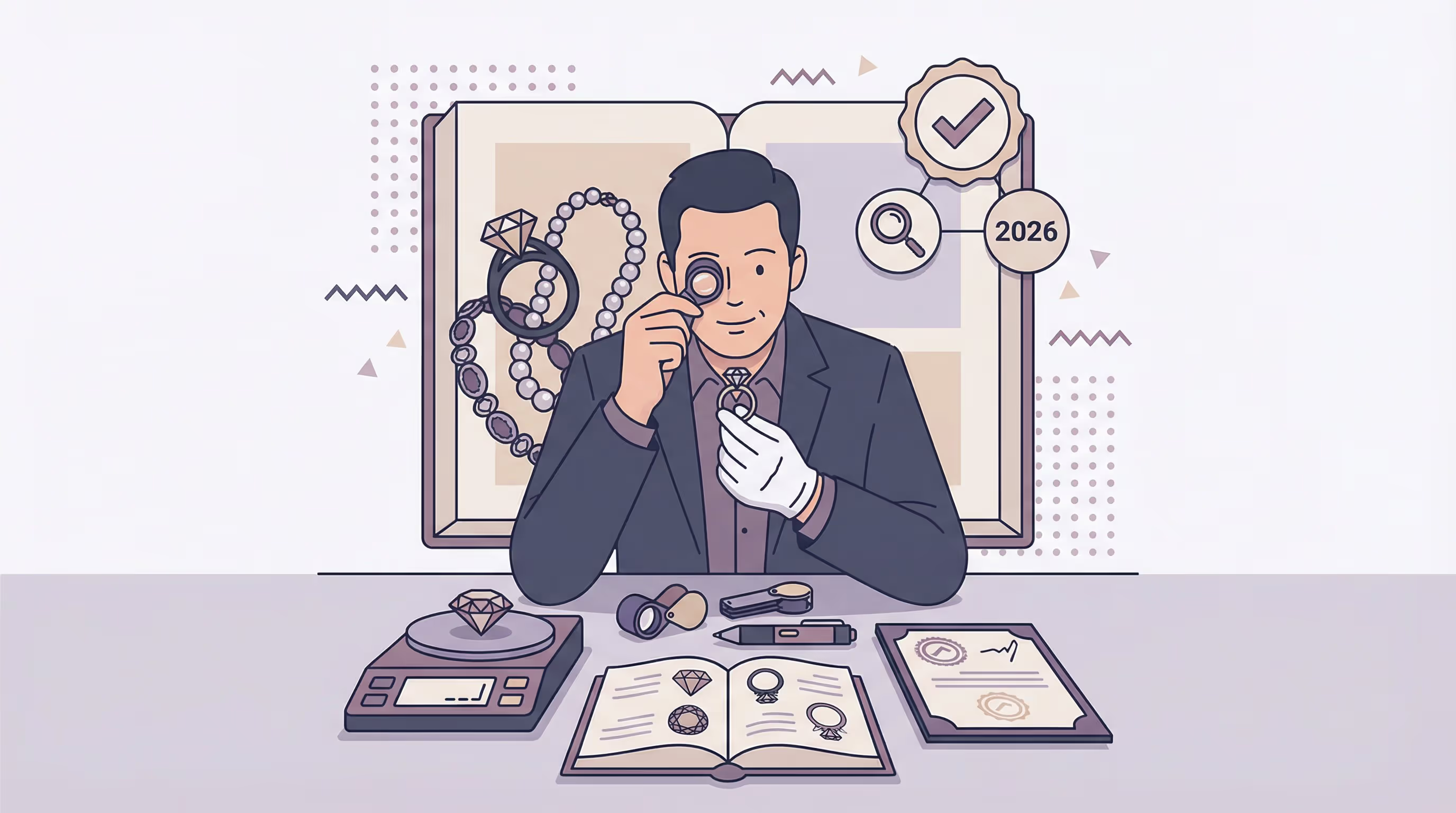
Getting your jewelry appraised might feel overwhelming, but it's one of the smartest financial decisions you can make. Whether you're protecting a family heirloom or ensuring proper insurance coverage, understanding the appraisal process helps you make informed choices about your valuable pieces.
A jewelry appraisal is a professional evaluation that determines your piece's current market value based on materials, craftsmanship, and market conditions. Most jewelry should be appraised every 2-3 years, with costs ranging from $50-$400 depending on complexity. You can choose between online appraisals (faster but less detailed) or in-person evaluations (more thorough and accurate).
Quick Fact: According to jewelers.org, jewelry values can fluctuate significantly over time, making regular appraisals essential for proper insurance coverage and financial planning.
This guide walks you through everything from choosing the right appraiser to understanding what your appraisal report should include. You'll learn when to get updated appraisals, how much to expect to pay, and what documents you need to bring.
A jewelry appraisal report provides a professional assessment of your piece's value, condition, and characteristics. Think of it as a detailed snapshot that captures everything from the type of metal and gemstones to the craftsmanship quality and current market worth.
Certified gemologists or qualified jewelry appraisers conduct these evaluations using specialized tools and market knowledge. They examine factors like metal purity, gemstone quality, design elements, and any maker's marks that might affect value.
The report serves multiple purposes beyond just satisfying curiosity about worth. Insurance companies require appraisals to determine coverage limits and replacement costs. Estate planning relies on accurate valuations for tax purposes and asset distribution. Even if you're considering selling a piece, an appraisal gives you realistic expectations about market value.

Important Note: According to appraiseitnow.com, appraisals differ from diamond grading reports, which only assess quality without providing monetary value.
The frequency of jewelry appraisals depends on several factors, but most experts recommend every 2-3 years for valuable pieces. This timeline ensures your insurance coverage keeps pace with market changes and protects you from being underinsured.
High-value items like diamonds and colored gemstones need more frequent attention because their markets can shift rapidly. Economic conditions, fashion trends, and supply changes all influence jewelry values. A piece worth $5,000 three years ago might be worth $7,000 today, or potentially less depending on market conditions.
Certain situations call for immediate reappraisal regardless of timing. If you've had significant repairs, modifications, or restorations done, get a new appraisal to reflect these changes. Major life events like divorce or inheritance also require fresh valuations for legal and financial purposes. Understanding when to get a jewelry appraisal can help you stay on top of your valuable assets.
For everyday jewelry with stable metals and common gemstones, you might extend the timeline to 4-5 years. However, keeping appraisals current is always better than discovering you're underinsured after a loss.
Online jewelry appraisals offer convenience and speed, typically delivering reports within 24-72 hours. You submit detailed photos and information about your piece to a certified appraiser who provides a valuation based on visual assessment and your descriptions.
This approach works well for straightforward pieces with clear characteristics and when you need quick documentation for insurance purposes. The process costs less than in-person evaluations and eliminates travel time to an appraiser's office.
However, online appraisals have limitations that you should understand before choosing this route. Appraisers can't physically examine the piece, test materials, or assess condition details that photos might miss. This can lead to less accurate valuations, especially for antique pieces or items with subtle quality variations.
In-person appraisals provide the most thorough and accurate assessments. The appraiser can use specialized equipment to test metals, examine gemstones under proper lighting, and evaluate craftsmanship details impossible to capture in photos. For high-value pieces or complex items, this extra precision justifies the additional cost and time investment. Learning how to find the right jewelry appraiser ensures you get the most accurate valuation possible.
Appraisal TypeTimelineAccuracy LevelBest ForOnline24-72 hoursGood for clear piecesBasic insurance needsIn-Person1-2 weeksHighest accuracyHigh-value or complex items
Jewelry appraisal costs vary significantly based on the piece's complexity and the appraisal's intended use. Basic evaluations for simple pieces typically range from $50-$150, while complex appraisals involving multiple gemstones or antique pieces can cost $150-$400 or more.
Several factors influence pricing beyond the piece itself. The appraiser's credentials and experience level affect rates, as do geographic location and market demand. Insurance appraisals often cost more than basic valuations because they require more detailed documentation and higher liability for the appraiser. For a deeper dive into pricing, check out our guide on understanding the cost of a jewelry appraisal.
When budgeting for an appraisal, consider getting multiple quotes if you're dealing with particularly valuable pieces. The investment pays for itself through proper insurance coverage and peace of mind about your jewelry's true worth.

Money-Saving Tip: Some jewelry stores offer appraisal services for pieces purchased from them at reduced rates, making it worth checking with your original retailer first.
The appraisal process itself is straightforward when you come prepared. Bring any documentation you have, including purchase receipts, previous appraisals, or gemological certificates. Clean your jewelry beforehand, but avoid any treatments that might alter its appearance. To ensure you're fully ready, review our tips on how to prepare for a jewelry appraisal.
During the appointment, the appraiser will examine your piece using various tools, take measurements and photos, and research comparable items in the current market. They'll explain their findings and provide a detailed written report that includes descriptions, photographs, and the determined value. If you're curious about the experience, read about what to expect during a jewelry appraisal.
Remember that appraisal values often reflect replacement cost rather than what you might receive if selling the piece. This distinction is important for insurance purposes but can be surprising if you're considering a sale. For those with specialized timepieces, you may also want to explore rare watch appraisals to understand the unique considerations for luxury watches.
Getting your jewelry professionally appraised protects your investment and ensures you're properly covered for any potential losses. Whether you choose online convenience or in-person thoroughness, regular appraisals keep you informed about your jewelry's current value and help you make smart decisions about insurance coverage and estate planning. Take the time to research qualified appraisers in your area and establish a regular appraisal schedule for your most valuable pieces.
A jewelry appraisal is a professional evaluation that determines your piece's current market value based on materials, craftsmanship, and market conditions. You need one for insurance coverage, estate planning, and financial protection. Insurance companies require appraisals to determine coverage limits and replacement costs, ensuring you're properly protected against loss or theft.
Most jewelry should be appraised every 2-3 years to keep pace with market changes and ensure proper insurance coverage. High-value items like diamonds and colored gemstones may need more frequent appraisals due to rapidly shifting markets. You should also get immediate reappraisals after significant repairs, modifications, or major life events like inheritance.
Jewelry appraisal costs range from $50-$400 depending on the piece's complexity. Basic evaluations for simple pieces typically cost $50-$150, while complex appraisals involving multiple gemstones or antique pieces can cost $150-$400 or more. Factors affecting price include the appraiser's credentials, geographic location, and the appraisal's intended use.
Online appraisals offer convenience and speed (24-72 hours) at lower costs, making them suitable for straightforward pieces and basic insurance needs. However, in-person appraisals provide the highest accuracy since appraisers can physically examine the piece, test materials, and assess condition details impossible to capture in photos. For high-value or complex items, in-person evaluation is recommended.