
If you're donating property worth more than $500 to charity, you'll need to file IRS Form 8283. This form documents noncash charitable contributions and ensures proper valuation for tax deductions. For donations over $5,000, you'll also need a qualified appraisal from a certified appraiser.
Form 8283 serves as your official record with the IRS, detailing what you donated, its fair market value, and which organization received it. The form has two sections: Section A for items valued at $5,000 or less, and Section B for higher-value donations requiring professional appraisals.
Quick Fact: Filing Form 8283 incorrectly or missing required appraisals can result in your entire charitable deduction being disallowed by the IRS.
Understanding these requirements upfront helps you avoid costly mistakes and ensures your generous donations provide the tax benefits you deserve.
When you must file Form 8283
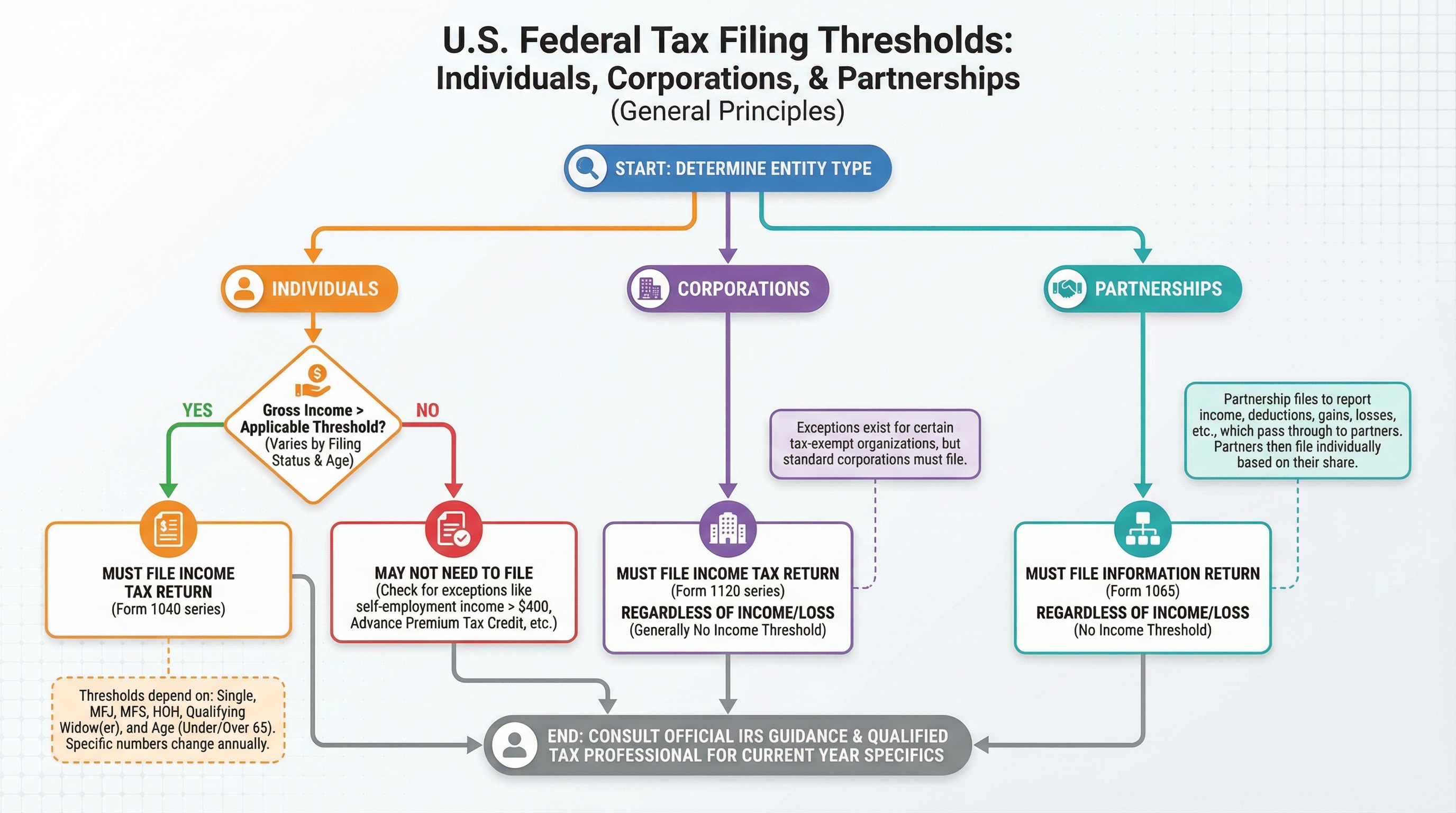
You're required to file Form 8283 whenever your noncash charitable contribution deduction exceeds $500. This threshold applies to individual items or groups of similar items donated throughout the tax year.
The filing requirements vary by taxpayer type. Individual taxpayers must file for any noncash contribution over $500. Regular C corporations only need to file if claiming deductions over $5,000 per item, while personal service corporations and closely held corporations must file for donations exceeding $500.
Partnerships and S corporations face stricter rules. They must file Form 8283 for noncash contributions over $500, and if any item or group of similar items exceeds $5,000 in total value, they must complete Section B regardless of individual partner allocations.
Special circumstances also trigger filing requirements. Single clothing or household items not in good condition but valued over $500 require Section B filing with a qualified appraisal. Conservation easements, partial interest donations, and restricted property donations typically require Section B as well.
Understanding Section A versus Section B
Section A covers donations valued at $5,000 or less and requires basic information about the donated property. You'll need to describe the item, note its condition, provide acquisition details, and explain how you determined fair market value.
This section also handles certain high-value items that don't require appraisals. Publicly traded securities, qualified vehicles where deduction is limited to sale proceeds, and specific intellectual property donations can use Section A regardless of value.
Section B applies to donations exceeding $5,000 and demands significantly more documentation. You'll need a qualified appraisal, detailed property descriptions, and signatures from both the appraiser and receiving organization.
| Requirement | Section A | Section B |
|---|---|---|
| Value threshold | $500-$5,000 | Over $5,000 |
| Appraisal needed | No | Yes |
| Appraiser signature | No | Required |
| Donee signature | No | Required |
The key difference lies in verification requirements. Section A relies on your own valuation methods, while Section B requires independent professional confirmation through qualified appraisals.
Important: Even if you donate similar items to different charities, you must file separate Section B forms for each organization if the total value exceeds $5,000.
Qualified appraisal requirements and timing
When Section B applies, you need a qualified appraisal from a qualified appraiser. The timing is crucial: appraisals must be completed no earlier than 60 days before donation and no later than your tax return due date (including extensions).
A qualified appraisal must follow Uniform Standards of Professional Appraisal Practice (USPAP) and include specific elements. The appraiser must provide detailed property descriptions, valuation methodology, fair market value conclusions, and their professional qualifications.
The appraisal must state its purpose for income tax purposes and include any restrictions affecting the property's marketability. For art valued at $20,000 or more, you must attach the complete appraisal to your tax return along with photographs if requested.
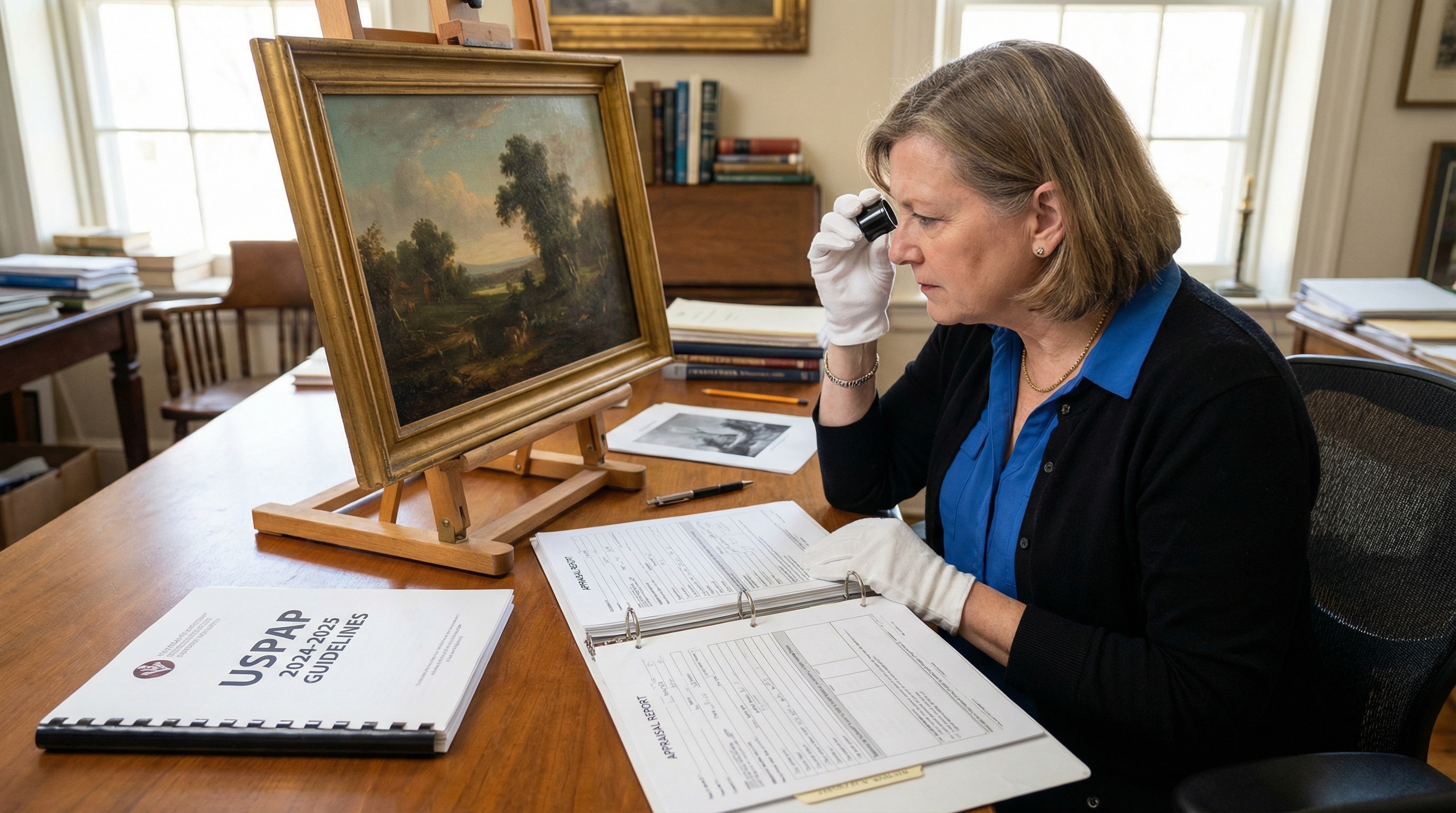
Qualified appraisers must meet strict criteria. They need recognized professional designations or specific education plus two years of experience valuing the property type. They cannot be the donor, donee, or anyone with conflicts of interest in the transaction.
The appraiser must declare their qualifications, confirm they regularly perform appraisals for compensation, and acknowledge potential penalties for substantial valuation misstatements. Their fee cannot be based on a percentage of the appraised value. Understanding why an appraisal is necessary for charitable donations can help you appreciate the importance of working with qualified professionals.
Fair market value determination and common mistakes
Fair market value represents the price a willing buyer would pay a willing seller in an open market transaction. According to IRS Publication 561, you must consider the property's cost, comparable sales, replacement cost, and professional appraisal opinions.
Recent purchase price often provides good evidence of fair market value, especially if bought close to the donation date in an arm's length transaction. However, market conditions change, and you must account for appreciation or depreciation since acquisition.
For used items like clothing and household goods, fair market value typically reflects thrift store or consignment shop prices rather than original retail cost. The condition significantly impacts value, and items must be in good used condition or better to qualify for deductions.
Critical Mistake: Many donors use replacement cost or insurance values instead of fair market value, leading to inflated deductions and potential penalties.
Common valuation errors include using outdated appraisals, failing to account for property condition, and misunderstanding the difference between fair market value and replacement cost. The IRS scrutinizes donations where claimed values seem disproportionate to acquisition costs or market conditions. Learning about common mistakes to avoid when filling out IRS Form 8283 can save you from costly errors.
Substantial valuation misstatements can trigger penalties of 20% of the tax underpayment if your claimed value exceeds 150% of correct value, or 40% if it exceeds 200%. Both donors and appraisers face potential penalties for gross overstatements.
Understanding Form 8283 requirements protects your charitable deductions while supporting the organizations you care about. How appraisals can maximize your tax deductions for donated items is essential knowledge for any donor looking to optimize their charitable giving. If you're considering donating furniture or other household items, check out resources on the top items to consider getting appraised for donations to ensure you're claiming appropriate deductions. For comprehensive guidance on charitable donation appraisals and your tax deduction, consult qualified tax professionals who can guide you through the documentation process and ensure compliance with IRS regulations. Proper preparation today prevents costly problems during future tax examinations.