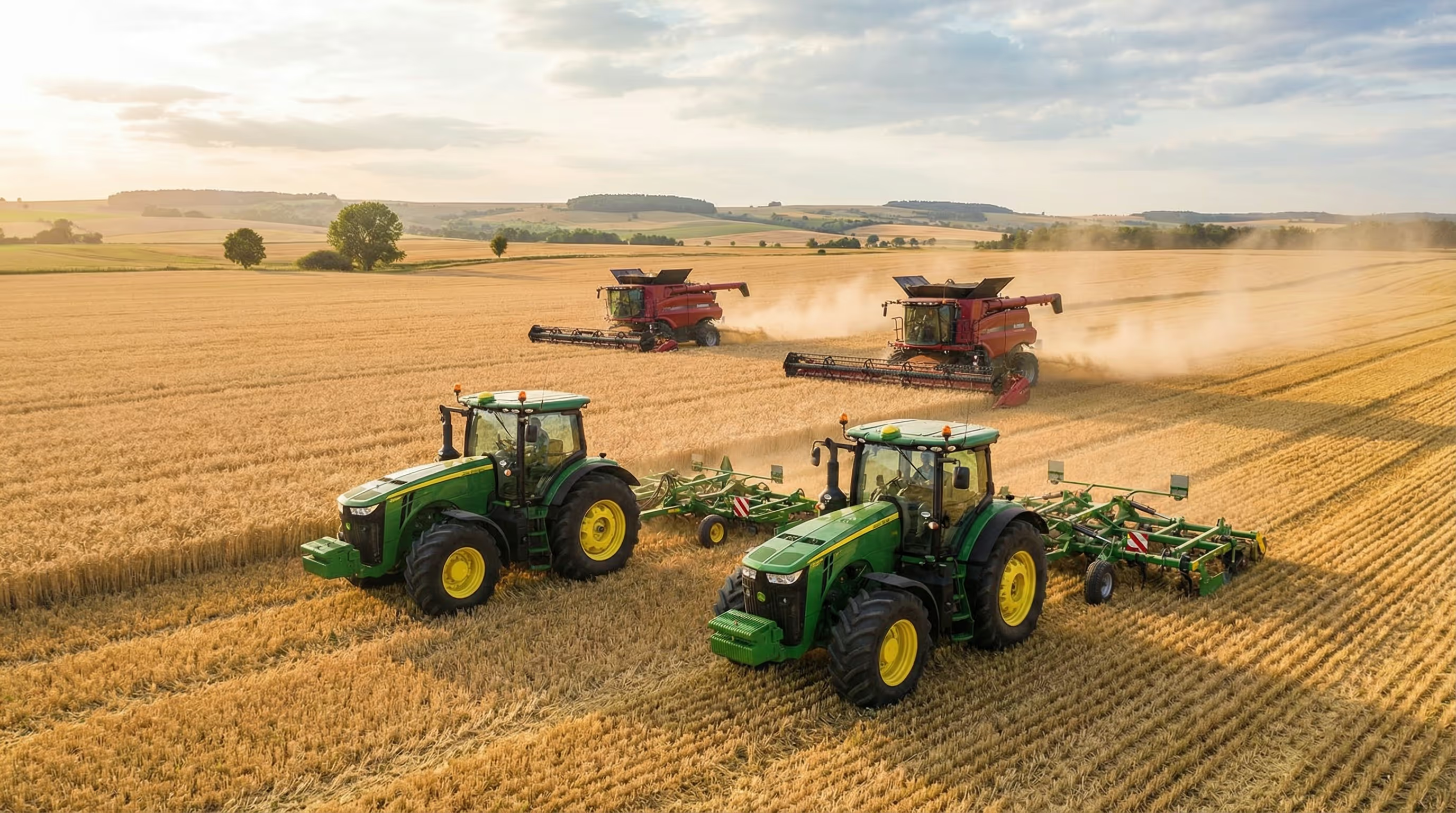
When U.S. tariffs hit imported farm equipment and components, they don't just change purchase prices - they fundamentally alter how you should value existing machinery for financing, insurance, estate planning, and legal proceedings. Whether you're a farmer refinancing equipment loans, a lender assessing collateral, or an attorney handling agricultural assets in litigation, understanding tariff-adjusted valuations can mean the difference between accurate assessments and costly miscalculations.
Tariffs typically increase replacement costs for imported machinery and parts by 10-25%, but their impact on existing equipment values varies dramatically based on origin, age, and market conditions. You'll learn the core valuation methods appraisers use, key factors that tariffs affect, and practical steps to ensure your farm equipment appraisals reflect current market realities.
Quick Answer: Tariffs primarily affect farm equipment values through three channels - increased replacement costs for imported machines, higher parts prices that impact repair economics, and market volatility that makes comparable sales data less reliable.
Tariffs are taxes on imported goods designed to protect domestic manufacturers by making foreign products more expensive. For farm equipment, this creates a ripple effect that touches every aspect of valuation.
When tariffs increase the cost of imported tractors, combines, or implements, they simultaneously make domestic alternatives more competitive. This shift affects not just new equipment pricing but also the residual values of existing machines. If replacement parts from overseas become 20% more expensive due to tariffs, older equipment that relies heavily on imported components may lose value faster than anticipated.
The challenge for appraisers lies in separating temporary market disruptions from permanent value changes. A short-term parts shortage might create artificial scarcity that inflates values temporarily, while long-term tariffs could fundamentally alter the economics of owning certain equipment brands.

Professional appraisers rely on three primary approaches to determine farm equipment values, and tariffs affect each method differently.
Sales Comparison Approach examines recent sales of similar equipment to establish market value. Tariffs complicate this method by reducing the number of reliable comparable sales and increasing price volatility. When import restrictions limit supply, auction prices might spike temporarily, making recent sales less representative of long-term value.
Cost Approach calculates value based on replacement cost minus depreciation. This method becomes particularly sensitive to tariffs because replacement costs for imported equipment can jump significantly when duties are imposed. If a tractor's replacement cost increases from $200,000 to $240,000 due to tariffs, the indicated value of a similar used machine rises proportionally, assuming demand remains stable.
Income Approach estimates value based on the equipment's ability to generate revenue. Tariffs affect this method indirectly - if higher equipment costs reduce farm profitability, the income-producing capacity of existing machinery may decline, lowering its indicated value.
Valuation MethodPrimary Tariff ImpactWhen Most ReliableSales ComparisonFewer comps, volatile pricingStable tariff environmentCost ApproachDirect replacement cost increasesRecent tariff changesIncome ApproachReduced farm profitabilityLong-term analysis
Several specific factors become critical when tariffs affect farm equipment markets. Understanding these helps you work more effectively with professional farm equipment appraisers and interpret their findings.
Country of Origin and Import Classification determines which tariffs apply to specific equipment. A tractor manufactured in Germany faces different duties than one assembled in Mexico, even if both brands seem similar. Appraisers must verify manufacturing locations and applicable tariff codes to accurately assess replacement costs.
Supply Chain Dependencies matter more in a tariff environment. Equipment that relies heavily on imported components for maintenance and repairs may face ongoing cost pressures that affect long-term value. A domestic tractor using imported hydraulic systems might experience different value impacts than fully domestic alternatives.
Market Timing and Policy Duration influence whether tariff effects represent temporary disruptions or permanent market shifts. Appraisers must consider whether current tariffs have sunset clauses, exemption possibilities, or likelihood of expansion when projecting future values.
Key Insight: Equipment with higher percentages of imported components typically experiences more volatile value swings during tariff periods, making timing crucial for accurate appraisals.
When commissioning or conducting farm equipment appraisals in a tariff environment, following a structured process helps ensure accuracy and defensibility.
Step 1: Define Your Purpose and Value Standard clearly. Fair market value assumes willing buyers and sellers with reasonable knowledge, but tariffs can create information asymmetries that affect this assumption. Forced liquidation value might be more appropriate if tariffs have created distressed market conditions.
Step 2: Gather Tariff-Sensitive Information including equipment origin, import dates, and applicable duty rates. Document any exemptions or special trade status that might affect replacement costs. This information becomes part of your appraisal work file and supports your value conclusions.
Step 3: Select and Weight Valuation Approaches based on current market conditions. In volatile tariff environments, using multiple approaches and reconciling their results provides more reliable value indications than relying on a single method.
Step 4: Document Assumptions and Limitations explicitly. When tariff policies remain uncertain, appraisers should clearly state their assumptions about future trade conditions and explain how different scenarios might affect values.

Your approach to tariff-affected equipment valuations should align with your specific needs and risk tolerance.
For Farmers and Equipment Owners, timing becomes crucial. If you're considering selling equipment before anticipated tariff increases, current appraisals help establish baseline values. Conversely, if you're buying, understanding how tariffs affect different brands and models helps identify better value opportunities. Before proceeding, make sure you know what to expect during a farm equipment appraisal.
For Lenders and Financial Institutions, tariff volatility increases collateral risk. More frequent appraisal updates and conservative loan-to-value ratios help protect against sudden value declines. Consider requiring borrowers to provide updated appraisals when significant tariff changes occur.
For Legal and Tax Professionals, proper documentation becomes even more critical. Courts and tax authorities expect appraisals to reflect market conditions at specific dates, making the timing of tariff-affected valuations particularly important for estate planning, divorce proceedings, and business valuations.
Professional Tip: In uncertain tariff environments, consider commissioning appraisals with value ranges rather than point estimates, providing more flexibility for decision-making while maintaining professional standards.
Understanding how tariffs reshape farm equipment values requires expertise in both appraisal methodology and international trade dynamics. When stakes are high - whether for major financing decisions, legal proceedings, or tax planning - working with certified agricultural equipment appraisers who understand these complexities protects your interests and ensures compliance with professional standards. Avoid common mistakes during farm equipment appraisals by asking the right questions and preparing thoroughly.
AppraiseItNow provides USPAP-compliant farm equipment appraisals nationwide, with specialized expertise in tariff-affected markets. Our certified appraisers stay current with trade policy changes and their impacts on agricultural equipment values, delivering the accurate, defensible valuations you need for confident decision-making.
Tariffs typically raise the replacement costs for imported machinery and parts by 10-25%, which can increase the fair market value of comparable used equipment. However, prolonged trade disruptions and economic stress on farms can later trigger forced sales and depress liquidation values. The net effect depends on market conditions, equipment origin, and whether tariffs are viewed as temporary or permanent.
Appraisers adjust their methodology by using tariff-adjusted comparable sales data, incorporating higher replacement costs that include import duties, and evaluating potential economic obsolescence for equipment heavily dependent on imported parts. They must also document tariff assumptions and policy uncertainty in USPAP-compliant reports to ensure defensibility for financing, legal, and tax purposes.
Equipment should be reappraised whenever major tariff changes occur, typically every 12-18 months during periods of trade volatility. More frequent updates may be necessary for loan covenant compliance, insurance renewals, or when tariff rates change by more than 10%. Lenders often require updated appraisals when significant trade policy shifts affect collateral values.
Provide original purchase invoices showing tariff line items, import documentation with duty rates, proof of country of origin, maintenance records showing parts costs, and any supply chain delays or cost increases. This documentation helps appraisers accurately assess replacement costs and validate tariff impacts in their valuation analysis.