How to Value Vintage Vinyl Records and Know When They're Worth Big Money

Last Updated on Nov 20, 2025
Originally Published on Nov 20, 2025
Thank you! Your submission has been received!
Oops! Something went wrong while submitting the form.
Nationwide Service
Onsite or Online
USPAP-Compliant
IRS Qualified
DEFENSIBLE, USPAP-COMPLIANT APPRAISAL REPORTS — ACCEPTED BY 10,000+ ORGANIZATIONS
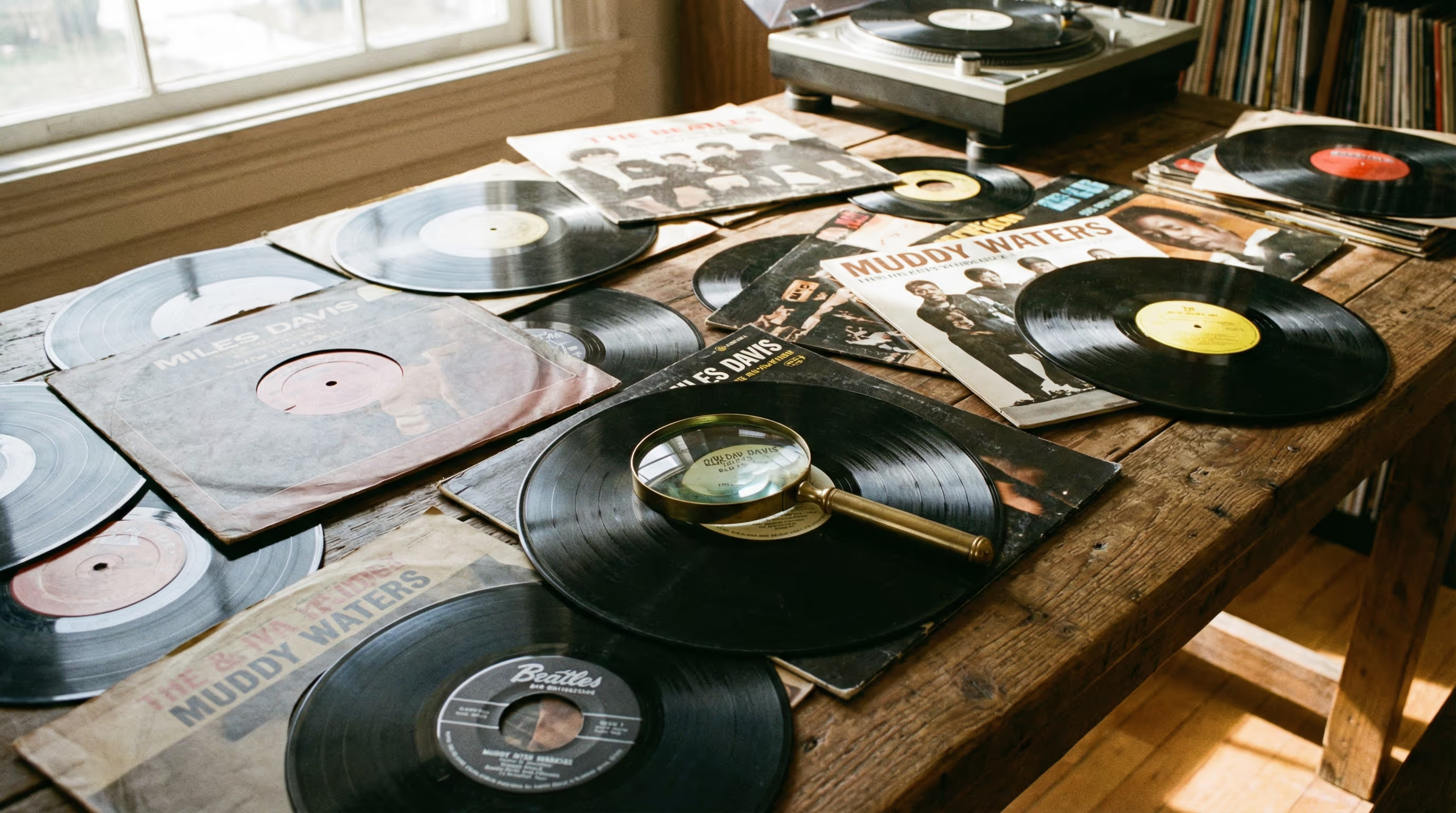
Vintage vinyl records collection scattered on wooden table with magnifying glass

You've inherited a box of old records or found some dusty albums in your attic. Now you're wondering if any of them are worth more than pocket change. Here's the quick answer: most vintage records are worth $1-20, but rare pressings, first editions, and records by iconic artists can sell for hundreds or thousands of dollars.

The key is knowing what to look for. Age alone doesn't determine value—a 1970s Beatles album might be worth $5 or $500 depending on the pressing, condition, and specific details. This guide walks you through exactly how to evaluate your records and when it makes sense to get a professional appraisal.

Quick fact: A mint condition original pressing of The Beatles' "Please Please Me" sold for over $15,000, while common reissues of the same album typically sell for under $30.

What counts as vintage, antique, and modern records

Understanding record age categories helps set realistic expectations for value. Vintage records are typically 20-50 years old (roughly 1970s-2000s), while antique records are over 50 years old. Modern records are anything produced in the last 20 years.

The sweet spot for collectors is usually 1950s-1980s releases, especially original pressings from major labels during the golden age of rock, jazz, and soul. However, age doesn't automatically equal value—a common 1960s pop album might be worth less than a limited 1990s punk release.

Different formats also matter for value. 33 RPM LPs (long-playing albums) are most sought after by collectors, followed by 45 RPM singles from notable artists. 78 RPM records from the early-to-mid 20th century can be valuable if they're rare jazz, blues, or classical recordings, but many are worth very little due to their fragile shellac construction.

Close up of record label showing catalog number and pressing details

Key factors that determine vinyl record value

Six main factors determine how much your records are worth, and understanding these helps you quickly identify which albums deserve closer attention.

Condition is king. A record's physical state dramatically affects its value. Even minor scratches can cut the price in half, while mint condition copies command premium prices. Both the vinyl and the album cover get separate condition grades.

Pressing and rarity matter most. Original first pressings are typically worth more than later reissues. Limited editions, promotional copies, and records from small independent labels often have higher value due to scarcity. Look for catalog numbers, matrix etchings in the dead wax, and label variations to identify specific pressings.

Artist popularity drives demand. Records by legendary artists like The Beatles, Elvis Presley, Led Zeppelin, or Miles Davis generally hold value better than obscure acts. However, some lesser-known artists can be extremely valuable if they're cult favorites or represent important musical movements.

The record label, original packaging completeness, and current market trends also influence value. A record with its original inner sleeve, inserts, and pristine outer jacket will always be worth more than a bare disc.

How to grade condition using the Goldmine standard

Record collectors use the Goldmine grading system to evaluate condition consistently. Learning these grades helps you research comparable sales accurately and communicate with potential buyers or appraisers.

Mint (M) means perfect condition—no wear, scratches, or handling marks. Near Mint (NM) shows minimal signs of careful handling but plays perfectly. Very Good Plus (VG+) has light surface marks that don't affect sound quality significantly.

Very Good (VG) records show obvious wear and may have some background noise, but still play through completely. Good (G) and Poor (P) grades indicate significant damage that affects playability—these are usually only valuable for extremely rare records.

Important tip: Most collectors are strict about grading. A record you think is "near mint" might actually grade as VG+ due to minor sleeve wear or light scuffs you didn't notice.

The album cover gets graded separately using the same scale. Ring wear, seam splits, writing, or stickers all lower the jacket grade. A record graded NM/VG means near mint vinyl with a very good cover.

Step-by-step process to find what your records are worth

Start by identifying exactly what you have. Write down the artist name, album title, record label, and catalog number from the label. Check the dead wax area near the center for matrix numbers or etchings—these identify specific pressings.

Next, grade both the vinyl and sleeve condition honestly using the Goldmine standard. Take photos of any damage, unique label designs, or special features like colored vinyl or promotional markings.

Research comparable sales on Discogs, eBay's sold listings, or specialized price guides. Don't rely on current asking prices—only look at completed sales of the same pressing in similar condition. Pay attention to whether sales include original packaging and inserts.

Compare your copy's condition to the sold examples and adjust the estimated value accordingly. A VG+ copy typically sells for 60-80% of a near mint copy's price, while VG condition might bring 25-50% of mint value.

Finally, decide your next steps based on what you discover. If individual records are worth over $100 or your collection's total value exceeds $1,000, consider getting a professional appraisal for insurance or sale purposes.

Comparison chart showing different record conditions side by side

Condition GradeTypical Value vs Near MintCommon IssuesNear Mint (NM)90-100%Minimal handling marksVery Good+ (VG+)60-80%Light surface marksVery Good (VG)25-50%Visible wear, some noiseGood (G)10-25%Significant damage

When to call a professional vinyl record appraiser

Several situations warrant getting a formal appraisal rather than doing your own research. If you're dealing with estate planning, insurance coverage, charitable donations, or divorce proceedings, you'll need a certified appraisal that meets legal and tax requirements.

Large collections with potentially valuable items also benefit from professional evaluation. An experienced appraiser can quickly identify rare pressings, assess condition accurately, and provide market values that hold up to scrutiny from insurance companies or courts.

Consider professional appraisal if your preliminary research suggests individual records worth over $200 or total collection values exceeding $2,000. The cost of a formal appraisal often pays for itself through accurate valuations that maximize insurance coverage or tax deductions.

Professional insight: USPAP-compliant appraisals include detailed photographs, condition assessments, market research, and defensible value conclusions accepted by the IRS, courts, and insurance companies.

At AppraiseItNow, our certified appraisers specialize in vinyl record collections nationwide. We provide both online appraisals using detailed photos and onsite evaluations for large collections. Our reports meet all professional standards and are accepted by major insurance companies and government agencies.

Whether you're protecting a valuable collection with proper insurance coverage or need accurate values for estate or donation purposes, we make the process straightforward and thorough. Contact us to discuss your specific needs and get started with a professional evaluation of your memorabilia and collectibles.

The world of vintage vinyl offers both pleasant surprises and realistic expectations. While most inherited collections contain modest values, understanding how to properly evaluate condition, rarity, and market demand helps you identify the gems worth preserving or selling. When in doubt, choosing the right appraiser for your antiques ensures you make informed decisions about your musical treasures.

Frequently Asked Questions About Vinyl Record Values

Are old vinyl records worth anything?

Some old vinyl records are worth only a few dollars, while others can sell for hundreds or even thousands. Value depends on the artist, rarity of the pressing, condition of the vinyl and sleeve, and current collector demand. Common albums in worn condition usually have little resale value, but scarce titles in excellent shape can be highly collectible. A professional vinyl record appraisal can confirm whether your specific copy is valuable or not.

How do I find out how much my vinyl records are worth?

To find out how much your vinyl records are worth, first identify the exact pressing using the catalog number and matrix numbers on the record and sleeve. Next, grade the condition of the vinyl and jacket using a standard scale from Mint to Poor. Then compare your record to recent sold listings for the same pressing and condition in online databases and marketplaces, focusing on actual sale prices. For large or high-value collections, a certified vinyl record appraiser can provide a detailed valuation report.

What vintage records are worth money?

Vintage records that are worth money usually combine a desirable artist, a scarce or early pressing, and excellent condition. Examples include original pressings by major artists like The Beatles, Elvis Presley, jazz and blues legends, early punk and indie releases on small labels, and limited editions, promos, or test pressings. That said, not every famous artist's album is valuable—common titles or later reissues can be inexpensive. The only way to know is to identify the exact pressing and check recent sales data.

When should I get a professional vinyl record appraisal?

You should consider a professional vinyl record appraisal when the collection may be worth a significant amount or when documentation is required for legal or tax reasons. Common triggers include estate and probate matters, divorce settlements, charitable donations, insurance scheduling, and business inventory or financial reporting. An IRS-qualified, USPAP-compliant appraiser can provide a defensible valuation that meets court, insurer, and tax authority standards. For a few low-value records, informal price checks are usually sufficient, but larger collections benefit from a formal appraisal.

Related Appraisals We Offer

Related Articles

BEST-IN-CLASS APPRAISERS, CREDENTIALED BY: