How to Store and Protect Your Memorabilia and Collectibles to Keep Their Value

Last Updated on Oct 27, 2025
Originally Published on Oct 27, 2025
Thank you! Your submission has been received!
Oops! Something went wrong while submitting the form.
Nationwide Service
Onsite or Online
USPAP-Compliant
IRS Qualified
DEFENSIBLE, USPAP-COMPLIANT APPRAISAL REPORTS — ACCEPTED BY 10,000+ ORGANIZATIONS
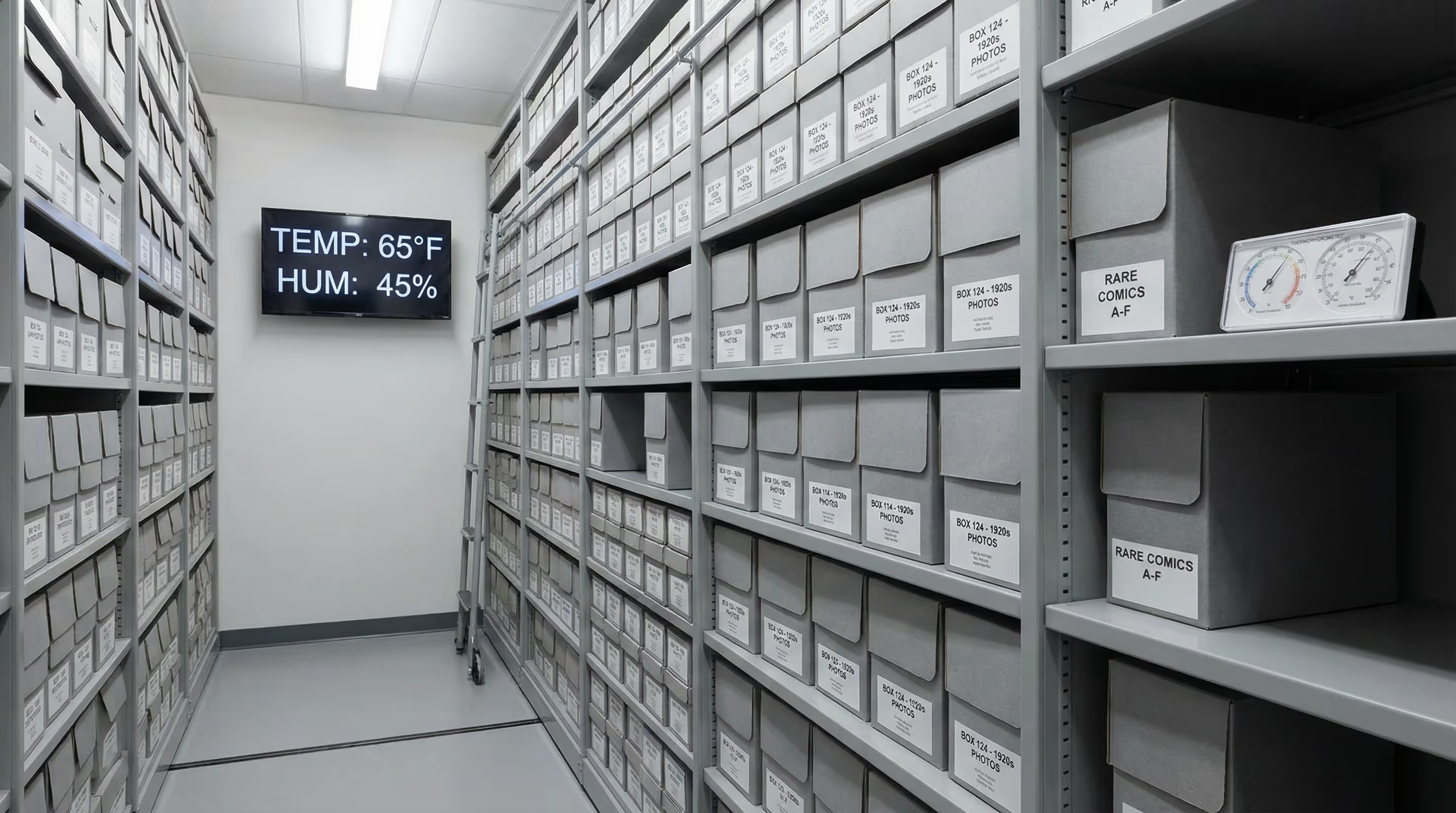
A well-organized storage room with labeled archival boxes on metal shelving, showing proper collectible storage setup with temperature and humidity gauges visible

Your vintage baseball cards, family heirlooms, and prized collectibles represent more than just objects. They hold memories, history, and often significant financial value. Yet one wrong storage decision can quietly erase both their sentimental worth and market value forever.

Poor storage conditions cause irreversible damage that happens slowly and invisibly. A damp basement can trigger mold growth on paper items within months. Direct sunlight fades photographs and artwork in just weeks. Acidic storage materials yellow comic books and documents over time, sometimes cutting their value in half.

The good news is that damage is entirely preventable with the right approach. You don't need a museum-grade facility to protect your collection. By controlling just a few key factors like temperature, humidity, and light exposure, you can preserve your items for decades while maintaining their condition and value.

Quick Answer: Store collectibles in a cool, dry environment between 65-72°F with 40-55% humidity, away from direct sunlight, using acid-free materials and proper containers for each item type.

Creating the right environment for long-term storage

Temperature and humidity control form the foundation of proper collectible storage. Most items thrive in stable conditions between 65-72°F (18-22°C) with relative humidity between 40-55%. These ranges prevent the expansion and contraction that causes warping, cracking, and adhesive failure.

Avoid storage areas with extreme temperature swings like attics, basements, and garages. Attics can reach over 120°F in summer, while basements often have humidity levels above 70%, creating perfect conditions for mold and mildew. Instead, choose interior closets, spare bedrooms, or climate-controlled spaces that maintain consistent conditions year-round.

Light exposure, especially UV rays, causes permanent fading and discoloration. Store items away from windows and use UV-filtered or LED lighting when you need to access your collection. Even brief exposure to direct sunlight can damage delicate materials like photographs, textiles, and paper items.

Simple tools can help you monitor conditions effectively. A digital hygrometer measures humidity levels, while a basic thermometer tracks temperature. Place silica gel packets in storage containers to absorb excess moisture, and consider a small dehumidifier for rooms with consistently high humidity.

Choosing safe storage materials and containers

The materials you use to store your collectibles matter just as much as the environment. Acid-free and archival-quality materials prevent chemical reactions that cause yellowing, brittleness, and deterioration over time. These materials cost slightly more upfront but protect your investment for decades.

Close-up comparison showing acid-free archival boxes and sleeves next to regular storage materials, with labels highlighting the differences

For paper items like comics, photographs, and documents, use mylar sleeves with acid-free backing boards. Mylar provides excellent protection against moisture and handling damage while remaining chemically stable. Store these items in archival boxes designed to support their weight without crushing.

Metal collectibles like coins require non-PVC storage solutions. PVC releases chemicals that cause green corrosion on metal surfaces. Instead, use coin flips made from inert plastics or specialized coin capsules that create a protective barrier while allowing visibility. Understanding proper coin appraisal and storage techniques helps maintain both condition and value.

Textiles and clothing need breathable storage that prevents creasing and moisture buildup. Acid-free tissue paper helps maintain shape, while muslin or cotton storage bags allow air circulation. Avoid plastic bags, which can trap moisture and promote mold growth. For valuable vintage clothing and accessories, proper storage is essential to preserve their market appeal.

Collectible TypeBest Storage SolutionMaterials to AvoidComics & PaperMylar sleeves, acid-free boxesPVC sleeves, cardboard boxesCoins & MetalNon-PVC flips, coin capsulesBare hands, humid storageTextilesAcid-free tissue, cotton bagsPlastic bags, wire hangersVinyl RecordsInner/outer sleeves, upright storageStacking flat, high heat

Handling and maintenance best practices

Proper handling prevents damage that accumulates over time. Always wash and dry your hands thoroughly before touching collectibles, or wear cotton or nitrile gloves when handling valuable items. Oils from your skin can cause staining and attract dirt that becomes difficult to remove.

Create a clean, stable workspace when examining items. Use a flat surface covered with clean cloth or acid-free paper to prevent scratches. Support items from underneath rather than holding them by edges or corners, which can cause stress fractures or tears.

Regular maintenance keeps small problems from becoming major issues. Dust displayed items weekly using a soft, dry microfiber cloth or clean paintbrush. For stored items, inspect containers every 3-6 months for signs of pests, moisture, or environmental changes.

Pro Tip: Take photographs of your items in their current condition and store these images with your insurance documentation. This creates a visual record that proves condition and value if you ever need to file a claim.

When cleaning is necessary, use the gentlest methods possible. Remove loose dirt with a soft brush, working from the center outward. Avoid household cleaners, which can cause chemical damage. For valuable items showing signs of deterioration, consult a professional conservator rather than attempting repairs yourself. Whether you're caring for collectible toys and action figures or vintage vinyl records, expert guidance ensures proper preservation.

Protecting value through documentation and professional help

Proper storage extends beyond physical preservation to include protecting the financial value of your collection. Regular appraisals ensure your insurance coverage keeps pace with market values, while detailed documentation helps prove ownership and condition.

Create an inventory that includes photographs, purchase receipts, and condition notes for each item. Update this record whenever you notice changes or add new pieces to your collection. Store copies of this documentation separately from your physical collection, ideally in a fireproof safe or digital cloud storage.

Consider professional storage solutions for extremely valuable items. Climate-controlled storage units maintain precise temperature and humidity levels, while bank safe deposit boxes offer maximum security for small, high-value pieces. These options cost more but provide peace of mind for irreplaceable items.

Insurance Reality Check: Standard homeowner's policies often limit coverage for collectibles to just $1,000-$2,500 total. Items worth more than this need separate scheduling with current appraisals to ensure full protection.

Know when to seek professional help. If you notice mold, insect damage, or significant deterioration, stop handling the item and consult a conservator. Early intervention often prevents further damage and can sometimes reverse existing problems. Similarly, regular professional appraisals help you understand your collection's current value and insurance needs. Learning how to accurately determine the value of your memorabilia and collectibles and understanding the difference between an appraisal and a valuation ensures you're properly protecting your investment.

Professional appraiser examining collectibles with proper lighting and magnification tools in a clean workspace

Taking care of your memorabilia and collectibles doesn't require perfection, just consistency. Start with the basics like stable temperature and humidity, then gradually improve your storage materials and handling practices. Small changes today prevent major losses tomorrow, keeping both the memories and value of your collection intact for years to come. When you're ready to document your collection's value professionally, AppraiseItNow can provide the certified appraisals you need for insurance and estate planning.

Frequently Asked Questions About Storing Memorabilia and Collectibles

What is the best way to store memorabilia at home?

The best way to store memorabilia at home is to keep items in a clean, climate-controlled environment with stable temperature (65-72°F) and humidity (40-55%), away from direct sunlight. Use archival-quality boxes and acid-free materials, avoid attics and basements, and keep items off the floor to protect against dust, pests, and water damage. Label containers clearly and maintain an inventory to monitor condition over time.

Can I store my collectibles in the attic, basement, or garage?

No, attics, basements, and garages are not suitable for storing collectibles due to extreme temperature swings, high humidity levels, and increased risk of pests and water damage. Attics can exceed 120°F in summer, while basements often have humidity above 70%, creating conditions for mold and deterioration. Instead, choose interior closets, spare bedrooms, or climate-controlled storage units that maintain consistent conditions year-round.

What materials should I avoid when storing collectibles?

Avoid PVC plastics, ordinary cardboard, newspaper, rubber bands, and adhesive tapes when storing collectibles. PVC releases chemicals that cause green corrosion on metals, while regular cardboard contains acids that yellow and damage items over time. Newspaper ink can transfer and stain, and adhesive materials can leave permanent residue. Instead, use acid-free, archival-quality materials like mylar sleeves, acid-free boxes, and cotton or muslin covers.

How often should I check on collectibles in storage?

Check your storage environment monthly and visually inspect stored collectibles every 3-6 months. High-value or particularly sensitive items like photographs, textiles, and vintage plastics should be checked more frequently. Look for signs of condensation, mold, pests, rust, warping, fading, or unusual odors. Early detection allows you to address problems before they cause irreversible damage to your collection.

Related Appraisals We Offer

Related Articles

BEST-IN-CLASS APPRAISERS, CREDENTIALED BY: