How to Prepare for an Estate Appraisal in 7 Simple Steps

Last Updated on Dec 10, 2025
Originally Published on Dec 10, 2025
Thank you! Your submission has been received!
Oops! Something went wrong while submitting the form.
Nationwide Service
Onsite or Online
USPAP-Compliant
IRS Qualified
DEFENSIBLE, USPAP-COMPLIANT APPRAISAL REPORTS — QUALIFIED FOR THE IRS, INSURANCE AGENGIES, LENDERS, AND MORE.
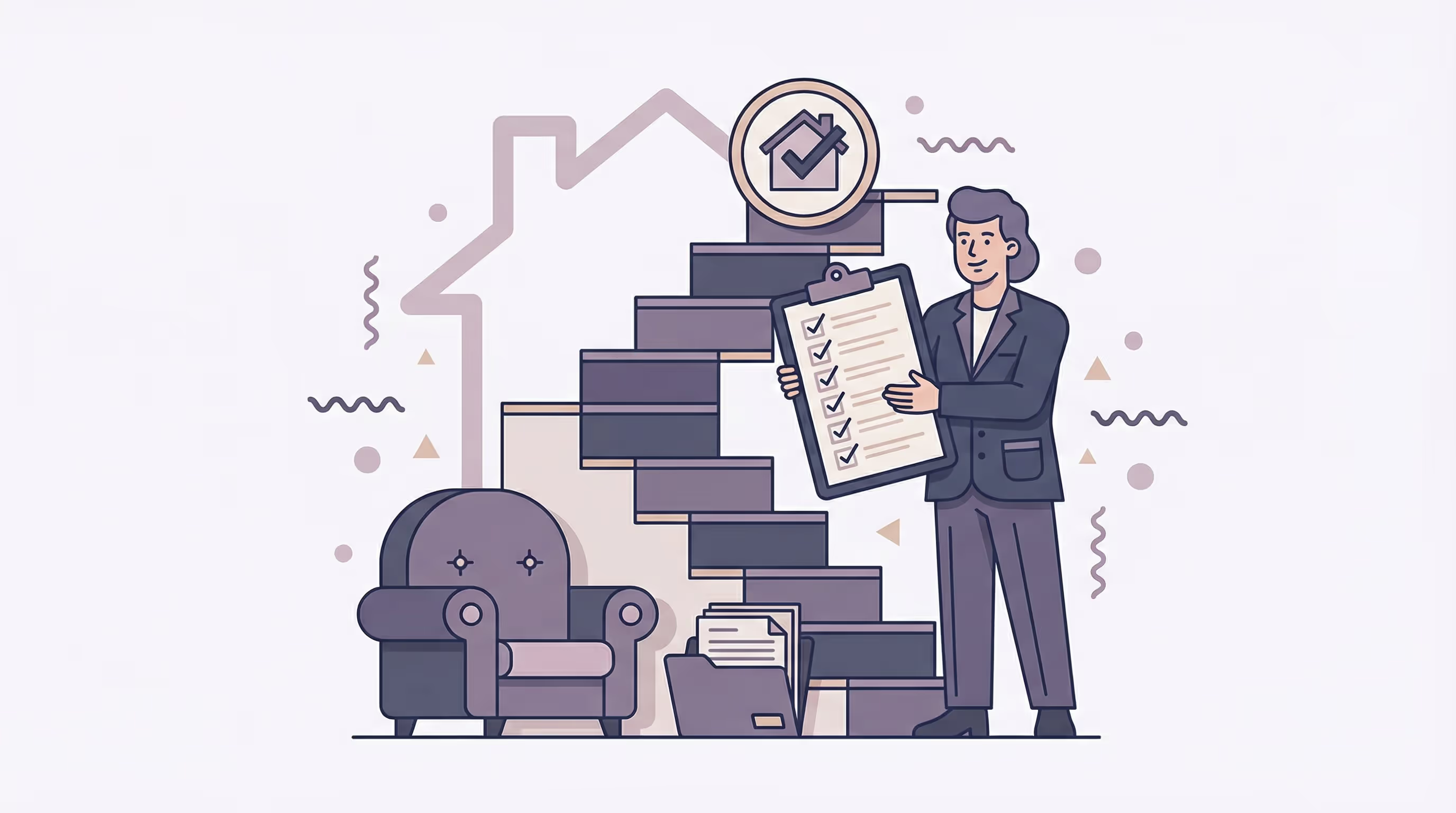
Estate appraisal preparation checklist with documents and property items arranged on a table

Preparing for an estate appraisal can feel overwhelming, especially during an already emotional time. The good news is that proper preparation makes the entire process smoother and helps ensure you get accurate valuations for all estate assets.

Estate appraisals typically involve two main components: real property (buildings and land) and personal property (furniture, artwork, jewelry, vehicles, and other tangible assets). Understanding what to expect and how to prepare will help you navigate this process with confidence and ensure your family receives maximum value from the estate.

Quick tip: Estate appraisals are usually required for probate proceedings, tax purposes, and equitable distribution among beneficiaries. Proper preparation can significantly impact the accuracy of your final valuation.

Understanding what happens during an estate appraisal

Before diving into preparation steps, you need to understand how estate appraisals actually work. The size and scope of your estate will determine the type of appraisal required and how long the process takes.

Most estate appraisals are divided into two distinct parts. The real property appraisal focuses on buildings, land, and any attached structures. Meanwhile, the personal property assessment examines tangible assets like artwork, jewelry, furniture, antiques, vehicles, and electronics.

Professional appraiser examining antique furniture and artwork in a home setting

The appraiser will inspect each item carefully, research comparable sales, and consider factors like condition, age, rarity, and current market demand. Once both real and personal property appraisals are complete, you'll have a comprehensive valuation of the entire estate.

This understanding helps you set realistic expectations for timing and outcomes. Most estate appraisals take several days to weeks, depending on the complexity and number of items involved.

Gathering essential documents and records

Documentation is the foundation of any successful estate appraisal. Start by collecting all relevant paperwork that proves ownership, establishes provenance, or provides context about the items being appraised.

For the actual items, gather sales receipts, certificates of title, bills of sale, and any previous appraisal reports. These documents help the appraiser understand the item's history and establish a baseline for valuation.

Don't overlook contextual documents like wills, trusts, and probate paperwork. These provide important background information that can influence how items are valued, especially if they have historical significance or special provenance.

Important note: Previous appraisals, condition reports, and photographs are incredibly valuable for establishing an item's condition over time and documenting any repairs or alterations.

If you're dealing with valuable items like jewelry, antiques, or artwork, any documentation about their condition, authenticity, or previous professional assessments will be extremely helpful. Even family photographs showing items in their original condition can provide valuable context. For those who have recently inherited such items, understanding your next steps after inheriting art and antiques can be particularly valuable.

Selecting the right appraiser for your needs

Choosing a qualified appraiser is perhaps the most critical decision in this entire process. Not all appraisers have the same expertise, and estate appraisals require specific knowledge and experience.

Look for appraisers who specialize in estate work and have experience with the types of items in your estate. They should understand local market conditions and have current knowledge of values for the specific categories of items you need appraised.

Research potential appraisers thoroughly by checking references, reading reviews, and comparing qualifications. A good appraiser should be willing to answer your questions about their process, timeline, and fees upfront. Learn more about how to choose an appraiser for estate planning purposes to make an informed decision.

Consider their availability and timeline carefully. Estate matters often have legal deadlines, so make sure your chosen appraiser can complete the work within your required timeframe. Don't forget to discuss fees, as costs can vary significantly based on the scope and complexity of your estate.

Preparing your property and organizing items

Physical preparation of your property is just as important as gathering documents. Make sure all items are properly arranged and easily accessible for the appraiser's inspection.

Organize items logically and ensure everything is clean and well-lit for examination. If items are stored in multiple locations like garages, sheds, or storage units, make sure the appraiser has access to all areas.

Well-organized estate items laid out for appraisal inspection with proper lighting and clear access

Prepare a preliminary inventory of all items, no matter how small or seemingly insignificant they might appear. Estate appraisers typically examine everything from major furniture pieces and artwork to small collectibles, tools, and even items with purely sentimental value. Understanding common mistakes to avoid when appraising an estate can help you ensure nothing important is overlooked.

Have all necessary documents readily available and organized by item or category. This preparation saves time during the actual appraisal and helps ensure nothing gets overlooked or undervalued.

The goal is to create an environment where the appraiser can work efficiently and thoroughly examine every item that needs to be valued.

Taking these seven steps seriously will set you up for a successful estate appraisal experience. Remember that good preparation not only ensures accurate valuations but also helps the entire process run more smoothly during what can be a challenging time. To maximize your results, consider reviewing tips on how to get the most out of your estate appraisal. When you're ready to move forward, AppraiseItNow provides comprehensive estate appraisal services nationwide to help you through this important process.

FAQ

What documents are needed for an estate appraisal?

Essential documents include sales receipts, certificates of title, bills of sale, previous appraisal reports, wills, trusts, and probate paperwork. For valuable items like jewelry, antiques, or artwork, gather any documentation about condition, authenticity, or previous professional assessments. Family photographs showing items in their original condition can also provide valuable context for the appraiser.

How long does an estate appraisal take?

Most estate appraisals take several days to weeks, depending on the complexity and number of items involved. The timeline varies based on the size of the estate, types of assets being appraised, and whether both real property (buildings and land) and personal property (furniture, artwork, jewelry) need to be evaluated. Proper preparation can help expedite the process.

Do I need a certified appraiser for estate appraisal?

Yes, you should choose a qualified appraiser who specializes in estate work and has experience with the types of items in your estate. Look for appraisers who understand local market conditions and have current knowledge of values for specific categories of items. Check their references, reviews, and qualifications, and ensure they can meet your required timeline for probate or tax purposes.

How should I prepare my property for an estate appraisal?

Organize items logically and ensure everything is clean and well-lit for examination. Make sure all items are easily accessible, including those stored in garages, sheds, or storage units. Prepare a preliminary inventory of all items, no matter how small, and have all necessary documents organized by item or category. This preparation saves time and helps ensure nothing gets overlooked or undervalued.

Related Appraisals We Offer

Related Articles

APPRAISEITNOW APPRAISERS ARE BEST-IN-CLASS & CREDENTIALED BY LEADING APPRAISAL ORGANIZATIONS LIKE THE ISA, ASA, & MORE.