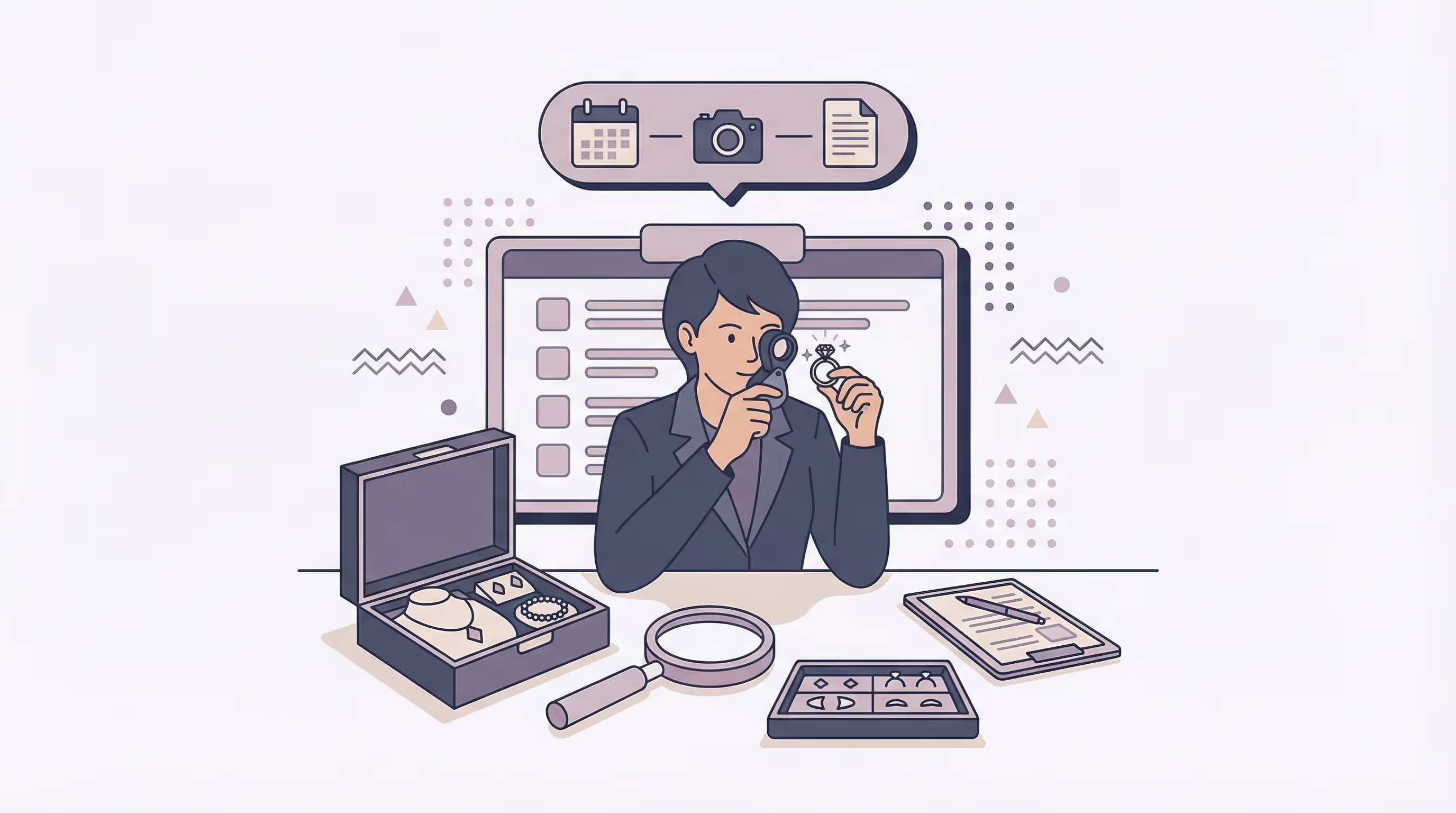
Getting your jewelry appraised can feel overwhelming, especially when you want to ensure you receive an accurate valuation. Whether you need an appraisal for insurance coverage, estate planning, or divorce proceedings, proper preparation makes all the difference in getting the most accurate assessment of your valuable pieces.
A jewelry appraisal is a professional evaluation that determines the current market value of your jewelry based on factors like materials, craftsmanship, condition, and market trends. The process typically takes 30 minutes to an hour per piece and costs between $100 to $500, depending on complexity. Most importantly, choosing a certified appraiser and preparing your items properly ensures you get a fair and accurate valuation that protects your investment.
Quick tip: Clean your jewelry before the appraisal and gather all original documentation, including receipts and certificates, to help the appraiser provide the most accurate assessment possible.
A jewelry appraisal goes beyond simply looking at your pieces. Professional appraisers examine every detail, from the quality of gemstones to the craftsmanship of settings. They use specialized tools like magnification loupes, scales, and testing equipment to determine the exact composition and weight of materials.
The appraiser compares your jewelry to current market standards and recent sales of similar pieces. They consider factors like brand reputation, rarity, and condition to arrive at a fair market value. This comprehensive evaluation becomes the foundation for insurance coverage, estate planning, or legal proceedings.
Different types of appraisals serve different purposes. Insurance appraisals focus on replacement value, while estate appraisals determine fair market value for tax purposes. Understanding the different types of jewelry appraisals helps you communicate clearly with your appraiser about your specific requirements.

Finding a qualified appraiser requires research and careful consideration. Start by looking for professionals with certifications from recognized organizations like the American Society of Appraisers or the International Society of Appraisers. These credentials indicate the appraiser has completed rigorous training and testing.
Ask for referrals from jewelers, insurance agents, or friends who have had positive appraisal experiences. Check online reviews and verify the appraiser's credentials through professional organizations. A reputable appraiser should willingly discuss their qualifications and experience with your specific type of jewelry.
Schedule a consultation before committing to the appraisal. This meeting allows you to assess their communication style, ask about their process, and discuss fees upfront. A professional appraiser will explain their methodology clearly and provide a written estimate of costs and timeframes. For more guidance on understanding pricing, check out understanding the cost of a jewelry appraisal.
Important note: Avoid appraisers who offer to buy your jewelry or work for jewelry stores where conflicts of interest might arise. Independent appraisers provide the most objective evaluations.
Proper preparation significantly impacts the accuracy of your appraisal. Start by gently cleaning your jewelry using appropriate methods for each piece. For most jewelry, warm soapy water and a soft brush work well, but avoid harsh chemicals or ultrasonic cleaners unless you know they are safe for your specific pieces.
Gather all relevant documentation before your appointment. This includes original receipts, previous appraisals, gemological certificates, insurance records, and any repair documentation. Even gift cards or letters that accompanied the jewelry can provide valuable provenance information.
Document TypePurposeImpact on AppraisalOriginal receiptsProof of purchase priceEstablishes baseline valueGIA certificatesGemstone verificationConfirms quality gradesPrevious appraisalsValue historyShows appreciation trendsRepair recordsCondition documentationAffects current value
Transport your jewelry safely to the appointment. Use a secure bag or case, and consider taking photographs beforehand for your records. If you have multiple pieces, organize them logically and make notes about any specific concerns or questions you want to discuss with the appraiser.
During the appraisal, stay engaged and ask questions about the process. A good appraiser will explain what they are examining and why certain factors affect value. This education helps you understand your jewelry better and makes future decisions easier. To learn more about what to expect during a jewelry appraisal, familiarize yourself with the typical procedures beforehand.
Be honest about the jewelry's history, including any repairs, modifications, or damage you are aware of. This transparency helps the appraiser provide the most accurate assessment and avoids surprises that could affect the final valuation.
The final appraisal report should include detailed descriptions, photographs, and clear explanations of how the value was determined. Review this document carefully and ask for clarification on any points you do not understand. Store the original report safely and keep digital copies in secure cloud storage. Once you receive your appraisal, learn about what to do after receiving a jewelry appraisal to maximize its value.
Pro tip: Update your appraisals every three to five years, or sooner if market conditions change significantly, to ensure your insurance coverage remains adequate.

Getting your jewelry properly appraised protects your investment and provides peace of mind. By choosing qualified professionals, preparing thoroughly, and staying engaged throughout the process, you ensure accurate valuations that serve your specific needs. Remember that a good appraisal is an investment in protecting your valuable pieces for years to come.
Bring all relevant documentation including original purchase receipts, GIA or AGS certificates, previous appraisals, insurance records, and any repair documentation. Even gift cards or letters that accompanied the jewelry can provide valuable provenance information that helps the appraiser provide a more accurate assessment.
Jewelry appraisals typically cost between $100 to $500 depending on the complexity of the piece, and the process usually takes 30 minutes to an hour per item. Simple pieces may cost $100-200, while complex or antique items can cost $500 or more. Always get a written estimate upfront that includes all fees and services.
Look for appraisers with certifications from recognized organizations like the American Society of Appraisers, International Society of Appraisers, or those with gemological training from GIA or AGS. Avoid appraisers who offer to buy your jewelry or work for jewelry stores where conflicts of interest might arise. Independent appraisers provide the most objective evaluations.
Gently clean your jewelry using warm soapy water and a soft brush, but avoid harsh chemicals or ultrasonic cleaners unless you know they're safe for your specific pieces. Transport your jewelry safely in a secure bag or case, and consider taking photographs beforehand for your records. Organize multiple pieces logically and make notes about any specific concerns.