







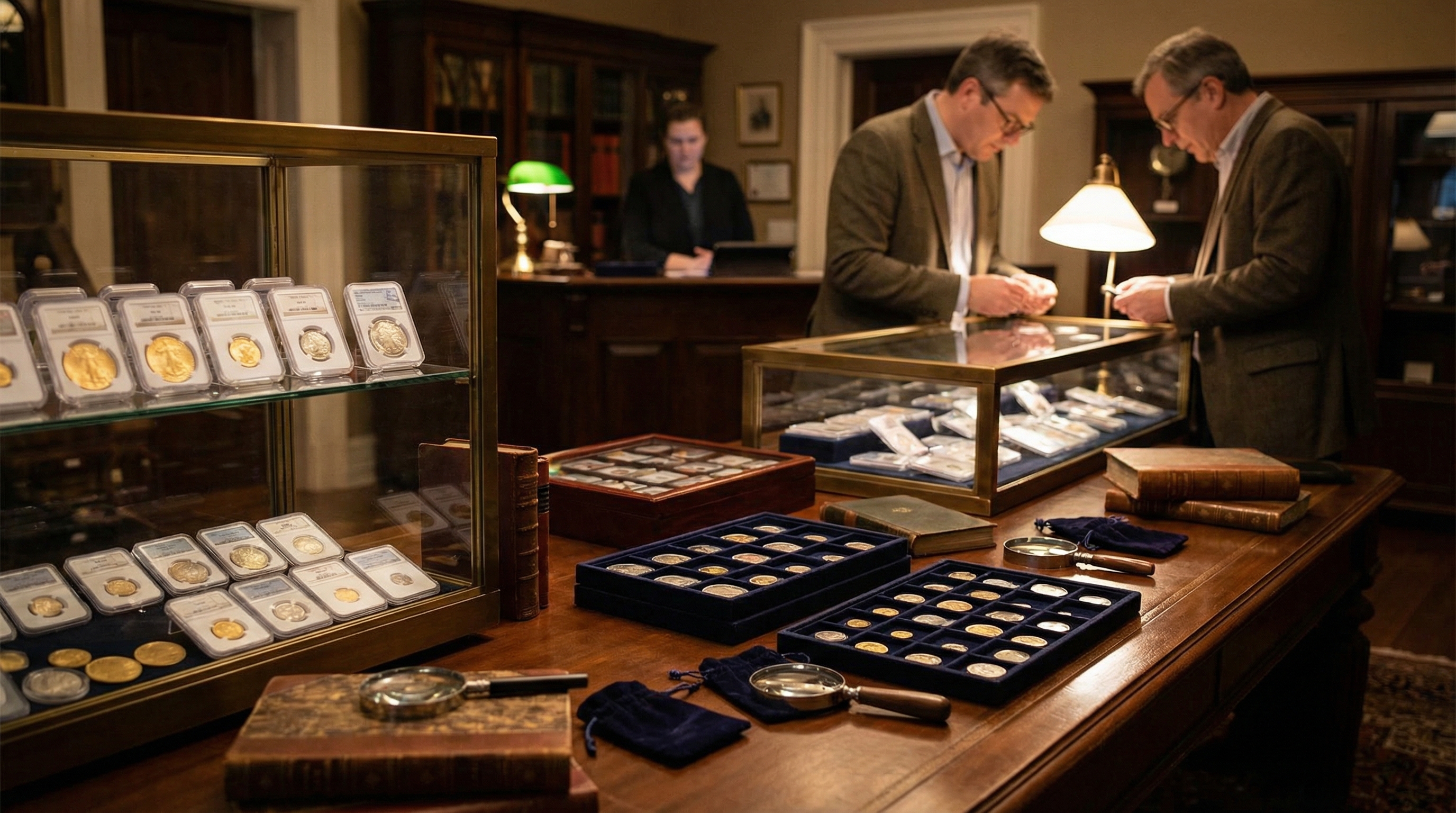
The secondary market for rare coins represents billions of dollars in transactions annually, yet many collectors and investors unknowingly leave money on the table when buying or selling. Whether you inherited a collection, discovered valuable coins, or want to invest in numismatics, understanding how this market works can mean the difference between maximizing your returns and accepting far less than your coins are worth.
The rare coin market has experienced significant growth, with increased interest from both traditional collectors and new investors seeking tangible assets. Unlike buying directly from mints, the secondary market involves transactions between collectors, dealers, auction houses, and investors where coins change hands based on current demand, rarity, and condition.
Quick Answer: The secondary market for rare coins includes auctions, dealers, online platforms, and private sales where previously owned coins are bought and sold. Success depends on understanding grading, authentication, market pricing, and choosing the right selling channel for your specific coins.
This guide will walk you through exactly how the secondary market operates, how prices are determined, where to buy and sell with confidence, and when professional appraisal becomes essential for protecting your investment.
The secondary market differs fundamentally from buying new coins directly from mints. In the primary market, you pay face value or a standard premium for newly minted coins. The secondary market, however, operates on supply and demand principles where previously owned coins trade at prices determined by collectors and investors.
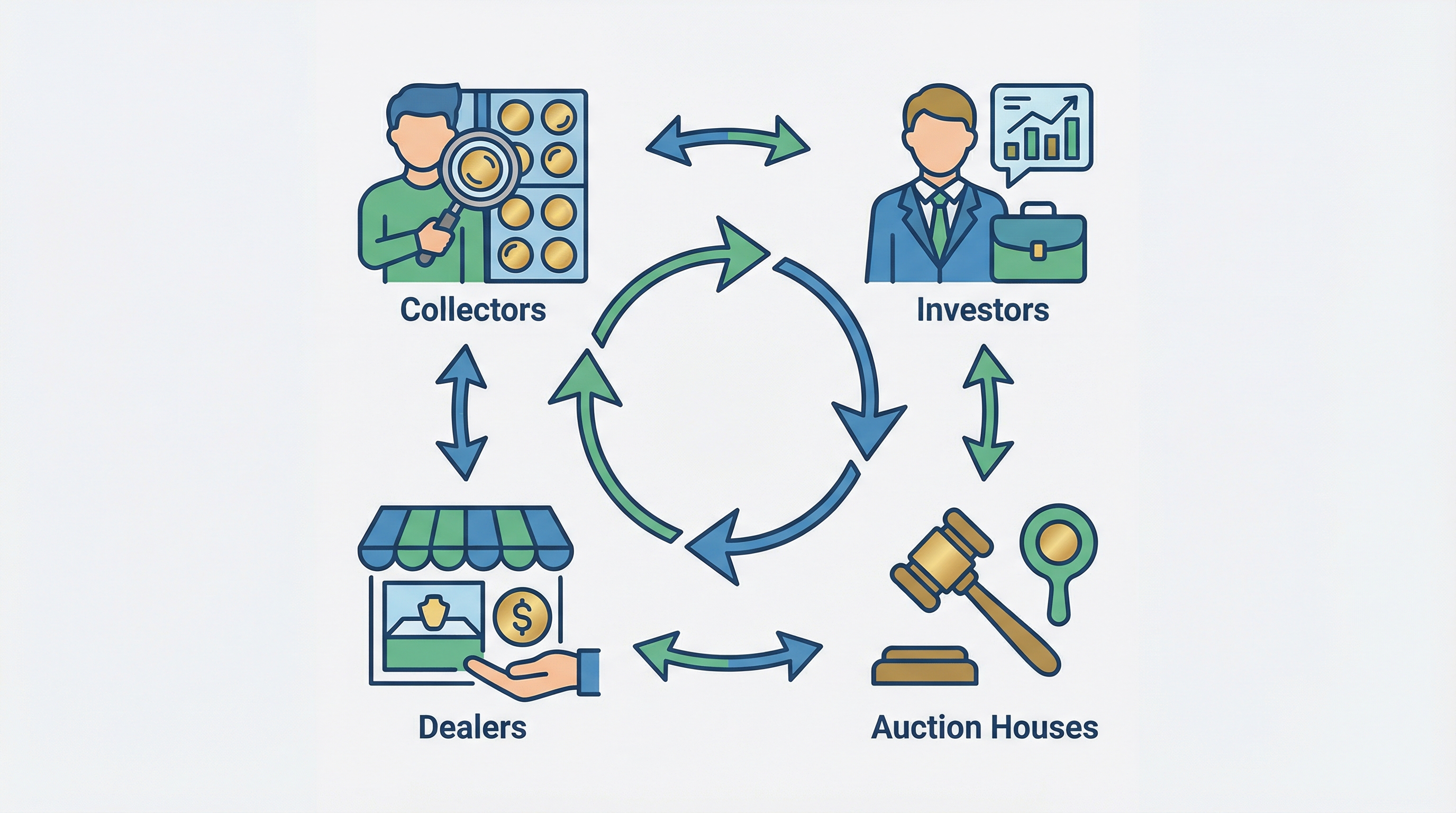
Think of it like the difference between buying a new car from a dealership versus purchasing a used car. The secondary market includes several key participants: private collectors looking to buy or sell, professional dealers who maintain inventory, auction houses that facilitate high-value transactions, and investors treating coins as alternative assets.
What makes this market unique is that each coin's value depends on multiple factors beyond its metal content. A Morgan silver dollar from 1921 might sell for $35, while the same coin from 1893-S could command $50,000 or more. This dramatic difference reflects rarity, collector demand, and historical significance rather than just silver content.
The secondary market also provides liquidity that the primary market cannot. When you want to sell coins, you're not returning them to the mint but finding other collectors or investors willing to pay current market prices. This creates opportunities for profit but also requires knowledge to avoid overpaying or underselling.
Pricing in the secondary market follows specific factors that every buyer and seller should understand. The most critical element is grade and condition, evaluated on a 70-point scale where higher numbers indicate better preservation. A coin graded MS-65 (Mint State 65) will typically sell for significantly more than the same coin graded MS-60, even though both are uncirculated.
Professional grading services like PCGS and NGC provide third-party authentication and grading that the market trusts. These services encapsulate coins in tamper-evident holders called "slabs" with grade certificates. Coins in these holders generally command higher prices because buyers have confidence in their authenticity and grade.
Rarity plays an equally important role. This includes the original mintage (how many were produced), survival rate (how many still exist), and current availability in the market. A coin with a mintage of 100,000 pieces might be rarer than one with 50,000 pieces if fewer survived in collectible condition.
Market Reality: The same coin can vary in price by 300% or more based solely on grade differences. A 1916-D Mercury dime in Good condition might sell for $1,200, while the same coin in MS-65 condition could bring $15,000.
Demand trends also influence pricing significantly. Certain series like Morgan dollars or Walking Liberty half dollars maintain strong collector interest, supporting higher prices. Market sentiment, precious metal prices, and even generational preferences affect what collectors are willing to pay at any given time. Understanding these investment strategies for collecting coins can help you make more informed purchasing decisions.
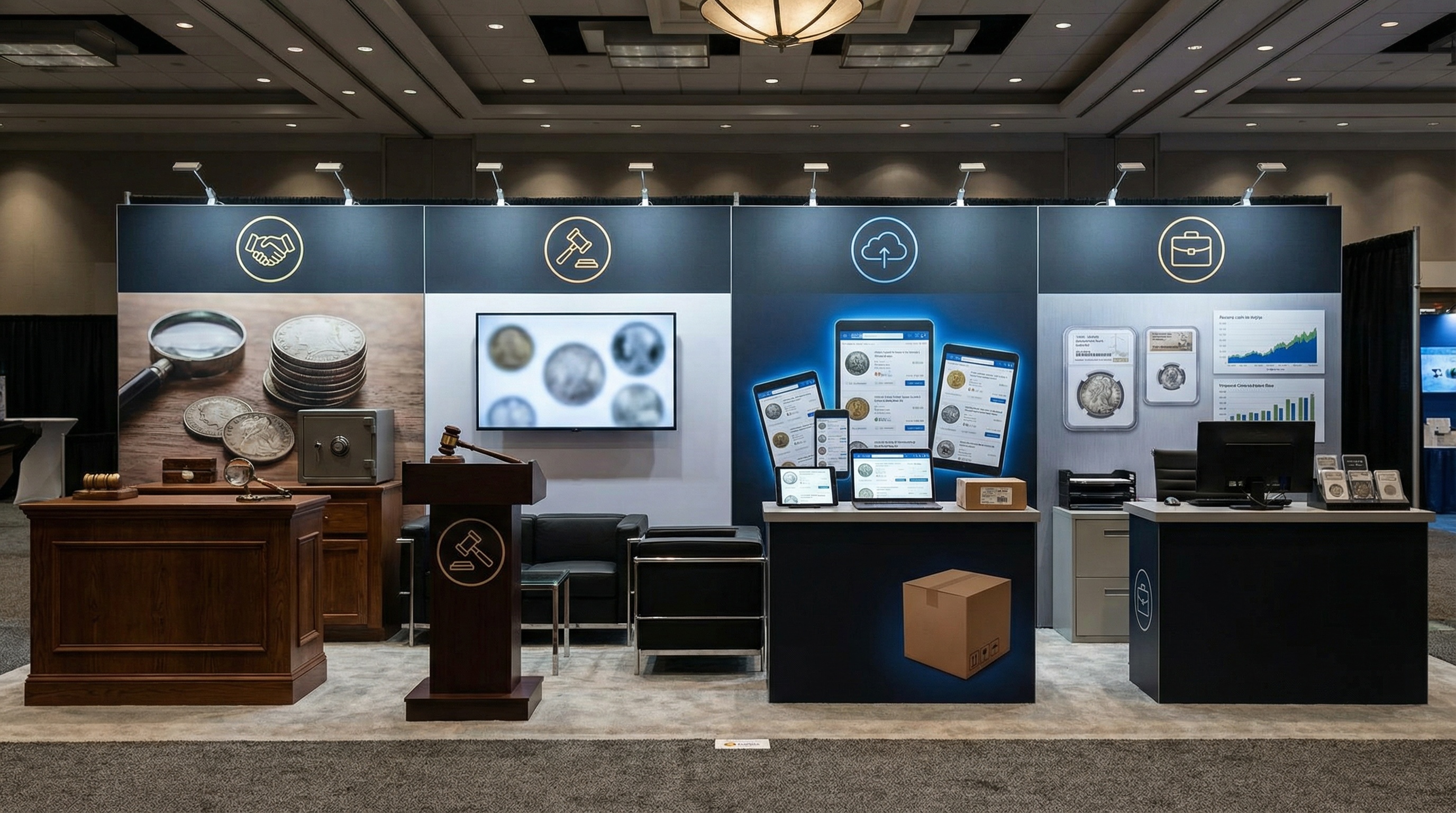
The secondary market offers multiple channels, each with distinct advantages and considerations. Local coin dealers provide personal service and immediate transactions but may have limited inventory or offer lower prices for purchases. They're excellent for beginners who want to examine coins in person and ask questions.
Major auction houses like Heritage Auctions handle high-value coins and collections, often achieving record prices for rare pieces. However, they charge seller's fees (typically 10-20%) and have minimum value requirements. Auctions work best for coins worth several thousand dollars or more.
Online marketplaces have revolutionized coin trading, offering vast inventory and competitive pricing. Platforms like eBay provide access to thousands of coins but require careful attention to seller ratings and return policies. Specialized numismatic sites often have more knowledgeable sellers and better authentication processes. Be aware of potential e-commerce scams in the coin market when shopping online.
ChannelBest ForTypical FeesSpeedRisk LevelLocal DealersBeginners, immediate needs10-30% spreadSame dayLowAuction HousesHigh-value coins10-20% seller fee2-3 monthsLowOnline MarketplacesWide selection3-13% fees1-2 weeksMediumPrivate SalesLarge collectionsNegotiableVariableHigh
Coin shows and clubs offer networking opportunities and access to dealers who might not have online presence. These venues allow you to examine coins personally and negotiate directly, but require travel and time investment.
Authentication should be your first concern when buying rare coins. Counterfeits exist for virtually every valuable coin, and some are sophisticated enough to fool casual observers. Third-party grading provides the highest level of authentication assurance, though it adds cost to each coin.
When examining ungraded coins, look for consistent wear patterns, proper weight and dimensions, and correct design details. Artificial aging, wrong fonts, or suspicious surface treatments often indicate counterfeits. If a deal seems too good to be true, it probably is.
Understanding grading basics helps you evaluate whether asking prices are reasonable. Learn to recognize the difference between circulated grades (Good, Very Fine, Extremely Fine) and uncirculated grades (MS-60 through MS-70). Even small grade differences can dramatically affect value. Before making any significant purchase, it's wise to properly prepare for a coin appraisal to understand what you're buying.
Research recent sales data using resources like auction records, price guides, and dealer listings. Prices can vary significantly based on market conditions, so understanding fluctuations in coin prices helps you make informed decisions. Don't rely solely on outdated price guides or wishful thinking about values.
Authentication Tip: When buying expensive coins without third-party grading, consider making the sale contingent on authentication by a recognized grading service. Legitimate sellers will usually agree to this condition.
Consider getting an independent appraisal for significant purchases, especially when buying collections or high-value individual coins. Professional appraisers can verify authenticity, assess condition accurately, and provide market value opinions that protect your investment. This is particularly important for insurance purposes or when the coins will be part of an estate.
Rare coins can serve as alternative investments, but they require different considerations than stocks or bonds. The market is less liquid, meaning you can't sell instantly at current market prices. Plan for holding periods of several years to allow market cycles to work in your favor.
Successful coin investing focuses on quality over quantity. Better to own fewer coins in superior condition than many coins in poor condition. High-grade examples of popular series tend to maintain value better during market downturns and appreciate more during strong periods.
Diversification within your coin portfolio helps manage risk. Consider different series, time periods, and price ranges rather than concentrating everything in one area. This approach provides more opportunities for appreciation and reduces the impact if one segment underperforms.
Understanding your exit strategy is crucial before buying. Consider how and when you might sell, what channels would work best for your coins, and what costs you'll face. Factor these considerations into your purchase decisions to ensure realistic return expectations. Learning about the different types of coin appraisals can help you plan for various scenarios.
Professional appraisal becomes essential when treating coins as serious investments. Regular appraisals help track portfolio performance, support insurance coverage, and provide documentation for estate planning. Getting regular appraisals for your coins ensures you maintain accurate records of your investment's value. AppraiseItNow offers comprehensive coin appraisals that meet professional standards for investment, insurance, and legal purposes.
The secondary market for rare coins offers opportunities for both collectors and investors, but success requires knowledge, patience, and careful decision-making. By understanding how prices are determined, choosing appropriate buying and selling channels, and focusing on authentication and quality, you can navigate this market with confidence. Whether you're building a collection or diversifying investments, professional guidance through certified appraisals ensures you make informed decisions that protect and enhance your coin portfolio's value.
The secondary market for rare coins is the ecosystem of dealers, auction houses, online marketplaces, shows, and private transactions where coins are traded after their original release from the mint. Here, prices are determined by recent sales, collector demand, and grading rather than by face value.
Yes. A USPAP-compliant appraisal from a qualified appraiser helps you understand your coin's fair market value, condition, and marketability before you negotiate with dealers or consign to auction. This documentation is also useful for insurance, estate planning, charitable donations, and tax reporting.
Key factors include authenticity, grade, rarity, eye appeal, and current demand for the series. Certification by PCGS or NGC, original surfaces, low mintages, key dates, and desirable mint marks typically increase value, while cleaning, damage, or environmental problems can reduce it significantly.
You can buy rare coins safely from established coin dealers, major auction houses, and reputable online marketplaces that specialize in certified coins. Look for membership in recognized numismatic organizations, third-party grading by PCGS or NGC, clear return policies, and transparent descriptions with high-quality images.




