













You just inherited a box of old coins from your grandmother, or maybe you've been collecting for years and need to know what your collection is actually worth. Getting your coins professionally appraised might seem overwhelming, but it's essential for insurance coverage, estate planning, charitable donations, or simply understanding your collection's true value.
A certified coin appraisal typically costs between $75-$200 per hour and takes 1-3 hours depending on your collection size. Professional appraisers must hold credentials from organizations like the American Society of Appraisers (ASA) or International Society of Appraisers (ISA) and follow USPAP standards to provide legally defensible valuations.
Pro Tip: Avoid "free" coin appraisals from dealers who want to buy your coins. These evaluations often undervalue your collection since the appraiser has a financial interest in purchasing your items at below-market prices.
This guide walks you through exactly how to get your coins appraised by qualified professionals, what credentials to look for, and how to prepare for the process. By the end, you'll know how to find a certified coin appraiser near you and avoid costly mistakes that could leave you underinsured or underselling valuable pieces.
Getting a professional coin appraisal serves several critical purposes beyond simple curiosity. Insurance companies require formal appraisals to provide adequate coverage for valuable coin collections. Without proper documentation, you might receive only a fraction of your collection's value if theft or damage occurs.
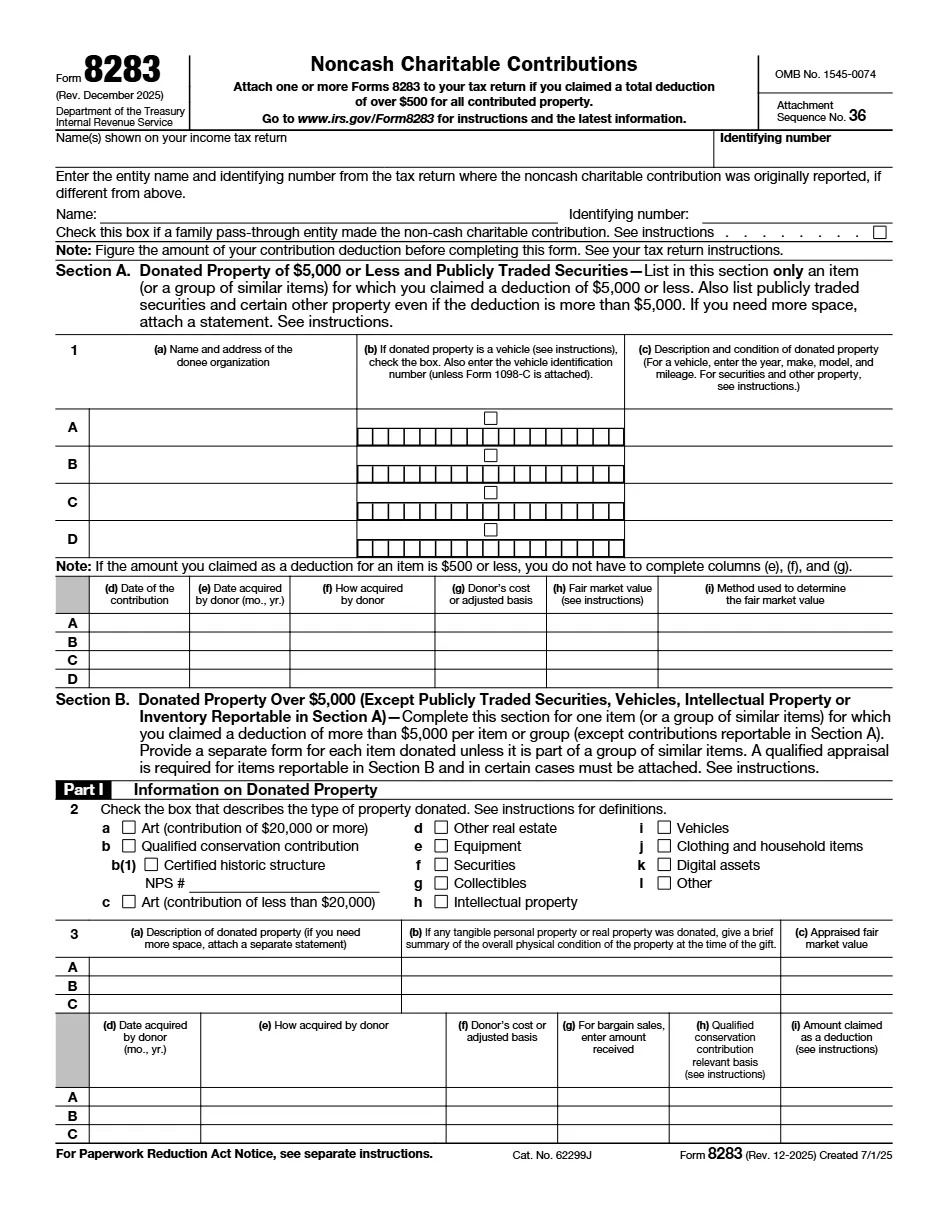
Estate planning and divorce proceedings also demand certified appraisals to establish fair market value for legal purposes. The IRS requires qualified appraisals for charitable donations over $5,000, and these must come from USPAP-compliant appraisers to avoid tax complications. Understanding the legal implications of coins appraisals can help you navigate these complex requirements.

Professional appraisals differ significantly from casual estimates you might get at local coin shops. While a dealer might give you a quick opinion, certified appraisers provide detailed written reports with photographs, research documentation, and market analysis that courts, insurance companies, and the IRS will accept.
The key difference lies in objectivity. Professional appraisers have no financial interest in buying your coins, so they provide unbiased valuations based on current market conditions and established grading standards. To learn more about the value of your coins and what you need to know, consider consulting with a certified professional.
Getting your coins appraised follows a straightforward five-step process. First, determine your appraisal purpose since this affects the type of valuation you need. Insurance appraisals focus on replacement value, while estate appraisals determine fair market value for tax purposes. Understanding the different types of coin appraisals will help you choose the right approach.
Next, decide between in-person and online appraisal services. Complex or extremely valuable collections benefit from in-person examination, while straightforward collections can often be appraised remotely through high-quality photographs and detailed descriptions.
Research certified coin appraisers in your area using professional association directories. The American Society of Appraisers and International Society of Appraisers maintain searchable databases of qualified members. Look for appraisers with specific numismatic experience and relevant credentials.
Prepare your coins and documentation before the appointment. Gather purchase receipts, certificates of authenticity, grading certificates from NGC or PCGS, and any previous appraisals. Organize coins by type, country, and date to streamline the process. For detailed guidance on how to properly prepare for a coin appraisal, review best practices before your appointment.
Finally, review your completed appraisal report carefully. Ensure all coins are accurately described and photographed. Store the original report in a safe place and provide copies to your insurance company or attorney as needed.
Important: Never clean your coins before an appraisal. Cleaning can significantly reduce value and damage the coin's surface. Professional appraisers evaluate coins in their current condition.
Qualified coin appraisers must hold professional credentials from recognized appraisal organizations. The most respected designations include Accredited Senior Appraiser (ASA) from the American Society of Appraisers, Certified Appraiser of Personal Property (CAPP) from the International Society of Appraisers, and membership in the Appraisers Association of America.
Beyond general appraisal credentials, look for numismatic expertise. Membership in the American Numismatic Association (ANA) demonstrates specialized coin knowledge. Some appraisers also hold Certified Coin Dealer (CCD) designations or have extensive experience in coin trading and grading.
CredentialOrganizationFocus AreaASAAmerican Society of AppraisersGeneral appraisal standardsISA CAPPInternational Society of AppraisersPersonal property specializationANAAmerican Numismatic AssociationNumismatic expertiseCCDProfessional Numismatists GuildCoin dealing experience
USPAP compliance is non-negotiable for legal and tax purposes. The Uniform Standards of Professional Appraisal Practice ensure your appraisal meets federal requirements for IRS, court, and insurance use. Always verify that your appraiser follows USPAP standards and can provide IRS-qualified reports.
Experience with your specific coin types matters significantly. An appraiser specializing in ancient coins might not be the best choice for modern American silver dollars. Ask about their experience with coins similar to yours and request examples of previous appraisal reports. Learn more about appraising historic coins and medals to understand specialized expertise.

Start by verifying membership in professional organizations through their official websites. The American Society of Appraisers and International Society of Appraisers maintain online directories where you can confirm active membership and any disciplinary actions.
Check online reviews and ask for references from recent clients. Reputable appraisers willingly provide contact information for previous customers who can speak to their professionalism and accuracy. Pay attention to reviews mentioning insurance claim acceptance and IRS approval of their reports.
Request to see sample appraisal reports to evaluate their thoroughness and professionalism. Quality reports include detailed photographs, comprehensive descriptions, market research citations, and clear methodology explanations. Avoid appraisers who refuse to share examples of their work.
Watch for red flags that indicate potential problems. Be wary of appraisers who charge fees based on a percentage of appraised value, as this creates a conflict of interest. Similarly, avoid appraisers who offer to buy your coins immediately after the appraisal, as this suggests they may have undervalued your collection. To better understand what to expect when getting your coins appraised, familiarize yourself with industry standards.
Professional appraisers maintain liability insurance and can provide proof of coverage. This protection ensures you have recourse if errors in the appraisal cause financial losses. Always ask about insurance coverage before hiring an appraiser.
Getting your coins professionally appraised protects your investment and ensures you have accurate documentation for insurance, legal, and tax purposes. The process requires finding qualified, certified appraisers who follow industry standards and have specific experience with your type of collection.
Take time to research potential appraisers thoroughly, verify their credentials, and prepare your coins and documentation properly. A quality appraisal from a reputable professional provides peace of mind and accurate valuation that serves you well for years to come. For those just starting out, a beginner's guide to coin appraisals offers additional foundational knowledge.
At AppraiseItNow, our USPAP-compliant appraisers specialize in coin collections and provide detailed reports accepted by insurance companies, courts, and the IRS nationwide. Contact us today to discuss your coin appraisal needs and receive a quote for professional valuation services.
Professional coin appraisals typically cost between $75-$200 per hour, with most collections taking 1-3 hours depending on size and complexity. Many appraisers charge either an hourly fee or a flat project fee rather than a percentage of your coins' value. Costs may be higher for large estates, high-value rarities, or assignments requiring extensive research. Avoid appraisers who charge percentage-based fees, as this creates a conflict of interest.
Look for formal credentials from organizations like the American Society of Appraisers (ASA) or International Society of Appraisers (ISA), plus numismatic expertise through the American Numismatic Association (ANA). Verify their membership status through official directories, ask for sample reports and client references, and confirm they follow USPAP standards. Qualified appraisers should specialize in coins, work on a fee-only basis, and have no financial interest in purchasing your collection.
Free coin appraisals from dealers or online tools are typically estimates designed for purchasing coins profitably, not independent valuations. While some auction houses offer free evaluations for potential consignments, these aren't equivalent to formal appraisal reports. For insurance, estates, donations, or legal purposes, you need a paid, written appraisal from an accredited appraiser with no financial stake in buying your coins.
Organize your coins by type, date, and denomination, and gather all documentation including purchase receipts, certificates of authenticity, grading certificates from NGC or PCGS, and any previous appraisals. Take clear photos of both sides of valuable pieces and create a basic inventory list. Never clean your coins before appraisal, as this can significantly reduce their value. Proper preparation saves time and costs while improving appraisal accuracy.