How to Get the Most Out of an Antiques Appraisal

Last Updated on Dec 09, 2025
Originally Published on Dec 09, 2025
Thank you! Your submission has been received!
Oops! Something went wrong while submitting the form.
Nationwide Service
Onsite or Online
USPAP-Compliant
IRS Qualified
DEFENSIBLE, USPAP-COMPLIANT APPRAISAL REPORTS — ACCEPTED BY 10,000+ ORGANIZATIONS
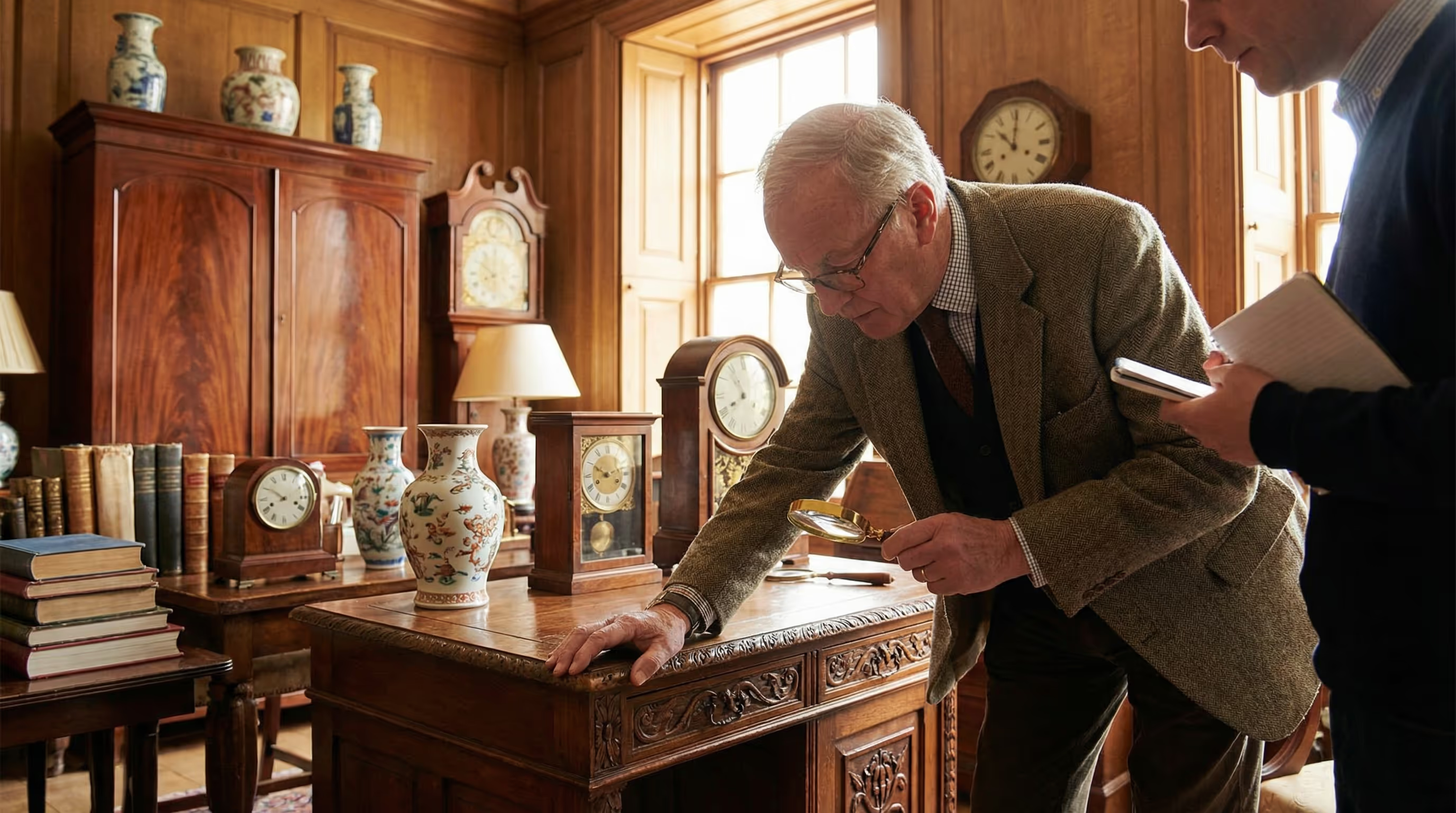
Antique Appraisal Process Professional Examining Vintage Items

You just inherited a collection of family antiques, or your insurance company is asking for a certified appraisal—but you're not sure what that really means or how to avoid overpaying for one. An antiques appraisal is a professional evaluation that determines the monetary value of your items based on current market conditions, condition, and authenticity. Getting this process right can save you thousands in insurance premiums, help you make informed decisions about selling, and ensure proper documentation for estate planning.

The key to maximizing your appraisal investment lies in understanding what you need, choosing the right professional, and preparing thoroughly. Here's what you'll learn: how to define your appraisal goals, select qualified appraisers, prepare your items properly, and leverage the results for insurance and estate planning.

Quick Answer: Start by clarifying why you need the appraisal (insurance, estate, sale), research certified appraisers with relevant credentials, gather all documentation and clean items carefully, and plan for post-appraisal actions like insurance updates or estate documentation.

Understanding What You Want From Your Appraisal

Before contacting any appraiser, you need to be crystal clear about your purpose. Different situations require different types of value assessments, and this affects both the cost and the final report format.

Are you looking to insure a recently inherited Victorian sideboard? You'll need replacement value for insurance purposes. Planning to donate items for a tax deduction? Fair market value is what the IRS requires. Going through a divorce and need to split assets? You might need liquidation value to understand what items would actually sell for quickly.

Appraisal Value Types Comparison Chart

PurposeValue Type NeededTypical Use CaseInsuranceReplacement ValueCovers cost to replace with similar itemEstate PlanningFair Market ValueWhat item would sell for between willing partiesCharitable DonationFair Market ValueRequired for tax deduction documentationDivorce SettlementFair Market/LiquidationActual selling price in current market

Your purpose also determines how detailed the documentation needs to be. Insurance appraisals require extensive photos and condition reports. Estate appraisals might need less detail but must follow specific legal standards. Understanding this upfront helps you communicate clearly with potential appraisers and avoid paying for unnecessary services.

Choosing a Qualified Antique Appraiser

Not all appraisers are created equal, and the wrong choice can cost you money or create legal problems down the road. Look for appraisers who hold credentials from recognized organizations like the American Society of Appraisers (ASA), the International Society of Appraisers (ISA), or the Appraisers Association of America (AAA).

Ask potential appraisers about their specific experience with your type of items. Someone who specializes in 20th-century furniture might not be the best choice for evaluating 18th-century porcelain. Request references from recent clients and verify them. A reputable appraiser should be happy to provide contact information for previous customers.

Watch for red flags during your initial conversations. Be wary of appraisers who quote fees based on a percentage of the item's value, as this creates a conflict of interest. Avoid anyone who offers to buy your items during the appraisal process. Professional appraisers charge either hourly rates or flat fees per item, and they maintain strict boundaries between appraisal and sales activities.

Pro Tip: Ask if the appraiser's reports are USPAP-compliant (Uniform Standards of Professional Appraisal Practice). This ensures the appraisal will be accepted by courts, insurance companies, and the IRS.

Preparing Your Items Before the Appraisal

Proper preparation can significantly reduce your appraisal costs and improve accuracy. Start by gathering any documentation you have about each item. This includes purchase receipts, previous appraisals, certificates of authenticity, or family stories about provenance. Even informal documentation like old photos showing the items in your grandparents' home can be valuable.

Organize items by category or room to make the appraiser's job more efficient. Most appraisers charge by the hour, so anything you can do to streamline their work saves you money. Create a simple list of items you want appraised, noting any damage or repairs you're aware of.

Clean items carefully, but don't attempt major restoration. Light dusting is fine, but avoid using cleaning products that might damage finishes or remove important maker's marks. Take clear, well-lit photos of each item from multiple angles, including close-ups of any signatures, stamps, or identifying marks. These photos serve as backup documentation and can speed up the appraisal process.

Antique Preparation Organized Items Documentation

If you're having a large collection appraised, consider grouping similar items together. This helps the appraiser work more efficiently and can sometimes result in volume discounts for the appraisal fee. For specific types of antiques, you may want to review how to prepare for an antique furniture appraisal or preparing for an antique jewelry appraisal to understand category-specific requirements.

What Happens During the Appraisal Process

Understanding what your appraiser will do helps you prepare better questions and ensures you get full value from the appointment. Professional appraisers follow a systematic process that includes examining each item's construction, materials, condition, and any identifying marks or signatures.

They'll measure items, photograph them extensively, and research comparable sales data. For valuable pieces, they might use specialized tools to test materials or examine construction techniques. This process can take anywhere from a few minutes for simple items to an hour or more for complex pieces.

Come prepared with specific questions about each item. Ask about the factors that most influence value, any condition issues that affect worth, and how the current market is performing for similar pieces. Find out if the appraiser sees any restoration or repairs that might not be obvious to you.

Essential Questions: What specific features make this item valuable? Are there any condition issues I should address? How does the current market look for similar pieces? When should I consider getting this reappraised?

The final appraisal report should include detailed descriptions, photographs, methodology used to determine value, and the appraiser's credentials. Review this document carefully when you receive it, and don't hesitate to ask for clarification on any points that aren't clear. Learn more about what to expect from an antiques appraisal to better understand the process.

After the Appraisal: Insurance and Estate Planning

Getting the appraisal is just the beginning. Now you need to act on the information to protect your investment. If you're insuring valuable antiques, contact your insurance agent immediately to discuss coverage options. Standard homeowners policies typically have low limits for antiques and collectibles, often just $1,000 to $2,500 total.

Consider a scheduled personal property floater for high-value items. This specialized coverage protects against a broader range of risks and typically doesn't require a deductible. Your insurance company will need the formal appraisal report to set up this coverage. Understanding the role of antiques appraisals in insurance claims can help you maximize your coverage.

For estate planning purposes, share copies of appraisal reports with your attorney and financial planner. These documents help ensure valuable items are properly accounted for in your will and can simplify the estate settlement process for your heirs. Keep digital copies of all appraisal reports in a secure, accessible location.

Remember that appraisals have expiration dates for most purposes. Insurance companies typically accept appraisals for three to five years, while the IRS may require more recent valuations for charitable donations. Plan to update appraisals regularly, especially if market conditions change significantly or if items are damaged or restored. Consider reading about when is the best time to get an antiques appraisal to stay on top of your appraisal schedule.

Getting the most from your antiques appraisal requires thoughtful preparation, careful selection of qualified professionals, and strategic follow-up actions. When you invest time in understanding your needs, choosing the right appraiser, and preparing thoroughly, you'll receive accurate valuations that serve your purposes for years to come. Whether you're protecting family heirlooms through insurance or making informed decisions about your collection's future, a well-executed appraisal process provides the foundation for confident decision-making about your valuable antiques.

FAQ

How much does an antique appraisal typically cost?

Antique appraisals typically cost between $300-$600 for most items, with fees based on hourly rates ($100-$300/hour) or flat per-item charges. Avoid appraisers who charge a percentage of the item's value, as this creates a conflict of interest. Complex items requiring extensive research or collections with many pieces may cost more.

Can I get an antique appraisal online?

Yes, online antique appraisals are available for many items and can be suitable for insurance or general valuation purposes. However, for IRS-qualified appraisals, legal disputes, or high-value items requiring detailed examination, an in-person USPAP-compliant appraisal may be necessary. Online appraisals work best when you can provide clear, detailed photos from multiple angles.

What documents do I need for an antique appraisal?

Gather any purchase receipts, previous appraisals, certificates of authenticity, repair records, and provenance documentation. Include family stories, old photographs showing the items, and any correspondence about the pieces. Even informal documentation can help establish history and authenticity, which significantly impacts value.

How often should I get my antiques reappraised?

Antiques should be reappraised every 3-5 years to maintain accurate insurance coverage and estate planning. Update appraisals sooner if there are significant market changes, after restoration work, or following major life events like inheritance or divorce. Insurance companies typically accept appraisals for 3-5 years before requiring updates.

Related Appraisals We Offer

Related Articles

BEST-IN-CLASS APPRAISERS, CREDENTIALED BY: