How to Get Coins Appraised and Tell If They're Real: Complete 2025 Guide

Last Updated on Oct 26, 2025
Originally Published on Oct 26, 2025
Thank you! Your submission has been received!
Oops! Something went wrong while submitting the form.
Nationwide Service
Onsite or Online
USPAP-Compliant
IRS Qualified
DEFENSIBLE, USPAP-COMPLIANT APPRAISAL REPORTS — ACCEPTED BY 10,000+ ORGANIZATIONS
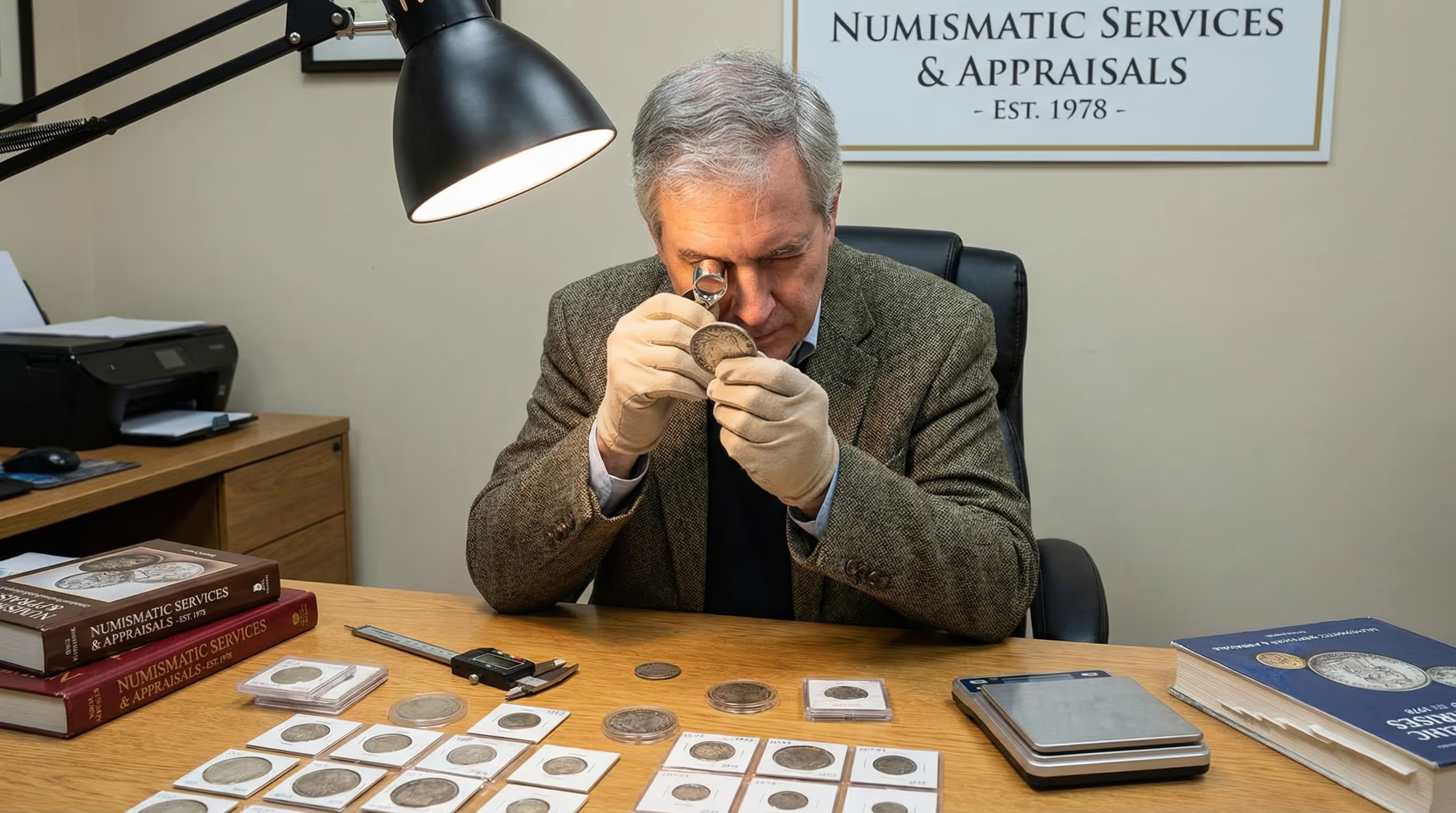
professional coin appraiser examining vintage coins with magnifying glass and grading tools

Whether you've inherited a collection, found an old coin in your attic, or invested in precious metals, two questions likely keep you up at night: "How do I tell if this coin is real or fake?" and "How do I get this coin professionally valued without being ripped off?"

You're not alone in these concerns. Counterfeit coins flood the market, and determining authentic value requires expertise most collectors don't possess. The difference between a genuine 1909-S VDB penny and a clever fake could mean thousands of dollars.

Quick Answer: Professional coin appraisals typically cost $50-200 per coin and take 1-2 weeks. Authentication involves checking weight, dimensions, and surface details against known specifications.

This guide walks you through how to assess your coins, understand what affects their value, navigate the professional appraisal process, and protect your collection long-term. At AppraiseItNow, we provide USPAP-compliant, IRS-qualified coin appraisals accepted by courts, insurers, and tax authorities nationwide.

What is a coin appraisal and why it matters

A coin appraisal is a professional assessment that determines the fair market value of your coins based on current market conditions, rarity, condition, and demand. Unlike casual estimates from coin shops or online calculators, formal appraisals provide written documentation that stands up to scrutiny from insurance companies, courts, and the IRS.

You need a formal written appraisal when selling high-value pieces, insuring your collection, settling estates, or making charitable donations above $5,000. For casual curiosity or basic insurance coverage, an informal opinion might suffice.

Professional appraisals support critical financial decisions. They help you avoid underselling valuable pieces, ensure adequate insurance coverage, and meet legal requirements for estate planning or tax purposes. USPAP-compliant reports carry legal weight and professional credibility that casual evaluations simply cannot match.

Numismatic vs bullion coins: Two types of value

Understanding whether your coins are numismatic or bullion dramatically changes how you approach valuation. This distinction affects everything from storage to selling strategy.

AspectNumismatic CoinsBullion CoinsValue SourceRarity, condition, historyMetal content, spot priceTypical ExamplesMorgan dollars, rare datesAmerican Eagles, Maple LeafsMarket VolatilityModerate to highTracks metal pricesCollector InterestHigh for rare piecesInvestment-focused

Numismatic coins derive value from their collectible nature. A 1916-D Mercury dime in excellent condition might sell for $2,000, while the same coin heavily worn brings $50. The silver content remains identical, but condition and rarity create the premium.

Bullion coins trade primarily on metal content. A one-ounce American Gold Eagle fluctuates with gold spot prices plus a small premium for minting and dealer markup. While some bullion develops numismatic premiums over time, most investors buy them purely for precious metal exposure.

side by side comparison of numismatic Morgan silver dollar and modern bullion American Eagle coin

How to get a coin valued step-by-step

Getting accurate coin values requires systematic research and, often, professional expertise. Here's how to approach the process methodically.

Step 1: Identify your coin completely
Locate the date, mint mark, and denomination using good lighting and magnification. Mint marks appear as small letters near the date or on the reverse. Document everything with clear, well-lit photographs showing both sides and any unique features.

Step 2: Check physical specifications
Measure weight, diameter, and thickness if possible. Counterfeit coins often have incorrect dimensions or weight. A genuine 1964 Kennedy half dollar weighs 12.5 grams and measures 30.6mm in diameter. Significant deviations suggest problems.

Step 3: Assess condition honestly
Coin condition dramatically affects value. Look for wear on high points, scratches, discoloration, or cleaning damage. Professional grading uses precise standards, but you can distinguish between heavily circulated, lightly worn, and uncirculated pieces for preliminary research.

Pro Tip: Never clean coins before appraisal. Cleaning destroys numismatic value and can reduce worth by 50-90% even if done "carefully."

Step 4: Research recent sales data
Check completed auction results on reputable sites, not asking prices. Price guides provide baselines, but actual transaction data reveals current market reality. Focus on coins in similar condition sold within the past six months.

Step 5: Contact a professional appraiser
For valuable pieces or formal documentation needs, professional appraisal becomes essential. Provide clear photos, detailed descriptions, and specify your appraisal purpose when requesting services.

How to tell if a coin is real or fake

Counterfeit detection requires careful observation and sometimes professional equipment. Start with simple checks before moving to advanced authentication methods.

Common counterfeit warning signs
Fake coins often display blurred details, incorrect fonts, wrong colors, or visible seam lines from casting. Genuine coins have sharp, crisp details with consistent depth and proper metallic luster. Surface texture should feel appropriate for the claimed age and metal composition.

Simple at-home authentication tests
Compare your coin against high-quality images of genuine examples, focusing on font styles, spacing, and design elements. Weigh the coin and measure dimensions against published specifications. Use a magnet to test for ferrous metals in coins that should be non-magnetic, though remember that non-magnetic doesn't guarantee authenticity.

The "ring test" works for some silver coins. Genuine silver produces a clear, sustained ring when tapped gently. However, avoid this test on valuable or fragile pieces, as damage risk outweighs diagnostic benefit.

When professional authentication becomes necessary
High-value coins, rare dates, and key error pieces warrant professional authentication through established grading services. Third-party certification provides independent verification and often increases marketability. The cost of certification becomes worthwhile when it confirms authenticity and precise grade for valuable pieces.

magnifying glass examining coin details with comparison chart showing genuine vs counterfeit features

How professionals determine coin value

Professional appraisers use systematic methodology combining technical knowledge, market data, and standardized grading practices to establish accurate valuations.

Condition and grading standards
Appraisers use established grading scales from Poor (P-1) to Perfect Uncirculated (MS-70). Small grade differences create large value gaps. A Morgan dollar grading MS-63 might bring $150, while the same coin in MS-65 condition commands $800.

Rarity, mintage, and survival rates
Original mintage numbers provide starting points, but survival rates matter more. The 1916-D Mercury dime had a relatively small mintage of 264,000 pieces, but high collector demand means most survivors are well-preserved, affecting pricing dynamics.

Market demand fluctuates based on collector interest, economic conditions, and precious metal prices. Professional appraisers track these trends and adjust valuations accordingly, ensuring appraisals reflect current market reality rather than outdated price guides.

Documentation and comparable sales analysis
Appraisers research recent auction results, dealer transactions, and market trends to establish fair market value. They document methodology, provide detailed descriptions, and explain how various factors influenced the final valuation conclusion.

Important: Professional appraisals consider intended use. Insurance replacement value typically exceeds fair market value, while liquidation value falls below it.

Getting your coins properly appraised protects your financial interests whether you're buying, selling, insuring, or planning your estate. Professional documentation provides the credibility and legal standing that informal opinions cannot match. At AppraiseItNow, our certified appraisers deliver USPAP-compliant reports accepted by insurers, courts, and tax authorities nationwide, giving you confidence in your coin-related decisions.

FAQ

How much does it cost to get a coin appraised?

Professional coin appraisals typically cost $50-200 per coin, depending on the complexity and value of the piece. Most qualified appraisers charge hourly rates ($100-300/hour) or project-based fees rather than a percentage of the coin's value. At AppraiseItNow, we provide transparent pricing and USPAP-compliant reports that are accepted by insurers, courts, and the IRS.

Can I get my coins appraised online?

Yes, many professional appraisers including AppraiseItNow can provide accurate appraisals from high-quality digital photos and documentation. Online appraisals work well for most coins, though very high-value collections or complex authentication cases may require in-person inspection. The process typically takes 1-2 weeks and results in a formal written report.

Should I clean my coins before getting them appraised?

Never clean coins before an appraisal. Cleaning removes original patina, can cause microscopic scratches, and often reduces a coin's value by 50-90% even when done "carefully." Professional appraisers need to see coins in their original condition to provide accurate valuations. Handle coins by their edges and store them in acid-free holders instead.

What's the difference between a coin appraisal and a dealer's offer?

A professional appraisal provides an independent assessment of fair market value based on current market conditions and recognized standards, while a dealer's offer is what one buyer is willing to pay (typically 60-80% of market value to allow for resale profit). USPAP-compliant appraisals carry legal weight for insurance, estate, and tax purposes, whereas dealer offers are simply purchase proposals.

Related Appraisals We Offer

Related Articles

BEST-IN-CLASS APPRAISERS, CREDENTIALED BY: