How to Get an Accurate Antique Silver Appraisal in 2025

Last Updated on Dec 12, 2025
Originally Published on Dec 12, 2025
Thank you! Your submission has been received!
Oops! Something went wrong while submitting the form.
Nationwide Service
Onsite or Online
USPAP-Compliant
IRS Qualified
DEFENSIBLE, USPAP-COMPLIANT APPRAISAL REPORTS — ACCEPTED BY 10,000+ ORGANIZATIONS
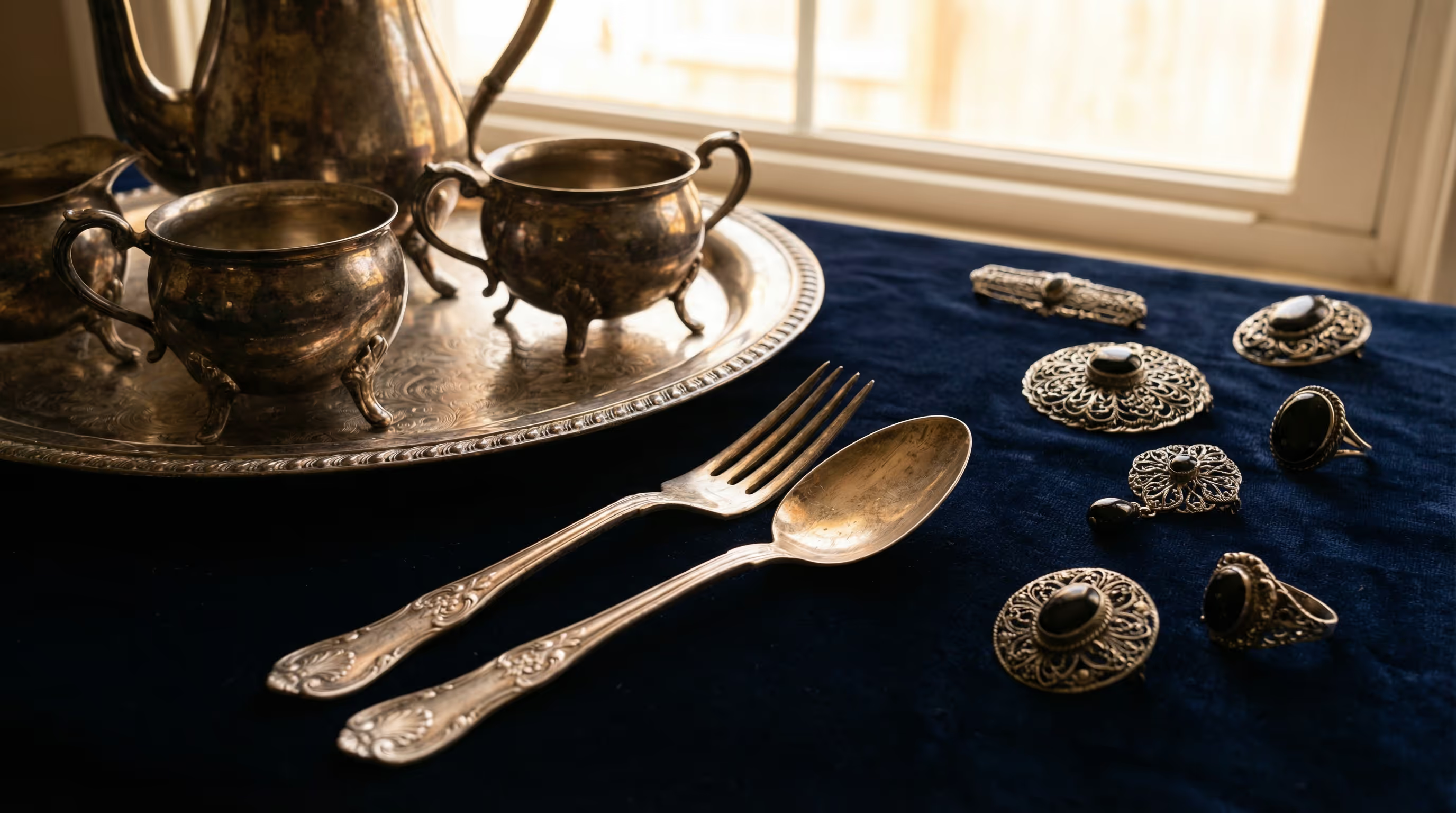
antique silver collection with various pieces including tea sets, candlesticks, and serving pieces arranged on elegant table

Getting your antique silver properly appraised can mean the difference between receiving thousands of dollars or settling for a fraction of its true worth. Whether you inherited grandmother's sterling tea set or discovered a unique piece at an estate sale, understanding how to secure an accurate appraisal protects your investment and ensures proper insurance coverage.

An antique silver appraisal determines the current market value of silver items that are typically over 100 years old. Unlike modern silver pieces, antique silver carries additional value from its age, craftsmanship, maker's reputation, and historical significance. Professional appraisers examine factors like hallmarks, condition, rarity, and provenance to establish fair market value for insurance, estate planning, or resale purposes.

Key Insight: Proper preparation and choosing a qualified appraiser can increase your silver's assessed value by 20-30% compared to rushed or amateur evaluations.

Understanding what makes antique silver valuable

The value of antique silver depends on several interconnected factors that work together to determine its worth. Age plays a crucial role, with pieces from the 18th and 19th centuries typically commanding higher prices than more recent items. However, age alone doesn't guarantee value.

Hallmarks and maker's marks serve as the silver's fingerprint, identifying the manufacturer, silver content, and often the year of production. Famous makers like Tiffany & Co., Georg Jensen, or Paul Revere can significantly boost a piece's value. The silver content also matters, with sterling silver (92.5% pure) generally more valuable than silver plate.

Condition affects value dramatically. Pieces with original patina, minimal wear, and no repairs maintain higher values than heavily damaged items. Rarity and historical significance can make even modest pieces valuable if they represent important periods or makers. Understanding the value of antique silver appraisals helps collectors make informed decisions about their pieces.

close-up of silver hallmarks and maker's marks on antique pieces showing various stamps and engravings

Finding a qualified antique silver appraiser

Choosing the right appraiser is perhaps the most critical step in getting an accurate valuation. Look for appraisers who hold certifications from recognized professional organizations like the American Society of Appraisers (ASA), International Society of Appraisers (ISA), or American Society of Appraisers (ASA).

Experience with antique silver specifically matters more than general appraisal experience. Ask potential appraisers about their background with silver pieces, how many they evaluate annually, and whether they stay current with market trends through continuing education. For detailed guidance, review our guide to identifying the best antique silver appraisers.

Request references from previous clients and check online reviews. A qualified appraiser should provide a detailed written report that meets USPAP (Uniform Standards of Professional Appraisal Practice) requirements and be willing to defend their valuation if questioned by insurance companies or tax authorities.

Important Note: Avoid appraisers who offer to buy your silver or work on commission, as this creates a conflict of interest that can compromise the accuracy of your appraisal.

Preparing your silver for appraisal

Proper preparation can significantly impact your appraisal's accuracy and completeness. Start by gently cleaning your silver to reveal any hidden hallmarks or details, but avoid harsh chemicals or abrasive materials that could damage the piece or remove valuable patina. Learn more about how to prepare for an antique silver appraisal to ensure you're ready.

Gather any documentation you have about the pieces, including previous appraisals, purchase receipts, insurance records, or family history. Even stories about how you acquired the pieces can provide valuable context for the appraiser.

Photograph each piece from multiple angles, including close-ups of any hallmarks, signatures, or unique details. Create a simple inventory list with basic descriptions, approximate ages if known, and any special features or damage you've noticed.

Preparation ItemWhy It MattersTime RequiredGentle cleaningReveals hallmarks and details30-60 minutesDocument gatheringProvides provenance and history1-2 hoursPhotographyCreates visual record30 minutesInventory creationOrganizes information45 minutes

Understanding appraisal costs and timelines

Antique silver appraisal costs vary based on several factors including the number of pieces, complexity of the evaluation, and the appraiser's experience level. Most appraisers charge either an hourly rate ranging from $300 to $600 per hour, or a flat fee per item starting around $75 for simple pieces. To better understand pricing, check out the cost of an antique silver appraisal.

Complex pieces requiring extensive research, rare items needing specialist knowledge, or large collections may cost more. Some appraisers offer package deals for multiple items, which can provide better value for extensive collections.

The appraisal process typically takes one to three weeks from initial consultation to final report delivery. Rush services are available for an additional fee if you need results quickly for insurance claims or legal proceedings. Remember that quality appraisals require time for proper research and documentation.

Cost-Saving Tip: Group multiple pieces together for appraisal to take advantage of volume discounts, but ensure each item receives individual attention and valuation in the final report.

professional appraiser examining antique silver piece with magnifying glass and reference books in background

Getting an accurate antique silver appraisal requires careful preparation, the right professional, and realistic expectations about the process. By following these guidelines, you'll ensure your valuable pieces receive the thorough evaluation they deserve, protecting your investment and providing peace of mind for insurance and estate planning purposes. For additional insights, explore expert strategies for accurately assessing antique silver appraisals. Remember that a quality appraisal is an investment in itself, often paying for itself through proper insurance coverage or informed selling decisions.

FAQ

How much does an antique silver appraisal cost?

Antique silver appraisal costs typically range from $300 to $600 per hour for qualified appraisers, or flat fees starting around $75 per item for simple pieces. Complex pieces requiring extensive research or rare items needing specialist knowledge may cost more. Many appraisers offer package deals for multiple items, which can provide better value for extensive collections. Always request estimates upfront and avoid appraisers who charge a percentage of the item's value, as this creates a conflict of interest.

What qualifications should I look for in an antique silver appraiser?

Look for appraisers certified by recognized professional organizations like the American Society of Appraisers (ASA) or International Society of Appraisers (ISA). They should have specific experience with antique silver, stay current with market trends through continuing education, and provide USPAP-compliant written reports. Request references from previous clients, check online reviews, and ensure they're willing to defend their valuation if questioned by insurance companies or tax authorities.

What factors determine the value of antique silver?

Several interconnected factors determine antique silver value: age (18th and 19th-century pieces typically command higher prices), hallmarks and maker's marks (famous makers like Tiffany & Co. or Georg Jensen significantly boost value), silver content (sterling silver at 92.5% pure is generally more valuable than silver plate), condition (original patina and minimal wear maintain higher values), and rarity or historical significance. The combination of these factors, rather than any single element, establishes the final valuation.

How should I prepare my antique silver for appraisal?

Start by gently cleaning your silver to reveal hidden hallmarks or details, avoiding harsh chemicals that could damage valuable patina. Gather all documentation including previous appraisals, purchase receipts, insurance records, or family history. Photograph each piece from multiple angles with close-ups of hallmarks and unique details. Create a simple inventory list with basic descriptions, approximate ages, and any special features or damage you've noticed. This preparation typically takes 2-3 hours but can significantly impact your appraisal's accuracy.

Related Appraisals We Offer

Related Articles

BEST-IN-CLASS APPRAISERS, CREDENTIALED BY: