How to Get an Accurate Antique Furniture Appraisal in 2025

Last Updated on Dec 01, 2025
Originally Published on Dec 01, 2025
Thank you! Your submission has been received!
Oops! Something went wrong while submitting the form.
Nationwide Service
Onsite or Online
USPAP-Compliant
IRS Qualified
DEFENSIBLE, USPAP-COMPLIANT APPRAISAL REPORTS — ACCEPTED BY 10,000+ ORGANIZATIONS
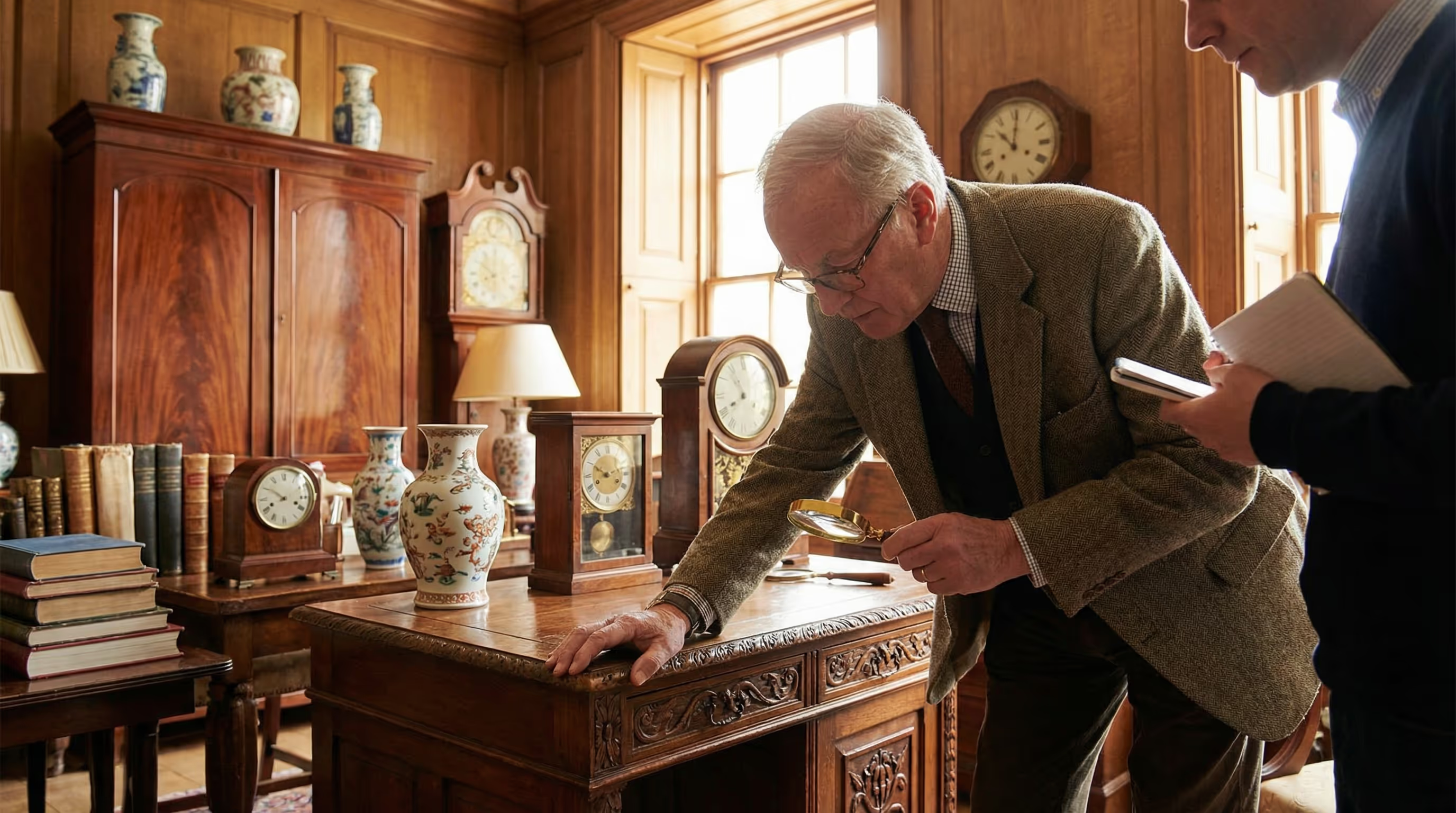
Professional appraiser examining vintage antique chair during appraisal process

Imagine discovering that the Victorian chair you almost sold for $200 at a garage sale is actually worth $3,000. Or worse, finding out your insurance won't cover the full replacement cost of your grandmother's antique dining set because you never had it properly appraised. These scenarios happen more often than you'd think, and they highlight why getting an accurate antique furniture appraisal is so important.

An antique furniture appraisal is a professional, written opinion of value prepared by a qualified appraiser for a specific purpose. Unlike a casual estimate from a dealer or an online search, a formal appraisal follows strict standards and provides documentation you can rely on for insurance, legal, tax, or sale purposes.

Quick Answer: Professional antique furniture appraisals typically cost $50-$400 per hour, take 1-2 hours per piece, and remain valid for 1-2 years depending on their purpose. The process involves examination, research, and a detailed written report.

This guide will walk you through everything you need to know about getting your antique furniture appraised, from understanding the process to choosing the right appraiser for your needs.

What makes antique furniture valuable and worth appraising

Several key factors determine whether your antique furniture has significant value that warrants professional appraisal. Age alone doesn't guarantee value, but pieces over 100 years old that exhibit quality craftsmanship often merit evaluation.

The maker or manufacturer plays a huge role in value. Furniture created by renowned craftsmen like Gustav Stickley, George Nakashima, or major manufacturers such as Chippendale can command premium prices. Even lesser-known regional makers can add substantial value if they're recognized for quality work.

Condition significantly impacts worth. Original finishes, hardware, and structural integrity increase value, while repairs, refinishing, or replacement parts typically decrease it. However, some restoration may be acceptable if done professionally and disclosed properly.

Antique furniture condition comparison showing original versus restored piece

Rarity and market demand create the final piece of the value puzzle. A common Windsor chair might be worth hundreds, while a rare example from a specific maker could reach thousands. Current market trends also influence demand, with certain styles experiencing periodic revivals.

Pro Tip: Documentation like purchase receipts, family history, or previous appraisals can significantly boost your furniture's value by establishing provenance and authenticity.

The step-by-step antique furniture appraisal process

Getting your antique furniture appraised follows a structured process that ensures accuracy and compliance with professional standards. Understanding these steps helps you prepare and know what to expect.

Initial consultation begins when you contact an appraiser. They'll ask about your furniture, why you need the appraisal, and your timeline. This helps them determine if they're qualified for your specific needs and quote appropriate fees. Before moving forward, you should prepare for an antique furniture appraisal by gathering any documentation you have.

Physical examination involves the appraiser inspecting your furniture in person or through detailed photographs for desktop appraisals. They'll examine construction methods, materials, hardware, maker's marks, and condition. This typically takes 30 minutes to 2 hours per piece.

Research and analysis happens after the examination. The appraiser researches comparable sales, auction results, and market data to support their value conclusion. This behind-the-scenes work often takes longer than the actual examination.

Value determination considers your appraisal's specific purpose. Fair market value differs from insurance replacement value, which differs from donation value. The appraiser applies the appropriate methodology for your needs.

Written report delivery provides you with a comprehensive document including detailed descriptions, photographs, methodology, and value conclusions. Professional appraisals always include the appraiser's credentials and signature. Understanding the process of an antique furniture appraisal can help set realistic expectations.

Understanding different types of appraisal values

Not all appraisal values are the same, and choosing the wrong type can create problems down the road. Each serves different purposes and uses different methodologies to reach value conclusions.

Fair market value represents what your furniture would sell for between willing buyers and sellers in the open market. This is commonly used for estate planning, divorce proceedings, and casual sales. It typically reflects auction or private sale prices.

Replacement value estimates what you'd pay to replace your furniture with something of similar quality and characteristics. Insurance companies often require this higher value type to ensure adequate coverage for claims. It usually reflects retail prices rather than auction results.

Donation value for tax purposes must comply with IRS guidelines and typically falls between fair market and replacement values. The IRS requires qualified appraisals for donations over $5,000, making professional documentation essential.

Value TypePurposeTypical RangeRequired ForFair MarketEstate, divorce, saleLowestLegal proceedingsReplacementInsurance coverageHighestInsurance claimsDonationTax deductionsMiddleIRS requirements

Estate and liquidation values may be lower than fair market value when quick sales are necessary. These specialized valuations consider time constraints and market conditions that might affect selling prices.

How to choose a qualified antique furniture appraiser

Selecting the right appraiser is crucial for getting accurate, defensible valuations. Not all appraisers have the same qualifications, and some may lack the expertise needed for antique furniture.

Look for professional credentials from recognized organizations like the International Society of Appraisers (ISA), American Society of Appraisers (ASA), or Appraisers Association of America (AAA). These groups require education, testing, and ongoing training to maintain membership.

USPAP compliance is non-negotiable for serious appraisal work. The Uniform Standards of Professional Appraisal Practice governs how appraisers conduct their work and write reports. Ask specifically if the appraiser follows USPAP standards.

Experience with antique furniture matters more than general appraisal experience. An appraiser who specializes in modern art may not understand 18th-century joinery techniques or furniture maker identification. Ask about their specific furniture expertise and request examples of similar work. When choosing an antique furniture appraiser, verify their specialization in your furniture's period and style.

Professional appraiser credentials and certificates showing USPAP compliance

Red flags to avoid include appraisers who charge fees based on a percentage of value, refuse to provide written reports, or lack clear professional credentials. Reputable appraisers always charge hourly or flat fees and provide detailed written documentation. Learning about common mistakes to avoid during an antique furniture appraisal can help you make better decisions.

Important: Always verify an appraiser's credentials directly with their professional organization before hiring them for valuable pieces.

Getting an accurate antique furniture appraisal protects your interests whether you're buying, selling, insuring, or planning your estate. The investment in professional appraisal services often pays for itself through proper insurance coverage, tax benefits, or informed selling decisions. Understanding the benefits of an antique furniture appraisal can help you appreciate the value of this professional service.

At AppraiseItNow, our USPAP-compliant, IRS-qualified appraisers specialize in antique furniture and provide detailed reports accepted by insurance companies, courts, and tax authorities nationwide. We offer both onsite and desktop appraisal services to meet your specific needs and timeline.

Ready to get your antique furniture professionally appraised? Contact us today to discuss your needs and receive a quote from our certified specialists.

FAQ

How much does an antique furniture appraisal cost?

Professional antique furniture appraisals typically cost $50-$400 per hour, depending on the appraiser's credentials, location, and complexity of the piece. Reputable appraisers charge hourly or flat fees, never a percentage of the item's value, as this creates a conflict of interest. Most single-piece appraisals take 1-2 hours plus research time.

What's the difference between fair market value and replacement value?

Fair market value represents what your furniture would sell for between willing buyers and sellers in the open market, commonly used for estate planning and sales. Replacement value estimates what you'd pay to replace your furniture with something of similar quality at retail prices, which insurance companies typically require for adequate coverage.

How long is an antique furniture appraisal valid?

Antique furniture appraisals remain valid for 1-2 years depending on their purpose, but many experts recommend updating them every 3-5 years for insurance purposes. You should get a new appraisal sooner if there's been major market changes, restoration work, or damage to the piece, as these factors can significantly affect value.

Should I clean or restore my antique furniture before an appraisal?

You should avoid major cleaning or restoration before an appraisal, as refinishing or repairs can sometimes decrease value significantly. Light dusting is acceptable, but original finishes, hardware, and structural integrity increase value. A qualified appraiser can advise whether professional conservation will help or hurt your specific piece's worth.

Related Appraisals We Offer

Related Articles

BEST-IN-CLASS APPRAISERS, CREDENTIALED BY: