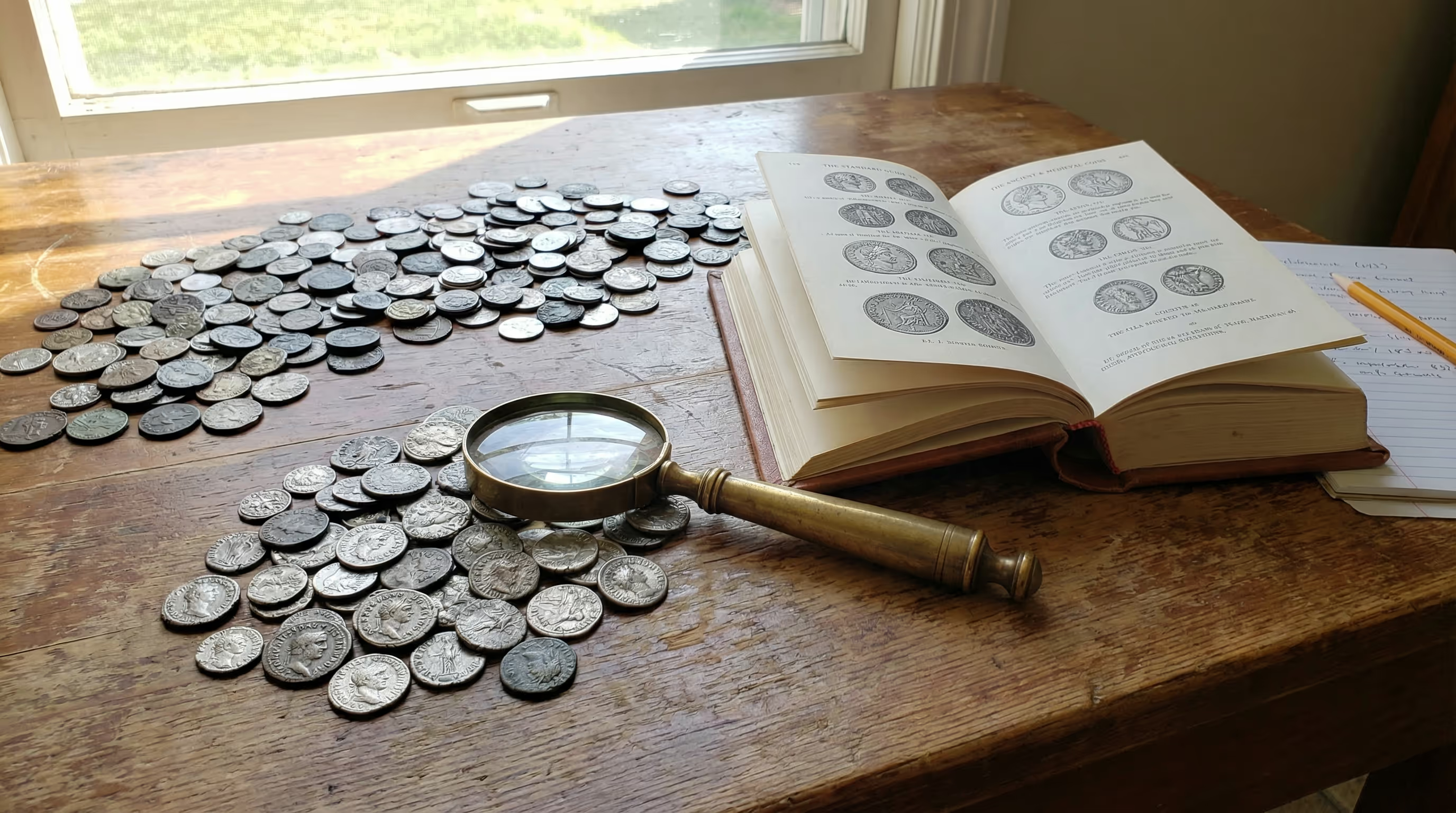
You found a box of old coins in the attic or inherited a collection, and now you're wondering which ones might actually be worth something. While most coins are worth face value, some can be surprisingly valuable—worth hundreds or even thousands of dollars. The key is knowing how to quickly separate the common coins from the potentially valuable ones before deciding whether a professional appraisal makes sense.
Not every old coin needs an expensive appraisal. But missing a truly valuable piece could cost you significantly more than the appraisal fee. By the end of this guide, you'll know how to spot the warning signs of value, evaluate condition basics, and understand exactly when calling a professional appraiser like AppraiseItNow becomes your smartest move.
Quick fact: Pre-1965 US silver coins contain 90% silver and are worth at least their metal value, which fluctuates with silver prices but typically ranges from $15-25 per dollar of face value.
Before diving deep into research, use this simple screening process to identify coins that deserve closer attention. Look for coins that are pre-1933 US gold pieces, contain obvious silver content like pre-1965 dimes and quarters, or show unusual features like doubled text or off-center strikes.
Foreign coins, especially those from countries with historical significance, can also hold surprising value. Commemorative coins might seem special, but most modern commemoratives are worth face value unless they're proof versions or contain precious metals.
Check the mint mark—that tiny letter on most coins indicating where it was made. Certain mint marks from specific years can dramatically increase value. For example, a 1909-S VDB penny or 1916-D Mercury dime are key dates that collectors actively seek. Understanding historic coins and their appraisal value can help you identify these key dates and mint marks.

Four main factors determine whether your coin has significant value beyond its face amount. Rarity comes first—coins with low mintage numbers or those that survived in small quantities command higher prices. Age alone doesn't guarantee value, but it often correlates with rarity.
Demand among collectors creates the market for rare coins. A coin might be scarce, but if collectors aren't interested, the value remains low. Popular series like Morgan silver dollars or Walking Liberty half dollars have strong collector followings.
Condition dramatically affects value. The same rare coin in poor condition might be worth $50, while an excellent example could bring $500 or more. Even small differences in wear can mean big differences in price. Learning about establishing the value of coins with variables helps you understand how these factors interact.
Value FactorImpact on PriceQuick Home CheckRarityHigh to extremeLook up mintage numbers onlineCollector demandModerate to highCheck recent eBay sold listingsConditionHighCompare to grading photos onlineMetal contentModerateTest with magnet, check silver/gold content
Precious metal content provides a value floor. Silver and gold coins can't fall below their metal value, which changes daily with commodity prices. This makes them safer investments than coins valued purely on collector interest. Understanding fluctuations in coin prices can help you track these market changes.
You can assess basic condition using careful visual inspection and simple techniques. Handle coins by their edges only, and examine them under good lighting. Look for signs of wear on the highest points—the parts of the design that stick out most.
Scratches, dents, and discoloration all reduce value. However, natural toning can sometimes increase value if it's attractive and even. Never clean coins yourself, as cleaning almost always reduces value significantly, even if the coin looks better to you afterward.
Important: Cleaning coins typically destroys 50-90% of their collector value, even when done by professionals. Leave cleaning decisions to experts.
Check for environmental damage like corrosion or spots. Copper coins are especially prone to developing green spots over time. While some environmental damage can be treated, severe corrosion usually means the coin has lost most of its premium value.
Compare your coin to grading photos available online through services like PCGS or NGC. These show what different condition levels look like for specific coin types. This gives you a rough idea of where your coin falls on the grading scale. Before getting a formal evaluation, review what you should know before appraising your coins.
Several situations make professional appraisal not just helpful but necessary. Estate settlements require accurate valuations for tax purposes and fair distribution among heirs. Insurance scheduling needs certified appraisals to ensure adequate coverage for valuable collections.
Charitable donations of coins worth more than $5,000 require qualified appraisals to claim tax deductions. Divorce proceedings often need neutral, professional valuations to divide assets fairly. If you're considering selling a collection worth significant money, an appraisal helps you set realistic expectations and avoid being taken advantage of.

AppraiseItNow provides USPAP-compliant appraisals accepted by the IRS, courts, and insurance companies nationwide. Our certified appraisers understand the nuances of coin valuation and can work with you remotely or onsite, depending on your needs.
Consider professional appraisal when your initial research suggests individual coins might be worth more than $100, or when you have a collection that seems to contain multiple valuable pieces. The cost of appraisal becomes insignificant compared to the potential value at stake. To prepare properly, read about how to properly prepare for a coin appraisal.
Reality check: A $300 appraisal fee is worthwhile if it confirms you have a $3,000 coin, but unnecessary if your research shows the coin is worth $20.
The peace of mind from knowing exact values helps you make informed decisions about insurance, storage, and potential sales. Professional appraisers also spot valuable varieties and errors that untrained eyes often miss, potentially uncovering significant value you didn't know existed. Learn more about the benefits of regularly appraising your coins to maintain accurate valuations over time.
Getting your coins professionally appraised through AppraiseItNow ensures you have the documentation needed for any legal, insurance, or financial purpose. Our nationwide service means you can get expert evaluation regardless of your location, with reports that stand up to scrutiny from any institution that requires them.
Start by checking the date, mint mark, and condition of your coins. Look for pre-1965 silver coins, pre-1933 gold pieces, or coins with unusual features like doubled text or off-center strikes. Use online price guides to research any older or unusual coins you find. If initial research suggests a coin might be worth more than $100, consider getting a professional appraisal from a USPAP-compliant appraiser.
Never clean coins yourself. Cleaning typically destroys 50-90% of a coin's collector value, even when done by professionals. Appraisers and collectors prefer coins in their original, unaltered condition, even if they appear tarnished or dirty. Natural toning can sometimes increase value, while cleaning almost always reduces it significantly.
Coin grading assigns a standardized condition score on a 1-70 scale based on wear and damage. An appraisal uses the grade along with current market data and valuation purpose to determine what the coin is worth for specific uses like insurance coverage, estate settlement, or charitable donation. Professional appraisals provide legally defensible documentation that grading alone cannot offer.
Professional appraisal is worthwhile for estate settlements, insurance scheduling, charitable donations over $5,000, divorce proceedings, or when you suspect you have valuable coins worth more than $100 each. The appraisal fee becomes insignificant compared to potential value at stake, and you'll receive USPAP-compliant documentation accepted by the IRS, courts, and insurance companies.