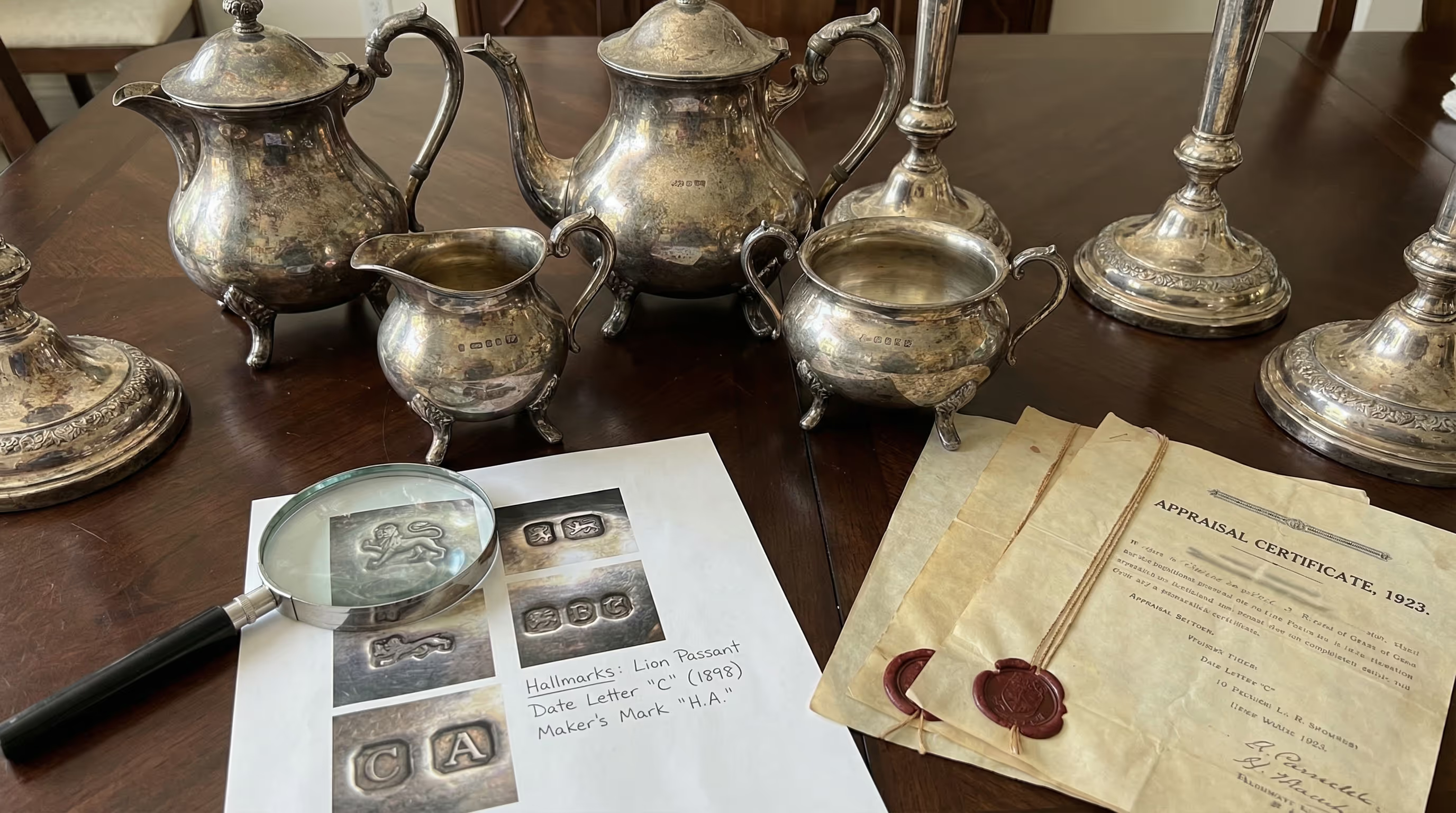
Finding the right antique silver appraiser can mean the difference between protecting your valuable heirlooms and losing thousands of dollars to undervaluation. Unlike modern silver items that trade based on metal content, antique silver pieces carry historical significance, maker's marks, and craftsmanship that dramatically affect their worth.
A qualified antique silver appraiser evaluates factors like age, provenance, condition, and rarity rather than just scrap value. They understand hallmarks, maker's marks, and historical periods that generic silver buyers often overlook. The key is finding someone with specialized training in antique silver who follows professional standards and provides reports accepted by insurance companies and legal institutions.
Quick Fact: Antique silver pieces can be worth 5-50 times their melt value depending on maker, age, and rarity, making professional appraisal essential for accurate valuation.
Most people assume any silver appraiser can handle antique pieces, but this misconception costs owners significantly. General silver appraisers focus on modern items, bullion, and scrap metal value. They calculate worth based on current silver prices and weight, missing the historical and artistic value that makes antique pieces valuable.
Antique silver specialists understand the nuances that matter. They recognize maker's marks from famous silversmiths like Tiffany, Gorham, or Reed & Barton. They know how different periods and styles affect value, from Georgian to Art Deco designs. Most importantly, they can authenticate pieces and identify reproductions that untrained eyes might miss.
The financial risk of using the wrong appraiser is real. Insurance companies may reject claims based on inadequate appraisals, and estate settlements can face legal challenges if valuations seem questionable. When dealing with family heirlooms or valuable collections, the specialist's expertise protects both your financial interests and your peace of mind. Understanding the value of antique silver appraisals helps you appreciate why specialized expertise matters.

Professional credentials separate qualified appraisers from those who simply claim expertise. Look for appraisers who belong to recognized organizations like the American Society of Appraisers, International Society of Appraisers, or the Appraisers Association of America. These memberships require ongoing education, testing, and adherence to ethical standards.
USPAP compliance is non-negotiable for formal appraisals. The Uniform Standards of Professional Appraisal Practice ensures your appraisal report meets legal and industry standards. Insurance companies, courts, and the IRS require USPAP-compliant reports for official purposes. Ask potential appraisers directly about their USPAP training and compliance.
Experience with antique silver specifically matters more than general appraisal experience. An appraiser might excel with jewelry or artwork but lack the specialized knowledge needed for antique silver. Ask about their background with silver pieces, how many they appraise annually, and whether they can provide references from similar projects. When choosing the right appraiser for your antiques, verify their specific expertise in silver pieces.
Important Note: Professional liability insurance protects you if an appraiser makes errors that cost you money, so always verify coverage before hiring.
Start by clarifying your appraisal's purpose, as this affects the type of report you need. Insurance appraisals require replacement value estimates, while estate planning needs fair market value assessments. Different purposes may require different appraiser qualifications, especially for IRS-related valuations.
Research potential appraisers through professional organization directories rather than general internet searches. The American Society of Appraisers and similar organizations maintain member directories with specialization information. This approach helps you find appraisers who specifically handle antique silver rather than generalists.
Contact multiple appraisers to compare their approaches, fees, and timelines. Ask about their experience with pieces similar to yours, their reporting process, and what documentation they provide. A professional appraiser should willingly discuss their qualifications and provide clear information about their services.
Request sample reports or references from previous clients when possible. Quality appraisers take pride in their work and can demonstrate their expertise through examples of completed projects. This step helps you evaluate their thoroughness and professionalism before committing to their services. A guide to identifying the best antique silver appraisers can help streamline your selection process.
Appraiser TypeFocus AreaWhen to UseTypical Fee RangeGeneral SilverModern items, bullionScrap value estimates$50-150 per hourAntique SpecialistHistorical piecesHeirlooms, collections$150-400 per hourCertified AppraiserAll types, formal reportsInsurance, legal needs$200-500 per hour
The right questions reveal an appraiser's true qualifications and approach. Ask about their specific experience with antique silver pieces similar to yours. A qualified appraiser should discuss different periods, makers, and styles confidently, demonstrating their specialized knowledge.
Inquire about their fee structure and what it includes. Reputable appraisers charge hourly rates or flat fees, never percentages of the item's value. The fee should cover examination time, research, photography, and report preparation. Get written estimates that clearly outline all charges. Understanding the cost of an antique silver appraisal helps you budget appropriately.
Discuss the appraisal process and timeline expectations. Professional appraisers explain their methodology, from initial examination through research and report completion. They should provide realistic timeframes based on your items' complexity and their current workload.
Ask about the final report format and what it includes. Quality appraisal reports contain detailed descriptions, high-quality photographs, methodology explanations, and market analysis. The appraiser should explain how they determine values and what sources they consult for comparable sales data.
Red Flag Warning: Avoid appraisers who refuse to provide written reports, charge percentage-based fees, or seem reluctant to discuss their credentials and methodology.

Preparation significantly improves appraisal accuracy and efficiency. Gather any documentation you have about your pieces, including purchase receipts, previous appraisals, family history, or auction records. This information helps the appraiser understand provenance and verify authenticity.
Clean your silver pieces gently before the appraisal, but avoid aggressive polishing that might damage patina or maker's marks. Good lighting and clear access to all pieces help the appraiser work efficiently. If you have large collections, organize items by type or set to streamline the process. Learn how to prepare for an antique silver appraisal to ensure you're ready.
Take detailed photographs of hallmarks, maker's marks, and any damage before the appraiser arrives. These images serve as additional documentation and can speed up the identification process. Close-up shots of markings are particularly valuable for research purposes.
Consider the appraisal's intended use when discussing value types with your appraiser. Insurance replacement values differ from fair market values for estate purposes. Understanding these distinctions helps ensure you get the right type of valuation for your specific needs. Expert strategies for accurately assessing antique silver appraisals can help you maximize the value of your appraisal investment.
The investment in a qualified antique silver appraiser protects both your financial interests and family heritage. Professional appraisals provide the documentation needed for insurance coverage, estate planning, and informed selling decisions. When you choose an experienced, credentialed appraiser who specializes in antique silver, you gain confidence in your pieces' true value and the peace of mind that comes with professional expertise.
At AppraiseItNow, our certified appraisers specialize in antique silver evaluation and provide USPAP-compliant reports accepted by insurance companies, courts, and financial institutions nationwide. We offer both onsite and online appraisal services to meet your specific needs and timeline requirements.
Many qualified appraisers offer preliminary online assessments using high-quality photos and detailed documentation. However, for formal insurance or IRS purposes, some valuable pieces may still require in-person inspection to ensure complete accuracy and meet legal standards.
Fair market value represents what a willing buyer and seller would agree upon in an open market, typically used for estate and donation purposes. Replacement value reflects the cost to replace the item with a similar piece at current retail prices, commonly used for insurance coverage.
Consider reappraising your antique silver every 3-5 years or after significant market changes, restoration work, or when acquiring new pieces. Regular updates ensure your insurance coverage remains adequate and values reflect current market conditions.
USPAP (Uniform Standards of Professional Appraisal Practice) establishes ethical and methodological standards for professional appraisals in the United States. USPAP-compliant reports are more readily accepted by insurance companies, courts, and tax authorities, providing greater credibility and legal defensibility.