How to Ensure an Accurate Beverage Equipment Appraisal Step-by-Step Guide

Last Updated on Aug 27, 2025
Originally Published on Aug 27, 2025
Thank you! Your submission has been received!
Oops! Something went wrong while submitting the form.
Nationwide Service
Onsite or Online
USPAP-Compliant
IRS Qualified
DEFENSIBLE, USPAP-COMPLIANT APPRAISAL REPORTS — ACCEPTED BY 10,000+ ORGANIZATIONS
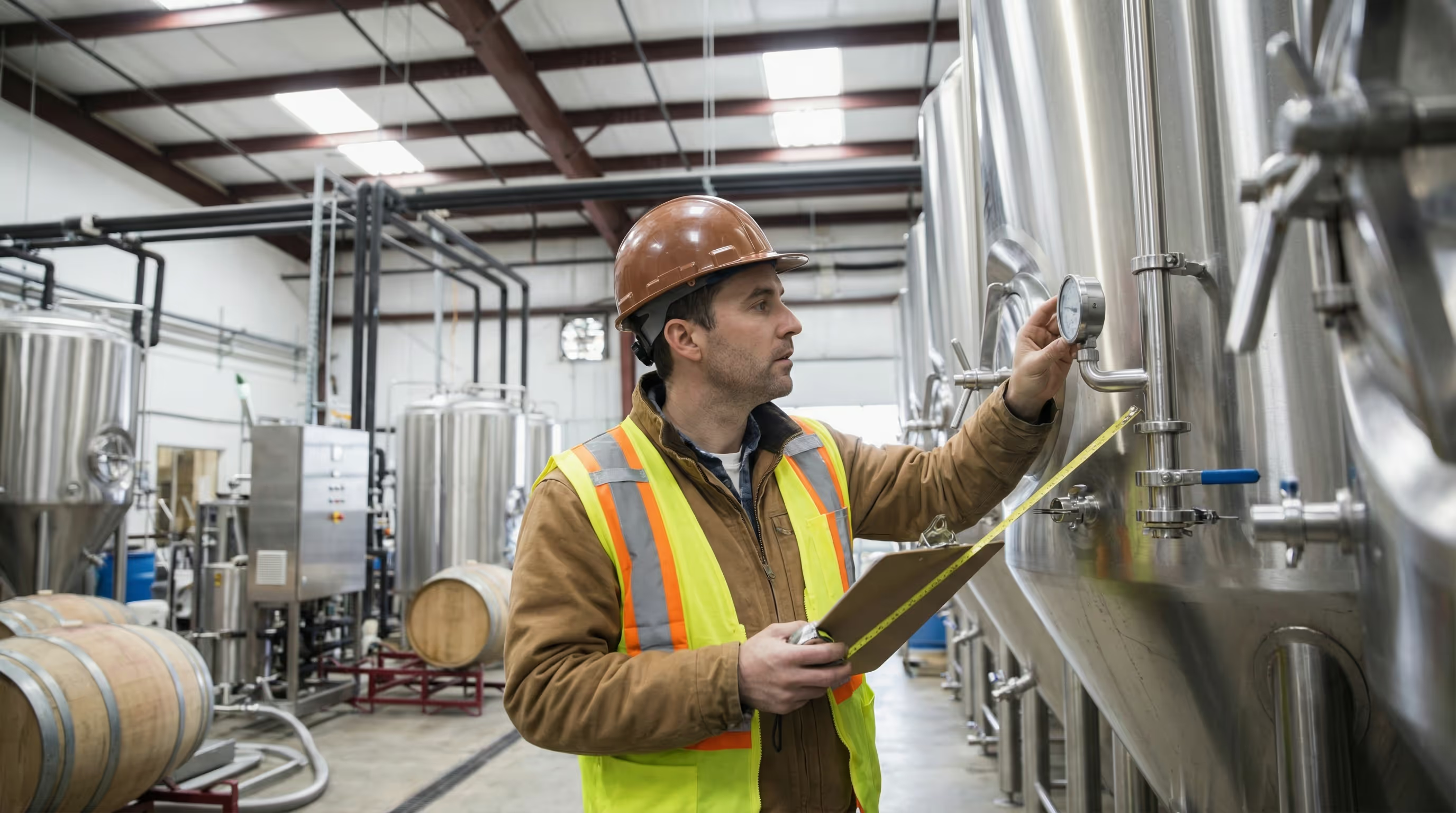
beverage equipment appraisal process showing appraiser inspecting brewery equipment with clipboard and measuring tools

The cost approach works best for newer or specialized equipment like custom bottling lines or recently installed draft systems. Appraisers calculate what it would cost to replace your equipment today, then adjust for depreciation based on age and condition.

The market approach compares your equipment to recent sales of similar items. This method works well for common beverage equipment like commercial refrigeration units, keg washers, or standard brewing vessels where comparable sales data exists.

Valuation MethodBest ForLimitationsCost ApproachNew/specialized equipmentMay not reflect market demandMarket ApproachCommon equipment typesRequires comparable sales dataIncome ApproachRevenue-generating equipmentComplex calculations required

The income approach applies when equipment generates distinct cash flow, such as high-capacity canning lines or automated bottling systems. Appraisers analyze the income stream the equipment produces to determine its value to your business.

Your appraiser will explain which methods apply to your specific equipment and why. Understanding these approaches helps you evaluate the thoroughness of any appraisal you receive. For related food service equipment, restaurant equipment appraisals follow similar valuation principles.

Choosing the right beverage equipment appraiser

Not all appraisers understand beverage equipment. You need someone with specific industry knowledge and proper credentials to ensure accuracy and acceptance by third parties.

Look for appraisers holding relevant certifications like Certified Machinery and Equipment Appraiser (CMEA), American Society of Appraisers (ASA) Machinery & Technical Specialties designation, or American Machine and Equipment Appraisers (AMEA) certification. These credentials demonstrate specialized training in equipment valuation. Learn more about why certification matters for appraisers of equipment and machinery.

USPAP compliance is non-negotiable. The Uniform Standards of Professional Appraisal Practice ensure your appraisal meets professional standards required by banks, courts, and government agencies. Always ask potential appraisers if their reports are USPAP-compliant.

Pro Tip: Ask to see a redacted sample report before hiring an appraiser. Quality reports include detailed equipment descriptions, condition assessments, market analysis, and clear value conclusions.

Experience with beverage industry equipment matters significantly. An appraiser familiar with brewing systems, distillation equipment, commercial coffee machines, and beverage packaging lines will provide more accurate valuations than someone who primarily appraises general industrial equipment. If you're also dealing with food production assets, consider reading about food processing equipment appraisal to understand related valuation processes.

certified appraiser examining brewery fermentation tanks with professional measuring equipment and documentation forms

Preparing for your beverage equipment appraisal

Your preparation directly impacts appraisal accuracy. Start by creating a complete equipment inventory including make, model, serial numbers, and current locations. This seems basic, but incomplete asset lists are the most common cause of inaccurate appraisals.

Gather all relevant documentation before the appraiser arrives. Purchase invoices show original costs and installation dates. Maintenance records demonstrate care and help appraisers assess remaining useful life. Service contracts and warranty information add value and show ongoing support.

Take clear photos of each piece of equipment, including overall views and close-ups of nameplates, control panels, and any visible wear or damage. These photos help appraisers prepare and serve as backup documentation for their reports.

Be honest about equipment condition and usage. Appraisers are trained to spot discrepancies between what you tell them and what they observe. Accurate information about operating hours, recent repairs, modifications, or performance issues helps them provide realistic valuations.

Define your appraisal purpose clearly. Values for insurance coverage differ from values for sale or financing. Make sure your appraiser understands exactly why you need the appraisal and who will be using it. For comprehensive preparation guidance, review questions to ask before obtaining a beverage equipment appraisal.

Important: Missing or inaccurate information is the fastest way to get an unreliable appraisal. Invest time in thorough preparation to ensure the best results.

Getting an accurate beverage equipment appraisal requires the right combination of qualified professionals and thorough preparation. By understanding the valuation process, choosing credentialed appraisers with beverage industry experience, and providing complete documentation, you protect your business interests and ensure defensible valuations that stand up to scrutiny from lenders, insurers, and other stakeholders.

AppraiseItNow specializes in USPAP-compliant beverage equipment appraisals with certified appraisers who understand the unique aspects of brewery, distillery, and foodservice equipment. Our comprehensive reports are accepted by major financial institutions and provide the accuracy you need for confident business decisions.

FAQ

What is a beverage equipment appraisal?

A beverage equipment appraisal is a formal, USPAP-compliant valuation of machinery used to produce, store, or serve drinks in businesses such as breweries, restaurants, bars, and bottling plants. A certified equipment appraiser reviews the make, model, age, condition, and market data for each asset to estimate its fair market value for purposes like financing, insurance, tax reporting, or business sales.

How long does a beverage equipment appraisal take?

Professional beverage equipment appraisals typically take 1-3 weeks depending on equipment complexity and scope. Small operations like cafés or single-location bars may receive reports within a few days, while multi-site breweries or large bottling facilities can take several weeks due to asset volume and research requirements. Complete documentation and easy equipment access can speed up the process.

What documents do I need for an equipment appraisal?

You should prepare a complete equipment inventory with make, model, serial numbers, and locations, plus purchase invoices, maintenance records, service contracts, warranty documents, and repair history. Clear photos of equipment, nameplates, and control panels are also helpful. This documentation helps appraisers assess condition and remaining useful life more accurately.

Do I need a certified appraiser for beverage equipment?

Yes, you need a certified, USPAP-compliant machinery and equipment appraiser for defensible valuations. Look for appraisers with credentials like CMEA, ASA, or AMEA designations and specific experience with beverage industry equipment. Banks, the SBA, IRS, and courts require professionally prepared reports that meet uniform standards for financing, tax, and legal purposes.

Related Appraisals We Offer

Related Articles

BEST-IN-CLASS APPRAISERS, CREDENTIALED BY: