

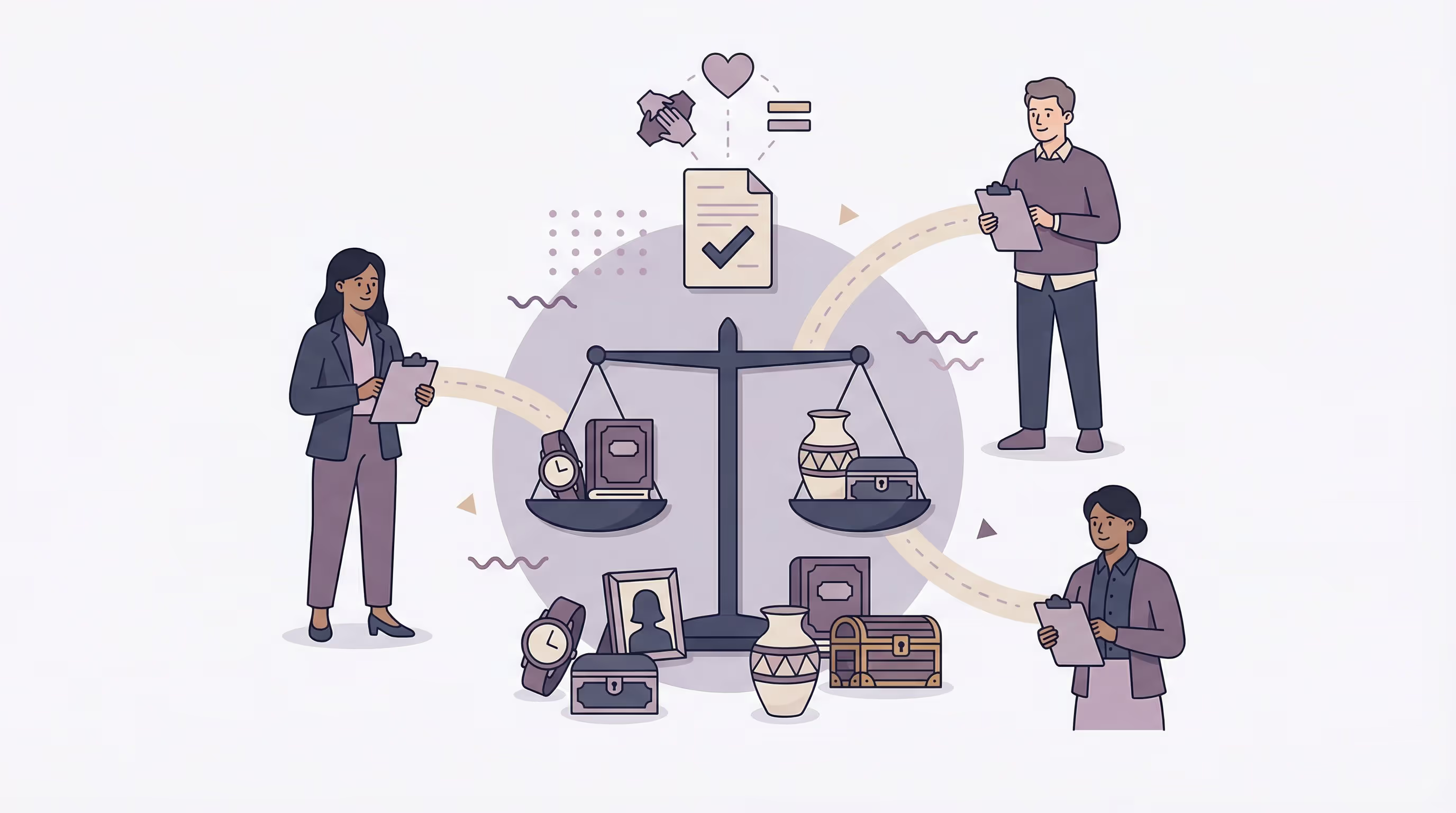







Dividing inherited personal property among siblings is one of the most emotionally charged aspects of estate settlement. Unlike cash or stocks that can be split equally, personal belongings carry both monetary and sentimental value that makes fair division challenging. Without a structured approach, what should be a time of healing can quickly turn into lasting family conflicts.
The key to success lies in establishing objective values through professional appraisals and choosing division methods that work for your family's unique situation. Most inheritance disputes stem from unclear valuations and poor communication, both of which you can prevent with the right strategy.
Professional appraisals eliminate guesswork and provide the objective foundation needed for any fair division process.
Before any division begins, you need to establish the objective market value of all significant personal property. This step is non-negotiable for a fair process. According to extension.umn.edu, having an accurate accounting of treasured family heirlooms helps prevent disputes and ensures everyone understands what they're dividing.
Items requiring professional appraisal include jewelry, artwork, antiques, collectibles, vehicles, and any items with potential significant value. For legal and tax purposes, ensure your appraisal complies with the Uniform Standards of Professional Appraisal Practice (USPAP). This guarantees the valuation will be accepted by the IRS and courts if needed.
The appraisal process typically takes one to three weeks depending on the complexity of items involved. While there's an upfront cost, professional valuations prevent costly disputes and ensure everyone receives their fair share based on actual market values rather than emotional assumptions.
Once you have professional appraisals, you can select a division method that fits your family's dynamics and communication style. Each approach has specific advantages depending on your situation.
The selection draft works well for cooperative families. After creating an inventory with appraised values, siblings take turns choosing one item per round with rotating order to maintain fairness. Afterward, you calculate the total value each person received and use cash payments to equalize any significant differences.
The point system is ideal for larger estates. Each sibling receives equal "purchasing power" through points to bid on desired items. When multiple people want the same item, whoever spends the most points wins it. This system allows siblings to prioritize what matters most to them while maintaining mathematical fairness.
Private bidding reduces direct conflict when communication is strained. Siblings submit sealed cash bids for contested items, with the highest bidder winning and paying their bid amount to the estate for redistribution among all heirs.

Fair division starts with comparable monetary value through appraisals, but true fairness also requires transparency and accommodation of emotional attachments where practical.
Success depends on clear communication and structured approach throughout the division process. Extension.umn.edu emphasizes the importance of communication and creativity when dealing with outstanding items that multiple heirs want.
Establish clear communication by setting regular meetings with firm deadlines to keep the process moving. Appoint one sibling as the primary coordinator while requiring them to share all information, especially appraisals and legal documents, with everyone involved.
Create a comprehensive inventory before anyone takes anything. Document and photograph every item using a shared digital spreadsheet to track items, their condition, and appraised values. This prevents disputes later and ensures nothing gets overlooked or taken prematurely. Proper preparation for estate appraisals is essential for accurate cataloging of all assets.
Handle the family home decisively since it's often the largest asset with ongoing costs. Decide quickly whether you'll sell the inherited property and split proceeds or if one sibling will buy out the others. Delays drain the estate's value through taxes, insurance, and maintenance costs.
Set deadlines for unwanted items because not everything will be claimed. After a firm selection deadline, efficiently sell, donate, or liquidate remaining items through estate sales or professional liquidators rather than letting unclaimed property stall the entire settlement. Understanding whether to choose an estate sale or auction can help maximize returns on remaining items.
The most damaging mistakes in inheritance division often stem from emotional decision-making and poor planning. Acting too quickly in the immediate aftermath of loss frequently leads to regret, as grief clouds judgment and makes it essential to pause before making irreversible decisions.
Never guess at values since relying on assumptions or sentimental attachment to determine worth is a primary source of family conflict. Professional appraisals remove guesswork and provide objective, factual baselines that all siblings can trust for true fairness in distribution.
Always follow the will because a parent's will or trust is legally binding and overrides any verbal promises or informal family understandings. Disregarding these legal instructions can lead to serious disputes and legal challenges to the estate settlement.
Consider tax implications early since forgetting about taxes can be costly. The sale of inherited assets can trigger capital gains taxes, and larger estates may have their own tax obligations. Accurate appraisals for estate tax returns help ensure you report proper asset values and consulting a tax professional early helps you understand these liabilities and make informed financial decisions.

Dividing inherited personal property requires balancing emotional attachments with practical fairness. The foundation of any successful division is professional appraisals that establish objective values, followed by transparent communication and structured methods that work for your family's situation. While the process can be challenging, taking time to do it right preserves both family relationships and ensures everyone receives their fair share of your loved one's legacy.
Professional appraisals provide the accurate, defensible valuations needed for any estate settlement, giving you the objective foundation necessary for a fair and peaceful resolution.
When siblings disagree on choosing an appraiser, you have two main options: hire separate USPAP-certified appraisers and average their values, or mutually select one neutral professional appraiser whose valuation will be binding for all parties. The key is ensuring any appraiser follows Uniform Standards of Professional Appraisal Practice (USPAP) so the valuation will be legally defensible and accepted by the IRS if needed.
If someone takes items prematurely, document the taken items and their appraised values immediately. Deduct the total value of these items from that sibling's share during the formal division process. Keep detailed records with photographs and appraisal documentation. If disputes arise or the sibling refuses to acknowledge the taken items, consult an estate attorney to protect the interests of all heirs.
Inherited personal property receives a "stepped-up basis" equal to its fair market value at the date of death, which means most heirs won't owe capital gains taxes unless they sell items for more than the appraised inheritance value. However, larger estates may face estate taxes, and selling inherited assets later can trigger capital gains. Always get IRS-compliant appraisals and consult a tax professional early in the process to understand your specific tax obligations.
When a will requires equal division without specifics, focus on achieving equal monetary value rather than equal quantities of items. Use structured methods like the point system where each sibling gets equal "purchasing power," or the selection draft with rotating turns followed by cash adjustments to balance any value differences. Professional appraisals are essential to determine what "equal" means in dollar terms, and transparent communication helps ensure everyone feels the process is fair.




