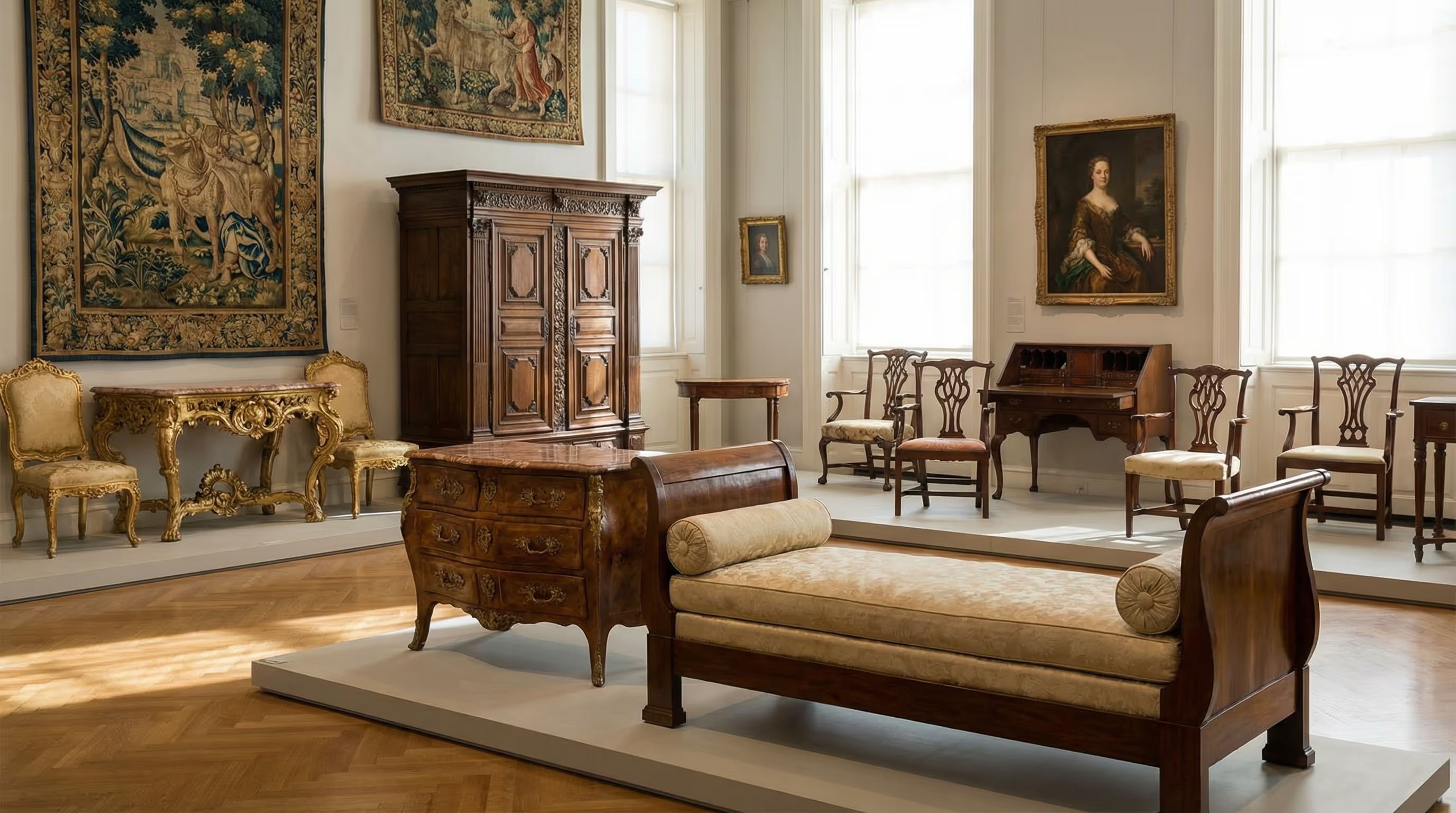
You might be sitting on an antique table worth thousands without even knowing it. Every week, people discover that their inherited dining room set, thrift store find, or garage sale purchase is actually a valuable piece of history. The challenge is knowing how to spot these hidden treasures among ordinary-looking furniture.
Antique furniture values can range from a few hundred dollars to tens of thousands, depending on age, craftsmanship, and rarity. A simple farmhouse table might be worth $500, while a signed piece from a renowned maker could fetch $15,000 or more. The difference often lies in details that untrained eyes might miss.
Quick fact: Authentic 18th and 19th-century American furniture pieces regularly sell for $2,000 to $25,000 at auction, with exceptional examples reaching six figures.
This guide will help you identify valuable antique furniture in your home, understand what drives pricing, and know when to seek professional help. Whether you're evaluating an inheritance, considering a purchase, or simply curious about that old dresser in your attic, you'll learn the key factors that separate valuable antiques from ordinary old furniture.
True antique furniture treasures combine age, craftsmanship, and historical significance in ways that create lasting value. Unlike mass-produced modern pieces, genuine antiques were often handcrafted by skilled artisans using techniques and materials that are rare today.
The "hidden" aspect comes from the fact that valuable pieces don't always look obviously expensive. A weathered farmhouse table with original milk paint might appear shabby to casual observers, but collectors recognize the authentic patina and hand-planed surfaces that indicate genuine age and craftsmanship.

Historical provenance adds another layer of value. Furniture made by documented craftsmen, used in notable homes, or representing specific regional styles commands premium prices. Even unsigned pieces from certain periods or regions can be worth substantial amounts if they exhibit the right characteristics.
Market demand also plays a crucial role. Mid-century modern pieces that were considered outdated in the 1990s now sell for thousands. Similarly, certain Victorian styles that fell out of favor are experiencing renewed interest among collectors and interior designers.
Identifying valuable antique furniture requires examining several key factors that distinguish authentic pieces from reproductions or less valuable items.
Age and construction methods provide the first clues. Genuine antiques typically show hand-tool marks, irregular joinery, and construction techniques that predate mass production. Look for hand-cut dovetail joints with slight variations in spacing, plane marks on wood surfaces, and mortise-and-tenon joints secured with wooden pegs rather than modern screws.
Wood types and hardware offer additional evidence. Valuable antiques often use high-quality hardwoods like mahogany, walnut, or cherry. Original hardware shows appropriate wear patterns and aging. Be suspicious of perfectly uniform machine cuts, modern Phillips-head screws, or hardware that looks too new for the supposed age of the piece.
Maker's marks and labels can dramatically increase value. Look for stamps, signatures, or paper labels in drawers, on the back of pieces, or underneath surfaces. Even partial marks can help identify the maker and period. Document any markings with photos before attempting to clean or restore the piece.
Expert tip: Original finish and patina are often more valuable than perfect restoration. That worn, darkened surface represents decades or centuries of authentic aging that cannot be replicated.
Style consistency throughout the piece indicates authenticity. Reproductions often mix elements from different periods or include anachronistic details. Research the specific style period to understand what features should be present and which would be historically incorrect.
Several interconnected factors determine how much your antique furniture is actually worth in today's market.
Rarity and demand create the foundation of antique furniture values. A common Windsor chair might be worth $200-500, while a rare example with documented provenance could reach $5,000-15,000. Current market trends also influence pricing, with certain styles experiencing cyclical popularity.
Condition versus originality presents a delicate balance. Minor wear and age-appropriate damage are expected and often preferred over aggressive restoration. However, structural problems, missing parts, or severe damage can significantly reduce value. The key is distinguishing between honest wear that adds character and damage that affects function or appearance.
Size and functionality impact modern desirability. Smaller pieces that fit contemporary homes often command higher prices than massive Victorian wardrobes that few people can accommodate. Similarly, furniture that serves current needs (dining tables, storage pieces) typically sells better than purely decorative items.
Furniture TypeLow RangeHigh RangeKey Value DriversDining Tables$500-1,500$5,000-25,000Size, wood quality, makerChests/Dressers$300-1,200$3,000-15,000Original hardware, finishChairs (each)$100-500$1,000-8,000Set completeness, styleBeds$400-2,000$2,500-12,000Size compatibility, condition
Provenance and documentation can multiply values significantly. Furniture with documented history, original receipts, or connections to notable people or places commands premium prices. Even family stories, if verifiable, add value and market appeal.
Professional appraisals become essential when the stakes are high or when your initial research suggests significant value. Understanding when to invest in expert evaluation can save you from costly mistakes or missed opportunities.
Insurance and estate situations require certified appraisals for legal and financial protection. Standard homeowner's policies often cap coverage for antiques at $1,000-2,500 per item. If you suspect a piece is worth more, you'll need a USPAP-compliant appraisal to secure proper coverage. Estate planning, divorce proceedings, and charitable donations also require professional documentation.
Before major decisions, an appraisal provides crucial information. If you're considering selling a piece, restoration work, or using furniture as loan collateral, knowing the accurate value helps you make informed choices. The cost of an appraisal (typically $300-800) is minimal compared to potential losses from uninformed decisions.

Red flag scenarios that warrant immediate professional attention include discovering maker's marks you can't identify, finding unusual construction techniques, or noticing details that don't match your research. Pieces with potential museum quality, unusual size or configuration, or possible attribution to famous makers should be evaluated by experts.
Important note: Online price guides and auction results provide general ranges, but certified appraisers consider condition, provenance, and current market conditions that databases cannot capture.
AppraiseItNow offers both online and onsite antique furniture appraisals with USPAP-compliant reports accepted by insurance companies, courts, and financial institutions. Our certified appraisers specialize in identifying valuable pieces and providing detailed documentation for your specific needs.
The decision to restore antique furniture before selling requires careful consideration of costs, potential returns, and market preferences. Making the wrong choice can either leave money on the table or destroy value entirely.
When restoration adds value, it typically involves stabilizing structure, cleaning appropriately, and making reversible improvements. Simple repairs like tightening joints, replacing missing hardware with period-appropriate pieces, or carefully cleaning original finishes often increase both appeal and price. Professional conservation that preserves original materials while ensuring functionality usually pays for itself.
When restoration destroys value, it often involves aggressive refinishing, replacing original components, or "improving" pieces with modern materials. Stripping original paint or finish, sanding away tool marks, or replacing hand-forged hardware with modern reproductions can cut values in half or more. Collectors and dealers prize authenticity over perfection.
Cost-benefit analysis should guide your decision. If professional restoration costs $2,000 but only increases sale value by $1,500, you're better off selling as-is. However, if minor repairs costing $300 could increase value by $1,200, the investment makes sense. Get estimates for both restoration costs and current market value before proceeding.
The safest approach for valuable pieces is minimal intervention. Clean gently, stabilize if necessary, but preserve original character and materials. When in doubt, consult with both a qualified restorer and an appraiser to understand how different approaches might affect value.
Professional antique furniture appraisals from AppraiseItNow can help you understand your piece's current value and how restoration might impact its worth. Our experts provide detailed condition assessments and market analysis to guide your restoration decisions, ensuring you maximize both the beauty and value of your antique furniture treasures.
Look for key indicators of authentic antique furniture: hand-cut dovetail joints with slight irregularities, uneven tool marks on wood surfaces, solid wood construction rather than plywood or particle board, and original hardware showing appropriate wear patterns. Genuine antiques typically display consistent aging throughout the piece—underneath, inside drawers, and on the back—rather than a fresh finish over obviously modern components. If construction details seem inconsistent or you notice machine-made elements mixed with hand-crafted features, the piece may be a reproduction or heavily modified antique.
Antique furniture value depends on several key factors: age (typically 100+ years), maker or designer reputation, rarity, original condition, and current market demand. Pieces with documented provenance, original finish and hardware, and minimal restoration usually command higher prices than heavily refinished examples. Quality of materials and craftsmanship also matter significantly—hand-carved details, premium hardwoods like mahogany or walnut, and sophisticated joinery techniques all contribute to value. Regional styles, historical significance, and completeness of sets can further increase worth.
Get a professional antique furniture appraisal when you need documented value for insurance coverage, estate settlement, charitable donation tax deductions, divorce proceedings, or before selling potentially valuable pieces. USPAP-compliant appraisals provide defensible valuations recognized by insurance companies, courts, and the IRS. You should also consider an appraisal if you've inherited furniture with unknown value, discovered maker's marks you can't identify, or before investing in expensive restoration work that could affect the piece's worth.
Light cleaning and minor structural repairs often increase value, but aggressive refinishing can dramatically reduce worth, especially for early or museum-quality pieces. Original finish and patina represent authentic aging that cannot be replicated and are highly valued by collectors. Safe improvements include tightening loose joints, replacing missing hardware with period-appropriate pieces, and gentle cleaning with conservation-grade products. Before undertaking major restoration work, consult with a qualified appraiser or conservator to understand how different approaches might affect your piece's value.