How to Compare Farm Equipment Appraisal Services and Choose the Right Provider

Last Updated on Oct 08, 2025
Originally Published on Oct 08, 2025
Thank you! Your submission has been received!
Oops! Something went wrong while submitting the form.
Nationwide Service
Onsite or Online
USPAP-Compliant
IRS Qualified
DEFENSIBLE, USPAP-COMPLIANT APPRAISAL REPORTS — ACCEPTED BY 10,000+ ORGANIZATIONS
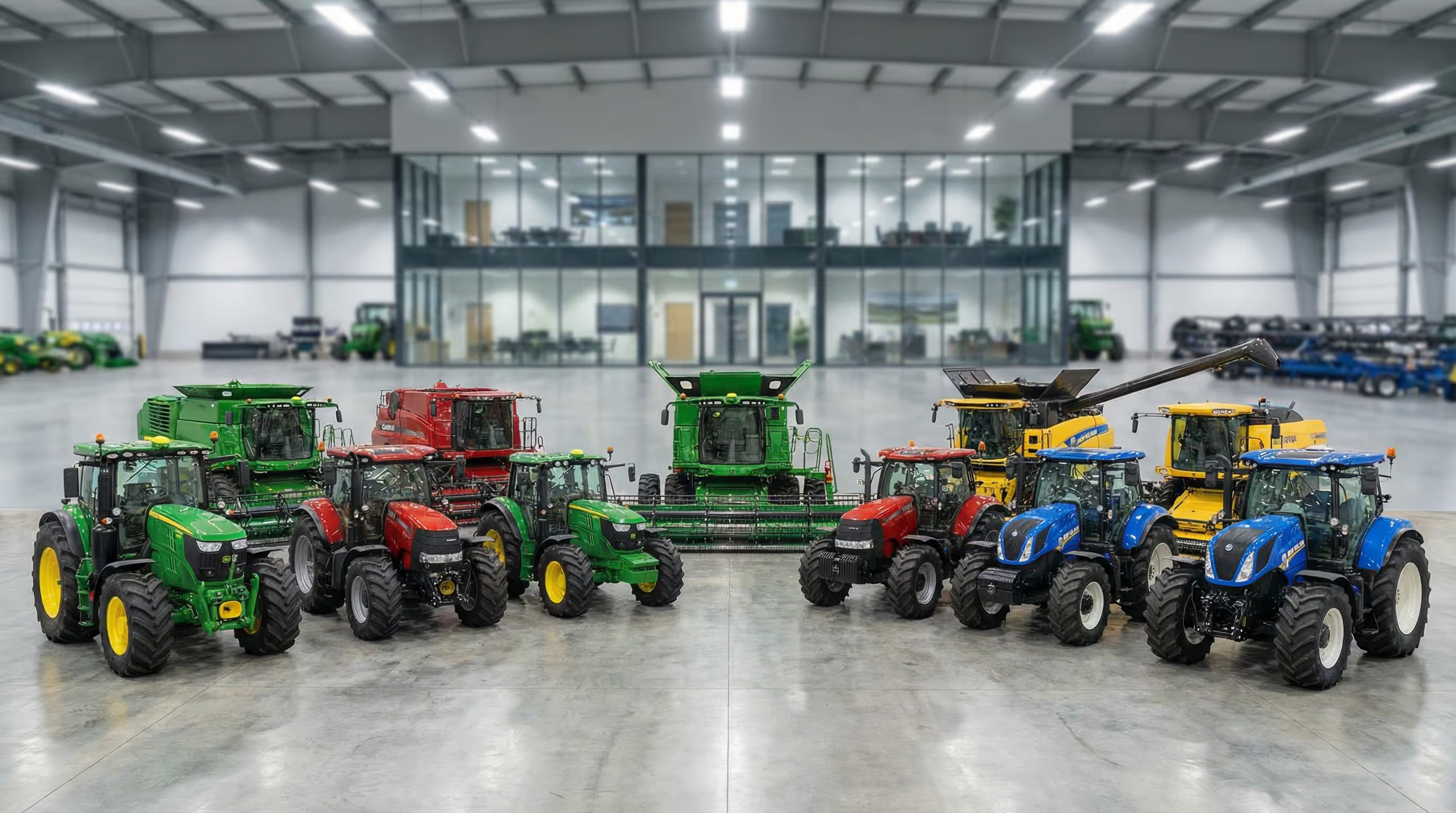
Farm equipment appraisal comparison header showing various agricultural machinery

When you need to determine the value of your farm equipment for financing, insurance, or estate planning, not all appraisal services deliver the same quality or credibility. The difference between a basic valuation and a USPAP-compliant, IRS-qualified appraisal can mean thousands of dollars in accurate coverage, defensible documentation, and accepted reports by lenders and courts.

Key insight: Professional farm equipment appraisals using standardized methods provide defensible valuations accepted by banks, insurers, and legal institutions, while informal estimates often fall short when you need them most.

This guide will help you understand what makes a quality farm equipment appraisal service and how to choose a provider that meets your specific needs, whether you're securing financing for new equipment or managing estate assets.

Understanding farm equipment appraisal methods

Farm equipment appraisers typically use three main approaches to determine value, and understanding these methods helps you evaluate different service providers.

The cost approach calculates what it would cost to replace your equipment with something similar, then adjusts for depreciation based on age, condition, and usage hours. This method works well for newer equipment where replacement costs are readily available.

The market approach compares your equipment to similar items that have recently sold, considering factors like make, model, year, and condition. This approach provides strong support when there's an active market for your type of equipment.

The income approach evaluates equipment based on the revenue it generates, though this method is less common for individual pieces of farm equipment and more often used for entire operations.

Farm equipment valuation methods diagram illustrating different appraisal approaches

Professional appraisers consider multiple factors when determining value, including equipment age, operating hours, maintenance history, current condition, technological relevance, and local market demand. They also account for any modifications, attachments, or unique features that might affect value. Understanding the basics of farm equipment appraisal can help you better evaluate the methodology used by different providers.

Key criteria for comparing appraisal providers

When evaluating farm equipment appraisal services, several factors distinguish professional providers from basic valuation services.

Credentials and compliance represent the foundation of reliable appraisals. Look for appraisers who maintain USPAP compliance and hold certifications from recognized organizations like the American Society of Appraisers (ASA) or International Society of Appraisers (ISA). These credentials ensure the appraiser follows standardized methodology and ethical guidelines. Credentialing for farm equipment appraisers is essential for ensuring you receive a defensible valuation.

Agricultural expertise matters significantly in equipment valuation. Appraisers who specialize in farm equipment understand seasonal market fluctuations, regional preferences, and the specific factors that affect agricultural machinery values. This specialized knowledge often results in more accurate valuations compared to general equipment appraisers.

Service scope and flexibility vary among providers. Some offer only onsite inspections, while others provide desktop appraisals for certain situations. Nationwide providers can handle multi-location portfolios, while local appraisers might offer faster turnaround for single-location needs.

Important consideration: Desktop appraisals cost less and deliver faster results, but onsite inspections provide more detailed condition assessments and stronger defensibility for high-value equipment or legal proceedings.

Types of farm equipment commonly appraised

Professional farm equipment appraisal services typically handle a comprehensive range of agricultural machinery and related assets.

Field machinery includes tractors, cultivators, planters, sprayers, and tillage equipment. These items often represent the highest values on most farms and require careful condition assessment due to their heavy usage patterns.

Harvest equipment encompasses combines, headers, hay equipment, and specialty harvesters. These machines often have seasonal usage patterns that affect their condition and market value differently than year-round equipment.

Livestock and dairy equipment covers feeding systems, milking equipment, barn ventilation, and animal handling facilities. This category requires appraisers familiar with dairy and livestock operation requirements.

Storage and handling systems include grain bins, dryers, conveyors, and irrigation equipment. These items often have longer useful lives but require assessment of structural integrity and technological currency.

Types of farm equipment commonly appraised infographic

Specialized equipment like GPS guidance systems, precision agriculture tools, and custom modifications require appraisers who understand current technology trends and their impact on equipment value. For a comprehensive overview of what can be valued, explore appraising agricultural equipment and machinery.

What to expect from professional appraisal services

Quality farm equipment appraisal services follow a structured process that ensures thorough evaluation and defensible results.

The process typically begins with an initial consultation where you discuss your appraisal needs, timeline, and any specific requirements. Professional services will ask about the equipment's history, usage patterns, and the purpose of your appraisal.

Documentation requirements usually include purchase records, maintenance logs, operating hour records, and any modification or repair documentation. While not all documentation may be available, providing what you have helps ensure accuracy. Before scheduling your appraisal, review how to prepare for a farm equipment appraisal to ensure you have everything ready.

Inspection and analysis involves either onsite examination or desktop review using provided photos and documentation. Onsite inspections allow for detailed condition assessment, while desktop appraisals rely on comprehensive documentation and market analysis.

Report delivery includes a detailed appraisal report that meets USPAP standards and includes methodology explanation, market analysis, and supporting documentation. Professional reports are formatted for acceptance by lenders, insurers, courts, and tax authorities.

Most professional services provide reports within 5-10 business days for standard appraisals, though complex portfolios or rush requests may require different timelines. To avoid delays and ensure accuracy, be aware of common mistakes to avoid during a farm equipment appraisal.

When choosing a farm equipment appraisal service, prioritize providers who demonstrate agricultural expertise, maintain proper credentials, and deliver reports that meet your specific needs. Before making your final decision, consider asking 10 essential questions to your farm equipment appraiser to ensure they're the right fit for your situation. AppraiseItNow offers nationwide farm equipment appraisal services with USPAP compliance and IRS qualification, ensuring your appraisal meets the highest professional standards for any intended use.

FAQ

What is a certified farm equipment appraisal?

A certified farm equipment appraisal is a USPAP-compliant, independent opinion of value for agricultural machinery prepared by a qualified appraiser. The appraiser inspects equipment, researches market data, and applies accepted valuation methods to determine fair market value or other standards of value for tractors, combines, implements, and other farm machinery.

How long does a farm equipment appraisal take?

Most farm equipment appraisals take 5-10 business days to complete, though timelines vary based on scope and inspection requirements. Desktop appraisals using photos and documentation typically deliver faster results, while onsite inspections of large equipment fleets may require additional time for scheduling and comprehensive evaluation.

Do I need an onsite inspection or is a desktop appraisal enough?

Desktop appraisals work well for routine financing or insurance updates when you have comprehensive photos and documentation. Onsite inspections are recommended for high-value equipment, litigation support, estate settlements, or when detailed condition assessment is critical for accuracy and defensibility of the appraisal report.

Will my farm equipment appraisal be accepted by banks and the IRS?

USPAP-compliant farm equipment appraisals prepared by certified appraisers are generally accepted by banks, insurers, courts, and the IRS. The key is ensuring your appraiser holds proper credentials, follows standardized methodology, and provides detailed reports with supporting documentation that meet the requirements of your intended use.

Related Appraisals We Offer

Related Articles

BEST-IN-CLASS APPRAISERS, CREDENTIALED BY: