When your restaurant's equipment represents hundreds of thousands of dollars in investment, getting an accurate appraisal isn't optional—it's essential for your business's financial health. Whether you need valuations for financing, insurance coverage, or preparing to sell your restaurant, choosing the wrong appraiser can cost you thousands in denied loans, inadequate insurance payouts, or unfavorable sale negotiations.
A qualified restaurant equipment appraiser provides USPAP-compliant valuations that banks, insurers, and the IRS accept as defensible documentation. The right professional combines industry-specific expertise with recognized credentials like ASA (Accredited Senior Appraiser) designation and deep knowledge of commercial kitchen equipment markets.
Key insight: Restaurant equipment appraisals must meet IRS "qualified appraiser" standards and USPAP compliance to be accepted by financial institutions, courts, and insurance companies.
Restaurant equipment appraisals go far beyond simple price estimates. These specialized valuations provide unbiased, defensible opinions of value prepared by accredited professionals who understand the unique challenges of commercial kitchen equipment markets.
Unlike general property appraisals, restaurant equipment valuations require expertise in specialized machinery like commercial ovens, walk-in coolers, espresso machines, and POS systems. Each piece of equipment has distinct depreciation patterns, market demand fluctuations, and replacement cost considerations that general appraisers often miss.
The appraisal process follows strict USPAP (Uniform Standards of Professional Appraisal Practice) guidelines, ensuring the final report meets standards required by banks for SBA loans, insurance companies for coverage decisions, and courts for legal disputes. These reports include detailed equipment descriptions, condition assessments, market analysis, and supporting documentation that justify the concluded values.

Your appraiser's credentials directly impact whether financial institutions and legal entities will accept their work. Start by confirming they hold recognized professional designations from organizations like the American Society of Appraisers (ASA) or International Society of Appraisers (ISA).
IRS "qualified appraiser" status requires specific education, experience, and regular practice in compensated appraisal work. This designation ensures the appraiser can provide valuations for tax purposes, charitable donations, and estate planning that meet federal compliance standards.
Look for appraisers who specialize specifically in restaurant and food service equipment rather than general machinery. Restaurant equipment has unique market dynamics, brand preferences, and operational considerations that require industry-specific knowledge. Ask potential appraisers about their experience with your specific equipment types and recent comparable sales data.
Qualification TypeWhat to VerifyWhy It MattersProfessional DesignationASA, ISA, or similarEnsures education and ethical standardsIRS Qualified StatusRegular compensated practiceRequired for tax and legal purposesIndustry SpecializationRestaurant equipment focusUnderstanding of market dynamicsUSPAP ComplianceCurrent certificationMeets institutional requirements
Verify the appraiser carries professional liability insurance and bonding. This protection ensures you're covered if errors in the appraisal cause financial losses during loan applications or insurance claims. Understanding how to choose the right appraiser for your equipment & machinery can help you make an informed decision.
The appraisal process typically begins with an initial consultation where you discuss the purpose of the valuation, timeline requirements, and scope of equipment to be appraised. Different purposes—financing, insurance, sale preparation, or legal disputes—may require different types of value conclusions.
During the data collection phase, you'll provide detailed equipment lists including make, model, serial numbers, purchase dates, and maintenance records. The appraiser may request supporting documentation like warranties, service contracts, and original purchase invoices to establish provenance and condition history.
Important note: Gathering complete equipment documentation before the appraisal begins can reduce costs and improve accuracy of the final valuation.
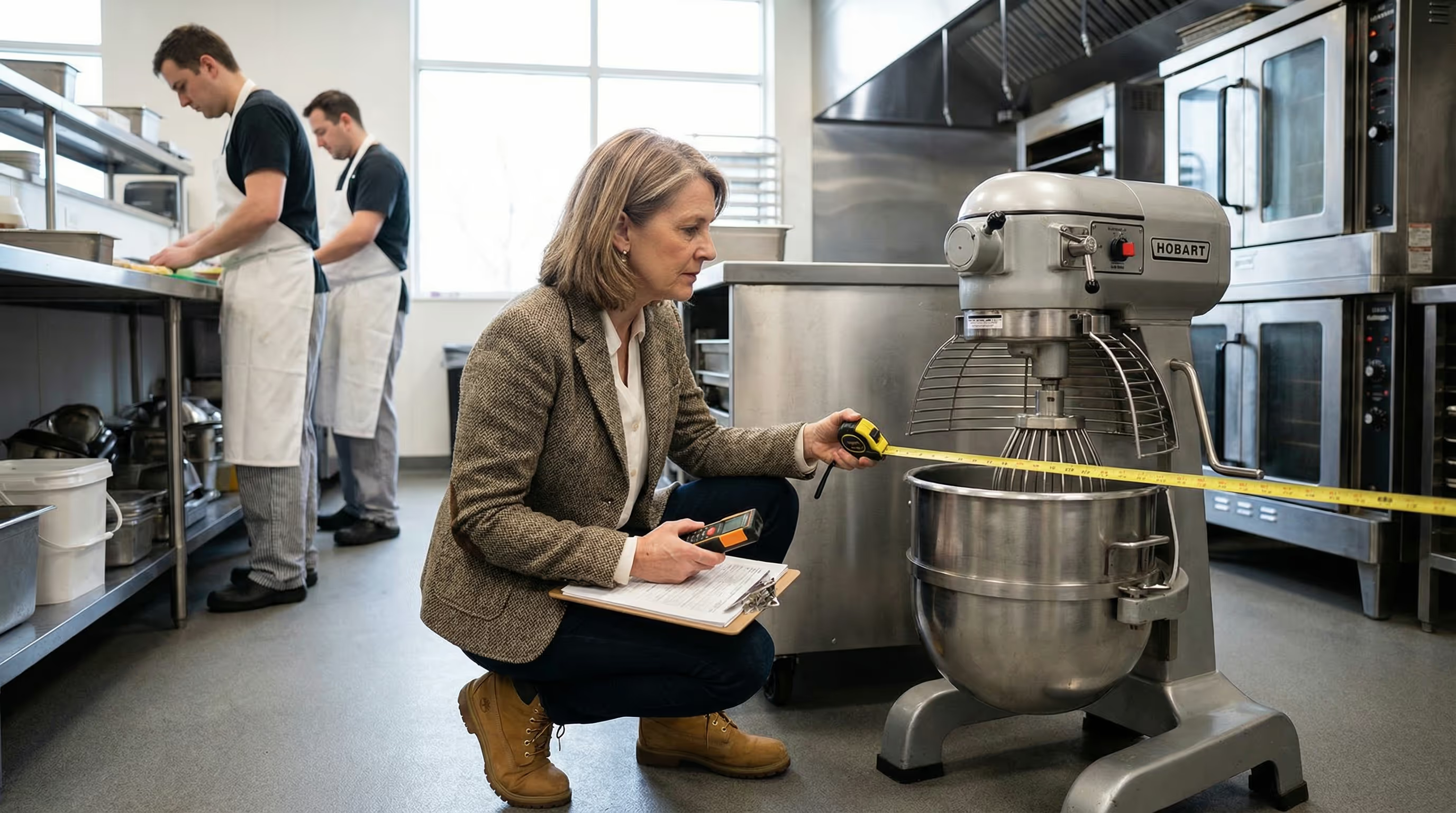
Most restaurant equipment appraisals require an onsite inspection where the appraiser photographs equipment, verifies serial numbers, assesses condition, and tests functionality when appropriate. This hands-on evaluation is crucial for determining how wear, maintenance, and operational factors affect current market value.
The appraiser then conducts market research, analyzing recent sales of comparable equipment, replacement costs, and current market conditions. They apply appropriate valuation methodologies—typically market approach, cost approach, or income approach depending on the equipment type and purpose of the appraisal. Learn more about what to expect during your restaurant equipment appraisal to better prepare for the process.

A professional restaurant equipment appraisal report contains several critical components that distinguish it from informal estimates or online valuations. The report begins with a clear statement of the appraisal's purpose, scope, and the type of value being determined—most commonly fair market value for financing or insurance purposes.
Expect detailed descriptions of each piece of equipment including manufacturer, model, serial number, age, condition, and any notable features or defects. High-quality photographs document the equipment's current state and support the appraiser's condition assessments.
The methodology section explains how the appraiser determined values, what market data they analyzed, and any assumptions or limiting conditions that affect the conclusions. This transparency allows readers to understand and trust the valuation process.
Pro tip: USPAP-compliant reports include the appraiser's certification and signature, confirming they have no bias in the assignment and followed professional standards throughout the process.
Supporting documentation might include market research data, comparable sales information, and relevant industry publications that justify the concluded values. This backup material strengthens the report's defensibility if questioned by lenders, insurers, or legal representatives.
The final report should clearly state individual equipment values and total portfolio value, making it easy for you to use the information for insurance coverage decisions, loan applications, or sale negotiations. For insights on the basics of restaurant equipment appraisals explained, review our comprehensive guide.
Restaurant equipment appraisals serve multiple business purposes beyond simple curiosity about current values. For financing decisions, accurate appraisals help secure better loan terms by providing lenders with defensible collateral valuations that reduce their risk assessment.
Insurance applications benefit significantly from professional appraisals that ensure adequate coverage limits and streamline claims processing after theft, fire, or equipment failure. Many business owners discover they're either over-insured (paying excessive premiums) or under-insured (facing significant gaps in coverage) until they obtain current appraisals.
When preparing to sell your restaurant, equipment appraisals provide negotiation leverage and help establish fair asking prices that reflect true market conditions rather than outdated purchase prices or emotional attachments to particular items.
Tax and accounting applications include depreciation schedules, asset allocation for purchase price assignments, and estate planning valuations that must meet IRS standards. Professional appraisals also support legal proceedings including divorce settlements, partnership disputes, and bankruptcy proceedings where accurate asset values are essential.
Most experts recommend updating restaurant equipment appraisals every two to three years, or whenever significant changes occur like major equipment purchases, renovations, or market disruptions that affect equipment values. Understanding when to get a restaurant equipment appraisal helps you stay ahead of your business needs.
Choosing the right restaurant equipment appraiser protects your investment and ensures you have the documentation needed for critical business decisions. Focus on credentials, industry expertise, and USPAP compliance to find an appraiser whose work will be accepted by the financial institutions, insurance companies, and legal entities you'll encounter throughout your restaurant's lifecycle. Discover the benefits of having professional restaurant equipment appraisals for your business.
AppraiseItNow provides USPAP-compliant restaurant equipment appraisals nationwide, with ASA-designated appraisers who specialize in commercial kitchen equipment valuations. Our reports are accepted by major banks, insurance companies, and courts for all business purposes including SBA loans, insurance claims, and legal proceedings.
A qualified restaurant equipment appraiser should hold professional designations from recognized organizations like the American Society of Appraisers (ASA) or International Society of Appraisers (ISA), maintain IRS "qualified appraiser" status, and provide USPAP-compliant reports. They should also have specific experience with restaurant and commercial kitchen equipment, carry professional liability insurance, and demonstrate industry expertise through references and sample work.
Restaurant equipment appraisal costs vary based on the number of items, complexity of equipment, whether an onsite inspection is required, and project timeline. Most appraisers provide fixed-fee quotes after reviewing your equipment list and understanding the appraisal's purpose. Simple single-location kitchens typically cost less than complex multi-unit operations or rush assignments.
Most restaurant equipment appraisals are completed within one to three weeks from engagement, depending on equipment complexity, data availability, and whether an onsite inspection is needed. The timeline can be shorter for desktop appraisals with complete documentation or longer for multi-location restaurants, litigation cases, or when extensive market research is required.
Yes, if your appraisal will be used for financing, insurance coverage, tax purposes, legal proceedings, or business transactions, a USPAP-compliant report from an accredited appraiser is typically required. Banks, insurance companies, courts, and the IRS expect USPAP compliance to ensure the valuation meets professional standards and is defensible for their decision-making processes.