How to Choose the Right Laboratory Equipment Appraiser

Last Updated on Aug 03, 2025
Originally Published on Aug 03, 2025
Thank you! Your submission has been received!
Oops! Something went wrong while submitting the form.
Nationwide Service
Onsite or Online
USPAP-Compliant
IRS Qualified
DEFENSIBLE, USPAP-COMPLIANT APPRAISAL REPORTS — ACCEPTED BY 10,000+ ORGANIZATIONS
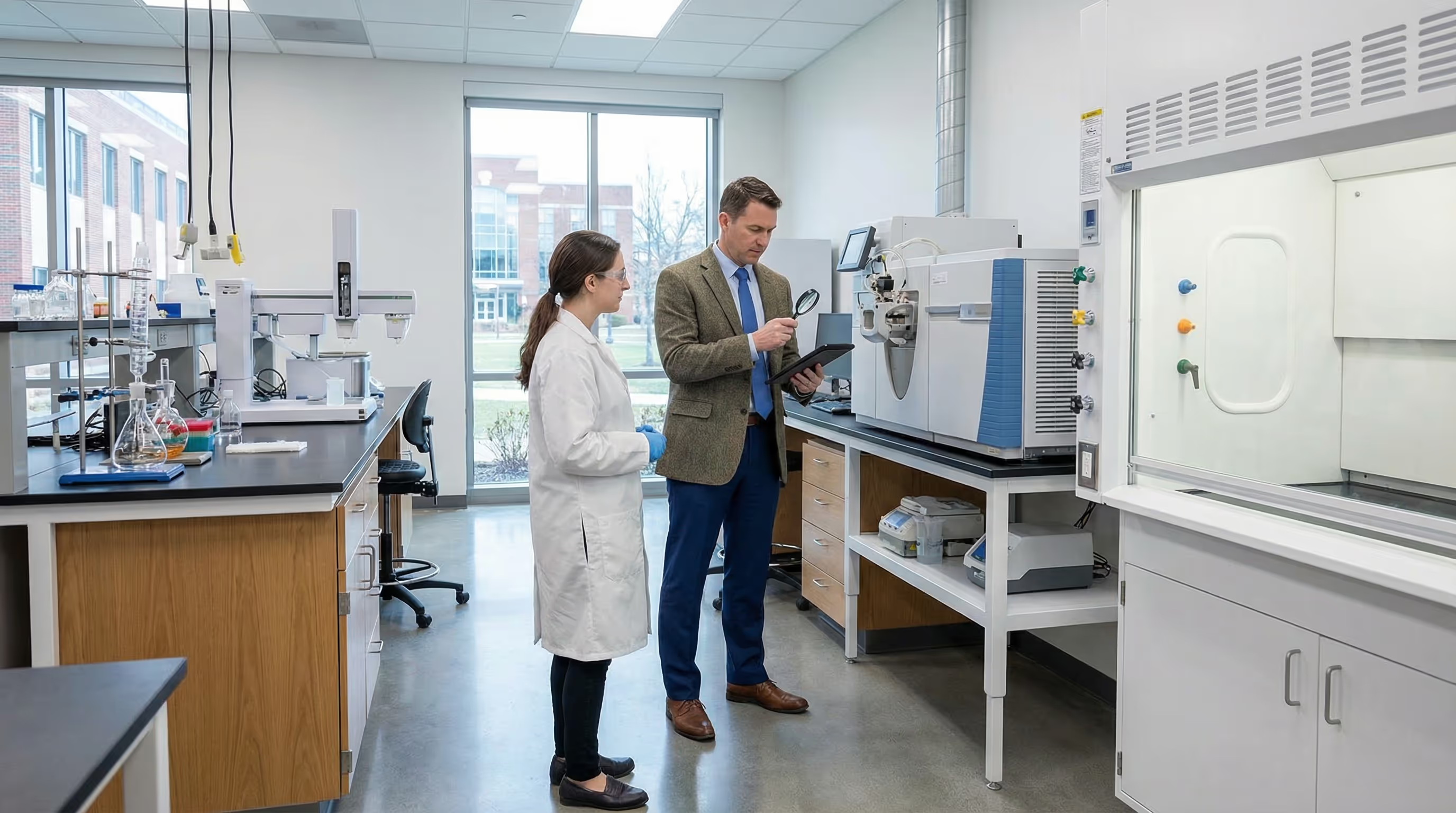
Professional appraiser examining laboratory scientific instruments

When your research lab faces an insurance audit or you're preparing to sell biotech equipment worth hundreds of thousands of dollars, the appraiser you choose can make or break your financial outcome. A qualified laboratory equipment appraiser ensures accurate valuations that stand up to IRS scrutiny, insurance claims, and legal proceedings, while an inexperienced one could cost you significant money through under-valuations or rejected reports.

Laboratory equipment appraisal requires specialized knowledge of scientific instruments, regulatory compliance, and rapidly evolving technology markets. Unlike general machinery appraisers, qualified lab equipment specialists understand the nuances of chromatography systems, microscopes, centrifuges, and biosafety equipment that can dramatically impact value.

Quick Answer: Look for appraisers with ASA or AMEA credentials, specific laboratory equipment experience, USPAP compliance, and familiarity with FDA/EPA regulations affecting your equipment type.

Why laboratory equipment appraisal quality matters

The stakes of choosing the wrong appraiser extend far beyond a simple price estimate. Poor appraisals can trigger insurance claim denials, IRS audit flags, failed loan applications, and costly legal disputes. When your lab's microscopy suite gets damaged in a flood, an under-qualified appraiser might miss critical calibration requirements or specialized software licenses, leaving you thousands of dollars short on your insurance settlement.

Laboratory equipment also faces unique valuation challenges. Regulatory compliance status, calibration history, and technological obsolescence all affect value in ways that general equipment appraisers often overlook. A mass spectrometer that's perfectly functional but lacks current FDA validation documentation might be worth significantly less than identical equipment with proper compliance records.

USPAP-compliant appraisers follow standardized methodologies that courts, insurance companies, and financial institutions recognize. This compliance isn't just paperwork - it represents rigorous training in valuation approaches, market analysis, and report writing that protects your interests when valuations are challenged. Understanding the basics of laboratory equipment appraisal can help you appreciate why professional expertise matters so much.

Essential qualifications for laboratory equipment appraisers

Professional certifications and credentials for laboratory equipment appraisal

Professional certifications separate qualified appraisers from general equipment evaluators. The American Society of Appraisers (ASA) and American Machinery and Equipment Appraisers (AMEA) offer specialized credentials requiring extensive education, testing, and ongoing professional development. These organizations maintain strict ethical standards and continuing education requirements that ensure appraisers stay current with market trends and methodology improvements.

USPAP compliance is non-negotiable for any serious appraisal work. The Uniform Standards of Professional Appraisal Practice govern how appraisers conduct their work, document their findings, and present their conclusions. IRS-qualified status means the appraiser's reports meet federal requirements for tax-related purposes, including charitable donations and estate valuations.

Beyond general credentials, look for appraisers with specific laboratory equipment expertise. Years of experience appraising microscopes, analytical instruments, and biotech equipment matter more than general machinery knowledge. The best lab equipment appraisers understand calibration requirements, regulatory compliance impacts, and the secondary markets where your equipment would actually sell.

Methodology expertise separates professional appraisers from equipment dealers offering "free evaluations." Qualified appraisers use recognized valuation approaches including cost, market, and income methods. They can clearly explain how they determine fair market value versus replacement cost, and their reports include detailed analysis supporting their conclusions rather than simple price estimates. For more insights, review these guidelines for selecting a professional appraiser for lab equipment.

How to verify appraiser credentials and experience

Start by confirming professional memberships through the issuing organizations' databases. ASA and AMEA maintain online directories where you can verify current certification status and any disciplinary actions. Don't just take an appraiser's word for their credentials - a few minutes of verification can save you from costly mistakes.

Request sample reports to evaluate the appraiser's work quality. Redacted reports should demonstrate clear methodology, comprehensive market analysis, and detailed asset descriptions. Look for reports that define their scope of work, explain assumptions and limiting conditions, and provide sufficient detail to support their value conclusions.

Pro Tip: Ask specifically about laboratory equipment projects completed in the past 24 months, not just general machinery experience. The lab equipment market evolves rapidly, and recent experience matters.

References from similar clients provide valuable insights into an appraiser's track record. Hospitals, research institutions, pharmaceutical companies, and biotech firms can share whether the appraiser's work met their needs and was accepted by intended users like insurance companies or auditors.

Verify that the appraiser carries appropriate Errors and Omissions insurance coverage. This professional liability insurance protects you if the appraiser makes significant errors that cost you money. Reputable appraisers willingly discuss their coverage limits and how they handle disputes or corrections. Learn about common mistakes to avoid during lab equipment appraisal to ensure you're asking the right questions.

Understanding laboratory equipment appraisal pricing

Laboratory equipment appraisal costs vary significantly based on project scope, equipment complexity, and documentation quality. Simple assignments involving a few standard instruments might cost $800 to $1,500, while comprehensive laboratory inventories with hundreds of specialized items can reach $5,000 to $15,000 or more.

Most qualified appraisers use flat-fee pricing for clearly defined projects or hourly rates for complex assignments with uncertain scope. Hourly rates typically range from $150 to $400 depending on the appraiser's credentials and regional market conditions. Be wary of appraisers who charge based on a percentage of equipment value, as this creates potential conflicts of interest.

Several factors drive appraisal costs beyond simple equipment counts. Geographic dispersion across multiple locations increases travel time and expenses. Poor documentation requires additional research time to identify equipment specifications and market comparables. Rush deadlines often carry premium pricing, while well-organized projects with complete asset lists and supporting documentation typically cost less. For a deeper dive into pricing considerations, check out the cost of a lab equipment appraisal and whether it's worth it.

Cost FactorImpact on PriceTypical EffectNumber of assetsHighLinear increaseMultiple locationsMedium20-40% premiumDocumentation qualityMedium15-30% savings if completeRush timelineHigh25-50% premium

What to expect during the appraisal process

Appraiser conducting laboratory equipment inspection

The appraisal process begins with defining your specific needs and scope. Whether you need fair market value for insurance purposes, replacement cost for financial reporting, or liquidation value for asset sales affects the appraiser's methodology and final conclusions. Clear communication about intended use ensures the appraiser delivers the right type of report for your situation.

Data collection forms the foundation of accurate valuations. You'll need to compile asset lists including make, model, serial numbers, acquisition dates, and current condition assessments. Supporting documentation like purchase invoices, maintenance records, calibration certificates, and user manuals helps appraisers understand equipment history and current market positioning.

On-site inspections allow appraisers to verify equipment identity, assess physical condition, and document any modifications or missing components. For laboratory equipment, appraisers also evaluate installation quality, environmental conditions, and compliance with safety regulations that affect value. Some appraisers offer virtual inspection options using detailed photos and video walkthroughs when on-site visits aren't feasible. Learn what to expect during a lab equipment appraisal to prepare your facility properly.

Market research and analysis represent the appraiser's core expertise. They research comparable sales, dealer listings, auction results, and manufacturer information to establish current market values. This process considers technological obsolescence, remaining useful life, and regulatory compliance status that significantly impact laboratory equipment values.

Final reports typically require two to six weeks depending on project complexity and documentation quality. Professional reports include detailed methodology explanations, market analysis summaries, individual asset descriptions, and clear value conclusions. The best appraisers provide post-delivery support for questions and clarifications, ensuring you understand and can defend their findings if challenged. For preparation tips, review how to prepare for a lab equipment appraisal.

Choosing the right laboratory equipment appraiser requires careful evaluation of credentials, experience, and methodology. Focus on USPAP-compliant professionals with specific lab equipment expertise, verify their track record through references and sample reports, and ensure their pricing structure aligns with your project needs. The time invested in proper appraiser selection pays dividends through accurate valuations that serve your intended purposes and withstand scrutiny when it matters most.

FAQ

What qualifications should a laboratory equipment appraiser have?

A qualified laboratory equipment appraiser should hold recognized credentials from organizations like ASA (American Society of Appraisers) or AMEA (American Machinery and Equipment Appraisers), demonstrate USPAP compliance, and have specific experience with scientific instruments. They should carry Errors and Omissions insurance, understand regulatory requirements like FDA/EPA compliance, and be able to provide sample reports and references from similar laboratory projects.

How much does a laboratory equipment appraisal cost?

Laboratory equipment appraisal costs typically range from $800 to $1,500 for simple assignments involving a few standard instruments, while comprehensive laboratory inventories can cost $5,000 to $15,000 or more. Pricing depends on factors like the number of assets, geographic dispersion, documentation quality, and timeline requirements. Most qualified appraisers use flat-fee pricing or hourly rates ranging from $150 to $400.

How long does a laboratory equipment appraisal take?

Professional laboratory equipment appraisals typically require two to six weeks depending on project complexity and documentation quality. The process includes data collection, on-site inspections, market research, and report preparation. Well-organized projects with complete asset lists and supporting documentation generally have shorter turnaround times, while rush deadlines often carry premium pricing.

What information should I prepare for a lab equipment appraisal?

Prepare comprehensive asset lists including make, model, serial numbers, acquisition dates, and current condition assessments. Gather supporting documentation such as purchase invoices, maintenance records, calibration certificates, user manuals, and any modification records. Having complete documentation organized in advance can reduce appraisal costs and improve turnaround times while ensuring more accurate valuations.

Related Appraisals We Offer

Related Articles

BEST-IN-CLASS APPRAISERS, CREDENTIALED BY: