How to Choose the Right Equipment and Machinery Appraiser (6 Essential Criteria)

Last Updated on Jul 24, 2025
Originally Published on Jul 24, 2025
Thank you! Your submission has been received!
Oops! Something went wrong while submitting the form.
Nationwide Service
Onsite or Online
USPAP-Compliant
IRS Qualified
DEFENSIBLE, USPAP-COMPLIANT APPRAISAL REPORTS — ACCEPTED BY 10,000+ ORGANIZATIONS
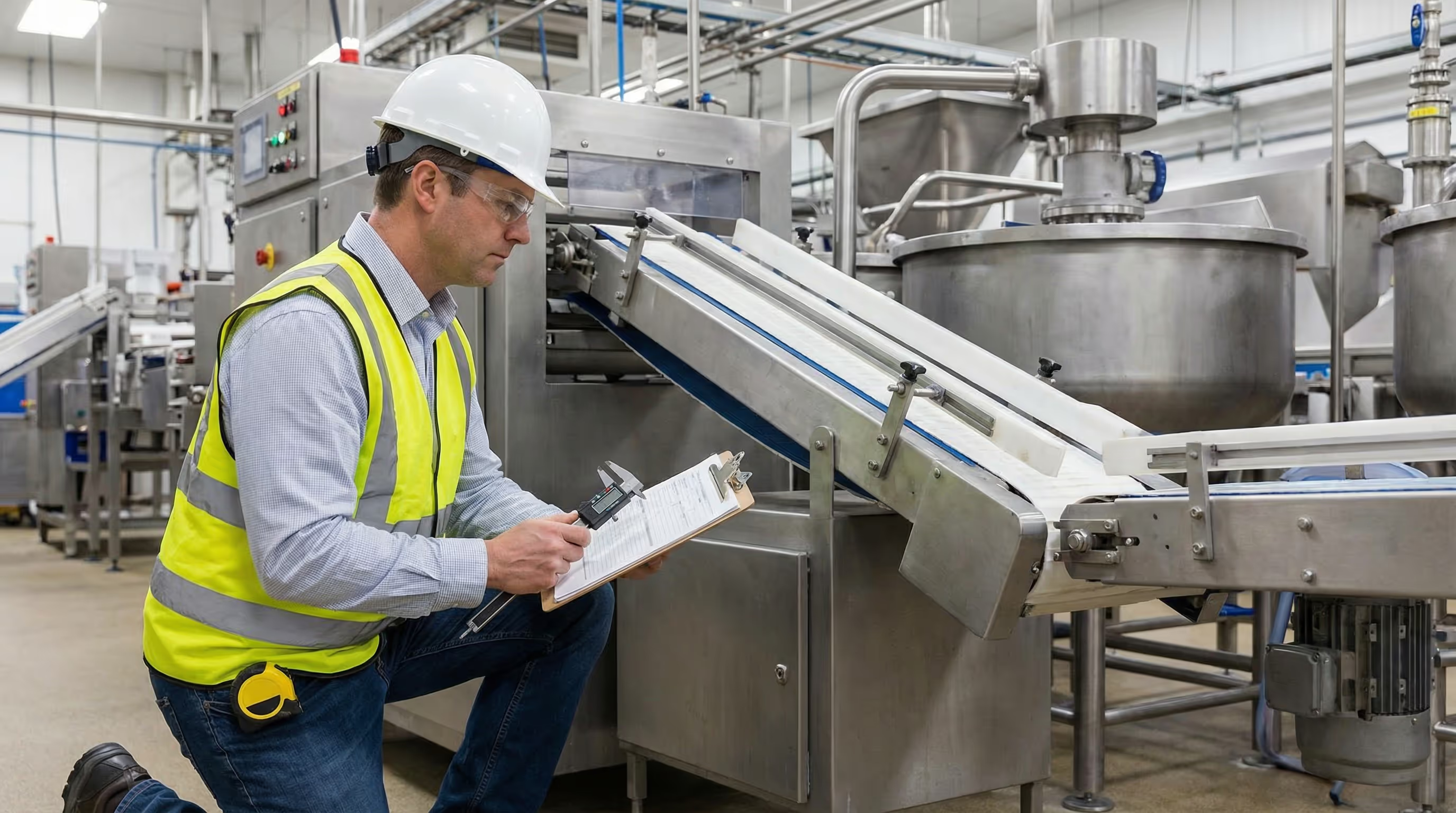
Professional appraiser inspecting industrial machinery in a manufacturing facility

Choosing the wrong equipment appraiser can cost your business thousands of dollars in denied insurance claims, rejected loan applications, or IRS disputes. When your machinery valuation needs to stand up to lenders, insurers, or the courts, you need an appraiser whose credentials and methods meet professional standards.

The difference between a qualified appraiser and an unqualified one often comes down to six key criteria: proper accreditation, USPAP compliance, industry specialization, proven track record, independence, and clear methodology. Get these right, and you'll have a defensible valuation that protects your interests. Miss them, and you might find yourself scrambling to explain why your appraisal was rejected when it mattered most.

Key Insight: Equipment appraisals that don't meet USPAP standards are often rejected by the IRS, lenders, and insurance companies, potentially costing businesses significant time and money in re-evaluations.

Essential credentials and professional accreditation

Your appraiser should hold recognized professional credentials from organizations like the American Society of Appraisers (ASA), the American Society of Equipment Appraisers (AMEA), or similar accrediting bodies. These credentials require extensive education, testing, and ongoing professional development that ensures the appraiser understands current valuation standards and methodologies.

Look for appraisers who can provide proof of their current certification status and completion of required continuing education hours. Professional appraisers typically display their credentials prominently and can easily provide documentation when requested. Be wary of anyone who hesitates to share their qualifications or seems vague about their training background. Understanding why certification matters for appraisers of equipment and machinery can help you evaluate whether your potential appraiser meets industry standards.

State licensing requirements vary by location, but many states require specific licenses for equipment appraisals used in legal proceedings or tax matters. Ask your potential appraiser about any state-specific requirements that might apply to your situation and verify they meet those standards.

Close-up of professional appraisal credentials and certification documents

USPAP compliance and industry experience matter

The Uniform Standards of Professional Appraisal Practice (USPAP) sets the ethical and performance standards that most courts, government agencies, and financial institutions require. Your appraiser must be USPAP-trained and current on their continuing education requirements. This isn't negotiable if you need your appraisal to be accepted by lenders, insurers, or the IRS.

Industry-specific experience makes a huge difference in valuation accuracy. An appraiser who specializes in manufacturing equipment will understand depreciation patterns, market conditions, and technical specifications that a generalist might miss. Ask about their experience with your specific type of equipment and request examples of similar appraisals they've completed. Whether you need agricultural equipment appraisal, medical equipment appraisals, or construction equipment valuations, specialized expertise is crucial.

Geographic market knowledge also plays a role, especially for specialized or regional equipment markets. While national databases provide baseline information, local market conditions can significantly impact equipment values. Your appraiser should understand both national trends and regional factors that affect your equipment's marketability.

Pro Tip: Always ask to see a sample appraisal report before hiring. This gives you insight into the appraiser's methodology, writing quality, and attention to detail that will be crucial for your own valuation.

Reputation, independence, and methodology transparency

Check references from recent clients, particularly those in similar industries or with comparable equipment types. Professional appraisers should readily provide references and have positive relationships with past clients. Look for appraisers who have testified in court or had their work reviewed by regulatory agencies without significant challenges.

Independence is crucial for credibility. Your appraiser shouldn't have any financial interest in the outcome of the valuation or business relationships that could create conflicts of interest. This includes avoiding appraisers who also broker or sell equipment, as this dual role can compromise objectivity.

The appraiser should clearly explain their methodology and be able to justify their approach for your specific situation. Different purposes require different valuation approaches - fair market value for tax purposes differs from replacement cost for insurance coverage. Make sure your appraiser understands your intended use and selects appropriate methods accordingly. Learn more about the steps of a proper equipment and machinery appraisal to ensure your appraiser follows best practices.

Cost factors and engagement considerations

Equipment appraisal costs typically range from $2,500 to $15,000 depending on the scope, complexity, and number of assets involved. Factors that influence pricing include the number of items being appraised, geographic locations requiring site visits, specialized equipment requiring additional research, and the type of report needed.

Be cautious of appraisers who quote significantly below market rates, as this often indicates shortcuts in research, analysis, or report preparation that can compromise the valuation's defensibility. Conversely, the most expensive option isn't automatically the best choice. Focus on value - the combination of qualifications, experience, and appropriate pricing for your specific needs.

Appraiser using tablet to document heavy industrial equipment specifications

Discuss timeline expectations upfront. Quality appraisals require adequate time for research, inspection, and analysis. Rush jobs often result in less thorough work that might not hold up under scrutiny. Most professional equipment appraisals take 2-4 weeks from engagement to final report delivery, depending on complexity and scheduling.

The right equipment appraiser protects your business interests by delivering accurate, defensible valuations that meet professional standards. By focusing on credentials, USPAP compliance, relevant experience, proven reputation, independence, and transparent methodology, you'll find an appraiser whose work stands up when it matters most. Take time to vet your options carefully - the cost of getting it right the first time is always less than dealing with a rejected or challenged appraisal later. Avoid common mistakes when getting an equipment & machinery appraisal by following these essential criteria.

Frequently Asked Questions

What qualifications should an equipment and machinery appraiser have?

A qualified equipment and machinery appraiser should hold professional designations from recognized organizations like the American Society of Appraisers (ASA), American Society of Equipment Appraisers (AMEA), or similar accrediting bodies. They must have current USPAP training, meet IRS "qualified appraiser" standards when the valuation will be used for tax purposes, and demonstrate substantial experience with your specific type of equipment and industry. Always verify their credentials are current and ask for proof of continuing education requirements.

How much does an equipment and machinery appraisal typically cost?

Equipment appraisal costs typically range from $2,500 to $15,000 depending on several factors including the number of assets being appraised, geographic locations requiring site visits, complexity of the equipment, and the type of report needed. Most appraisers charge either a flat project fee or hourly rate, with more complex assignments or those requiring expert testimony priced higher. Focus on value rather than just price - a qualified appraiser's defensible report is worth the investment.

What should be included in a professional equipment appraisal report?

A comprehensive equipment appraisal report should include the appraiser's qualifications and certifications, a clear statement of purpose and scope, detailed descriptions of each asset with photos, the valuation methodology used, market data and research supporting the conclusions, key assumptions and limiting conditions, and a signed certification of value. USPAP-compliant reports must document the methodology transparently so the opinion is defensible to lenders, insurers, or courts.

How can I verify if an equipment appraiser is reputable and qualified?

Verify an appraiser's qualifications by checking their professional designations with accrediting organizations like ASA or AMEA, confirming their USPAP training is current, and reviewing their experience with your specific equipment type. Request client references from recent similar projects, ask to see a sample report (with sensitive details redacted), and check their online presence for published articles or speaking engagements. Professional appraisers should readily provide documentation of their credentials and be transparent about their qualifications.

Related Appraisals We Offer

Related Articles

BEST-IN-CLASS APPRAISERS, CREDENTIALED BY: