How to Choose the Right Equipment and Machinery Appraisal Company

Last Updated on Sep 17, 2025
Originally Published on Sep 17, 2025
Thank you! Your submission has been received!
Oops! Something went wrong while submitting the form.
Nationwide Service
Onsite or Online
USPAP-Compliant
IRS Qualified
DEFENSIBLE, USPAP-COMPLIANT APPRAISAL REPORTS — ACCEPTED BY 10,000+ ORGANIZATIONS
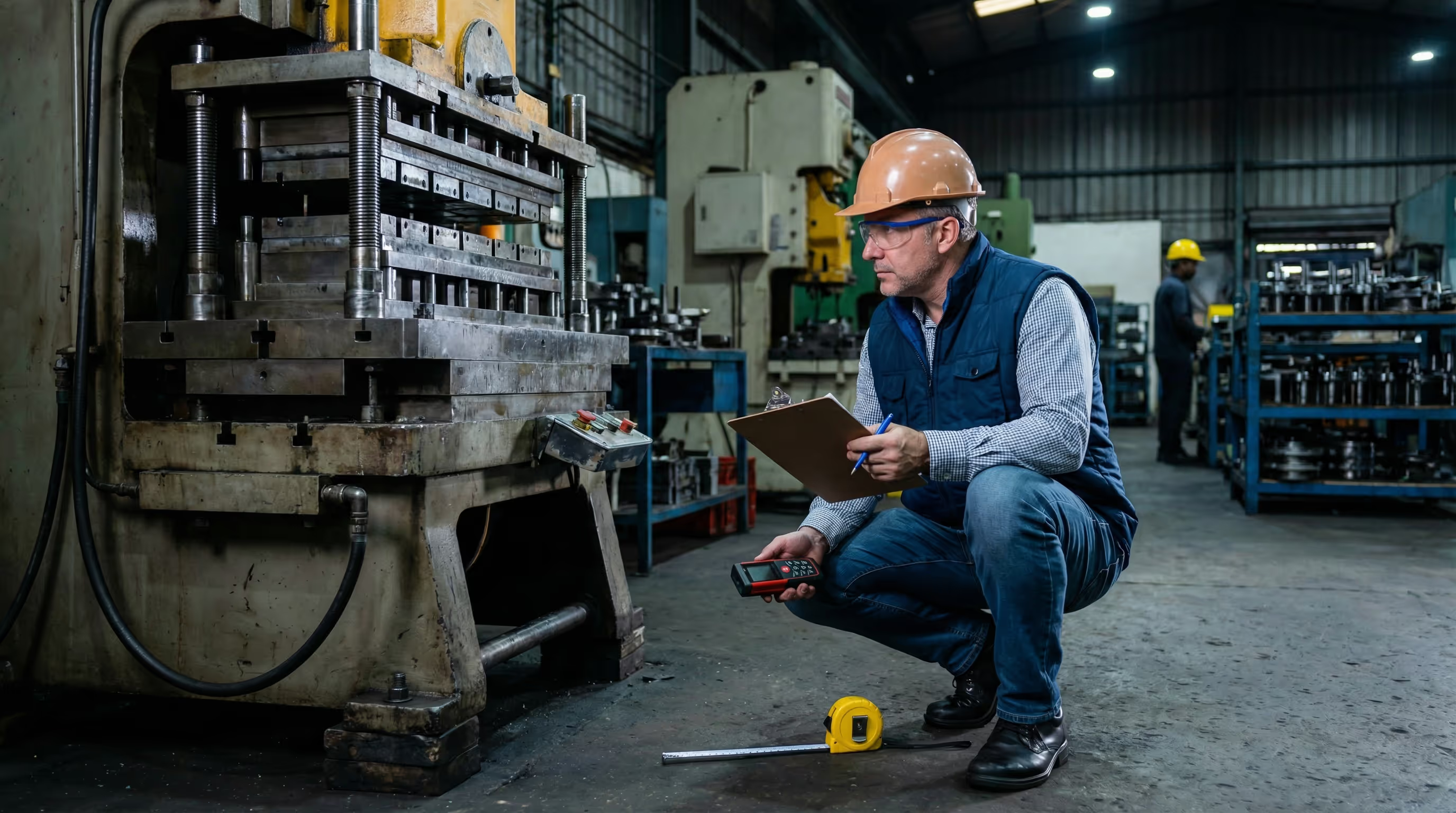
Professional appraiser inspecting industrial machinery in a manufacturing facility

Whether you're refinancing your business, updating insurance coverage, or preparing for a sale, choosing the wrong equipment appraisal company can cost you thousands of dollars and create serious headaches with lenders, insurers, or the IRS. The stakes are high when machinery valuations affect loan approvals, insurance claims, or tax compliance.

The good news is that finding the right appraiser doesn't have to be complicated. You need someone who's certified, experienced with your specific equipment type, and produces reports that banks and government agencies actually accept. By the end of this guide, you'll know exactly what to look for, what questions to ask, and how to avoid costly mistakes when selecting an equipment appraisal company.

Quick Answer: Look for IRS-qualified appraisers with relevant industry certifications (ASA, CMEA, ISA), specific experience with your equipment type, and a track record of producing USPAP-compliant reports accepted by major institutions.

What is an equipment and machinery appraisal

An equipment and machinery appraisal is a professional assessment that determines the fair market value of business assets like production equipment, vehicles, fixtures, and specialized machinery. This isn't just someone's opinion about what your equipment might be worth. It's a formal valuation conducted by certified professionals who follow strict industry standards.

The appraiser examines factors like age, condition, market demand, and comparable sales to establish credible values. These reports must follow the Uniform Standards of Professional Appraisal Practice (USPAP) to be accepted by banks, the IRS, courts, and insurance companies. Understanding the basics of equipment and machinery appraisal can help you better prepare for the process.

Certified appraiser reviewing equipment documentation and taking notes

Most appraisals focus on fair market value, which represents what a willing buyer would pay a willing seller in an open market. However, depending on your needs, appraisers might also determine orderly liquidation value, forced liquidation value, or replacement cost.

Step 1: Verify qualifications and certifications

The most important factor in choosing an appraisal company is ensuring they have the right credentials. Not all appraisers are created equal, and using an unqualified appraiser can result in rejected reports and wasted money.

Look for appraisers who hold designations from recognized professional organizations like the American Society of Appraisers (ASA), Certified Machinery and Equipment Appraisers (CMEA), or the International Society of Appraisers (ISA). These credentials require extensive education, experience, and ongoing professional development. Explaining why certification matters for appraisers of equipment and machinery can help you understand the importance of proper credentials.

For tax purposes, the IRS specifically requires "qualified appraisers" who hold designations from recognized professional organizations and have demonstrated competency in valuing the specific type of property being appraised. This isn't just a nice-to-have – it's legally required for charitable donations, estate planning, and certain business transactions.

Pro Tip: Always ask to see the appraiser's credentials and verify they're current. Expired certifications won't meet IRS or lender requirements.

Don't forget to confirm the company carries professional liability insurance. This protects you if there are errors in the appraisal that cause financial harm.

Step 2: Evaluate industry expertise and experience

Generic appraisers who claim to value "everything" often lack the specialized knowledge needed for accurate equipment valuations. You want someone who understands your specific industry and equipment types.

Ask potential appraisers about their experience with your particular assets. A construction equipment specialist will have different expertise than someone who focuses on medical devices or manufacturing machinery. They should understand industry-specific factors like utilization patterns, technological obsolescence, and regulatory requirements that affect value. Before making your decision, review questions to ask before getting an equipment and machinery appraisal.

Request examples of similar projects they've completed. An experienced appraiser should be able to discuss comparable assignments without violating client confidentiality. They should also demonstrate knowledge of your industry's market conditions and trends.

The appraiser's familiarity with your equipment type directly impacts accuracy and turnaround time. Someone who regularly values similar assets will work more efficiently and produce more credible results than a generalist learning on your dime. If you operate in a specialized sector, consider reading about different types and applications of equipment and machinery appraising.

Step 3: Understand the process and report quality

A professional appraisal company should clearly explain their process from start to finish. This typically includes initial scoping, document collection, inspection (either on-site or desktop), market research, analysis, and report preparation.

The final report is what matters most. It should include detailed descriptions of each asset, the valuation methods used, market data supporting the conclusions, and clear explanations of any assumptions or limiting conditions. Quality reports also include photographs when appropriate and a reconciliation explaining how the appraiser arrived at the final value.

Appraisal TypeWhen UsedTurnaroundCostDesktopSimple assets, rough estimates3-7 daysLowerOn-siteComplex/unique equipment1-3 weeksHigherRestrictedInternal use onlyVariableModerateFull narrativeCourt, IRS, major transactions2-4 weeksHighest

Ask to see sample reports to evaluate quality and thoroughness. The best appraisers produce reports that are clear, well-documented, and defensible if challenged by lenders, auditors, or opposing parties in legal proceedings. Learn more about the steps of a proper equipment and machinery appraisal.

Step 4: Compare costs, timelines, and scope

Equipment appraisal costs vary significantly based on the number of assets, their complexity, location, and the type of report needed. Most appraisers charge either hourly rates, per-asset fees, or project-based pricing.

Simple desktop appraisals of common equipment might cost a few hundred dollars and take less than a week. Complex on-site appraisals of specialized manufacturing lines could cost several thousand dollars and require multiple weeks to complete.

Business owner reviewing appraisal quotes and timelines on laptop

Get written estimates from multiple companies that clearly outline what's included in the scope of work. The cheapest option isn't always the best value if it results in an inadequate report that gets rejected by your lender or creates problems later.

Be wary of appraisers who quote extremely low fees without understanding your specific requirements. Quality appraisals require time for proper research and analysis. Companies that cut corners on process usually deliver substandard results. To avoid pitfalls, review common mistakes to avoid when getting an equipment and machinery appraisal.

Red Flag Warning: Avoid appraisers who guarantee specific values before conducting their analysis, refuse to provide written scope agreements, or charge fees that seem too good to be true compared to market rates.

When you need an equipment appraisal, you're making an important business decision that affects financing, insurance, taxes, or legal matters. The right appraisal company will have proper certifications, relevant industry experience, transparent processes, and reasonable fees for quality work.

Take time to verify credentials, ask detailed questions about experience, review sample reports, and compare written proposals from multiple providers. This upfront effort ensures you get accurate valuations that serve your business needs and satisfy external requirements from lenders, insurers, and government agencies. Understanding the advantages of professional equipment and machinery appraisal can help you appreciate the value of investing in quality appraisal services.

At AppraiseItNow, we provide USPAP-compliant equipment and machinery appraisals with nationwide coverage and acceptance by major institutions. Our IRS-qualified appraisers have extensive experience across industries and deliver defensible reports that support your business objectives. Contact us today to discuss your specific valuation needs and receive a detailed proposal.

Frequently Asked Questions

What qualifications should an equipment appraiser have?

A qualified equipment appraiser should hold designations from recognized professional organizations like the American Society of Appraisers (ASA), Certified Machinery and Equipment Appraisers (CMEA), or the International Society of Appraisers (ISA). They must have completed formal training, demonstrated experience in valuing your specific equipment type, and maintain current USPAP education. For tax-related work, the IRS requires "qualified appraisers" who meet specific competency and certification requirements.

How much does an equipment and machinery appraisal cost?

Equipment appraisal costs vary based on several factors including the number and complexity of assets, whether an on-site inspection is required, the type of report needed, and any special compliance requirements. Simple desktop appraisals might cost a few hundred dollars, while complex on-site appraisals of specialized equipment could cost several thousand. Most reputable firms provide written estimates after understanding your specific requirements and scope of work.

What's the difference between fair market value and replacement cost?

Fair market value represents what a willing buyer would pay a willing seller in an open market transaction, considering the equipment's current age and condition. Replacement cost estimates what it would cost to replace the equipment with new or similar functioning equipment. Fair market value is typically used for lending, sales, and tax purposes, while replacement cost is commonly used for insurance coverage decisions and financial reporting.

Do I need a USPAP-compliant equipment appraisal?

Most banks, courts, the IRS, and insurance companies expect equipment appraisals to comply with the Uniform Standards of Professional Appraisal Practice (USPAP). USPAP-compliant reports follow recognized ethical and technical standards, making them more likely to be accepted in audits, legal proceedings, or regulatory reviews. If your appraisal is for lending, litigation, tax compliance, or insurance claims, USPAP compliance is typically required.

Related Appraisals We Offer

Related Articles

BEST-IN-CLASS APPRAISERS, CREDENTIALED BY: