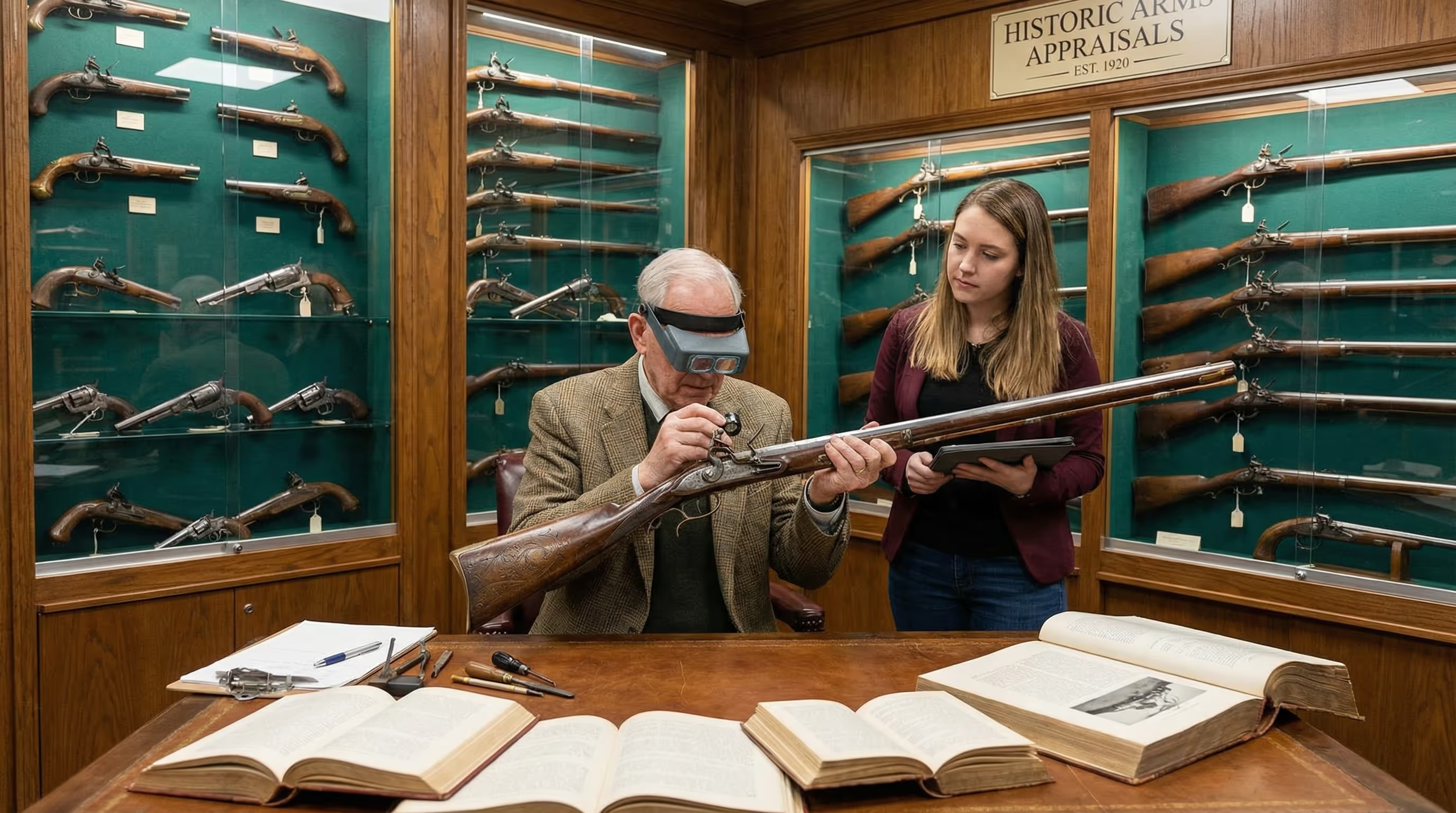
Getting the wrong antique gun appraisal can cost you thousands of dollars. Whether you're underinsuring a valuable collection, settling an estate, or preparing for a sale, choosing an unqualified appraiser puts your financial interests at risk. The difference between a proper professional appraisal and a quick online estimate can mean the difference between full insurance coverage and devastating out-of-pocket losses.
Key insight: Antique firearms manufactured before 1899 often require specialized knowledge that general appraisers lack, making expert selection critical for accurate valuations.
Here's what you need to know about selecting the right antique gun appraisal expert, understanding what drives firearm values, and ensuring you get a defensible report that meets your specific needs.
An antique gun appraisal goes far beyond looking up prices online. These specialized assessments require deep knowledge of firearm history, manufacturing variations, and current market conditions that change constantly.
Professional appraisers examine multiple factors that automated tools simply cannot assess. They evaluate the mechanical condition, inspect for original parts versus replacements, and identify rare manufacturing marks that can dramatically affect value. A Colt Single Action Army revolver from 1875, for example, might be worth $3,000 in average condition or $15,000 if it retains all original components and finish.
The legal definition of "antique" varies by jurisdiction, but in the United States, firearms manufactured before 1899 are generally considered antique. However, collectors and appraisers often use different cutoff dates depending on the context, which is why working with a specialist matters.

Your appraisal report should include detailed identification information, high-quality photographs, condition assessment, and the appraiser's methodology for determining value. This documentation becomes crucial when dealing with insurance companies, estate attorneys, or tax authorities.
Understanding what affects your firearm's value helps you communicate effectively with potential appraisers and sets realistic expectations for the final assessment.
Manufacturer and model reputation plays the largest role in determining base value. Names like Colt, Winchester, and Smith & Wesson command premium prices, while lesser-known manufacturers may have significant value if they're historically important or extremely rare.
Original condition and matching numbers can make or break a gun's value. Serial numbers that match on all major components, original factory finish, and untouched mechanical parts significantly increase worth. Even professional restoration can reduce value compared to original condition pieces.
Historical significance and provenance add substantial premiums when properly documented. A firearm with military service records, famous previous owners, or connection to historical events requires expert evaluation to verify authenticity and assess the documentation's credibility.
Important note: Online price guides and auction listings show asking prices, not actual sales prices, and rarely account for the subtle condition differences that dramatically affect value.
Rarity in the current market matters more than age alone. A common Civil War-era musket might be worth less than a scarce 1920s target pistol if collector demand is higher for the newer piece. For more insights on determining the value of an antique gun, consider the unique characteristics that set your firearm apart.
Knowing what to expect during the appraisal process helps you prepare properly and choose an appraiser who follows professional standards.
Initial consultation involves describing your firearms, sharing preliminary photographs, and clarifying your appraisal purpose. Insurance appraisals require different approaches than estate valuations or charitable donation assessments, so being clear about your needs upfront ensures you get the right type of report.
Documentation review comes next, where the appraiser examines any existing paperwork, previous appraisals, purchase receipts, and detailed photographs you can provide. For remote appraisals, high-quality photos of all markings, serial numbers, and condition details become especially important.
Physical inspection varies depending on whether you choose onsite or online service. In-person inspections allow for hands-on examination of mechanical function, bore condition, and subtle details that photos might miss. Online appraisals work well for common models in clear condition but may not be suitable for extremely valuable or condition-sensitive pieces. Learn more about what to expect during an antique gun appraisal to prepare adequately.

Market research and valuation involves checking recent comparable sales, auction results, and current dealer listings. Professional appraisers maintain databases of sales information and understand how different market venues affect pricing.
Final report delivery typically takes 3-7 business days for standard assignments. You'll receive a detailed written report with photographs, complete descriptions, and the appraiser's opinion of value based on the appropriate standard for your intended use.
Not all appraisal services are created equal, and understanding your options helps you make the right choice for your situation and budget.
Verbal opinions work for informal decisions like rough sale expectations or curiosity about inherited firearms. However, verbal estimates cannot be used for insurance documentation, estate filings, or tax purposes, and they provide no legal protection if disputes arise.
Written USPAP-compliant reports meet professional standards required by insurance companies, courts, and the IRS. These comprehensive documents include detailed methodology, comparable sales data, and professional credentials that make them defensible in legal proceedings.
Service TypeBest ForIncludesNot Suitable ForVerbal OpinionCuriosity, rough estimatesQuick assessment, basic guidanceInsurance, estate, tax purposesWritten ReportInsurance, legal, estateFull documentation, photos, methodologyInformal decisionsOnline AppraisalCommon models, clear conditionRemote assessment, digital reportComplex or extremely valuable piecesOnsite InspectionHigh-value collections, condition issuesHands-on examination, detailed assessmentSimple, low-value items
Specialist credentials matter significantly in antique firearms appraisal. Look for appraisers with specific training in antique weapons, membership in recognized professional organizations, and demonstrated experience with similar firearms to yours.
When interviewing potential appraisers, ask about their firearm-specific training, recent comparable assignments, and whether their reports meet USPAP standards. A qualified appraiser should be able to explain their methodology clearly and provide references from previous clients or professional colleagues. Before making your final decision, review these questions you should ask when hiring an antique gun appraiser.
Pro tip: Appraisers who specialize in antique firearms typically charge more than general personal property appraisers, but their specialized knowledge often results in more accurate valuations that justify the additional cost.
The investment in a professional appraisal pays for itself through proper insurance coverage, accurate estate valuations, and confident buying or selling decisions. Whether you need a single-item assessment or a complete collection evaluation, choosing the right expert ensures you get the accurate, defensible valuation your antique firearms deserve. To better understand the benefits of professional antique gun appraisals, consider how expert knowledge protects your investment.
Ready to get started with your antique gun appraisal? Contact AppraiseItNow for USPAP-compliant reports accepted by insurance companies, courts, and the IRS, with both online and onsite options available nationwide.
Look for appraisers with specific firearms experience who are certified by professional organizations like ASA, ISA, or AAA and follow USPAP standards. Verify their credentials, ask for sample reports, and ensure they regularly monitor firearm auction results and market trends. A qualified appraiser should be able to explain their methodology clearly and provide references from previous clients or professional colleagues.
Key factors include manufacturer reputation, original condition with matching serial numbers, historical significance and documented provenance, rarity in the current market, and mechanical functionality. Original factory finish and untouched components significantly increase worth, while even professional restoration can reduce value compared to original condition pieces. A Colt revolver from 1875 might be worth $3,000 in average condition or $15,000 with all original components.
Online appraisals work well for common models in clear condition and can provide useful preliminary assessments when supported by high-quality photographs and detailed descriptions. However, they may not be suitable for extremely valuable pieces, complex condition issues, or situations requiring hands-on examination of mechanical function and subtle details that photos might miss. For insurance, estate, or legal purposes, consider whether physical inspection is necessary.
A professional antique gun appraisal typically takes 3-7 business days for standard assignments after the initial consultation and documentation review. The timeline depends on the complexity of the firearms, amount of research required, and whether additional documentation needs to be verified. Rush services may be available for urgent situations, though this could affect the thoroughness of market research and comparable sales analysis.