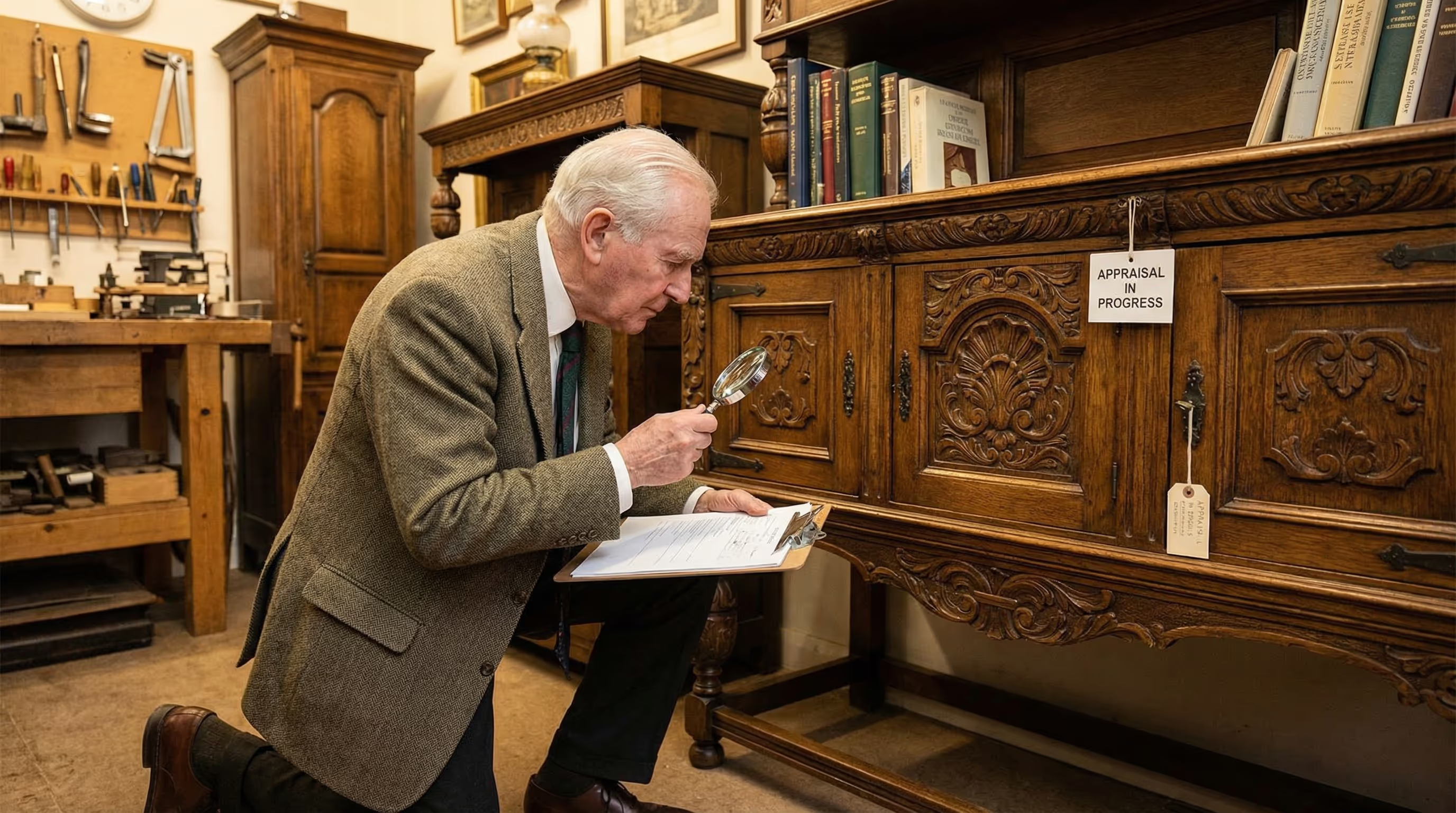
Finding the right appraiser for your antique furniture can feel overwhelming, especially when thousands of dollars might hang in the balance. Whether you're dealing with a family heirloom or a recent estate sale find, choosing the wrong appraiser could cost you significantly in insurance claims, tax deductions, or resale value.
The key to selecting a qualified antique furniture appraiser lies in understanding their credentials, experience, and approach to valuation. Professional appraisers typically charge between $50 to $150 per hour, with single-item appraisals ranging from $50 to $200, while comprehensive collections can cost $1,000 or more.
Quick Fact: Certified appraisers must complete extensive education requirements and maintain ongoing professional development to keep their credentials current with organizations like the American Society of Appraisers.
This guide walks you through the essential factors to consider when hiring an antique furniture appraiser, helping you make an informed decision that protects your investment and ensures accurate valuations.
When evaluating potential appraisers, focus on those certified by recognized professional organizations. The most respected certifications come from the American Society of Appraisers (ASA), International Society of Appraisers (ISA), and the Appraisers Association of America (AAA).
These organizations require members to complete rigorous education programs, pass comprehensive examinations, and demonstrate significant experience in their specialty areas. ASA-certified appraisers, for example, must complete at least 5 years of appraisal experience and ongoing professional development courses.
Look for appraisers who hold professional designations like "ASA" or "ISA AM" after their names. These credentials indicate they've met strict standards for education, experience, and ethical conduct. Additionally, verify that your chosen appraiser is actively involved in the antiques community and maintains a good reputation among peers and clients.

Always ask to see proof of certification and inquire about their specific experience with antique furniture. A qualified appraiser should readily provide information about their background, training, and areas of expertise without hesitation. For more guidance on this topic, review our article on how to choose the right appraiser for your antiques.
Not all appraisers are created equal when it comes to antique furniture. You want someone who specializes specifically in furniture appraisals rather than a generalist who handles everything from jewelry to artwork.
Ask potential appraisers about their experience with pieces similar to yours. If you have a Victorian dining set, find someone who regularly works with 19th-century furniture. If you own mid-century modern pieces, seek an appraiser familiar with that era's design movements and market trends.
Important Note: Experienced appraisers should be able to explain their research methods and demonstrate access to relevant databases, auction records, and market analysis tools.
Request references from recent clients and ask to see examples of previous appraisal reports. A seasoned professional will have a portfolio of work they can share and won't hesitate to connect you with satisfied customers.
Consider how long the appraiser has been practicing and whether they stay current with market trends. The antique furniture market can fluctuate significantly, and you need someone who understands current values and buying patterns. Learn more about what expertise is necessary when appraising antique furniture.
A professional appraiser should clearly explain their valuation process before beginning work. They should describe how they'll research your piece, what resources they'll consult, and how they determine fair market value.
Quality appraisers conduct thorough physical examinations, looking for maker's marks, construction techniques, and signs of restoration or damage. They also perform comprehensive market research using auction records, dealer networks, and specialized databases.
Appraisal ComponentWhat to ExpectPhysical examinationDetailed inspection of construction, materials, conditionMarket researchAnalysis of comparable sales and current market trendsDocumentationWritten report with photos and detailed descriptionsValuation methodClear explanation of how value was determined
Ask about turnaround times and what format the final report will take. Professional appraisals should include detailed photographs, comprehensive descriptions, and clear explanations of how the appraiser reached their conclusions. Understanding the process of an antique furniture appraisal can help you know what to expect.
Be wary of appraisers who provide quick estimates without thorough examination or those who seem unfamiliar with proper research methodologies.
Appraisal fees vary based on complexity, location, and the appraiser's experience level. Most charge hourly rates between $50 and $150, though some offer flat fees for single items or small collections.
Get fee estimates upfront and understand what's included. Some appraisers charge extra for travel, photography, or rush jobs. Make sure you're clear on total costs before work begins.

Verify that your chosen appraiser carries professional liability insurance and is bonded. This protects you if errors occur in the appraisal process. Additionally, ensure they follow Uniform Standards of Professional Appraisal Practice (USPAP) guidelines.
Pro Tip: Never hire an appraiser who offers to buy your items or suggests specific buyers, as this creates a conflict of interest that can compromise the appraisal's objectivity.
Request the appraisal in writing and make sure it includes all necessary components for your intended use, whether that's insurance coverage, tax purposes, or estate planning. Before you begin, review how to prepare for an antique furniture appraisal and be aware of common mistakes to avoid during an antique furniture appraisal.
Working with a qualified antique furniture appraiser protects your investment and ensures you have accurate valuations for insurance, estate, or resale purposes. Take time to research credentials, verify experience, and understand the appraisal process before making your choice. At AppraiseItNow, we connect you with certified, experienced appraisers throughout the United States who specialize in antique furniture and follow professional standards you can trust.
Look for appraisers certified by recognized organizations like the American Society of Appraisers (ASA), International Society of Appraisers (ISA), or Appraisers Association of America (AAA). These professionals must complete at least 5 years of experience, pass comprehensive examinations, and maintain ongoing education. Verify they follow USPAP guidelines and specialize specifically in antique furniture rather than general appraisals.
Professional antique furniture appraisals typically cost between $50-$200 for single items, while comprehensive collections can range from $1,000 or more. Most appraisers charge hourly rates between $50-$150. Always request written fee estimates upfront and understand what's included, such as travel costs, photography, or rush job fees.
Never hire an appraiser who offers to buy your items or suggests specific buyers, as this creates a conflict of interest. Avoid appraisers who provide quick estimates without thorough examination, lack proper certifications, or seem unfamiliar with research methodologies. Also be wary of those who cannot provide references or proof of professional liability insurance.
A comprehensive appraisal report should include detailed photographs, thorough descriptions of construction and materials, condition assessment, market research documentation, and clear explanations of the valuation methodology. The report should follow USPAP standards and be suitable for your intended purpose, whether for insurance, estate planning, or resale.