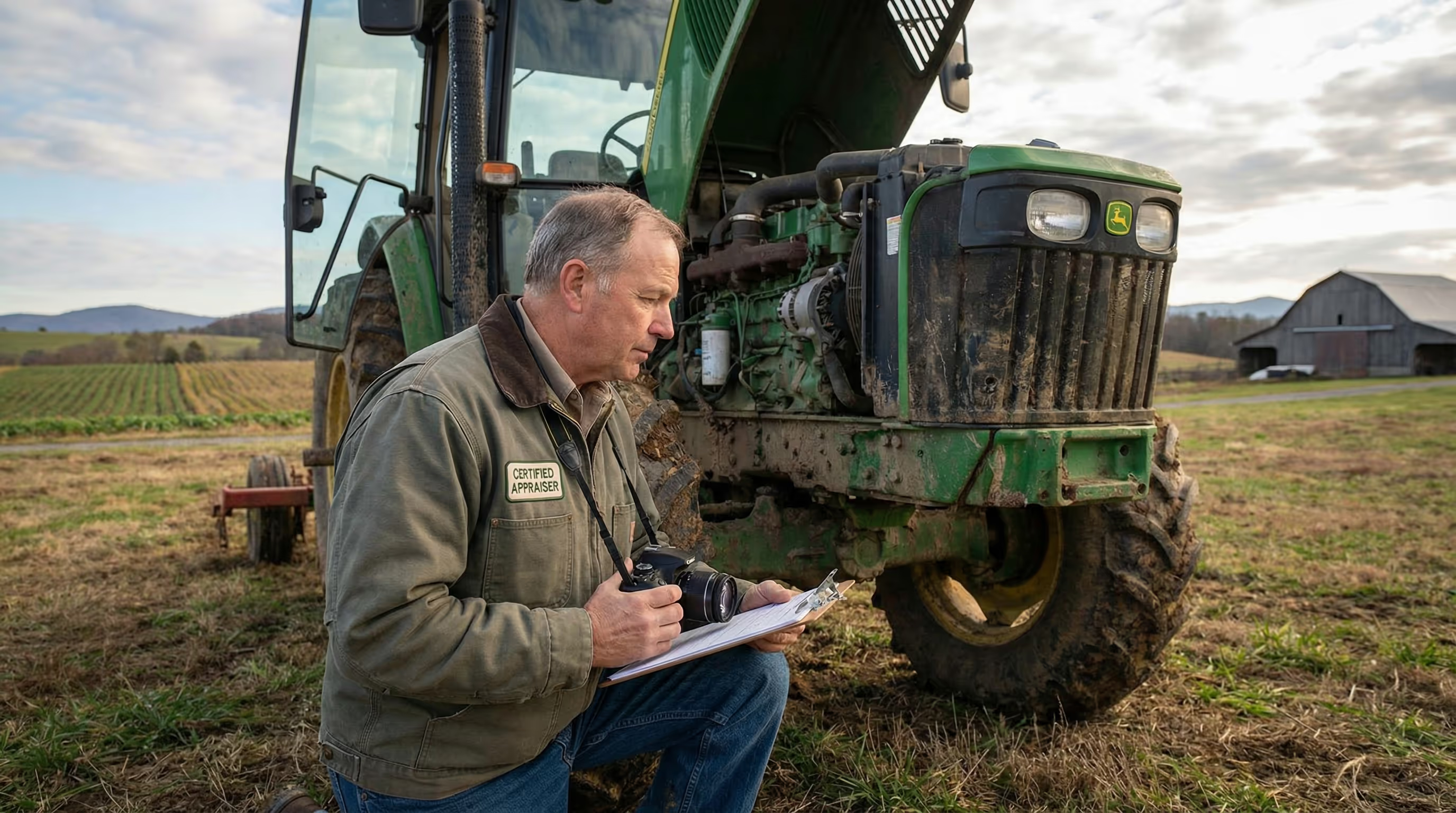
Choosing the wrong agricultural equipment appraiser could cost you thousands of dollars in undervalued farm machinery. Whether you're dealing with insurance claims, estate planning, or equipment sales, the appraiser you select directly impacts your financial outcome.
The right appraiser brings specialized knowledge of agricultural machinery markets, proper certifications, and proven experience with everything from vintage tractors to modern combine harvesters. They understand how factors like equipment age, condition, and local market demand affect valuation.
Quick fact: USPAP-compliant appraisers follow standardized methods that ensure your appraisal meets IRS, insurance, and legal requirements, protecting you from costly disputes later.
Finding a qualified professional doesn't have to be overwhelming. By focusing on key qualifications, verifying credentials, and knowing what questions to ask, you can confidently select an appraiser who delivers accurate, defensible valuations for your agricultural equipment.
When evaluating potential appraisers, start with their professional credentials. Look for certifications from recognized organizations like the American Society of Appraisers (ASA) or Certified Machinery and Equipment Appraiser (CMEA) designation. These credentials indicate the appraiser has completed rigorous training and maintains continuing education requirements.
USPAP compliance is non-negotiable. The Uniform Standards of Professional Appraisal Practice ensures your appraisal meets federal standards for tax, legal, and insurance purposes. Without USPAP compliance, your appraisal may be rejected by the IRS or insurance companies.

Agricultural background matters significantly. An appraiser with farming experience understands equipment usage patterns, maintenance requirements, and how local farming conditions affect machinery values. This knowledge leads to more accurate assessments than generic equipment appraisers provide. Understanding the advantages of hiring an expert agricultural equipment appraiser can help you make an informed decision.
Insurance coverage protects you during the appraisal process. Verify that your chosen appraiser carries professional liability insurance and errors and omissions coverage. This protection covers potential damages or losses that might occur during equipment inspection.
Your appraiser should demonstrate extensive experience with agricultural machinery similar to yours. Ask about their background with specific equipment types like tractors, combines, irrigation systems, or livestock handling equipment. Different machinery requires specialized knowledge of market values and depreciation patterns.
Years of experience in agricultural appraisal matter, but recent activity is equally important. Markets change rapidly, and an appraiser who hasn't valued farm equipment in recent years may not understand current pricing trends or technological advances affecting equipment values. Learn more about what sets professional farm equipment appraisers apart from general equipment valuators.
Key insight: An experienced agricultural appraiser can spot equipment modifications, aftermarket additions, or maintenance issues that significantly impact value but might be missed by general equipment appraisers.
Regional knowledge provides additional value. Local appraisers understand your area's farming practices, equipment preferences, and market conditions. They know which brands hold value better in your region and can account for local supply and demand factors.
Request examples of recent appraisals for equipment similar to yours. While confidential details will be redacted, these samples show the appraiser's methodology, report quality, and attention to detail. Quality appraisers provide comprehensive documentation supporting their valuations.
Start your verification process by confirming certifications with issuing organizations. The ASA and other professional bodies maintain member directories where you can verify active status and any disciplinary actions. This step takes minutes but prevents costly mistakes.
Request and contact references from recent clients. Ask specific questions about report quality, timeliness, and whether the appraisal met their needs. Pay attention to how references describe the appraiser's communication style and professionalism during the process. Before making your final decision, review these 10 essential questions to ask your farm equipment appraiser.
Check online reviews and Better Business Bureau ratings, but remember that agricultural equipment appraisal is a specialized field with limited online presence. Focus more on professional references and credentials than general review sites.
Verification MethodWhat to CheckTime RequiredProfessional DirectoryActive certification status5 minutesClient ReferencesReport quality, timeliness15-20 minutesInsurance VerificationCoverage amounts, validity10 minutesSample ReportsMethodology, detail level30 minutes
Verify insurance coverage by requesting certificates of insurance directly from the appraiser's insurance carrier. Don't rely solely on the appraiser's word about coverage amounts or policy status.
Be cautious of appraisers who guarantee specific values before inspecting your equipment. Legitimate appraisers cannot predict exact values without thorough examination and market research. Promises of inflated values for insurance or tax purposes indicate unethical practices.
Avoid appraisers who refuse to provide written reports or detailed documentation. Professional appraisals require comprehensive written reports that explain methodology, market analysis, and value conclusions. Verbal estimates alone don't meet professional standards. Familiarize yourself with common mistakes to avoid during a farm equipment appraisal to protect your interests.
Warning sign: Appraisers who lack proper certifications or claim they don't need them because of their experience are taking shortcuts that could invalidate your appraisal for legal or tax purposes.

Poor communication during initial contact often indicates problems throughout the process. Professional appraisers respond promptly to inquiries, explain their process clearly, and provide upfront information about costs and timelines.
Extremely low fees compared to other qualified appraisers may indicate corner-cutting or inexperience. While cost matters, the cheapest option often proves most expensive when appraisals are rejected or require expensive corrections later. Understanding the cost of farm equipment appraisal helps you set realistic budget expectations.
Selecting the right agricultural equipment appraiser protects your investment and ensures accurate valuations for whatever purpose you need. Focus on proper certifications, relevant experience, and thorough verification of credentials. Take time to check references and avoid obvious red flags that could lead to problems down the road. To ensure you're fully prepared, review this checklist for preparing your agricultural equipment for appraisal.
At AppraiseItNow, our network of USPAP-compliant agricultural equipment appraisers brings the specialized knowledge and professional credentials you need for accurate, defensible valuations. We connect you with qualified professionals who understand your specific equipment and local market conditions.
Look for certifications from recognized organizations like the American Society of Appraisers (ASA) or Certified Machinery and Equipment Appraiser (CMEA) designation. Ensure they have USPAP compliance, agricultural background experience, professional liability insurance, and proven references from recent farm equipment appraisals. These credentials guarantee accurate, defensible valuations that meet IRS and legal requirements.
Confirm certifications with issuing organizations like ASA through their member directories. Contact recent client references and ask about report quality, timeliness, and professionalism. Request sample reports to review methodology and detail level. Verify insurance coverage by requesting certificates directly from their insurance carrier. Check for active certification status and any disciplinary actions.
Avoid appraisers who guarantee specific values before inspection, refuse to provide written reports, lack proper certifications, have poor communication during initial contact, or offer extremely low fees compared to qualified competitors. Also be cautious of those who claim they don't need certifications due to experience, as this could invalidate your appraisal for legal or tax purposes.
USPAP (Uniform Standards of Professional Appraisal Practice) compliance ensures your appraisal meets federal standards for tax, legal, and insurance purposes. Without USPAP compliance, your appraisal may be rejected by the IRS, insurance companies, or courts. USPAP-compliant appraisers follow standardized methods that provide accurate, defensible valuations and protect you from costly disputes later.