How to Appraise Numismatic Coins: Challenges, Factors & Expert Guide

Last Updated on Nov 24, 2025
Originally Published on Nov 24, 2025
Thank you! Your submission has been received!
Oops! Something went wrong while submitting the form.
Nationwide Service
Onsite or Online
USPAP-Compliant
IRS Qualified
DEFENSIBLE, USPAP-COMPLIANT APPRAISAL REPORTS — ACCEPTED BY 10,000+ ORGANIZATIONS
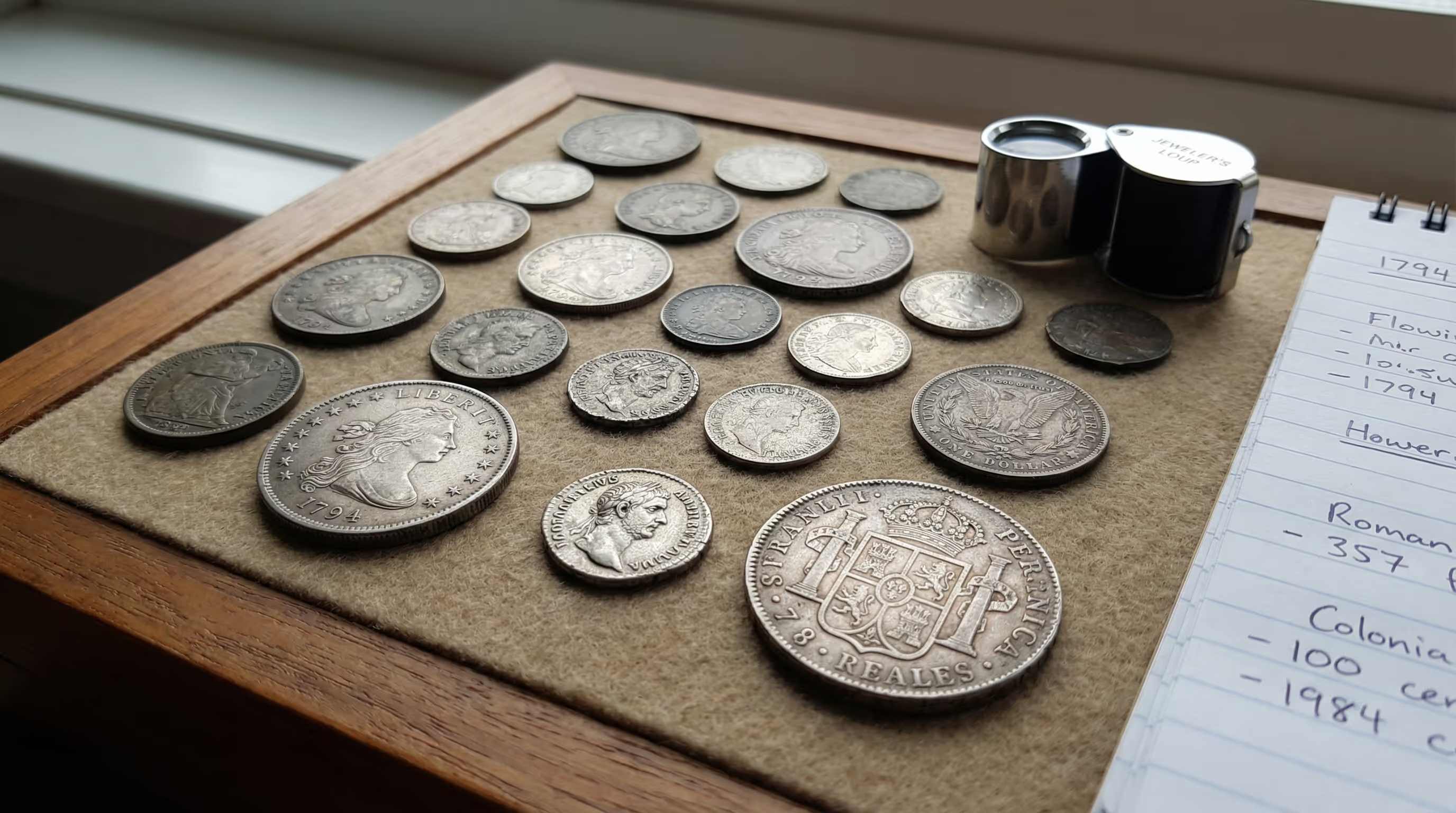
numismatic coins appraisal collection with various rare coins

Appraising numismatic coins requires far more expertise than evaluating modern currency. Unlike regular coins valued primarily by their metal content, numismatic coins derive worth from rarity, historical significance, condition, and collector demand. The global numismatic market continues to grow, with collectors worldwide seeking accurate valuations for insurance, estate planning, and investment purposes.

Key insight: Numismatic coin values can range from a few dollars to millions, with factors like mint errors, historical provenance, and condition playing crucial roles in determining worth.

Understanding how to properly appraise these collectible coins involves navigating complex grading systems, researching historical context, and staying current with market trends. Whether you own a single rare coin or an extensive collection, knowing the appraisal process helps you make informed decisions about your numismatic investments.

Understanding numismatic coin basics

Numismatic coins differ fundamentally from bullion coins in their valuation approach. While bullion coins trade based on precious metal content, numismatic coins command premiums based on collectibility factors. These coins often feature unique production methods, limited mintages, or historical significance that appeals to collectors.

The composition of numismatic coins varies widely, from common metals like copper and nickel to precious metals including gold, silver, and platinum. Some rare coins even incorporate unusual materials like palladium. However, the metal content alone rarely determines the coin's numismatic value.

coin grading with magnifying glass for numismatic evaluation

Collectors and appraisers must consider the coin's story alongside its physical attributes. A coin's journey through history, previous ownership, and cultural significance all contribute to its numismatic appeal. This complexity makes professional coin appraisal essential for accurate valuation.

Key factors affecting numismatic coin value

Several interconnected factors determine a numismatic coin's worth, with rarity typically serving as the primary driver. Coins with lower mintage numbers or those that survived in limited quantities command higher premiums. However, rarity alone doesn't guarantee value without collector interest.

Condition plays an equally important role in valuation. The Sheldon Scale, ranging from 1 to 70, provides the standard grading system for coin condition. A coin graded MS-65 (Mint State 65) will typically sell for significantly more than the same coin graded MS-60, even though both are uncirculated.

FactorImpact on ValueExampleRarityHigh1933 Double EagleConditionHighMS-70 vs MS-60 gradeHistorical significanceMedium-HighCivil War era coinsMetal contentLow-MediumSilver vs copper composition

Historical significance adds another layer of value, particularly for coins connected to important events, figures, or periods. Appraising historic coins and medals often reveals fascinating stories that significantly enhance their worth regardless of their rarity or condition.

Grading challenges in numismatic appraisals

Grading numismatic coins presents one of the most significant challenges in the appraisal process. Even experienced numismatists can disagree on a coin's exact grade, and small differences in grading can result in substantial value variations.

The subjective nature of grading creates uncertainty in the marketplace. Factors like surface quality, luster, strike quality, and eye appeal all influence a coin's grade, but these elements require expert interpretation. What one appraiser sees as MS-64 quality, another might grade as MS-63 or MS-65.

Important note: Professional grading services like PCGS and NGC provide third-party authentication and grading, but even these services occasionally disagree on the same coin when resubmitted.

Environmental factors also complicate grading decisions. Toning, which refers to natural color changes on a coin's surface over time, can either enhance or detract from a coin's appeal depending on its quality and distribution. Some collectors prize attractive toning, while others prefer original surfaces. Understanding common mistakes when appraising coins can help you avoid costly errors in the grading process.

Appraising ancient and foreign coins

Ancient and foreign coins present unique appraisal challenges that require specialized knowledge of world history, currency systems, and cultural contexts. These coins often lack standardized references, making research more complex and time-consuming.

Identifying ancient coins requires understanding historical periods, ruling dynasties, and regional variations in coinage. Many ancient coins feature inscriptions in dead languages or use dating systems unfamiliar to modern collectors. This complexity demands extensive research and often consultation with specialized references.

ancient and foreign coins historical collection from world currencies

Foreign coins from more recent periods still require knowledge of international monetary systems, political changes, and regional collecting markets. A coin that's common in its country of origin might be rare and valuable in other markets, or vice versa.

Market dynamics for ancient and foreign coins can be unpredictable, with values influenced by archaeological discoveries, political events, or changes in collecting trends. Understanding fluctuations in coin prices becomes essential for accurate appraisals in this specialized segment of numismatics.

Professional appraisal process for numismatic coins

The professional numismatic appraisal process begins with proper identification and authentication. Appraisers must verify a coin's genuineness before proceeding with valuation, as counterfeits and altered coins are common in the numismatic market.

Documentation plays a crucial role throughout the appraisal process. Professional appraisers research comparable sales, auction records, and market trends to support their valuations. They also consider the specific purpose of the appraisal, whether for insurance, estate planning, or sale preparation.

Pro tip: USPAP-compliant appraisals provide the most defensible valuations for legal and insurance purposes, ensuring your appraisal meets professional standards.

The final appraisal report should include detailed descriptions, high-quality photographs, and clear explanations of the valuation methodology. This documentation becomes essential for insurance claims, estate settlements, or future sales. Properly preparing for a coin appraisal ensures you get the most accurate valuation possible.

Working with experienced numismatic appraisers ensures you receive accurate valuations that reflect current market conditions. Professional appraisers bring specialized knowledge, access to research resources, and understanding of market nuances that casual collectors typically lack.

The complexity of numismatic coin appraisal makes professional expertise invaluable for anyone dealing with valuable coins. Whether you're building a collection, planning an estate, or need insurance valuations, understanding these challenges helps you work effectively with qualified coin appraisers to protect your numismatic investments.

FAQ

What makes numismatic coin appraisal more challenging than regular coin valuation?

Numismatic coin appraisals face unique complexities including subjective grading using the Sheldon Scale (1-70), assessing rarity and historical significance, detecting counterfeits and alterations, and understanding global market dynamics. Unlike bullion coins valued by metal content, numismatic coins require expert evaluation of condition, provenance, eye appeal, and collector demand, making professional expertise essential for accurate valuations.

How does the Sheldon Scale grading system affect coin values?

The Sheldon Scale ranges from 1 (Poor, barely identifiable) to 70 (Perfect Mint State), with small grade differences creating substantial value variations. For example, a coin graded MS-65 typically sells for significantly more than the same coin graded MS-60. Professional grading services like PCGS and NGC provide standardized assessments, but even experts can disagree on exact grades due to subjective factors like luster, strike quality, and eye appeal.

Should I get my numismatic coins professionally certified before appraisal?

Yes, for high-value numismatic coins, professional certification through PCGS or NGC is highly recommended. Third-party grading services authenticate coins, prevent counterfeits, standardize condition assessments, and significantly boost resale value and market acceptance. Certified coins are essential for insurance purposes, estate planning, and auction sales, as they provide defensible documentation of authenticity and grade.

What special considerations apply when appraising ancient or foreign numismatic coins?

Ancient and foreign coins require specialized knowledge of world history, currency systems, and cultural contexts. Challenges include identifying coins with inscriptions in dead languages, understanding historical dating systems, researching regional collecting markets, and accessing limited reference materials. Values can be unpredictable due to archaeological discoveries, political events, or collecting trend changes, making expert consultation essential for accurate appraisals.

Related Appraisals We Offer

Related Articles

BEST-IN-CLASS APPRAISERS, CREDENTIALED BY: