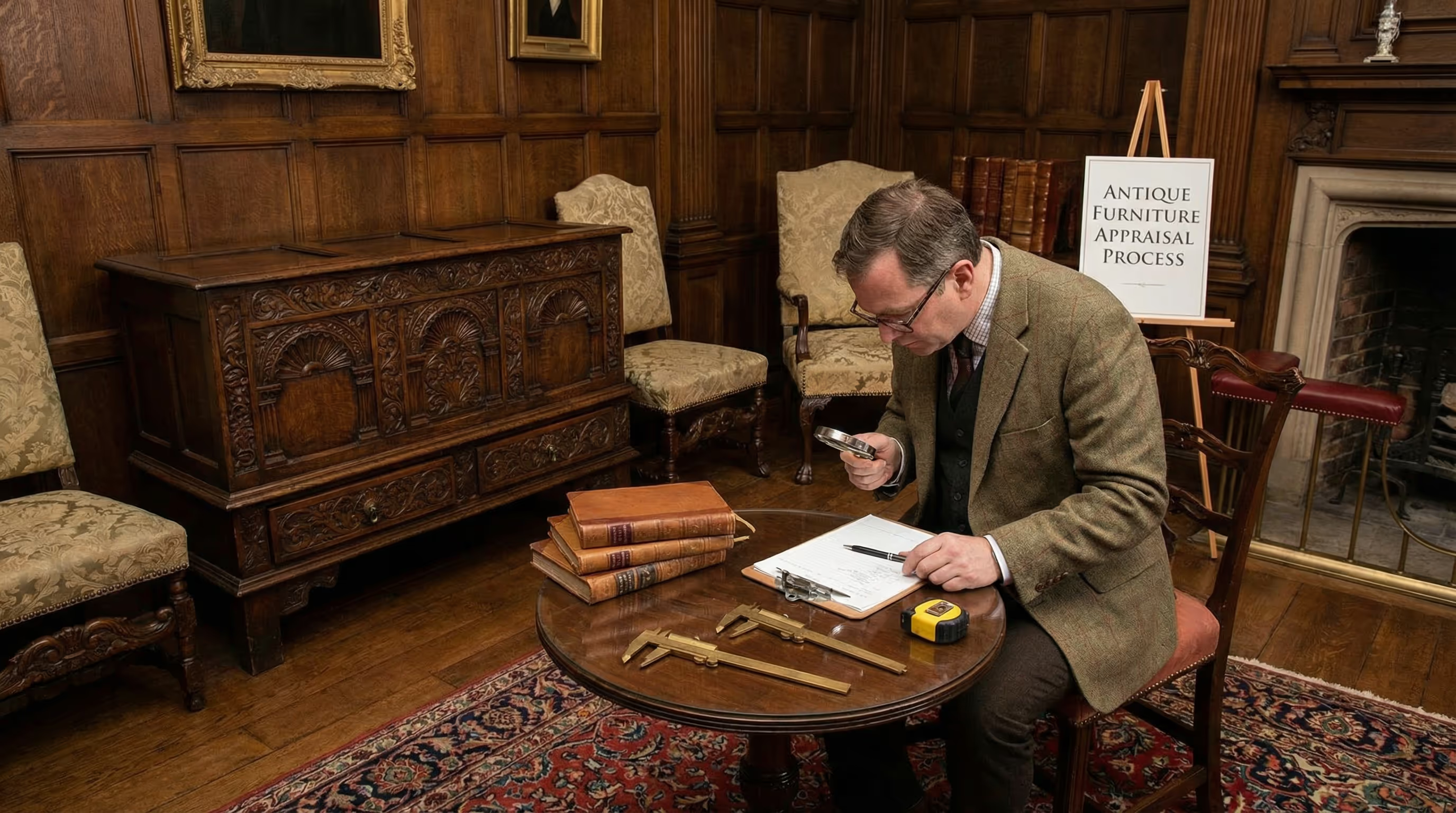
How to Appraise Antique Furniture: Step-by-Step Guide for Accurate Valuation

Last Updated on Nov 06, 2025
Originally Published on Nov 06, 2025
Thank you! Your submission has been received!
Oops! Something went wrong while submitting the form.
Nationwide Service
Onsite or Online
USPAP-Compliant
IRS Qualified
DEFENSIBLE, USPAP-COMPLIANT APPRAISAL REPORTS — ACCEPTED BY 10,000+ ORGANIZATIONS
Antique furniture appraisal process overview

Getting your antique furniture appraised can feel overwhelming, especially when you're unsure what the process involves or how to prepare. Whether you inherited a family heirloom or discovered a potential treasure at an estate sale, understanding the appraisal process helps you make informed decisions about insurance, sales, or estate planning.

An antique furniture appraisal typically takes 1-3 hours for a single piece and costs between $300-$800, depending on complexity. The process involves physical inspection, documentation review, market research, and a detailed written report that establishes fair market value for your specific needs.

Pro tip: Gather any original receipts, family history, or previous appraisals before your appointment. This documentation can significantly impact the final valuation and streamline the process.

Preparing your antique furniture for appraisal

Think of preparation as setting the stage for success. The more information you provide, the more accurate your appraisal will be. Start by gathering any documentation you have about the piece, including purchase receipts, previous appraisals, certificates of authenticity, or family stories about its origin.

Take high-quality photographs from multiple angles, including close-ups of any maker's marks, signatures, or unique details. Measure the piece carefully and note its current condition, including any damage, repairs, or modifications you're aware of.

Clean the furniture gently, but avoid using harsh chemicals or attempting major repairs. Sometimes what appears to be damage might actually be valuable patina or original finish that adds to the piece's authenticity and value. For more detailed guidance, check out our comprehensive article on how to prepare for an antique furniture appraisal.

Antique furniture documentation and photos

Understanding the physical inspection process

During the appraisal, your appraiser becomes a detective, examining every detail of your furniture. They'll start by assessing the overall style, period, and construction methods to determine age and authenticity.

The appraiser will examine joints and construction techniques closely. Hand-cut dovetail joints, for example, often indicate older, more valuable pieces, while machine-made joints suggest later production. They'll also check for original hardware, finishes, and any signs of repair or alteration.

Materials play a crucial role in valuation. Solid wood construction typically commands higher values than veneer or composite materials. The appraiser will identify wood types, examine grain patterns, and look for consistency throughout the piece. Understanding what expertise is necessary when appraising antique furniture can help you appreciate the depth of knowledge required for accurate valuations.

Key insight: Original maker's marks, stamps, or labels can dramatically increase value. Even faded or partially visible marks provide important clues about the piece's origin and authenticity.

Key factors that determine antique furniture value

Age alone doesn't determine value. A 200-year-old mass-produced piece might be worth less than a 50-year-old designer creation. Rarity, craftsmanship quality, and current market demand all influence the final valuation.

Condition significantly impacts value, but it's not always straightforward. Some wear and patina can actually enhance authenticity and value, while other damage might require costly restoration. Your appraiser will assess whether any condition issues add character or detract from worth. Learn more about understanding the value of antique furniture by examining quality and rarity.

Provenance, or the piece's documented history, can substantially increase value. Furniture owned by notable figures, created by famous makers, or associated with significant historical events commands premium prices in the market.

Valuation TypePurposeTypical Value RangeFair Market ValueEstate, donation, saleMarket-based pricingReplacement ValueInsurance coverage25-50% higher than FMVAuction EstimateConsignment planningOften 60-80% of FMV

What to expect in your appraisal report

Your final appraisal report serves as an official document establishing your furniture's value for legal, insurance, or financial purposes. The report will include detailed descriptions, measurements, photographs, and a thorough condition assessment.

The appraiser will provide market analysis, comparing your piece to similar items recently sold or currently available. This comparative approach ensures your valuation reflects current market conditions rather than outdated pricing. To better understand the process of an antique furniture appraisal, review what professional appraisers include in their comprehensive reports.

Most reports also include recommendations for care, insurance coverage amounts, and suggested reappraisal timelines. Professional appraisers typically recommend updating valuations every 3-5 years to account for market changes and condition updates.

Important note: Appraisal values can vary significantly based on purpose. Insurance replacement values are typically higher than fair market values to account for retail markups and replacement costs.

Professional appraisal report example

Getting your antique furniture professionally appraised provides peace of mind and protects your investment. Whether you're planning for insurance coverage, estate distribution, or potential sale, a qualified appraisal gives you the documentation and knowledge you need to make confident decisions about your valuable pieces. Before making any decisions, be sure to review our guide on things to consider before selling antique furniture and explore how to choose the right appraiser for your antiques.

At AppraiseItNow, our certified appraisers specialize in antique furniture evaluation and provide comprehensive reports accepted by insurance companies, courts, and financial institutions nationwide. Contact us today to schedule your consultation and discover the true value of your antique furniture.

FAQ

How much does an antique furniture appraisal cost?

An antique furniture appraisal typically costs between $300-$800 for a single piece, depending on complexity and the appraiser's expertise. The process usually takes 1-3 hours and includes physical inspection, documentation review, market research, and a detailed written report. Avoid appraisers who charge a percentage of the item's value, as this creates a conflict of interest.

What should I bring to an antique furniture appraisal?

Gather any original receipts, purchase documentation, previous appraisals, certificates of authenticity, and family history about the piece's origin. Take high-quality photographs from multiple angles, including close-ups of maker's marks or unique details. Measure the furniture carefully and document its current condition, including any known damage or repairs.

How often should antique furniture be reappraised?

Professional appraisers typically recommend updating antique furniture valuations every 3-5 years to account for market changes and condition updates. You should also consider reappraisal after significant market shifts, damage, major moves, or life events like inheritance to ensure accurate insurance coverage and current market values.

What's the difference between fair market value and replacement value?

Fair market value represents what a willing buyer would pay a willing seller in the current market, typically used for estate planning, donations, or sales. Replacement value is usually 25-50% higher than fair market value and represents the cost to replace the item with a similar piece, primarily used for insurance coverage to account for retail markups and replacement costs.

Related Appraisals We Offer

Related Articles

BEST-IN-CLASS APPRAISERS, CREDENTIALED BY: