How to Accurately Appraise Antique Silver: Expert Step-by-Step Guide

Last Updated on Nov 27, 2025
Originally Published on Nov 27, 2025
Thank you! Your submission has been received!
Oops! Something went wrong while submitting the form.
Nationwide Service
Onsite or Online
USPAP-Compliant
IRS Qualified
DEFENSIBLE, USPAP-COMPLIANT APPRAISAL REPORTS — ACCEPTED BY 10,000+ ORGANIZATIONS
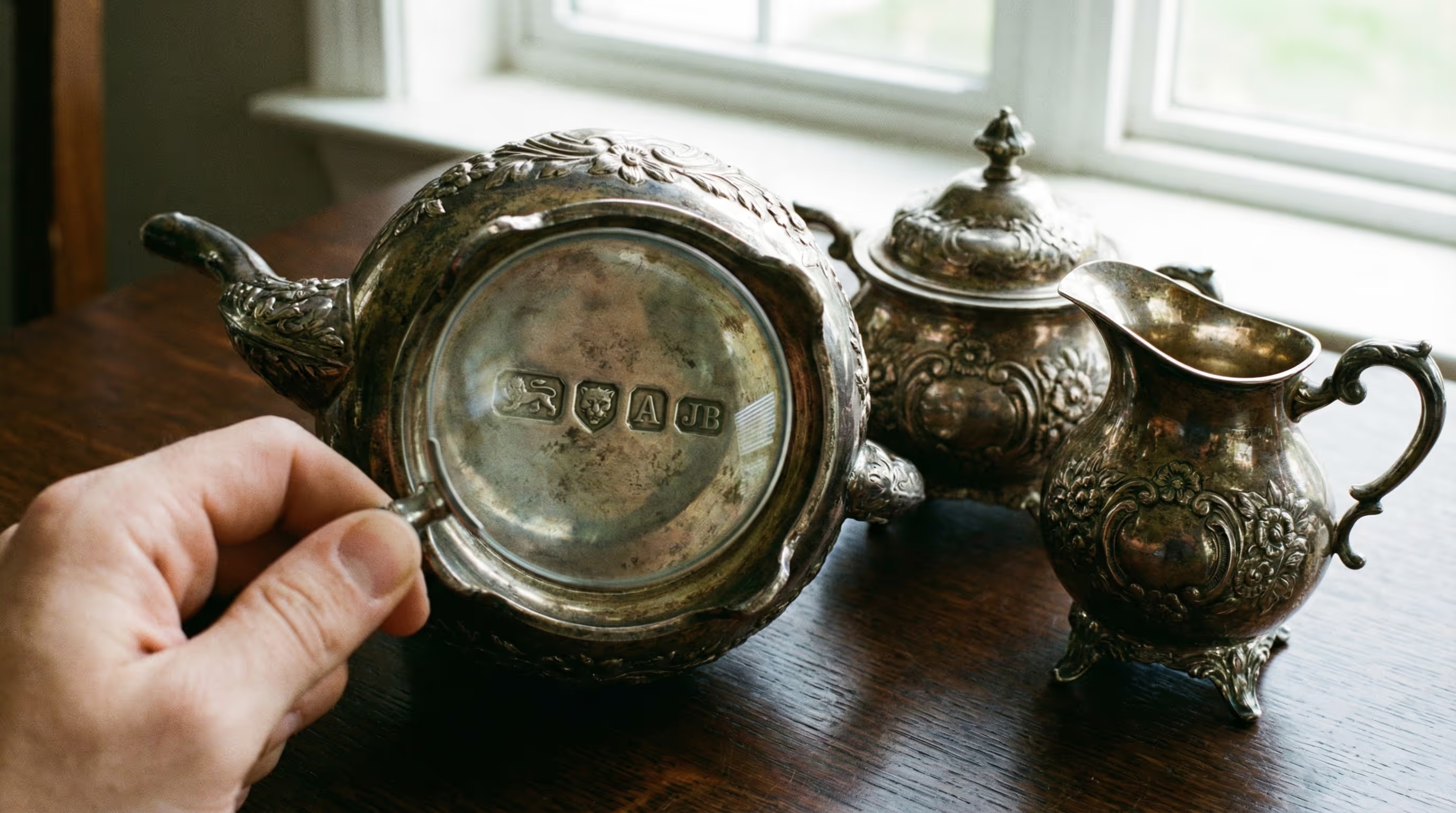
antique silver tea set with hallmarks close up

Picture this: you've inherited your grandmother's ornate silver tea service, and you're wondering if it's worth hundreds or thousands of dollars. Without proper knowledge, you might sell it for scrap metal prices or underinsure it by significant amounts. The difference between sterling silver and silver plate alone can mean thousands in value.

Accurately appraising antique silver requires understanding hallmarks, condition assessment, and market research. Most antique silver pieces fall into specific categories: sterling silver (92.5% pure), silver plate, or coin silver, each with distinct value ranges. Professional appraisals become essential when pieces exceed $1,000 in estimated value or serve legal purposes like insurance or estate division.

Quick Fact: Sterling silver contains 92.5% pure silver and 7.5% alloy (usually copper), while silver plate has only a thin coating over base metal, creating dramatic value differences.

This guide walks you through the systematic approach professionals use to evaluate antique silver, helping you make informed decisions about your pieces.

What is an antique silver appraisal and why it matters

An antique silver appraisal is a professional assessment that determines the fair market value of silver objects based on age, condition, rarity, and current market demand. Unlike quick estimates or online calculators, formal appraisals follow Uniform Standards of Professional Appraisal Practice (USPAP) guidelines.

You need appraisals for several key purposes. Insurance companies require them to establish replacement values for coverage. Estate planning uses them for equitable distribution among heirs. The IRS requires qualified appraisals for charitable donations over $5,000. Divorce proceedings rely on them for asset division.

The appraisal process differs significantly from simple valuation. Professional appraisers examine physical characteristics, research provenance, analyze comparable sales, and document findings in detailed reports. This documentation becomes legally defensible evidence of value. For a comprehensive understanding of when professional expertise becomes necessary, consider reading about when to turn to a professional for help with an antique silver appraisal.

Expert Tip: Fair market value (what a willing buyer pays a willing seller) differs from replacement value (insurance cost) and liquidation value (quick sale price).

Main factors that determine antique silver value

Several interconnected factors create the final value assessment for antique silver pieces. Understanding these helps you recognize valuable items and avoid costly mistakes.

Age and historical period significantly impact value. Georgian silver (1714-1830) commands premium prices due to superior craftsmanship. Victorian pieces (1837-1901) vary widely based on style and maker. Art Deco silver (1920s-1930s) attracts collectors for distinctive designs.

Maker reputation drives substantial value differences. Renowned silversmiths like Tiffany & Co., Gorham, or Paul Revere create pieces worth multiples of unmarked items. Even lesser-known quality makers add significant premiums over mass-produced pieces.

Condition affects value dramatically. Original patina increases worth, while over-polishing reduces it. Dents, repairs, or missing parts decrease value substantially. Monograms can either add historical interest or reduce marketability depending on context.

Rarity and demand create the highest values. Limited production runs, unusual patterns, or pieces with documented provenance command premium prices. Market trends also influence demand for specific styles or periods. To better understand the nuances of understanding the value of antique silver appraisals, explore how these factors interact in real-world scenarios.

Step-by-step process to evaluate antique silver yourself

Start with a thorough visual inspection. Examine the piece under good lighting, noting overall condition, construction quality, and any visible markings. Measure dimensions and weigh the piece if possible, as silver's density helps confirm authenticity.

Look for hallmarks and maker's marks next. These small stamps usually appear on the bottom or back of pieces. Sterling silver shows "925," "Sterling," or quality marks like the British lion passant. Silver plate displays "EPNS" (Electroplated Nickel Silver) or similar designations.

Assess the construction and craftsmanship carefully. Hand-forged pieces show slight irregularities that indicate quality work. Machine-made items have uniform patterns and thickness. Examine joints, handles, and decorative elements for signs of quality or mass production.

Research the maker and pattern using hallmark reference books or online databases. Document any inscriptions, dates, or decorative motifs that help identify origin and age. This information becomes crucial for market comparison. For practical guidance on preparing for an antique silver appraisal, ensure you have all necessary documentation ready.

Compare your findings with recent auction results and dealer prices. Search completed sales on auction sites, review specialized silver auction houses, and check antique dealer listings for similar pieces. Focus on items matching your piece's maker, pattern, age, and condition.

silver hallmark magnification showing sterling marks

How to identify sterling silver, silver plate, and other silver types

Understanding silver types prevents costly misidentification. Sterling silver contains 92.5% pure silver, making it valuable for both metal content and craftsmanship. Silver plate has only a thin silver coating over base metal, worth significantly less.

Silver TypePurityCommon MarksTypical Value RangeSterling Silver92.5%925, Sterling, LionHigh - collector + metalCoin Silver90%Coin, 900Moderate - historical valueBritannia Silver95.8%Britannia, 958High - premium qualitySilver PlateCoating onlyEPNS, PlatedLow - decorative only

Test methods help confirm authenticity when markings are unclear. The magnet test works as a first step since silver is not magnetic, though this doesn't guarantee purity. Weight comparison helps since silver is denser than most base metals used in plating.

Professional testing becomes necessary for valuable or unmarked pieces. Acid tests can damage surfaces, so electronic testing or X-ray fluorescence provides non-destructive analysis. These methods give precise purity readings essential for accurate valuation.

Sheffield plate represents a special category from the 18th and 19th centuries. This process fused silver sheets to copper cores, creating pieces more valuable than electroplate but less than sterling silver.

Important Note: Never rely solely on visual inspection for valuable pieces. Professional testing confirms purity and prevents costly mistakes in valuation.

When you need a professional USPAP-compliant appraisal

Certain situations require professional appraisals rather than self-evaluation. Insurance coverage for items over $1,000 typically needs formal documentation. Estate planning, divorce proceedings, and charitable donations over $5,000 require IRS-qualified appraisers.

Look for appraisers with proper credentials. The American Society of Appraisers (ASA) and International Society of Appraisers (ISA) maintain strict standards. USPAP compliance ensures the appraisal meets legal requirements for court proceedings and tax purposes. Learn more about identifying the best antique silver appraisers to ensure you work with qualified professionals.

Professional appraisal reports include detailed descriptions, high-quality photographs, methodology explanations, and market data analysis. These documents provide legally defensible value evidence and satisfy insurance company requirements.

The cost typically ranges from $300 to $800 for comprehensive silver appraisals, depending on complexity and number of pieces. This investment protects against underinsurance, ensures fair estate distribution, and maximizes tax benefits for charitable donations. For insights into the cost of an antique silver appraisal, understand what factors influence pricing.

AppraiseItNow specializes in antique silver appraisals with certified professionals who understand both historical significance and current market conditions. Their USPAP-compliant reports satisfy all legal and insurance requirements while providing the detailed analysis you need for confident decision-making.

professional appraiser examining antique silver with tools

Understanding these fundamentals helps you make informed decisions about your antique silver pieces. Whether you're managing an inheritance, planning insurance coverage, or considering a sale, this systematic approach ensures you recognize true value and avoid costly mistakes. When in doubt, professional appraisal provides the expertise and documentation necessary for significant pieces or legal requirements.

Frequently Asked Questions About Antique Silver Appraisals

How can I tell if my antique silver is sterling silver or silver plate?

Look for hallmarks such as "925," "Sterling," or quality marks like the British lion passant. Silver plate typically shows "EPNS" (Electroplated Nickel Silver) or similar designations. Additionally, examine areas of heavy wear - solid silver maintains consistent color throughout, while plated items may reveal different base metals on worn edges. Professional testing provides definitive confirmation when markings are unclear.

What factors determine the value of antique silver pieces?

Several key factors influence antique silver value: age and historical period, maker reputation and hallmarks, condition and craftsmanship quality, rarity and market demand, completeness of sets, and documented provenance. Georgian and Art Deco pieces often command premium prices, while renowned makers like Tiffany & Co. or Gorham significantly increase value compared to unmarked items.

When do I need a professional USPAP-compliant appraisal?

Professional appraisals are essential for insurance coverage on items over $1,000, estate planning and division, divorce proceedings, charitable donations over $5,000, and any legal matters requiring defensible value documentation. Look for appraisers with ASA or ISA credentials who follow USPAP guidelines and can provide IRS-qualified reports when needed.

Should I clean my antique silver before getting it appraised?

Avoid aggressive cleaning or machine polishing before an appraisal. Over-polishing can remove original detail and patina, potentially reducing value, especially for antique pieces. Original patina often increases worth, while harsh cleaning can damage important hallmarks. If cleaning is necessary, use only gentle methods or consult your appraiser for guidance.

Related Appraisals We Offer

Related Articles

BEST-IN-CLASS APPRAISERS, CREDENTIALED BY: