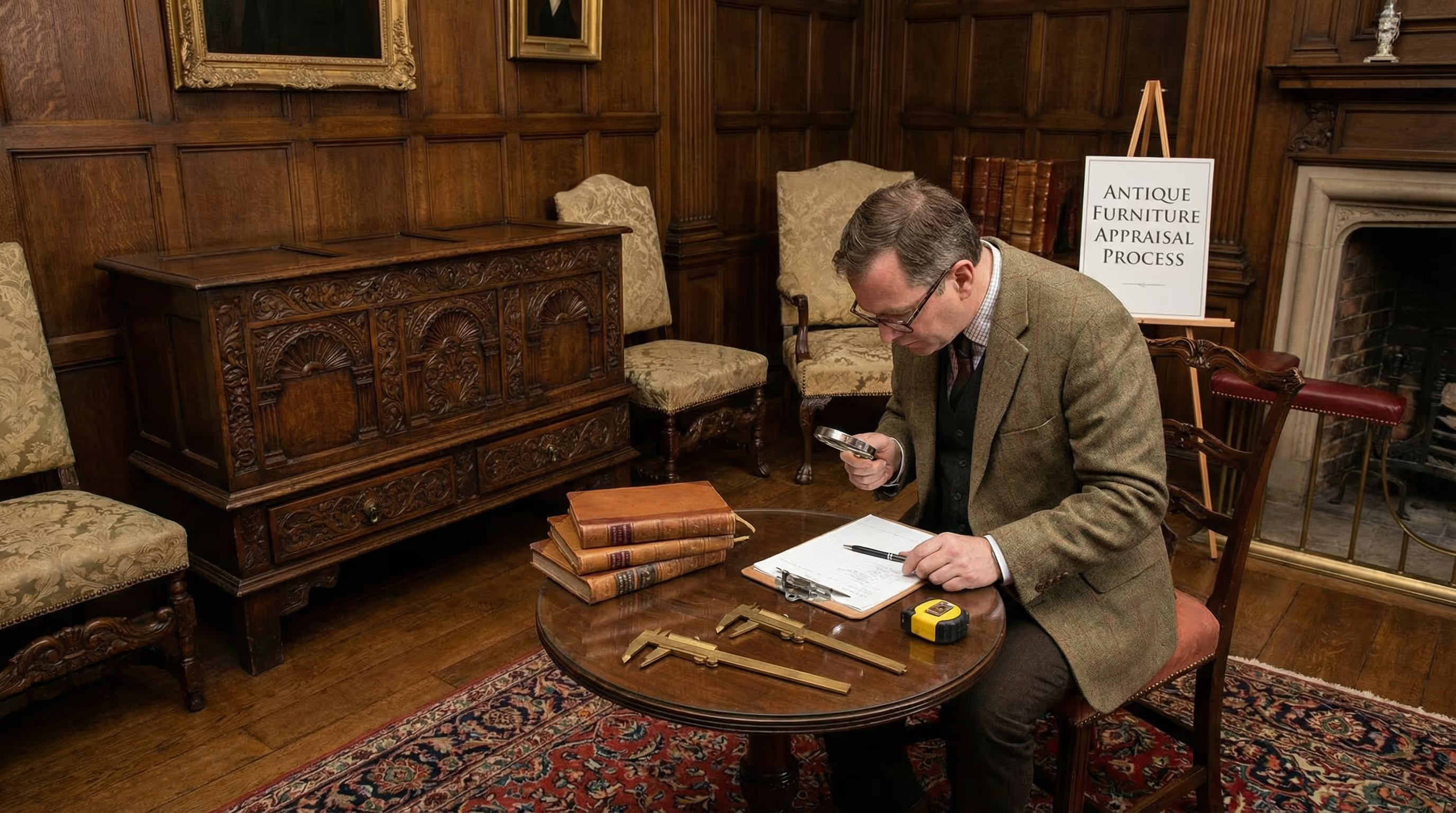
Whether you've inherited a family heirloom or discovered a potential treasure at an estate sale, knowing how to accurately appraise antique furniture can save you thousands of dollars. Many homeowners unknowingly underinsure valuable pieces or sell them far below market value simply because they don't understand the appraisal process.
The difference between a $500 estimate and a $5,000 professional valuation often comes down to proper research, condition assessment, and understanding market trends. This guide will walk you through a systematic approach to evaluate your antique furniture, whether you need a ballpark figure for personal knowledge or a formal appraisal for insurance, estate, or legal purposes.
Quick Answer: Antique furniture appraisal involves five key steps: gathering information about the piece, assessing condition and quality, researching maker and provenance, comparing recent sales data, and determining when professional certification is needed.
An antique furniture appraisal is a professional assessment that determines the monetary value of furniture pieces that are typically over 100 years old. The process evaluates factors like age, condition, materials, craftsmanship, provenance, and current market demand to establish different types of value.
Understanding why you need the appraisal is crucial because it determines which type of value matters most. Insurance appraisals focus on replacement value, which covers what it would cost to replace the item with something similar. Estate appraisals typically use fair market value, representing what a willing buyer would pay a willing seller. Charitable donation appraisals must meet IRS requirements and often require certified appraisers for items valued over $5,000.
The appraisal process differs significantly from casual online searches or antique store estimates. Professional appraisers follow standardized methodologies, document their research, and provide written reports that courts, insurance companies, and tax authorities accept.
Before you can determine value, you need to become a detective about your furniture's history and characteristics. Start by examining the piece thoroughly for any maker's marks, labels, stamps, or signatures. These identifiers often appear in hidden locations like the underside of drawers, inside cabinet doors, or on the back panels.
Document the construction details that reveal age and quality. Look for hand-cut dovetail joints, which indicate older, handcrafted pieces, versus machine-cut joints from later periods. Note the type of wood used, hardware style, and any decorative elements like inlay work or carving. Take detailed photographs from multiple angles, including close-ups of any markings or unique features.

Gather any documentation you have about the piece's history. This might include purchase receipts, previous appraisals, family stories about its origin, or photographs showing the piece in its original setting. Even seemingly minor details like "Great-grandmother bought this in Philadelphia in the 1920s" can provide valuable research leads.
Create a simple inventory sheet with measurements, materials, condition notes, and any identifying marks. This preparation will prove invaluable whether you're doing your own research or consulting with a professional appraiser.
The condition and quality of antique furniture dramatically impact its value, sometimes making the difference between a piece worth hundreds versus thousands of dollars. Quality assessment focuses on materials, craftsmanship, and design elements that indicate the piece's original caliber.
Examine the materials used in construction. Solid hardwoods like mahogany, walnut, or cherry typically indicate higher quality than softwoods or veneer over particle board. Look for signs of quality craftsmanship such as hand-carved details, precise joinery, and original hardware. The style and proportions should be consistent with known design periods.
Condition assessment requires a systematic approach. Original finishes, even with age-appropriate wear, often hold more value than refinished pieces. Document any repairs, replacements, or modifications. Professional restoration can maintain or even enhance value if done sympathetically, but amateur repairs or heavy refinishing typically reduce worth.
Important Note: Missing original hardware or components can significantly impact value, even if replaced with period-appropriate pieces. Always note what's original versus replaced.
Pay special attention to structural integrity. Loose joints, woodworm damage, or water stains can affect both safety and value. However, don't assume all wear is negative. Appropriate patina and gentle wear patterns can actually authenticate age and add character that collectors value. Understanding these nuances is essential when preparing for an antique furniture appraisal.
Once you've documented your piece thoroughly, research begins with identifying the style, period, and potential maker. Start by comparing your furniture to reference books, museum collections, and online databases that specialize in antique furniture identification.
Provenance research can significantly impact value. A piece with documented history, especially connection to notable makers, historical events, or prominent families, commands premium prices. Even family documentation or old photographs showing the piece in its original context add credibility and interest.
Use multiple sources to find comparable sales data. Major auction houses publish results online, and specialized antique databases track market trends. Focus on pieces that match your item's age, style, condition, and maker when possible. Remember that asking prices on retail sites don't reflect actual market value, only what sellers hope to achieve.

When evaluating comparables, consider market factors that affect pricing. Geographic location, seasonality, and current collecting trends all influence what buyers will pay. A Victorian parlor set might sell for more in areas with historic homes than in regions where modern design dominates.
Document your research with screenshots, auction lot numbers, and sale dates. This information becomes valuable if you later need a professional appraisal or want to track how your piece's value changes over time. For a deeper understanding of how materials, craftsmanship, and historical context affect value, consider reviewing specialized resources.
While thorough research can give you a reasonable value estimate, certain situations require certified professional appraisals. Insurance companies typically require formal appraisals for scheduling valuable items on homeowner's policies. Estate planning, divorce proceedings, and charitable donations over IRS thresholds also mandate professional documentation.
Professional appraisers bring expertise, credentials, and liability insurance that casual estimates cannot match. They follow Uniform Standards of Professional Appraisal Practice (USPAP) guidelines and provide written reports that include detailed descriptions, photographs, research methodology, and value conclusions.
Look for appraisers with relevant credentials from organizations like the International Society of Appraisers (ISA), American Society of Appraisers (ASA), or Appraisers Association of America. Verify that they specialize in antique furniture and maintain current certifications.
SituationDIY EstimateProfessional AppraisalPersonal curiosity✓OptionalInsurance scheduling-RequiredEstate planning-RecommendedCharitable donation >$5,000-RequiredLegal proceedings-Required
A professional appraisal report includes detailed photographs, complete descriptions, condition assessments, research documentation, and a clear statement of value with the methodology used. These reports typically cost between $300-800 depending on complexity and location, but provide legal protection and professional credibility that justify the investment for valuable pieces. Learn more about the benefits of professional antique furniture appraisals before making your decision.
Understanding your antique furniture's value empowers you to make informed decisions about insurance, estate planning, or potential sales. Remember that appraisal is both art and science, combining objective research with subjective market interpretation.
Keep your research organized and update it periodically, as antique furniture markets can shift with collecting trends and economic conditions. If you discover your piece has significant value, consider consulting with AppraiseItNow for a professional assessment that meets insurance and legal requirements.
The time invested in properly appraising your antique furniture protects your financial interests and preserves important historical artifacts for future generations. Whether you're safeguarding family heirlooms or making smart collecting decisions, accurate valuation forms the foundation of responsible ownership.
While you can estimate a ballpark value by researching similar sales and examining condition, insurance companies typically require formal written appraisals from certified professionals. DIY estimates are useful for personal knowledge, but official values for insurance, tax, or legal use must come from USPAP-compliant appraisers who provide documented reports that insurers and courts accept.
The most significant factors are age and authenticity, maker or designer, rarity, condition and originality, provenance (ownership history), craftsmanship quality, and current market demand. Original finishes and hardware typically hold more value than restored pieces, while documented provenance from notable makers or historical connections can significantly increase worth.
Aggressive modern refinishing often reduces value, especially if it removes original finish, patina, or maker's marks. Original finishes, even with age-appropriate wear, are generally more valuable than refinished pieces. Professional conservation-style restoration that preserves historical integrity can maintain or enhance value, but amateur refinishing typically decreases worth significantly.
Insurance appraisals should be updated every 3-5 years to reflect current market values, while estate planning appraisals typically need refreshing every 10-15 years. You should also get a new appraisal after major damage, restoration work, significant market shifts in your furniture's style period, or when preparing for major life events like divorce or charitable donations.