How Technology Maximizes Farm Equipment Appraisal Accuracy and Speed

Last Updated on Oct 06, 2025
Originally Published on Oct 06, 2025
Thank you! Your submission has been received!
Oops! Something went wrong while submitting the form.
Nationwide Service
Onsite or Online
USPAP-Compliant
IRS Qualified
DEFENSIBLE, USPAP-COMPLIANT APPRAISAL REPORTS — ACCEPTED BY 10,000+ ORGANIZATIONS
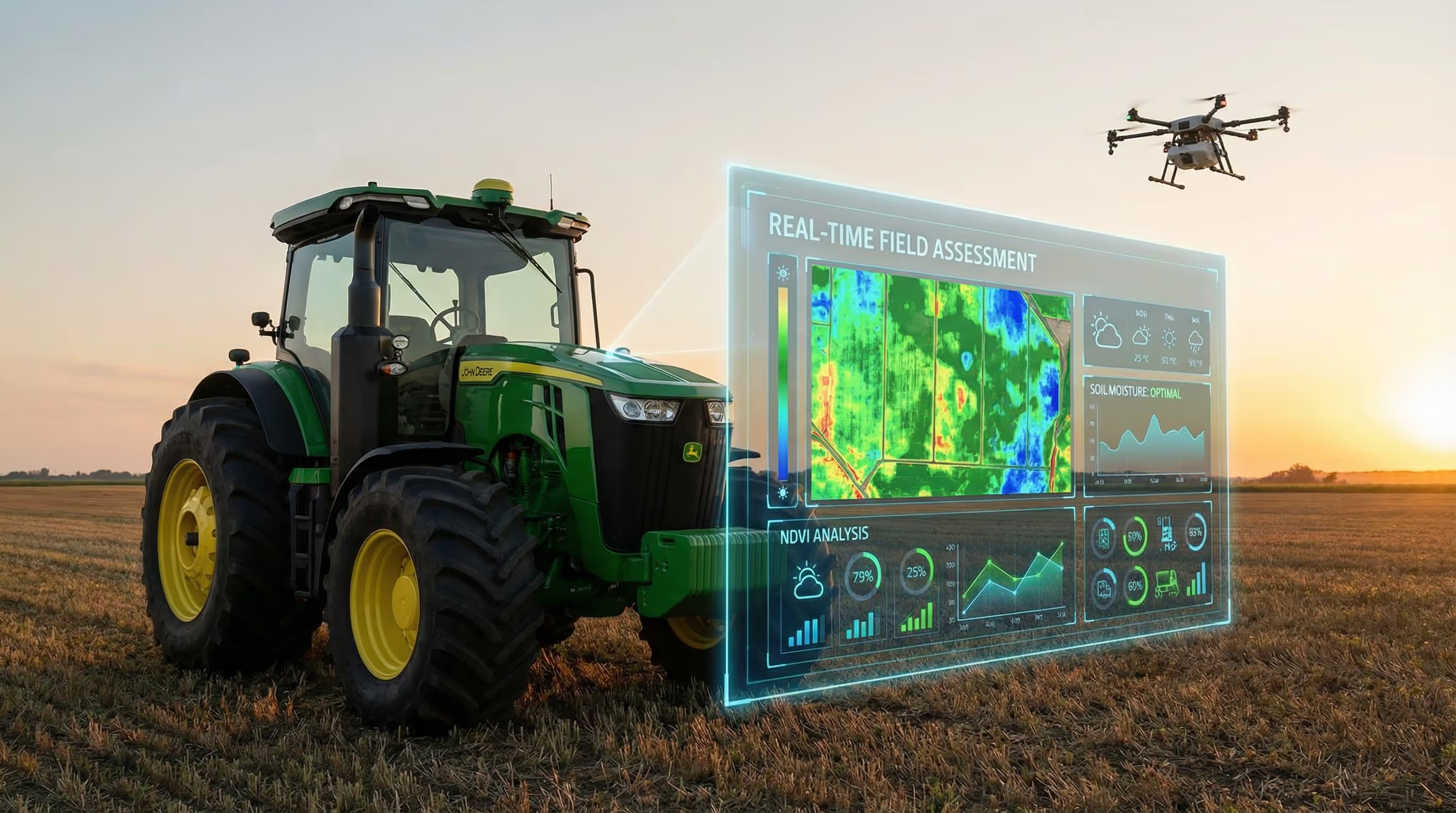
Modern farm equipment with technology overlay showing digital assessment tools

When you need a farm equipment appraisal, accuracy and speed matter more than ever. Whether you're securing financing for a new combine, settling an estate with multiple tractors, or filing an insurance claim after equipment damage, the traditional clipboard-and-camera approach often falls short in today's fast-paced agricultural environment.

Modern technology has transformed how farm equipment appraisals work. Digital tools now capture more detailed information, reduce human error, and deliver defensible reports faster than traditional methods. A farm equipment appraisal uses systematic evaluation to determine the fair market value of agricultural machinery, considering factors like age, condition, hours of operation, and current market demand.

Quick fact: Technology-enabled appraisals can reduce turnaround time by up to 40% while improving documentation accuracy through time-stamped photos and digital record keeping.

This shift means you can get reliable valuations for financing decisions, insurance coverage, estate planning, or equipment sales without the delays and limitations of older appraisal methods. Here's how technology is changing the game and what it means for your next farm equipment appraisal.

What makes farm equipment appraisals different from other valuations

Farm equipment appraisals require specialized knowledge that goes beyond standard machinery evaluation. Your tractor or combine isn't just another piece of equipment - it's a complex agricultural tool with unique value drivers that generic appraisers often miss.

Agricultural machinery values fluctuate based on seasonal demand, crop prices, and regional farming practices. A corn harvester worth $200,000 in Iowa might have different value considerations in Texas due to local crop patterns and dealer networks. Hours of operation matter differently for different equipment types - 2,000 hours on a hay baler tells a different story than 2,000 hours on a compact utility tractor.

Technology helps qualified appraisers access real-time market data and comparable sales information that wasn't available just a few years ago. Digital databases now track equipment sales across regions, giving appraisers better tools to determine accurate fair market values based on current conditions rather than outdated reference materials.

Split screen showing traditional paper appraisal vs digital tablet based assessment

The complexity extends to equipment condition assessment. Modern farm machinery includes sophisticated electronics, GPS systems, and precision agriculture components that require technical expertise to evaluate properly. Technology-savvy appraisers use diagnostic tools and digital documentation to capture these details accurately.

When you need a farm equipment appraisal

Several situations require professional farm equipment appraisals, and technology makes each scenario more efficient and reliable.

Financing and refinancing represent the most common need. Lenders require current market valuations to determine loan amounts and collateral values. Banks increasingly accept virtual appraisals for routine financing, especially when supported by comprehensive digital documentation and qualified appraiser oversight.

Estate planning and inheritance situations often involve multiple pieces of equipment across different locations. Technology enables appraisers to coordinate virtual inspections and maintain consistent valuation standards across your entire equipment inventory, even when machinery is stored in different states.

Insurance applications benefit significantly from digital documentation. Time-stamped photos, detailed condition reports, and secure digital storage create audit trails that support claims processing and coverage decisions.

Divorce proceedings and partnership disputes require defensible valuations that can withstand legal scrutiny. Technology-enabled appraisals provide better documentation and more transparent methodologies that hold up in court proceedings.

Tax appeals and charitable donations need IRS-qualified appraisals with specific compliance requirements. Digital record-keeping and standardized reporting formats help ensure your appraisal meets federal guidelines for tax purposes.

How technology transforms the appraisal process

The traditional farm equipment appraisal process involved scheduling on-site visits, handwritten notes, and manual research that could take weeks to complete. Technology streamlines each step while improving accuracy and documentation quality.

Data collection now happens through mobile apps that capture equipment specifications, serial numbers, and condition details in standardized formats. Appraisers can photograph serial plates, hour meters, and equipment conditions with automatic time-stamping and GPS location data that creates verifiable documentation.

Virtual inspections combine video conferencing with guided equipment walk-throughs. You can show an appraiser your machinery remotely while they direct you to capture specific angles, components, and details needed for accurate valuation. This approach works particularly well for routine appraisals of standard equipment types.

Drone aerial view of farm equipment yard with digital overlay showing assessment points

Market research happens in real-time through digital databases that track equipment sales, auction results, and dealer pricing across regions. Appraisers access current market data rather than relying on outdated reference guides or limited local knowledge.

Report generation uses cloud-based platforms that compile digital photos, market data, and analysis into professional reports that meet USPAP compliance standards. Digital delivery means you receive your appraisal report faster while maintaining secure, searchable records for future reference.

Essential technology tools changing farm equipment appraisals

Several specific technologies are reshaping how farm equipment appraisals work, each addressing different aspects of the evaluation process.

Drone imaging captures comprehensive views of large equipment and farm operations that ground-level photography might miss. Aerial perspectives help document equipment storage conditions, accessibility, and overall farm context that affects machinery values. Drones also photograph equipment in fields or tight spaces where traditional inspection methods prove challenging.

Mobile inspection apps standardize data collection and ensure appraisers capture all necessary information consistently. These tools include equipment-specific checklists, automatic photo organization, and direct integration with valuation databases. The standardization reduces errors and omissions that could affect appraisal accuracy.

Valuation software accesses real-time market data from equipment auctions, dealer sales, and private transactions across multiple regions. This technology helps appraisers identify truly comparable sales rather than relying on limited local examples or outdated pricing guides.

Cloud-based collaboration platforms enable secure document sharing between you, your appraiser, and other stakeholders like lenders or attorneys. Digital signatures and time-stamped approvals speed up the entire process while maintaining proper documentation trails.

Video conferencing tools support virtual inspections and consultations that reduce travel time and scheduling conflicts. High-definition video allows detailed equipment examination while screen sharing enables real-time discussion of market data and valuation factors.

Working with a qualified agricultural appraiser who understands both farming operations and modern technology ensures you get the most accurate and defensible valuation for your equipment. At AppraiseItNow, our certified appraisers combine deep agricultural expertise with cutting-edge technology to deliver USPAP-compliant reports that meet your specific needs, whether for financing, insurance, estate planning, or other purposes.

Technology has fundamentally changed farm equipment appraisals by improving accuracy, reducing turnaround times, and creating better documentation. These advances benefit everyone involved - from farmers seeking financing to lenders requiring reliable collateral valuations. The key is working with appraisers who embrace these tools while maintaining the agricultural expertise necessary for accurate equipment evaluation. Understanding common mistakes to avoid during a farm equipment appraisal and knowing how to prepare for your appraisal can help you maximize the benefits of these technological advances while ensuring you receive the most accurate valuation possible.

FAQ

How does technology make farm equipment appraisals more accurate?

Technology improves farm equipment appraisal accuracy through real-time market data access, high-resolution digital imaging, and standardized data collection. Appraisers can now access current auction results, dealer pricing, and comparable sales from multiple regions instantly, while digital documentation reduces transcription errors and provides time-stamped evidence of equipment condition.

Are virtual farm equipment appraisals accepted by lenders and insurers?

Yes, virtual farm equipment appraisals are increasingly accepted by lenders and insurers when performed by qualified, USPAP-compliant appraisers. The key is providing comprehensive digital documentation including high-quality photos, detailed equipment specifications, maintenance records, and proper verification of serial numbers and operating hours.

What information should I prepare before a farm equipment appraisal?

Prepare a complete equipment inventory with make, model, year, and serial numbers; document operating hours or usage; gather purchase receipts, warranty information, and maintenance records; clean equipment and ensure easy access; and take clear photos of serial plates, hour meters, and any damage or wear points.

How long does a technology-enabled farm equipment appraisal take?

Technology-enabled farm equipment appraisals typically reduce turnaround time by up to 40% compared to traditional methods. Virtual inspections can be completed in 1-2 hours, with final USPAP-compliant reports delivered within 3-5 business days, depending on the complexity and number of equipment pieces being appraised.

Related Appraisals We Offer

Related Articles

BEST-IN-CLASS APPRAISERS, CREDENTIALED BY: