How Contemporary Design Impacts Antique Appraisals in 2025

Last Updated on Oct 24, 2025
Originally Published on Oct 24, 2025
Thank you! Your submission has been received!
Oops! Something went wrong while submitting the form.
Nationwide Service
Onsite or Online
USPAP-Compliant
IRS Qualified
DEFENSIBLE, USPAP-COMPLIANT APPRAISAL REPORTS — ACCEPTED BY 10,000+ ORGANIZATIONS
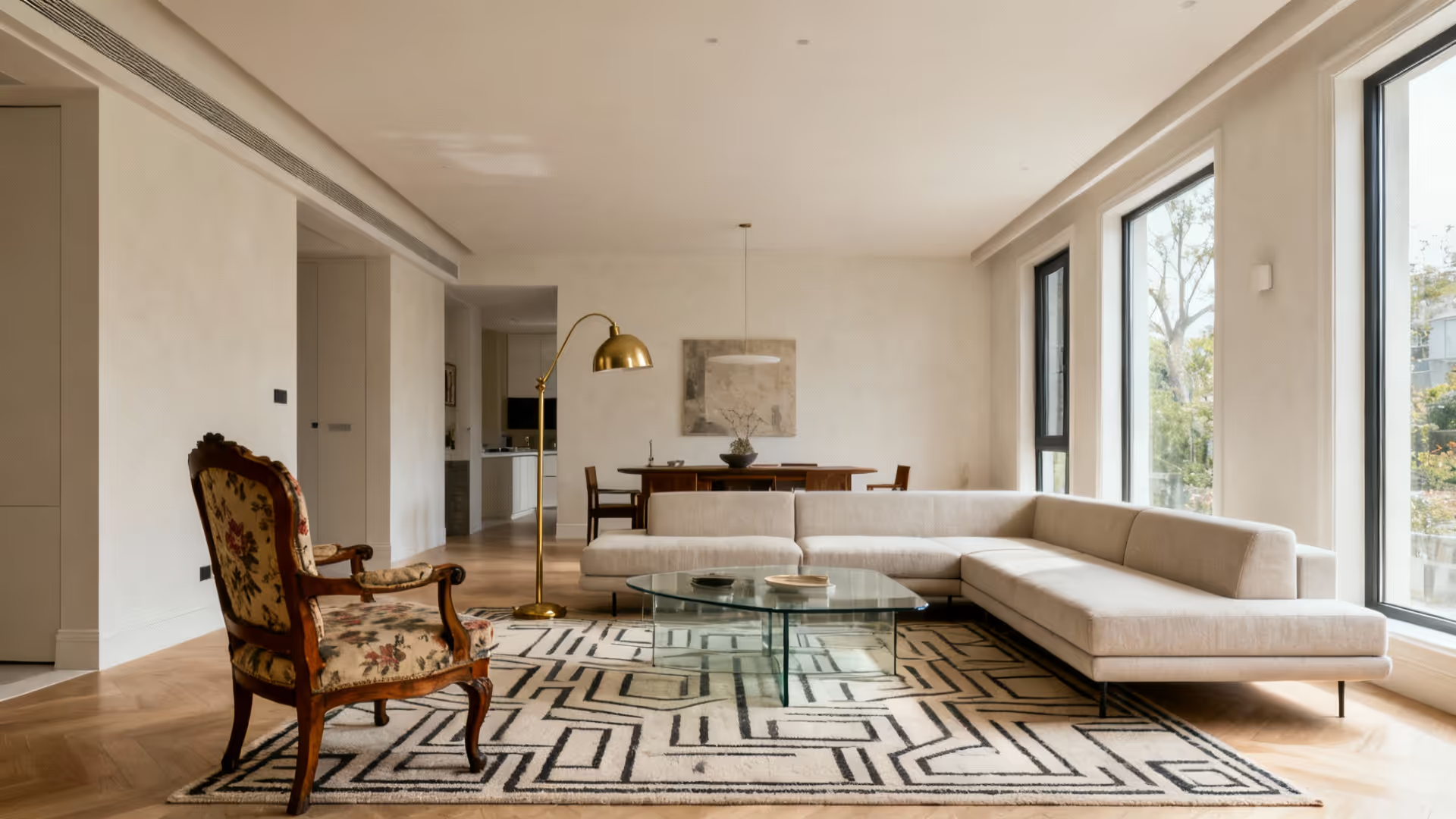
Modern antique living room showing contemporary furniture mixed with vintage pieces

The world of antique appraisals is experiencing a fascinating shift. Traditional pieces are finding new life in contemporary settings, creating unique valuation challenges that appraisers must navigate carefully. When a Victorian armoire sits alongside sleek modern furniture, or when antique elements are incorporated into contemporary designs, how do you determine fair market value?

Contemporary design significantly affects antique appraisals by expanding the market for eclectic pieces, influencing buyer preferences, and creating new categories of hybrid furniture that require specialized evaluation methods. Understanding this intersection helps both collectors and appraisers make more informed decisions about value and authenticity.

Key insight: Antiques that complement contemporary design trends can see value increases of 15-30% compared to pieces that only appeal to traditional collectors.

You'll discover how modern design principles reshape antique valuations, learn to identify the benefits and challenges of eclectic appraisals, and understand practical strategies for evaluating pieces that bridge different design eras.

Understanding contemporary design's role in antique markets

Contemporary design emphasizes clean lines, neutral colors, and minimal ornamentation while incorporating mixed materials like metal, glass, and natural fibers. This aesthetic creates interesting opportunities for antique integration.

When antique pieces complement contemporary spaces, they often gain broader market appeal. A classic mid-century modern chair might find new appreciation in today's minimalist interiors, while ornate Victorian pieces could serve as striking focal points in otherwise simple rooms.

The key lies in understanding which antique characteristics align with current design preferences. Pieces with strong geometric forms, quality craftsmanship, or unique textures often translate well into contemporary settings, potentially increasing their market value. For those new to this field, understanding the basics of antique furniture appraisal provides essential foundational knowledge.

Antique wooden table in modern minimalist dining room setting

How eclecticism changes appraisal approaches

Traditional appraisals focused primarily on age, provenance, and condition within specific historical contexts. Today's eclectic approach requires appraisers to consider broader market dynamics and cross-style appeal.

Appraisers must now evaluate how well an antique functions within contemporary design schemes. This means assessing not just historical significance but also aesthetic versatility and current market demand from diverse buyer segments. Choosing the right appraiser for your antiques becomes crucial in this evolving landscape.

The process involves researching recent sales of similar pieces in both traditional antique markets and contemporary design contexts. Price variations can be substantial, with some pieces commanding premium prices when marketed to design-conscious buyers rather than traditional collectors.

Expert tip: Document both traditional antique characteristics and contemporary design compatibility when preparing appraisal reports to capture full market potential.

Benefits and challenges of mixing design eras

Embracing eclecticism in appraisals offers significant advantages. Appraisers can provide more comprehensive valuations that reflect true market conditions rather than limiting assessments to narrow collector segments.

This approach also encourages creative evaluation methods. Instead of relying solely on historical comparables, appraisers can consider how design trends influence current demand and pricing patterns. Understanding the value of professional antiques appraisals helps collectors appreciate this nuanced approach.

However, challenges exist. Determining authentic value becomes complex when pieces appeal to multiple markets with different pricing structures. Additionally, some modifications made to help antiques fit contemporary spaces might actually diminish their traditional antique value.

The most successful approach involves understanding both markets thoroughly and clearly communicating which factors drive value in each context.

Practical strategies for appraising eclectic pieces

Start by evaluating the piece's condition and authenticity using traditional methods. Document original materials, construction techniques, and any historical significance that establishes baseline value. Preparing for an antique furniture appraisal ensures you have all necessary documentation ready.

Next, assess contemporary market appeal by researching current design trends and identifying which characteristics make the piece attractive to modern buyers. Consider factors like scale, color palette, and functional versatility.

Evaluation FactorTraditional FocusContemporary FocusPrimary Value DriverHistorical significanceDesign versatilityMarket SegmentCollectorsDesign enthusiastsCondition PriorityOriginal integrityFunctional beauty

Finally, research comparable sales in both traditional antique markets and contemporary design contexts. This dual approach provides the most accurate picture of current market value and helps justify appraisal conclusions. For those looking to maximize returns, exploring strategies for increasing the value of your antique furniture can be beneficial.

Market reality: Pieces that successfully bridge design eras often maintain stronger resale values because they appeal to broader buyer pools.

When documenting your findings, clearly explain how contemporary design trends influence the piece's current market position. This transparency helps clients understand valuation reasoning and makes appraisals more defensible. Learning what to expect from an antiques appraisal can help clients better prepare for the process.

The intersection of contemporary design and antique appraisals represents an exciting evolution in the field. By understanding how modern aesthetics influence traditional pieces, appraisers can provide more accurate and comprehensive valuations that reflect today's diverse market realities. Whether you're evaluating a single piece or an entire collection, considering both historical significance and contemporary appeal ensures you capture the full spectrum of value in our increasingly eclectic design landscape.

FAQ

How does contemporary design impact the value of antiques?

Contemporary design significantly increases antique values by expanding market appeal beyond traditional collectors. Antiques that complement modern aesthetics can see value increases of 15-30% compared to pieces that only appeal to traditional buyers. The key factors include clean lines, quality craftsmanship, and versatility in contemporary settings, which make antiques more desirable to design-conscious buyers.

What are the main challenges when appraising eclectic pieces that mix design eras?

The primary challenges include determining authentic value when pieces appeal to multiple markets with different pricing structures, and assessing whether modifications made for contemporary compatibility actually diminish traditional antique value. Appraisers must evaluate both historical significance and modern market appeal, requiring research across traditional antique markets and contemporary design contexts to provide accurate valuations.

How often should antiques in contemporary settings be reappraised?

Antiques in contemporary settings should be reappraised every 3-5 years due to rapidly changing design trends and market dynamics. More frequent appraisals may be needed after significant design trend shifts, restoration work, or when pieces gain popularity in contemporary design circles. This ensures valuations reflect current market conditions and the piece's evolving appeal to modern buyers.

What factors should appraisers consider when evaluating antiques for contemporary appeal?

Appraisers should evaluate traditional factors like age, provenance, and condition, plus contemporary appeal factors including design versatility, scale compatibility with modern spaces, color palette alignment with current trends, and functional adaptability. They must research comparable sales in both traditional antique markets and contemporary design contexts, documenting how the piece functions within modern design schemes while maintaining its historical integrity.

Related Appraisals We Offer

Related Articles

BEST-IN-CLASS APPRAISERS, CREDENTIALED BY: