Historic Coin Values: Complete Guide to Identifying and Appraising Your Collection

Last Updated on Oct 24, 2025
Originally Published on Oct 24, 2025
Thank you! Your submission has been received!
Oops! Something went wrong while submitting the form.
Nationwide Service
Onsite or Online
USPAP-Compliant
IRS Qualified
DEFENSIBLE, USPAP-COMPLIANT APPRAISAL REPORTS — ACCEPTED BY 10,000+ ORGANIZATIONS
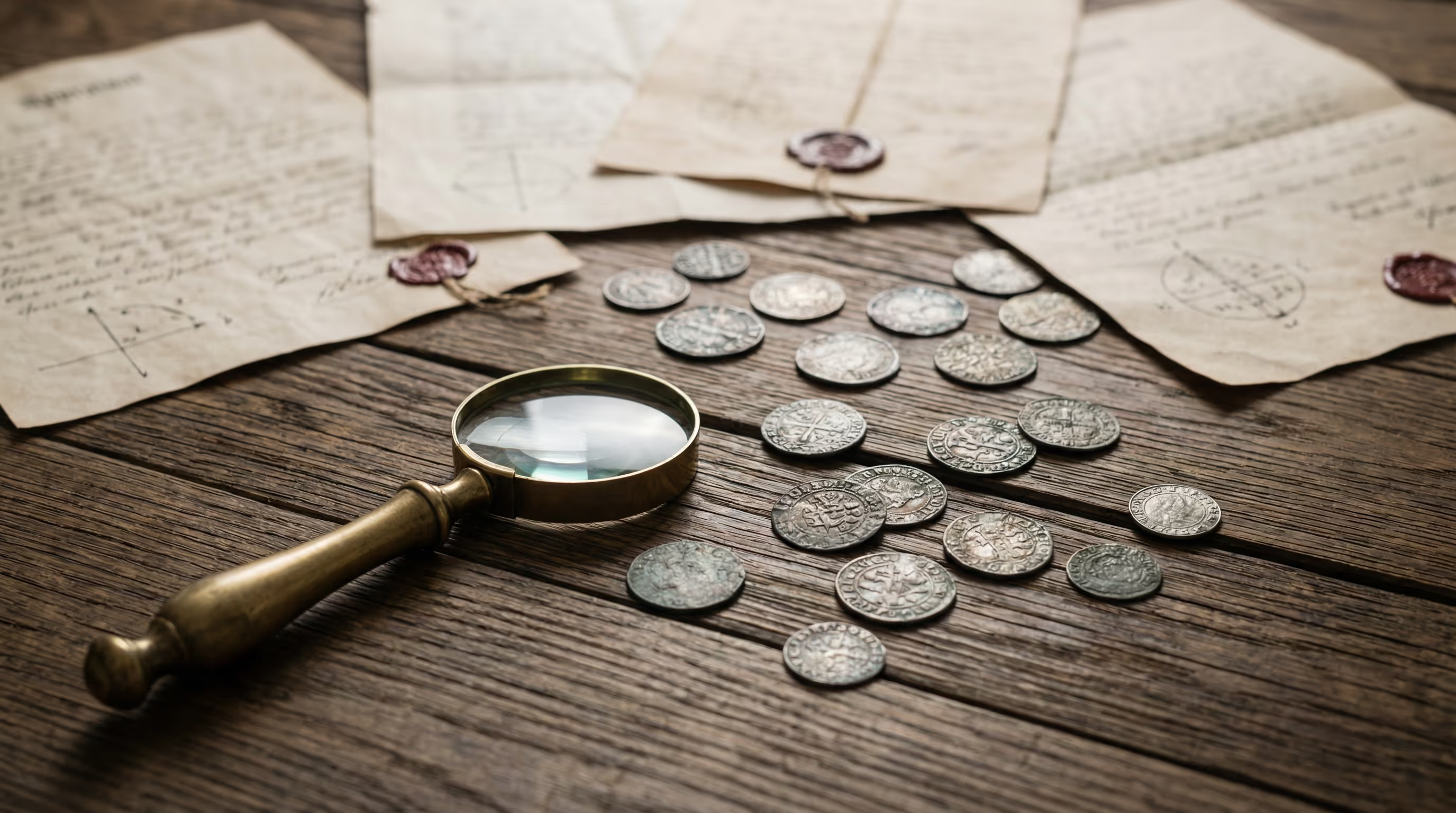
historic coins spread on table with magnifying glass and appraisal documents

Introduction

You just inherited a box of old coins from your grandfather, or maybe you've been collecting for years but never knew their true worth. Either way, you're probably wondering which coins are actually valuable and how to get them properly appraised.

Historic coins can be worth anywhere from face value to hundreds of thousands of dollars, depending on rarity, condition, and historical significance. The key is knowing what to look for and when to seek professional help. This guide will show you how to identify potentially valuable coins, understand what drives their worth, and find qualified appraisers who can provide USPAP-compliant documentation for insurance, estate, or sale purposes.

Quick fact: A 1933 Double Eagle gold coin sold for $18.9 million in 2021, making it the most expensive coin ever sold at auction.

Whether you need an appraisal for insurance coverage, estate planning, or you're simply curious about your collection's value, understanding these fundamentals will help you make informed decisions about your historic coins.

What makes historic coins valuable

Historic coins derive their value from several interconnected factors that go far beyond their original face value. Unlike modern currency, these coins represent specific moments in history and often contain precious metals that add intrinsic worth.

Rarity and mintage numbers play the biggest role in determining value. Coins with low production numbers or those that survived in small quantities command higher prices. For example, the 1909-S VDB Lincoln cent had a mintage of only 484,000 coins, making it highly sought after by collectors.

Condition or grade dramatically affects worth. A coin in mint state condition can be worth hundreds of times more than the same coin in heavily worn condition. Professional grading services like PCGS and NGC use a 70-point scale to evaluate coins, with higher grades bringing exponentially higher values.

comparison showing same coin in different conditions from worn to mint state

Metal content provides a baseline value for many historic coins. Pre-1965 U.S. silver coins contain 90% silver, while gold coins minted before 1933 contain significant amounts of gold. Even when numismatic value is low, the precious metal content establishes a minimum worth.

Historical significance can create premium values for coins connected to important events, famous figures, or specific time periods. Coins from the Civil War era, early American mint facilities, or those featuring notable historical figures often carry premiums beyond their metal content and rarity.

Types of historic coins commonly appraised

Understanding which coins typically hold value helps you focus your attention on the most promising pieces in any collection. Not all old coins are valuable, but certain categories consistently attract collector interest and command significant premiums.

Early American coins from the 1700s and early 1800s represent the foundation of U.S. coinage. Large cents, half cents, and early silver dollars from this period are highly prized. Colonial coins and those minted before the establishment of the U.S. Mint in 1792 can be extremely valuable due to their historical importance and scarcity.

Key date coins from popular series often drive the highest values. Morgan silver dollars from 1893-S, Mercury dimes from 1916-D, and Buffalo nickels from 1937-D three-legged variety are examples of coins that command substantial premiums due to their rarity within otherwise common series.

Important note: Always handle historic coins by their edges and store them in protective holders to preserve their condition and value.

Gold coins minted before 1933 when the U.S. went off the gold standard are particularly valuable. Indian Head quarter eagles, Saint-Gaudens double eagles, and Liberty Head gold coins combine precious metal content with numismatic appeal.

World and ancient coins offer another category of valuable historic pieces. Roman aurei, ancient Greek coins, British sovereigns, and coins from defunct nations or empires can be worth significant amounts depending on their age, condition, and historical context.

Understanding professional coin appraisals

A professional coin appraisal provides documented fair market value that differs significantly from what a dealer might offer to purchase your coins. This distinction is crucial for insurance, estate, and legal purposes where accurate valuation is essential.

Fair market value represents the price an informed buyer and seller would agree upon in today's market, with neither party under pressure to complete the transaction. This differs from quick-sale prices or dealer offers, which typically run 20-40% below fair market value to account for business overhead and profit margins.

The appraisal process typically involves submitting detailed photographs and information about your coins, followed by research into recent sales data, auction results, and current market conditions. For high-value pieces, physical examination may be necessary to verify authenticity and condition.

professional appraiser examining coins with specialized equipment

USPAP-compliant appraisals follow strict professional standards and are accepted by insurance companies, courts, and the IRS. These reports include detailed descriptions, photographs, methodology explanations, and market analysis that support the stated values.

When you receive a professional appraisal report, it should include individual valuations for each significant coin, total collection value, and clear documentation that meets legal and insurance requirements. This documentation becomes essential for insurance claims, estate settlements, or charitable donation tax deductions.

When you need a professional coin appraisal

Several situations require formal appraisal documentation rather than informal estimates or dealer opinions. Understanding these scenarios helps you determine when to invest in professional appraisal services.

Insurance coverage for valuable coin collections requires documented appraisals to establish coverage limits and support claims. Standard homeowner's policies typically limit coverage for coins to $200-500, making scheduled personal property coverage necessary for valuable collections.

Estate planning and inheritance situations often require formal appraisals for equitable distribution among heirs, estate tax calculations, and probate court proceedings. Professional documentation prevents disputes and ensures fair treatment of all parties involved.

Charitable donations of coins valued over $5,000 require qualified appraisals for IRS tax deduction purposes. The appraiser must be independent from the donor and meet specific IRS qualifications to provide acceptable documentation.

Tax tip: For charitable donations of coins worth $500-5,000, you need a written acknowledgment from the charity, but formal appraisals aren't required until the $5,000 threshold.

Divorce proceedings and business valuations may require professional coin appraisals to establish asset values for equitable distribution or business sale purposes. Courts typically require USPAP-compliant appraisals for these legal proceedings.

At AppraiseItNow, our IRS-qualified appraisers provide nationwide service with USPAP-compliant reports accepted by over 10,000 organizations including major insurance companies, courts, and government agencies. Whether you need online appraisal services or on-site evaluation, professional documentation ensures your historic coins receive proper recognition and protection.

Understanding your historic coins' true value protects your investment and ensures you make informed decisions about insurance, estate planning, or potential sales. With proper appraisal documentation, you can confidently navigate any situation requiring verified coin values while preserving these important pieces of history for future generations.

FAQ

How do I know if my old coins are valuable enough to appraise?

Age alone doesn't determine value - look for key indicators like pre-1965 U.S. silver coins, gold coins minted before 1933, coins with low mintage numbers, or pieces with unusual mint marks. Check the date, mint mark, and condition without cleaning them. If you find coins from key dates, scarce mint marks (like Carson City "CC"), or coins in exceptional condition, they're likely worth professional appraisal. When in doubt, consult a qualified appraiser rather than risk undervaluing potentially rare pieces.

What's the difference between fair market value and what a dealer might offer?

Fair market value represents the price an informed buyer and seller would agree upon in an open market, while a dealer's offer typically runs 20-40% below this amount to account for business overhead and profit margins. Professional appraisals establish fair market value for insurance, estate, and legal purposes, whereas dealer offers reflect wholesale or quick-sale prices. For insurance coverage, estate planning, or IRS documentation, you need the higher fair market value that only a qualified, independent appraiser can provide.

Should I clean my historic coins before getting them appraised?

Never clean, polish, or attempt to restore historic coins before appraisal. Cleaning can permanently damage surfaces, remove original mint luster, and significantly reduce both grade and value - sometimes by thousands of dollars for rare pieces. Professional appraisers and grading services can properly evaluate coins in their current state and advise on any conservation needs. Handle coins only by their edges and store them in protective holders to preserve their condition.

When do I need a USPAP-compliant coin appraisal versus an informal estimate?

You need a formal, USPAP-compliant appraisal for insurance coverage over $500, estate planning and inheritance matters, charitable donations over $5,000, divorce proceedings, or any legal documentation. These situations require defensible fair market value estimates that courts, insurance companies, and the IRS will accept. Informal estimates from dealers or online tools work for personal curiosity or preliminary research, but won't meet legal, tax, or insurance requirements when official documentation is necessary.

Related Appraisals We Offer

Related Articles

BEST-IN-CLASS APPRAISERS, CREDENTIALED BY: