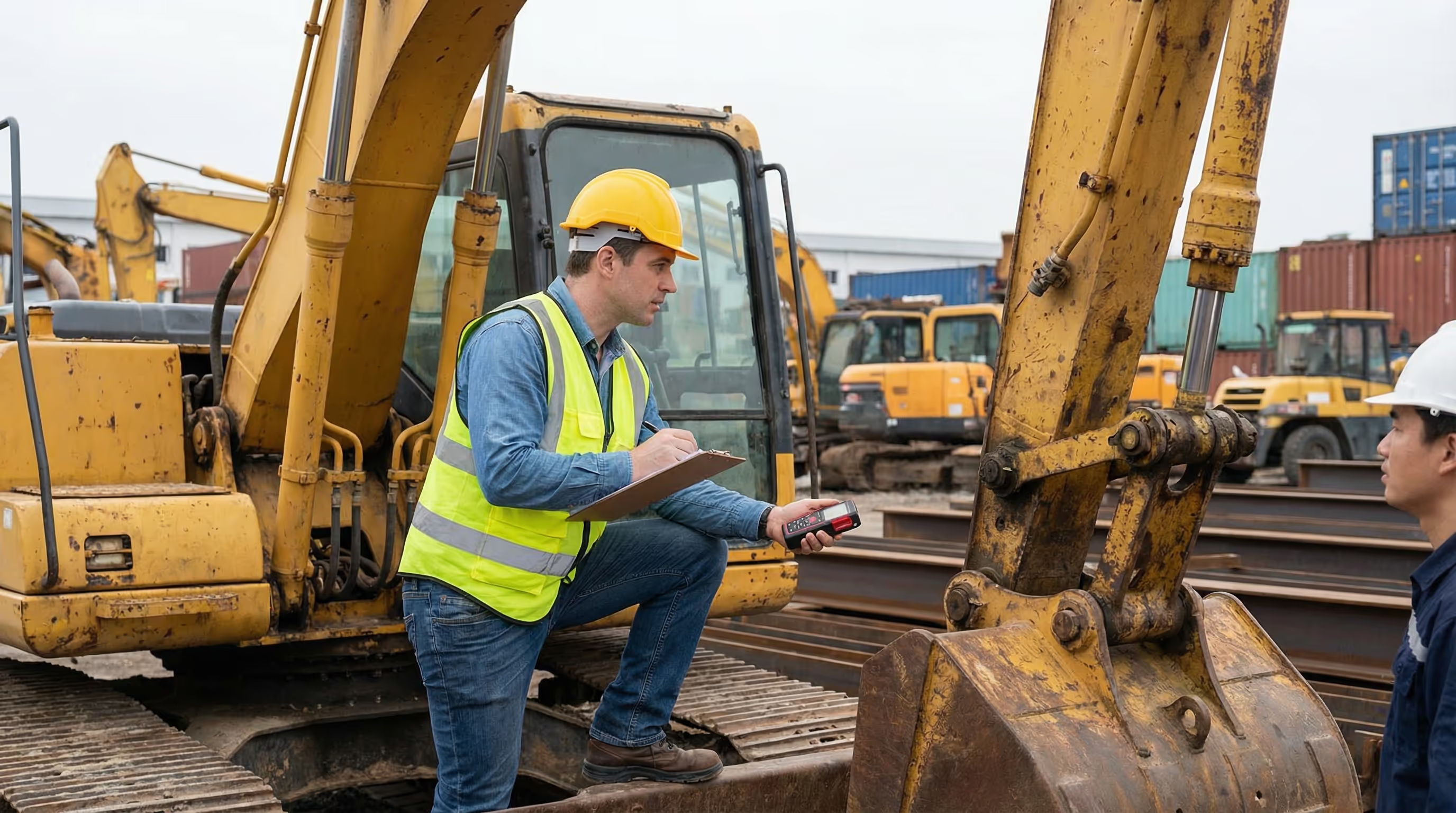
Working with experienced appraisers who understand your equipment and industry ensures you receive defensible valuations that meet regulatory standards and gain acceptance from all stakeholders in your transactions. If you're dealing with similar equipment needs in construction, our guide on construction equipment appraisals provides additional insights into specialized machinery valuation.
A heavy machinery appraisal is a professional evaluation that determines the fair market value of industrial equipment through systematic inspection, market analysis, and standardized valuation methods. You need one when securing financing, filing insurance claims, buying or selling equipment, or for legal proceedings. The process typically takes 3-10 business days and produces a USPAP-compliant report accepted by lenders, insurers, and courts.
Most heavy machinery appraisals take 3-10 business days for completion. Simple single-asset appraisals typically require 3-5 business days, while large fleet evaluations may take 2-3 weeks. Timeline factors include equipment accessibility, documentation availability, number of assets, multiple site locations, and report complexity requirements. Proper preparation can reduce appraisal time by 20-30%.
Fair Market Value represents the price equipment would sell for between willing buyers and sellers in normal market conditions, typically used for financing and insurance. Orderly Liquidation Value estimates what equipment would bring when sold within a reasonable timeframe (70-85% of FMV), while Forced Liquidation Value reflects distressed sale prices under time constraints (50-70% of FMV). The appropriate value type depends on your specific situation and intended use.
Prepare by gathering essential documentation including purchase invoices, maintenance records, modification receipts, and previous appraisals. Organize equipment for easy access, ensure adequate lighting, and arrange for machinery to be operational if possible. Create an inventory list with make, model, serial numbers, year, and operating hours. Have maintenance personnel available during inspection to answer technical questions about equipment history and condition.