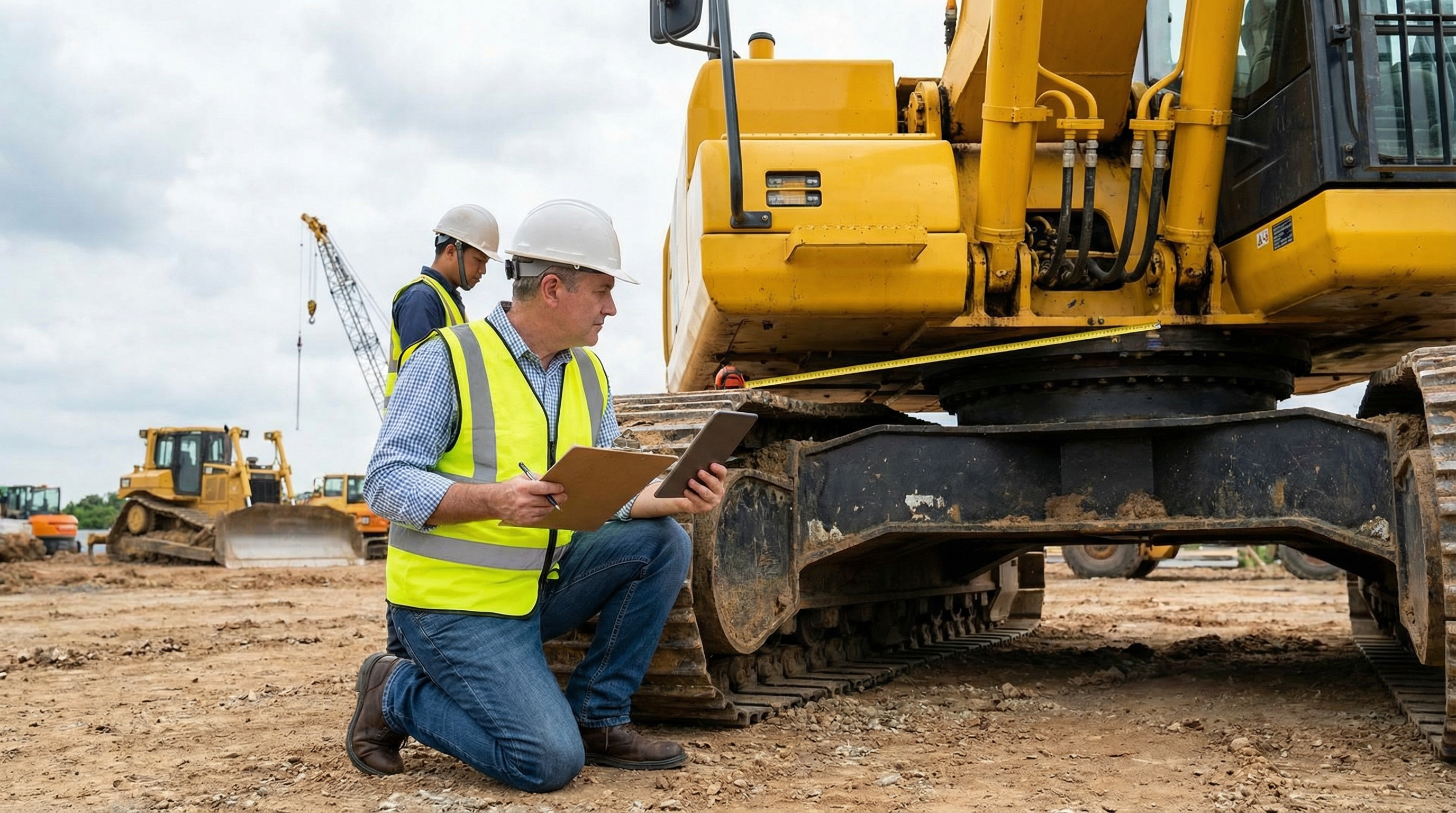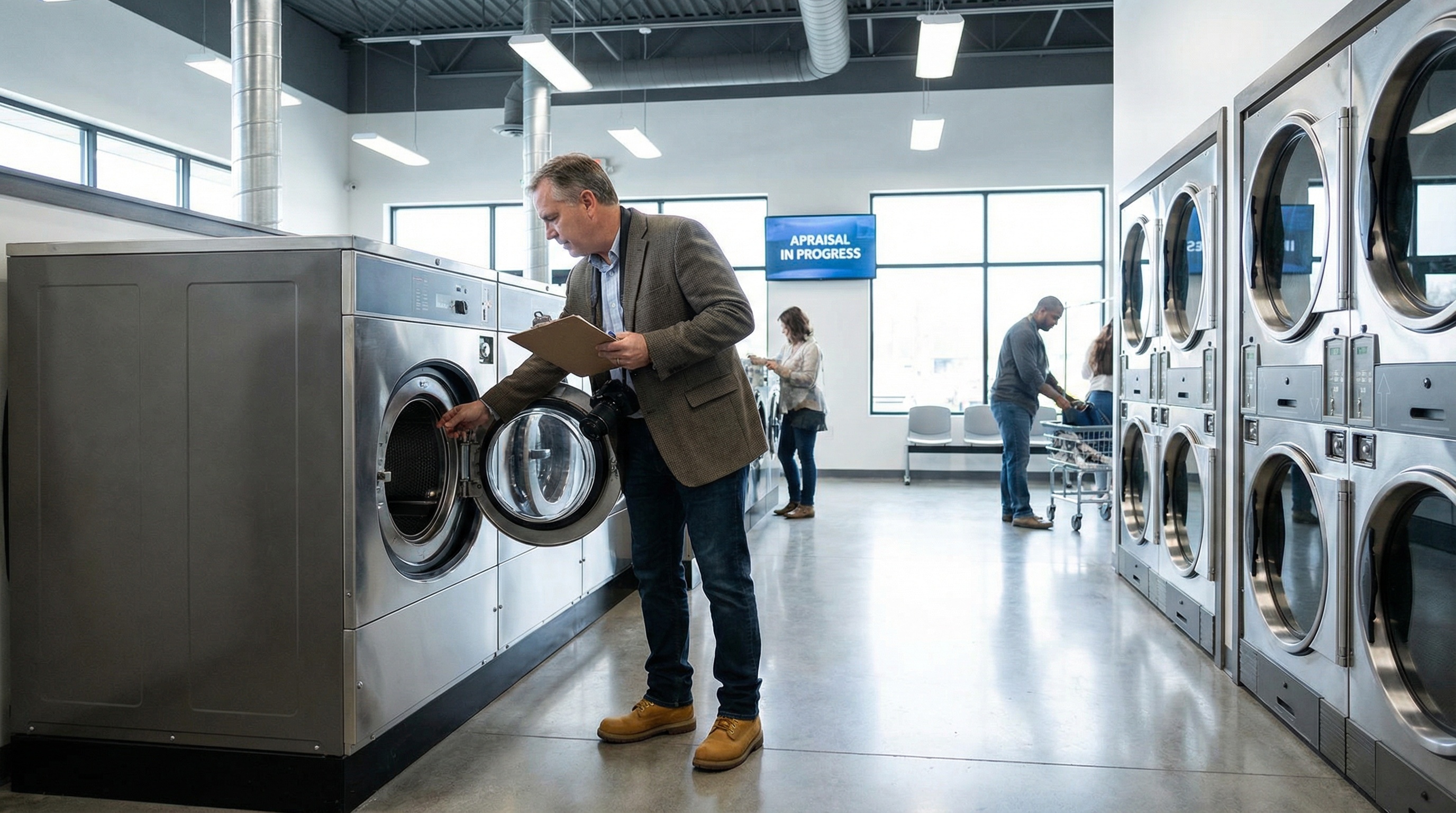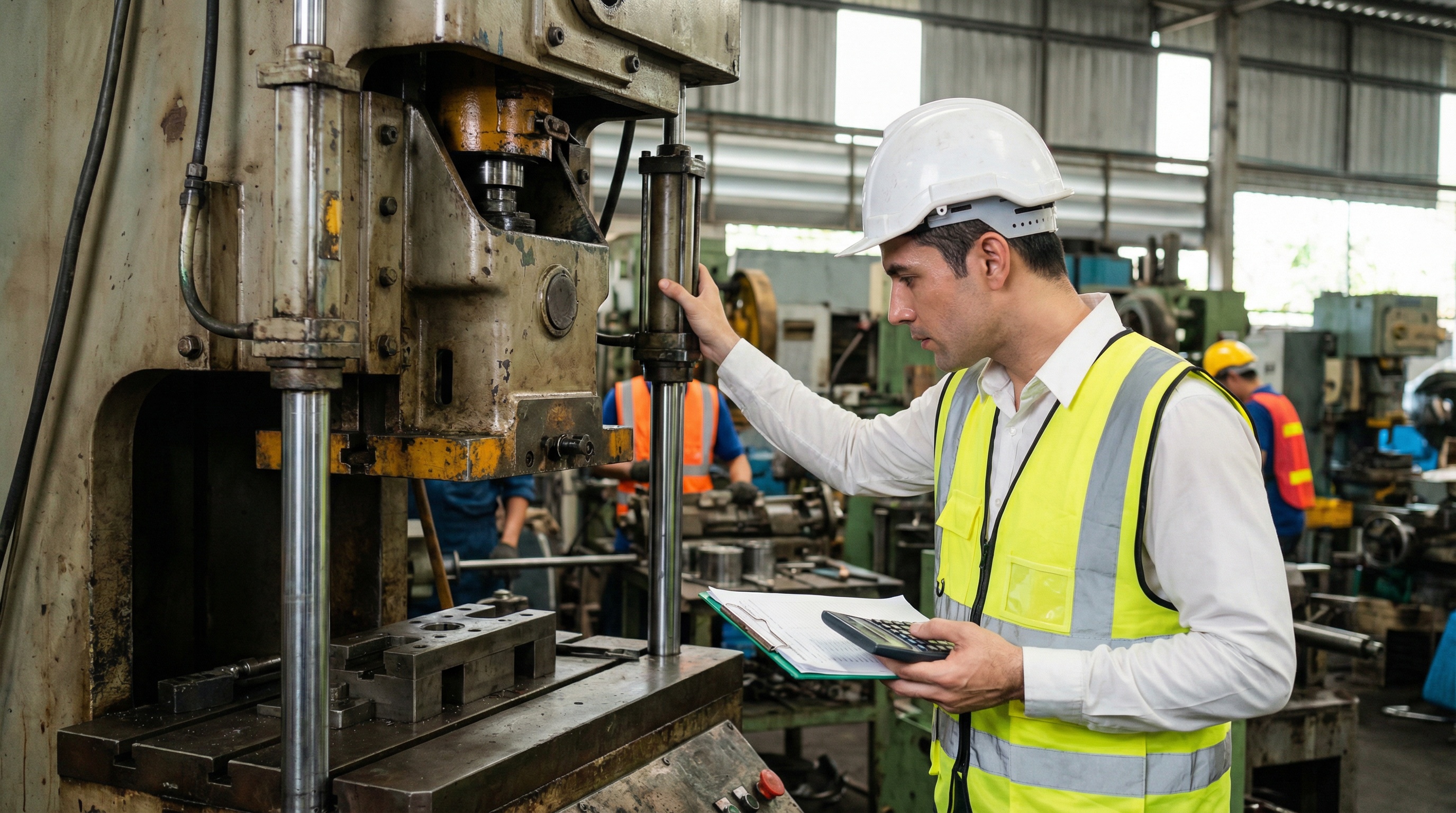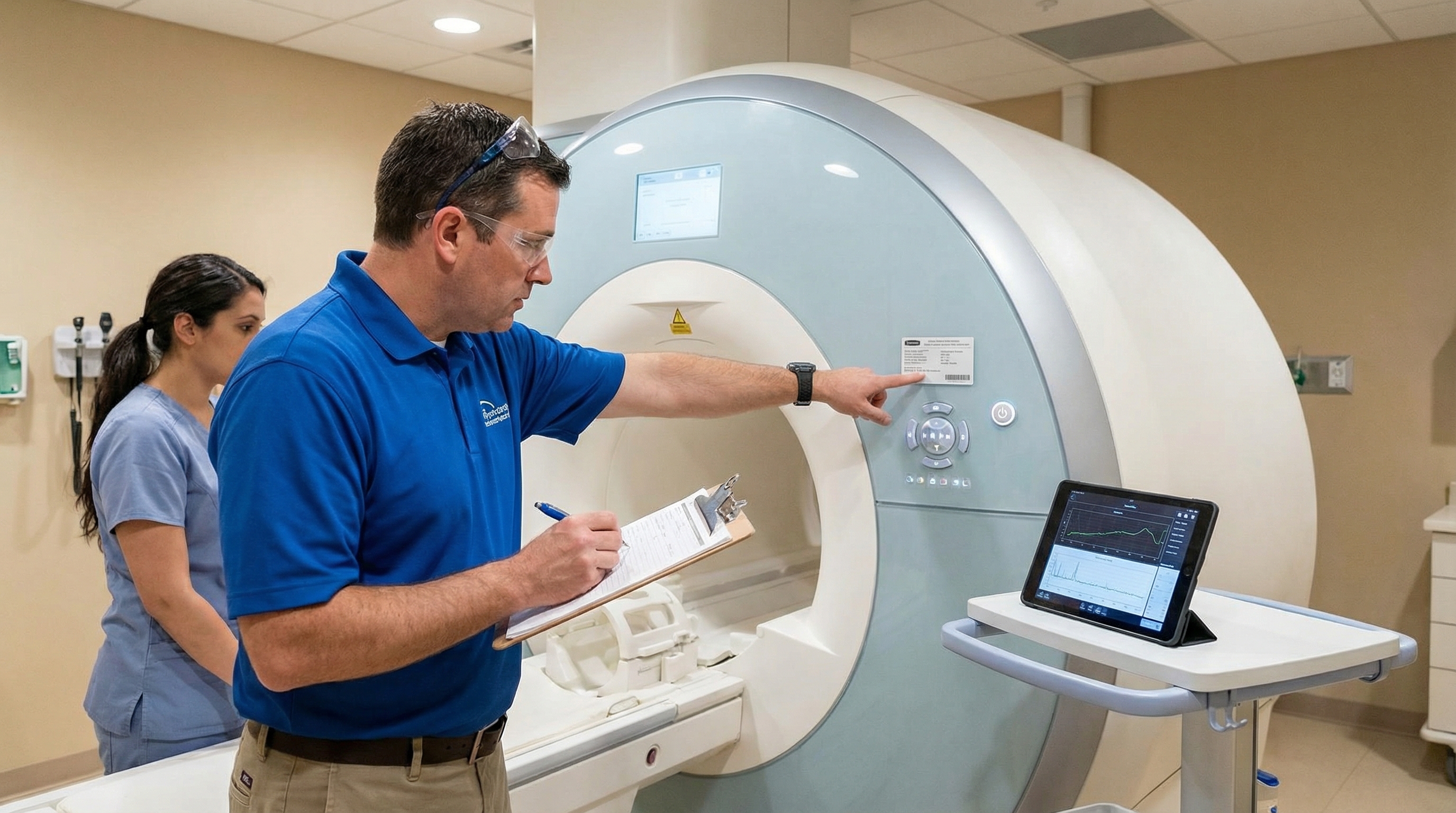
When you're dealing with expensive construction equipment, industrial machinery, or manufacturing assets, knowing their true value becomes crucial for your business decisions. Heavy machinery appraisals typically cost between $750 and $10,000, depending on the complexity and size of your equipment. The investment in a professional appraisal often pays for itself through accurate insurance coverage, fair sale prices, and proper tax documentation.
Understanding these costs upfront helps you budget appropriately and choose the right appraiser for your specific needs. Whether you're buying, selling, insuring, or settling an estate, getting an accurate valuation protects your financial interests and provides the documentation you need for legal and business purposes.
Quick fact: Most basic equipment appraisals range from $750 to $4,000, while complex industrial machinery can cost up to $10,000 or more depending on the scope of work required.
Understanding heavy machinery appraisal pricing
The cost of appraising your heavy equipment varies significantly based on several key factors. Simple machinery like basic construction tools or small agricultural equipment typically falls on the lower end of the pricing spectrum. Complex industrial systems, specialized manufacturing equipment, or large fleets require more extensive evaluation and command higher fees.
Your appraiser needs to physically inspect each piece of equipment, research current market conditions, and prepare detailed documentation. This process becomes more time-intensive with sophisticated machinery that requires specialized knowledge to evaluate properly.

The geographic location of your equipment also impacts pricing. If your machinery is located in remote areas or requires the appraiser to travel significant distances, you'll likely see additional travel costs added to the base appraisal fee.
Key factors that influence appraisal costs
Several specific elements determine how much you'll pay for your heavy machinery appraisal. The size and complexity of your equipment portfolio represents the biggest cost driver. Appraising a single excavator takes considerably less time than evaluating an entire manufacturing plant's worth of machinery.
The condition and age of your equipment also affects pricing. Newer machinery with complete documentation is faster to appraise than older equipment requiring extensive research to determine specifications and market comparables. Specialized or rare equipment often requires additional research time, increasing the overall cost.
Important consideration: The purpose of your appraisal affects the level of detail required. Insurance appraisals may need different documentation than estate valuations, impacting the final cost.
Your timeline requirements can influence pricing as well. Rush jobs typically carry premium charges, while flexible scheduling allows appraisers to work more efficiently and potentially offer better rates. Understanding how to prepare for a heavy machinery appraisal can help streamline the process and potentially reduce costs.
When professional appraisals become necessary
You need a professional heavy machinery appraisal in several specific situations. Insurance companies require current valuations to provide adequate coverage, especially for high-value equipment. Without proper appraisals, you risk being underinsured and facing significant financial losses if equipment is damaged or stolen.
Estate planning and divorce proceedings often require machinery appraisals to ensure fair distribution of assets. Courts and attorneys rely on professional valuations to make informed decisions about property division.
Business transactions like mergers, acquisitions, or equipment financing also trigger appraisal requirements. Lenders need accurate valuations to determine appropriate loan amounts, while buyers and sellers use appraisals to negotiate fair prices.

Tax purposes represent another common reason for machinery appraisals. Depreciation schedules, charitable donations, and casualty loss claims all require professional documentation of equipment values. For construction businesses specifically, understanding construction equipment appraisals is essential for proper asset management.
Choosing the right appraiser for your needs
Finding a qualified heavy machinery appraiser requires careful consideration of their credentials and experience. Look for appraisers certified by recognized organizations like the American Society of Appraisers or the National Equipment and Machinery Appraisers Association.
Experience with your specific type of equipment matters significantly. An appraiser who regularly evaluates construction equipment may not be the best choice for specialized manufacturing machinery. Ask potential appraisers about their experience with equipment similar to yours. Knowing how to find a qualified heavy machinery appraiser ensures you work with someone who understands your specific needs.
Check references and read reviews from previous clients. A reputable appraiser should be willing to provide references and discuss their approach to valuing your type of equipment. They should also be able to explain their methodology clearly and answer your questions about the appraisal process.
Consider the appraiser's availability and timeline. Some appraisals are time-sensitive, so ensure your chosen professional can meet your deadlines without compromising quality. If you're dealing with industrial machinery specifically, review what you need to know about appraising industrial equipment to better understand the specialized requirements.
Getting an accurate heavy machinery appraisal protects your business interests and provides the documentation you need for various financial and legal purposes. While the upfront cost may seem significant, the value of having proper documentation far outweighs the expense when you need to make insurance claims, negotiate sales, or satisfy legal requirements. Choose an experienced, certified appraiser who understands your specific equipment type, and you'll have confidence in the valuation results that support your business decisions.