Food Processing Equipment Appraisal Guide: Methods, Costs, and Value Types

Last Updated on Jul 29, 2025
Originally Published on Jul 29, 2025
Thank you! Your submission has been received!
Oops! Something went wrong while submitting the form.
Nationwide Service
Onsite or Online
USPAP-Compliant
IRS Qualified
DEFENSIBLE, USPAP-COMPLIANT APPRAISAL REPORTS — ACCEPTED BY 10,000+ ORGANIZATIONS
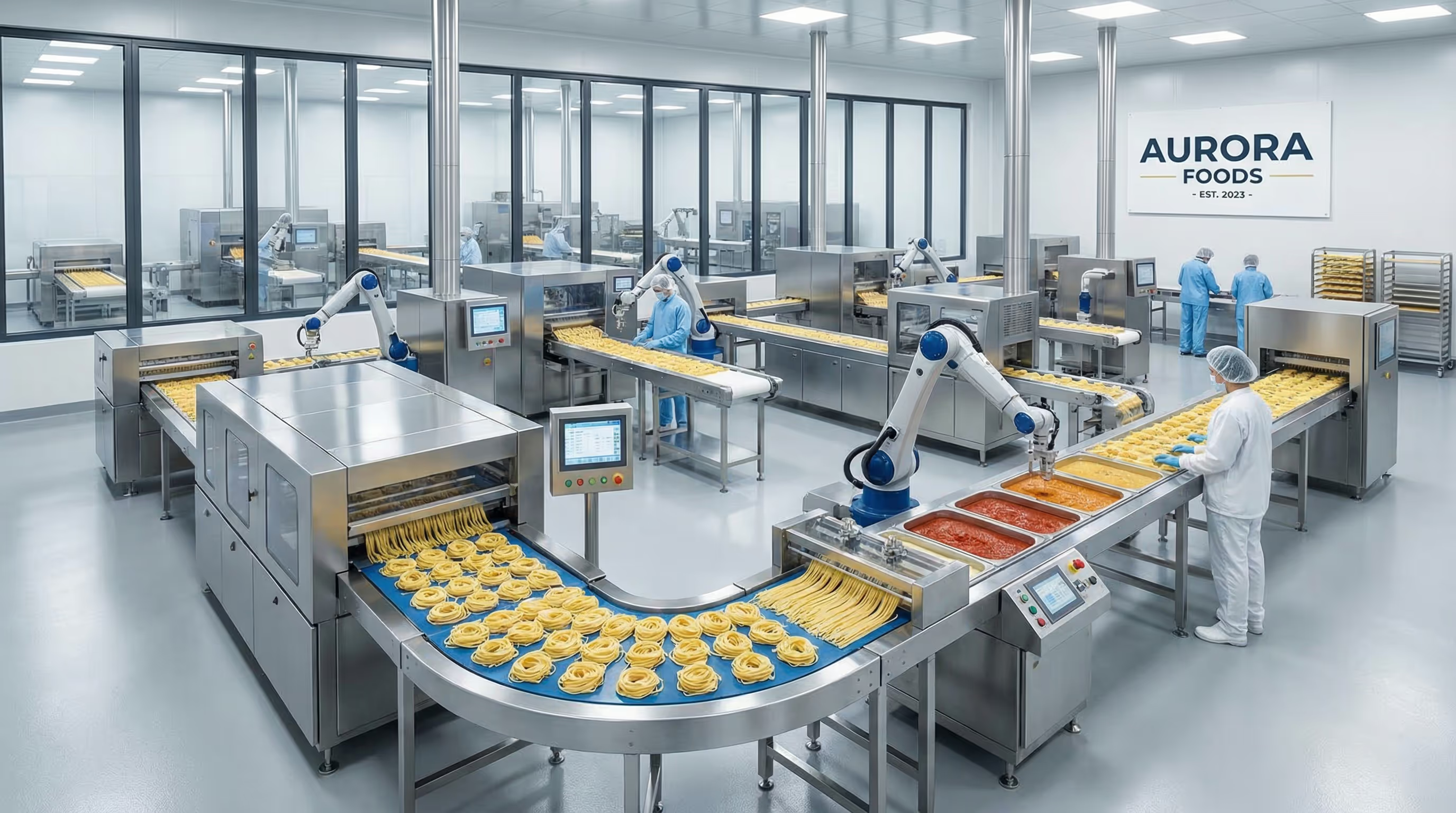
Modern food processing facility with stainless steel equipment and production lines

If you run a food or beverage facility, the value of your production line represents one of your largest balance sheet items and often one of the hardest to measure accurately. Whether you need financing for expansion, adequate insurance coverage, or you're considering selling equipment, having a defensible value opinion becomes critical for making informed decisions.

A food processing equipment appraisal is a formal assessment conducted by a qualified professional to determine the fair market value, replacement cost, or liquidation value of machinery used in food and beverage production. This includes everything from mixing and packaging equipment to refrigeration systems and entire production lines.

Quick Answer: Food processing equipment appraisals typically cost $300-$450 per hour and should be conducted every 3-5 years or when triggered by financing needs, insurance claims, or major business changes.

This guide covers how appraisers determine value, the different types of appraisals available, what factors drive equipment worth, and how to select the right appraiser for your needs.

What makes food processing equipment appraisal unique

Food processing equipment differs significantly from general industrial machinery because it must meet strict regulatory standards while operating in demanding production environments. Your bakery ovens, meat processing lines, or beverage bottling equipment face unique challenges that directly impact value.

The food industry's regulatory landscape means equipment must comply with USDA, FDA, and other safety standards. Equipment that meets current sanitary design guidelines from organizations like EHEDG (European Hygienic Engineering & Design Group) typically holds value better than older machinery that may require costly upgrades to remain compliant.

Market demand also varies dramatically by equipment type. While a general-purpose conveyor might have broad appeal, specialized equipment like chocolate tempering machines or aseptic filling systems serves niche markets where finding comparable sales data requires industry expertise. Understanding common questions about food processing equipment appraisal can help you prepare for this specialized valuation process.

Appraiser inspecting stainless steel food processing equipment with clipboard

How appraisers determine food processing equipment value

Professional appraisers follow a systematic process to ensure their value conclusions are defensible and meet industry standards. Understanding this process helps you prepare effectively and know what to expect.

The appraiser begins by collecting detailed equipment data including make, model, serial numbers, installation dates, and usage hours. They review maintenance records to understand how well the equipment has been cared for and identify any major repairs or upgrades that might affect value.

During the physical inspection, the appraiser examines each piece of equipment for wear, damage, and overall condition. They also verify that safety systems function properly and that the equipment meets current food safety standards. This inspection often reveals issues that aren't apparent from maintenance records alone. Learning about the process of food processing equipment appraisal beforehand can help you understand what appraisers look for during their evaluation.

Market research forms the foundation of the valuation. The appraiser searches for comparable sales of similar equipment, analyzes current market conditions, and considers factors like supply and demand in your specific industry segment. They then apply one or more valuation approaches to arrive at their final opinion of value.

Industry Insight: Equipment that has been properly maintained and upgraded to meet current food safety standards can retain 60-80% of its original value even after 10-15 years of use.

Key factors that impact your equipment's worth

Several factors work together to determine how much your food processing equipment is actually worth in today's market. Age and condition matter, but they're just part of the equation.

Physical condition and maintenance history play crucial roles in valuation. Equipment that shows signs of proper care, regular servicing, and preventive maintenance typically commands higher values. Conversely, deferred maintenance or visible wear can significantly reduce worth, especially if repairs are needed before the equipment can be sold.

Brand reputation and technological advancement also influence value. Well-known manufacturers with strong service networks and parts availability generally maintain value better than lesser-known brands. However, older equipment from premium manufacturers may lose value if newer technology offers significant efficiency improvements or better food safety features.

Regulatory compliance increasingly drives value in food processing equipment. Machinery designed to meet current sanitary standards, with features like easy cleaning access and food-grade materials, holds value better than equipment requiring costly modifications to meet modern requirements. For facilities with related equipment, understanding beverage equipment appraisals can provide additional insights into valuation factors.

Comparison chart showing different food processing equipment values by condition and age

Understanding different appraisal types and value definitions

Not all appraisals serve the same purpose, and understanding the different value definitions helps ensure you get the right type for your specific needs.

Fair market value represents what a willing buyer would pay a willing seller in an open market transaction. This assumes both parties are knowledgeable about the equipment and neither is under pressure to complete the transaction quickly. Banks and insurance companies typically require fair market value appraisals for financing and coverage decisions.

Liquidation values come in two forms. Orderly liquidation value assumes you have reasonable time to market the equipment, perhaps 6-12 months, allowing for proper advertising and buyer consideration. Forced liquidation value reflects what you might receive in a quick sale scenario, such as an auction or bankruptcy situation, typically resulting in lower values.

Value TypeTypical UseTime FrameRelative ValueFair Market ValueFinancing, InsuranceNormal market conditionsHighestOrderly LiquidationAsset-based lending6-12 months to sellModerateForced LiquidationBankruptcy, Urgent sale30-90 daysLowest

Replacement cost approaches estimate what it would cost to replace your equipment with similar functionality, either new or used. This method works well for insurance purposes but may not reflect what you could actually sell the equipment for in today's market. Similar principles apply across different types and applications of equipment & machinery appraising.

Choosing the right appraiser for your food processing equipment

Selecting a qualified appraiser makes the difference between a report that serves your needs and one that creates problems down the road. Look for specific credentials and experience that match your situation.

Professional credentials matter significantly in equipment appraisal. Look for designations from recognized organizations like the American Society of Appraisers (ASA) or the American Society of Equipment Appraisers (AMEA). These credentials require ongoing education and adherence to professional standards.

Industry experience with food processing equipment is equally important. An appraiser who regularly works with bakery equipment understands the nuances that someone focused on general manufacturing might miss. Ask potential appraisers about their specific experience with your type of equipment and recent comparable assignments. Consider what to look for when choosing a food processing equipment appraiser to ensure you make an informed decision.

The appraiser should be able to explain their methodology clearly and provide examples of how they've handled similar situations. Be wary of appraisers who quote unusually low fees, as quality appraisal work requires significant time for research, inspection, and analysis. Understanding the benefits of professional appraisal for food processing equipment can help justify the investment in quality valuation services.

Getting a professional food processing equipment appraisal provides the foundation for important business decisions, whether you're securing financing, updating insurance coverage, or planning equipment upgrades. The investment in a quality appraisal often pays for itself by ensuring you have accurate values for financial planning and risk management.

At AppraiseItNow, we specialize in USPAP-compliant food processing equipment appraisals that meet the requirements of lenders, insurers, and regulatory agencies. Our certified appraisers have extensive experience with all types of food and beverage production equipment, from small-scale operations to large industrial facilities.

FAQ

What is a food processing equipment appraisal?

A food processing equipment appraisal is a formal assessment conducted by a qualified professional to determine the fair market value, replacement cost, or liquidation value of machinery used in food and beverage production. This includes everything from mixing and packaging equipment to refrigeration systems and entire production lines, with special consideration for food safety compliance and regulatory requirements.

How much does a food processing equipment appraisal cost?

Food processing equipment appraisals typically cost $300-$450 per hour, though most projects are quoted as fixed fees after reviewing the scope. Cost factors include the number of assets, need for on-site inspection, geographic spread of equipment, complexity of custom systems, timeline requirements, and level of detail needed in the report.

What is the difference between fair market value and liquidation value?

Fair market value represents what a willing buyer would pay a willing seller in normal market conditions with adequate time for marketing. Liquidation value reflects what equipment would sell for in a quicker sale scenario - either orderly liquidation (6-12 months to sell) or forced liquidation (30-90 days), typically resulting in lower values than fair market value.

How often should food processing equipment be reappraised?

Food processing equipment should generally be reappraised every 3-5 years for ongoing asset management, or when triggered by specific events such as financing needs, insurance claims, major equipment upgrades, business expansion, regulatory changes, or significant shifts in market conditions that could affect equipment values.

Related Appraisals We Offer

Related Articles

BEST-IN-CLASS APPRAISERS, CREDENTIALED BY: