Food Processing Equipment Appraisal Guide for Plant Owners and Lenders

Last Updated on Sep 15, 2025
Originally Published on Sep 15, 2025
Thank you! Your submission has been received!
Oops! Something went wrong while submitting the form.
Nationwide Service
Onsite or Online
USPAP-Compliant
IRS Qualified
DEFENSIBLE, USPAP-COMPLIANT APPRAISAL REPORTS — ACCEPTED BY 10,000+ ORGANIZATIONS
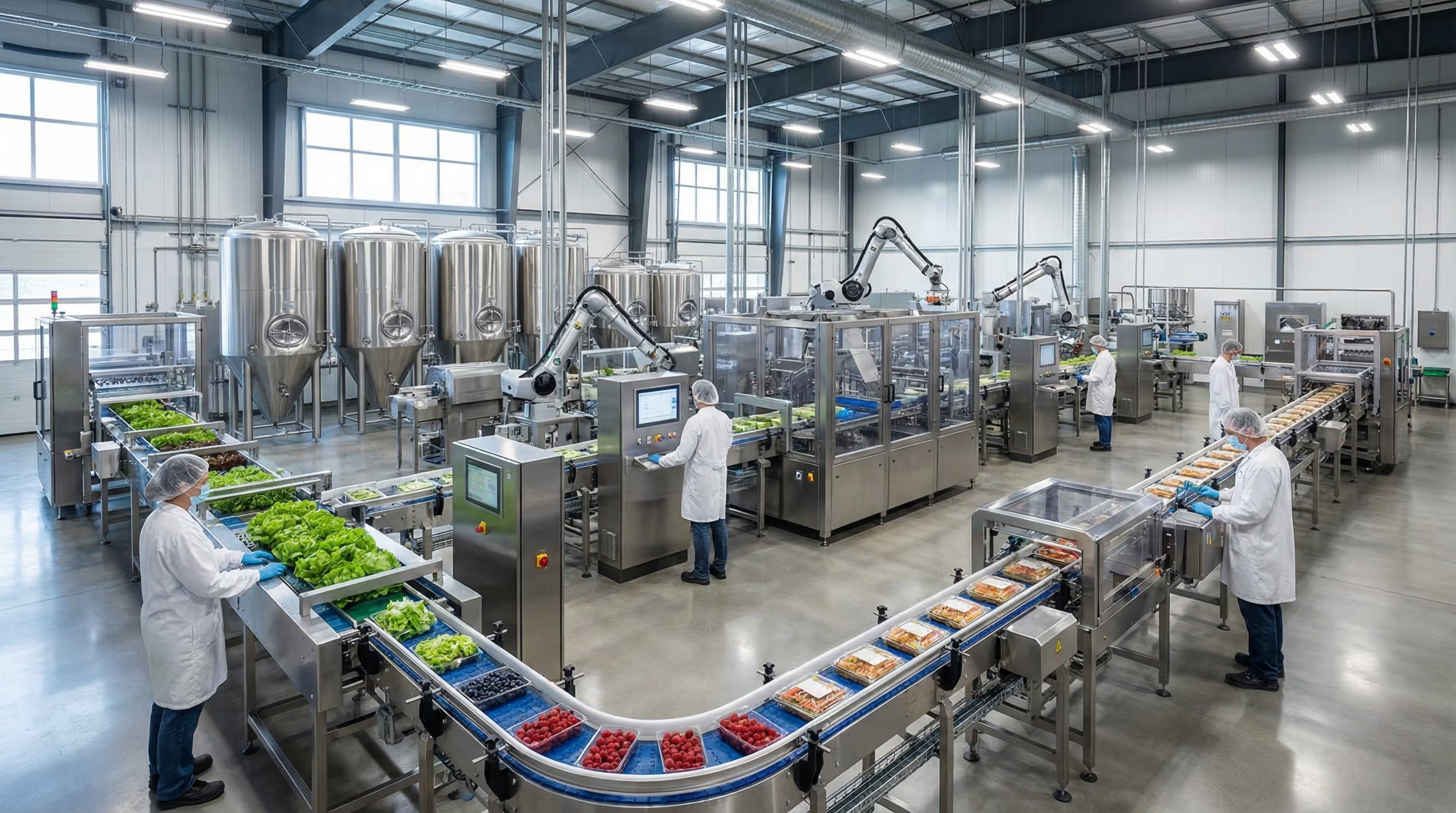
modern food processing plant with stainless steel equipment and conveyor systems

Defining scope and purpose starts every engagement. Your appraiser needs to understand why you need the valuation, which standard of value applies, and what equipment should be included. This initial scoping prevents misunderstandings and ensures the final report meets your specific requirements.

Data collection and inventory involves gathering detailed information about each piece of equipment. You'll provide equipment lists, serial numbers, purchase dates, maintenance records, and operational data. The appraiser may request additional documentation like installation records, modification history, and production capacity information.

Physical inspection can be conducted onsite or through desktop analysis depending on your timeline and budget. Onsite inspections provide the most accurate assessments, allowing appraisers to evaluate actual condition, installation quality, and operational status. Desktop appraisals rely on photographs, documentation, and market research when site visits aren't practical. Learn more about what is a desktop equipment appraisal to determine if this option suits your needs.

Valuation analysis applies appropriate methods based on equipment type and intended use. Appraisers consider original cost, age, condition, market demand, and comparable sales data to reach their conclusions.

Report preparation produces a USPAP-compliant document that explains the appraiser's methodology, assumptions, and conclusions. Quality reports include detailed equipment descriptions, photographs, market analysis, and clear value conclusions that stand up to scrutiny from lenders, courts, or other third parties.

professional appraiser reviewing equipment documentation and taking notes on tablet

What information appraisers collect about your equipment

Thorough data collection ensures accurate valuations and helps appraisers understand your equipment's unique characteristics and market position.

Equipment identification includes manufacturer, model numbers, serial numbers, year of manufacture, and original purchase information. This basic data helps appraisers research specifications, locate comparable sales, and understand the equipment's position in its lifecycle.

Condition and maintenance data covers current operational status, maintenance history, recent repairs, and any modifications or upgrades. Well-maintained equipment with documented service records typically commands higher values than machinery with deferred maintenance or unknown service history.

Production and operational information helps appraisers understand how equipment fits into your overall operation. Capacity ratings, typical utilization rates, and production roles affect value, especially for specialized or custom-configured machinery.

Market and regulatory factors include compliance with current FDA regulations, sanitary design standards, and industry-specific requirements. Equipment that doesn't meet current standards may face significant value reductions due to limited marketability.

Preparation Tip: Gathering complete maintenance records, equipment manuals, and recent photographs before the appraisal begins can significantly improve accuracy and reduce the time required for the evaluation process.

Professional food processing equipment appraisals provide the objective, defensible valuations you need for important business decisions. Whether you're buying equipment, securing financing, or resolving legal matters, working with qualified appraisers who understand your industry ensures you get accurate results that protect your interests. Before selecting an appraiser, review what to look for when choosing a food processing equipment appraiser and how to choose the right appraiser for your equipment & machinery.

AppraiseItNow specializes in food processing equipment valuations with USPAP-compliant reports accepted by major lenders, insurance companies, and courts nationwide. Our certified appraisers combine industry expertise with professional standards to deliver the reliable valuations your business requires.

Frequently Asked Questions

What is a food processing equipment appraisal?

A food processing equipment appraisal is a professional, USPAP-compliant opinion of value on machinery used to manufacture, package, or handle food products. A qualified appraiser inspects the equipment, gathers detailed data, analyzes market and cost information, and issues a written report stating the equipment's fair market value or other defined value standard based on your specific needs.

How often should food processing equipment be appraised?

Most businesses should have their food processing equipment appraised every two to three years, or sooner if there are major equipment changes, market shifts, financing events, or insurance updates. Regular appraisals help ensure your insurance coverage, loan collateral, and financial reporting remain aligned with current market values.

What's the difference between fair market value and liquidation value?

Fair market value reflects what a willing buyer and seller would agree on in an open market with adequate time for marketing and both parties having reasonable knowledge of relevant facts. Liquidation values assume a quicker sale timeline - either orderly liquidation (90-180 days) or forced liquidation (30-60 days) - typically resulting in lower values due to compressed marketing periods.

Can food processing equipment appraisals be done remotely?

Yes, desktop appraisals can be performed using client-supplied documentation, photographs, and equipment specifications instead of an on-site inspection. However, onsite appraisals are often preferred for complex processing lines, high-value assets, or when lenders require physical verification of equipment condition and installation quality.

Related Appraisals We Offer

Related Articles

BEST-IN-CLASS APPRAISERS, CREDENTIALED BY: