Food Processing Equipment Appraisal Guide: Benefits, Methods, and What to Expect

Last Updated on Aug 24, 2025
Originally Published on Aug 24, 2025
Thank you! Your submission has been received!
Oops! Something went wrong while submitting the form.
Nationwide Service
Onsite or Online
USPAP-Compliant
IRS Qualified
DEFENSIBLE, USPAP-COMPLIANT APPRAISAL REPORTS — ACCEPTED BY 10,000+ ORGANIZATIONS
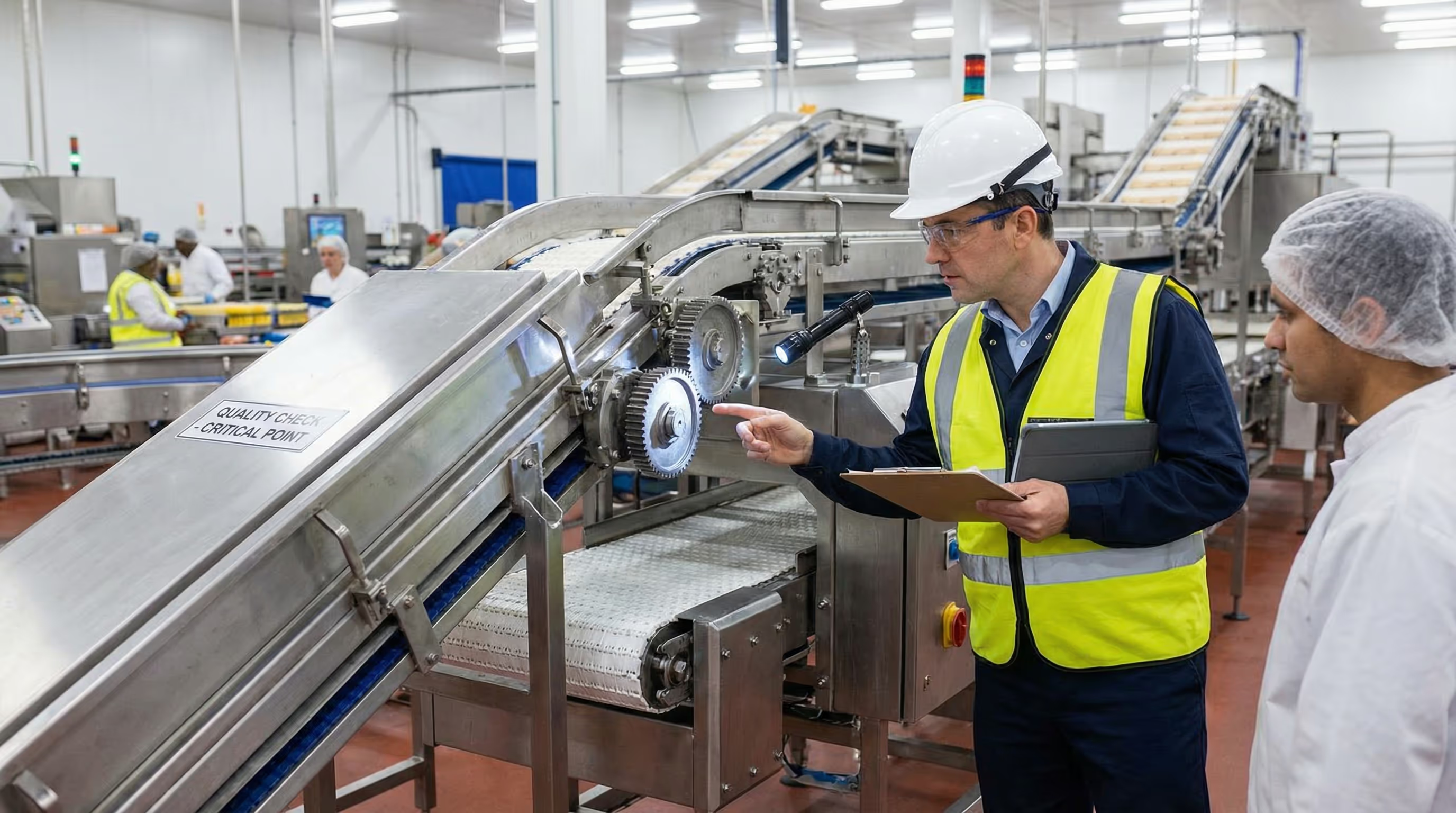
Professional inspector examining industrial food processing machinery

Food processing operations rely heavily on specialized, expensive equipment that can represent millions of dollars in assets. Having current, accurate valuations helps you make informed decisions about equipment replacement, expansion financing, insurance coverage, and tax planning.

Key benefits of professional equipment appraisals for food processors

Getting professional appraisals for your food processing equipment delivers several concrete advantages that directly impact your bottom line and operational security.

Stronger financing and refinancing terms become possible when lenders have confidence in your asset values. Banks use equipment appraisals to determine loan-to-value ratios and collateral requirements. Accurate valuations often result in better interest rates and higher loan amounts, especially for equipment-heavy operations.

Proper insurance coverage protects against catastrophic losses. Many food processors discover they're underinsured only after filing claims. Professional appraisals ensure your coverage matches replacement costs, preventing gaps that could threaten business continuity after equipment damage or theft. Learn more about what you need to know about insuring equipment and machinery appraisals.

Real Example: A dairy processing plant reduced their property taxes by $45,000 annually after a professional appraisal revealed their equipment had depreciated more than local assessors calculated.

Tax optimization opportunities emerge through accurate depreciation schedules and property tax assessments. Appraisals support cost segregation studies, equipment dispositions, and property tax appeals. They also provide documentation for Section 179 deductions and bonus depreciation claims.

Enhanced negotiating power in buying and selling situations gives you leverage based on objective market data rather than guesswork. Whether acquiring used equipment or selling during facility upgrades, professional valuations help you negotiate fair prices and avoid costly mistakes.

Legal protection and compliance becomes crucial during disputes, divorce proceedings, or estate settlements. USPAP-compliant appraisals provide defensible evidence that courts and attorneys accept, reducing litigation risks and supporting fair asset distribution.

Types of food processing equipment typically appraised

Food processing facilities contain diverse equipment categories, each requiring specialized knowledge for accurate valuation. Understanding what gets appraised helps you plan comprehensive assessments.

Processing and production equipment forms the heart of most operations. This includes industrial ovens, mixers, grinders, slicers, cookers, extruders, and specialized processing lines. These items often represent the highest individual values and require appraisers familiar with food manufacturing technologies.

Packaging and bottling systems encompass filling machines, labeling equipment, case packers, palletizers, and wrapping systems. These assets depreciate differently than processing equipment and may have strong resale markets depending on flexibility and condition. Similar considerations apply when appraising industrial equipment.

Various types of food processing equipment including packaging and refrigeration

Refrigeration and cold storage systems include walk-in coolers, freezers, blast chillers, and refrigerated display cases. Energy efficiency standards and refrigerant regulations significantly impact values, making current appraisals essential for accurate assessment.

Sanitation and safety equipment covers washers, sterilization systems, metal detectors, and personal protective equipment. Regulatory compliance requirements affect values, and appraisers must understand current food safety standards when evaluating these assets.

Material handling and utilities encompass conveyors, forklifts, compressors, boilers, and control systems. While supporting rather than primary production functions, these items represent substantial investments and require proper valuation for complete facility assessments.

Understanding valuation methods and the appraisal process

Professional appraisers use multiple approaches to determine equipment values, often combining methods for the most accurate results. Each approach serves different purposes and works better for specific equipment types.

The market approach compares your equipment to recent sales of similar items. Appraisers research auction results, dealer transactions, and private sales to establish value ranges. This method works well for common equipment with active secondary markets but can be challenging for highly specialized or custom machinery.

The cost approach calculates replacement cost new, then subtracts depreciation based on age, condition, and obsolescence. This method suits newer equipment or items with limited resale markets. Appraisers consider physical deterioration, functional obsolescence, and economic factors affecting usefulness.

Valuation MethodBest Used ForKey ConsiderationsMarket ApproachCommon equipment with sales dataRecent comparable transactionsCost ApproachNewer or specialized equipmentReplacement cost minus depreciationIncome ApproachRevenue-generating assetsCash flow and productivity analysis

The income approach evaluates equipment based on revenue generation capacity. This method applies when specific machinery directly contributes to measurable income streams, such as high-speed packaging lines that increase production capacity.

The appraisal process typically takes one to three weeks depending on facility size and complexity. Appraisers begin by collecting equipment lists, specifications, and maintenance records. Site inspections follow, where appraisers photograph equipment, assess condition, and verify operational status. Market research and analysis conclude the process before delivering USPAP-compliant reports. For detailed insights, review understanding the process of food processing equipment appraisal.

Costs, timelines, and choosing qualified appraisers

Professional appraisal costs depend on several factors but typically represent a small fraction of total asset values while delivering significant returns through better financing terms, tax savings, and risk management.

Cost drivers include the number of assets, facility complexity, geographic location, and reporting requirements. Simple appraisals for financing might cost less than comprehensive assessments for litigation or estate purposes. Travel expenses for remote locations and rush timelines can increase fees, but most appraisals cost between 0.1% and 0.5% of total asset values.

Timeline expectations vary by scope and appraiser availability. Single equipment appraisals often complete within a week, while comprehensive facility assessments may require two to four weeks. Providing complete equipment lists, specifications, and maintenance records upfront accelerates the process and can reduce costs.

Preparation Tip: Gathering serial numbers, purchase dates, and recent maintenance records before the appraiser arrives can reduce timeline by 25-30% and ensure more accurate valuations.

Choosing qualified appraisers requires attention to credentials, experience, and industry knowledge. Look for professionals with American Society of Appraisers (ASA), American Machinery and Equipment Appraisers (AMEA), or similar designations. USPAP compliance ensures reports meet professional standards accepted by courts, lenders, and regulators. Consider what to look for when choosing a food processing equipment appraiser to make an informed decision.

Industry-specific experience matters significantly in food processing. Appraisers should understand sanitation requirements, regulatory compliance, and technological trends affecting equipment values. Ask about recent food processing assignments and familiarity with your specific equipment types.

Questions to ask potential appraisers include their credentials, food processing experience, typical timeline, reporting format, and fee structure. Request sample reports to evaluate quality and completeness. Verify that reports will meet your specific needs, whether for financing, insurance, tax purposes, or legal proceedings. Review common questions about food processing equipment appraisal before your consultation.

Professional food processing equipment appraisals provide essential information for making informed business decisions. From securing better financing terms to optimizing tax strategies, accurate valuations protect your investments and support strategic planning. At AppraiseItNow, our USPAP-compliant appraisers specialize in food processing equipment with nationwide coverage and acceptance by major lenders, insurers, and government agencies. Contact us today to discuss your specific appraisal needs and protect your valuable equipment investments.

FAQ

How much does a food processing equipment appraisal cost?

Professional equipment appraisals typically cost less than 1% of the total asset value but can save thousands in taxes, insurance premiums, and financing costs. Fees depend on factors like the number of assets, facility complexity, geographic location, and reporting requirements. Most appraisals cost between 0.1% and 0.5% of total asset values, with simple appraisals for financing costing less than comprehensive assessments for litigation or estate purposes.

How long does a food processing equipment appraisal take?

The appraisal process typically takes one to three weeks depending on facility size and complexity. Single equipment appraisals often complete within a week, while comprehensive facility assessments may require two to four weeks. Providing complete equipment lists, specifications, and maintenance records upfront can reduce the timeline by 25-30% and ensure more accurate valuations.

What information do appraisers need for food processing equipment appraisal?

Appraisers typically need detailed equipment lists with makes, models, serial numbers, and purchase dates; maintenance and upgrade records; photos of the equipment; operational information including capacity and usage; and any relevant documentation such as warranties or previous appraisals. Gathering serial numbers, purchase dates, and recent maintenance records before the appraiser arrives can significantly accelerate the process.

What qualifications should a food processing equipment appraiser have?

Look for professionals with credentials from recognized organizations like the American Society of Appraisers (ASA) or American Machinery and Equipment Appraisers (AMEA). USPAP compliance ensures reports meet professional standards accepted by courts, lenders, and regulators. Industry-specific experience in food processing is crucial, as appraisers should understand sanitation requirements, regulatory compliance, and technological trends affecting equipment values.

Related Appraisals We Offer

Related Articles

BEST-IN-CLASS APPRAISERS, CREDENTIALED BY: