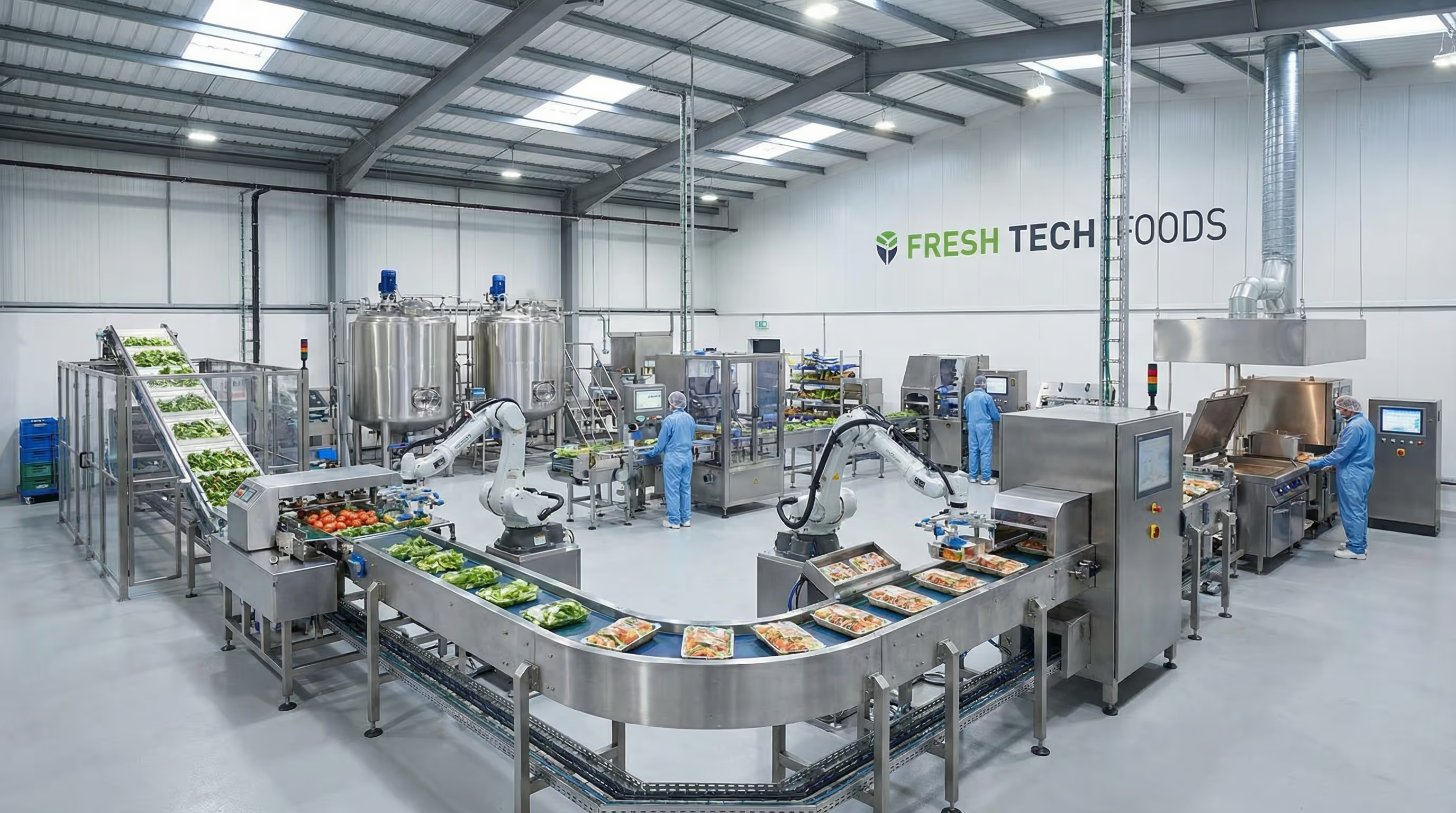
When your food processing plant faces a sale, insurance claim, or financing decision, having accurate equipment values can mean the difference between leaving money on the table and maximizing your return. A food processing equipment appraisal provides an independent, professional assessment of your machinery's fair market value, helping you make informed decisions whether you're securing a loan, selling equipment, or filing an insurance claim.
Quick answer: Food processing equipment appraisals typically cost $2,500 to $15,000 depending on facility size and complexity, take 5-10 business days to complete, and provide USPAP-compliant reports accepted by lenders, insurers, and the IRS.
Key insight: Equipment appraisals are required by most lenders for financing above $250,000 and strongly recommended for insurance coverage on assets worth more than $100,000.
This guide covers everything you need to know about food processing equipment appraisals, including costs, timelines, the step-by-step process, and how to choose the right appraiser for your needs.
A food processing equipment appraisal is a professional evaluation conducted by a qualified appraiser to determine the current market value of machinery used in food production, processing, and packaging. The appraiser inspects your equipment, researches comparable sales, and considers factors like age, condition, and market demand to establish an accurate value.
These appraisals follow Uniform Standards of Professional Appraisal Practice (USPAP) guidelines, ensuring the reports meet requirements for banks, insurance companies, courts, and tax authorities. The final report includes detailed descriptions of each piece of equipment, photographs, and a defensible opinion of value that you can use for financing, insurance, legal proceedings, or business planning.
Most food processing equipment appraisals focus on fair market value, which represents what a willing buyer would pay a willing seller in an open market. However, appraisers can also determine orderly liquidation value or forced liquidation value depending on your specific needs.
Getting an accurate equipment appraisal protects your financial interests and supports better business decisions. When you know exactly what your equipment is worth, you avoid overpaying for new machinery or accepting lowball offers when selling existing assets.
Support financing and business transactions
Banks and lenders require appraisals for equipment loans above certain thresholds, typically $250,000 or more. The appraisal helps them assess collateral value and determine loan terms. Similarly, buyers and sellers in mergers or acquisitions rely on appraisals to negotiate fair prices and structure deals appropriately.
Protect against insurance gaps
Many food processors discover too late that their equipment insurance coverage falls short of replacement costs. An appraisal ensures your coverage matches current values, preventing devastating gaps when you file claims for damaged or stolen equipment. Understanding what you need to know about insuring equipment and machinery appraisals can help you avoid costly coverage mistakes.
Strengthen financial reporting and compliance
Public companies and businesses with complex ownership structures need accurate asset values for financial statements, tax reporting, and regulatory compliance. Professional appraisals provide the documentation required by auditors and tax authorities.
Important note: The IRS requires qualified appraisals for equipment donations above $5,000 and may request appraisals during audits to verify depreciation claims.
Food processing equipment appraisers work with a wide range of machinery and systems throughout your facility. Understanding what can be appraised helps you plan comprehensive valuations and avoid missing valuable assets.
Processing and production equipment includes mixers, tumblers, cookers, kettles, ovens, extruders, and specialized machinery for cutting, grinding, or forming products. These high-value assets often represent the largest portion of a plant's equipment value and require careful evaluation of technological relevance and remaining useful life.
Packaging and material handling systems encompass conveyors, automated packaging machines, sorters, weighers, labeling equipment, and case packers. Appraisers examine these systems both individually and as integrated production lines, since complete systems often have different values than individual components.
Safety, sanitation, and environmental systems cover refrigeration units, blast chillers, exhaust systems, air handling equipment, and cleaning systems. While sometimes overlooked, these assets are essential for regulatory compliance and can represent significant value, especially in facilities with specialized temperature or air quality requirements.

Ancillary and support equipment includes backup generators, compressors, boilers, water treatment systems, and even specialized vehicles like forklifts designed for food handling. Appraisers can evaluate both individual pieces and complete facility packages depending on your needs.
Professional appraisers use systematic approaches to establish accurate equipment values, combining physical inspection with market research and industry expertise. Understanding this process helps you prepare for the appraisal and interpret the final results.
Condition and operational status form the foundation of equipment valuation. Appraisers examine each piece for wear, damage, maintenance quality, and operational efficiency. Well-maintained equipment with complete service records typically commands higher values than similar assets with deferred maintenance or operational issues.
Technology and market relevance significantly impact value in the rapidly evolving food processing industry. Newer equipment with advanced controls, energy efficiency features, or enhanced food safety capabilities often maintains value better than older technology, even if the older equipment still functions adequately.
Market demand and comparable sales provide crucial benchmarks for establishing current values. Appraisers research recent sales of similar equipment, considering factors like geographic location, market conditions, and buyer motivations to establish realistic value ranges.
Valuation ApproachBest Used ForTypical ResultCost ApproachNewer equipment, specialized machineryReplacement cost minus depreciationMarket ApproachCommon equipment with active resale marketValue based on comparable salesIncome ApproachProduction lines, revenue-generating systemsValue based on earning potential
Regulatory compliance and certifications can significantly affect equipment value in the food processing industry. Equipment that meets current FDA, USDA, or other regulatory standards typically maintains higher values than assets requiring costly upgrades for compliance.
Understanding the appraisal process helps you prepare effectively and ensures smooth completion within expected timeframes. Most appraisals follow a structured sequence that balances thoroughness with efficiency. For detailed guidance, review understanding the process of food processing equipment appraisal.
Scoping and initial consultation begins when you contact the appraiser with your equipment list and appraisal purpose. The appraiser reviews your needs, explains the process, and provides a fee quote based on the scope of work. This initial step typically takes 1-2 business days and helps both parties set clear expectations.
Documentation review and preparation involves gathering equipment records, purchase invoices, maintenance logs, and any existing appraisals or valuations. You'll also prepare an equipment list with model numbers, serial numbers, and locations within your facility. Having complete documentation ready can reduce appraisal time and costs significantly.
Inspection and data collection represents the core of the appraisal process. For onsite appraisals, the appraiser visits your facility to examine equipment condition, take photographs, and verify specifications. Remote appraisals rely on detailed photos and video calls, though they're limited to simpler equipment or situations where onsite access isn't practical.
Market research and analysis happens after the inspection, as the appraiser researches comparable sales, replacement costs, and market conditions. This desktop work typically takes 3-5 business days and forms the analytical foundation for the final value opinions.
Report preparation and review produces the final appraisal document, including equipment descriptions, photographs, market analysis, and value conclusions. USPAP-compliant reports include detailed methodology explanations and supporting documentation that satisfy lender, insurer, and legal requirements.

Food processing equipment appraisal costs vary significantly based on facility size, equipment complexity, and project scope. Understanding typical cost ranges and key drivers helps you budget appropriately and compare appraiser proposals effectively.
Small to mid-sized operations with 10-50 pieces of equipment typically pay $2,500 to $7,500 for comprehensive appraisals. Single high-value items like specialized production lines might cost $1,500 to $3,500 to appraise individually, depending on complexity and research requirements.
Large facilities or multi-location appraisals often range from $8,000 to $15,000 or more, particularly when they include complete production systems, extensive ancillary equipment, or require multiple site visits. Complex facilities with specialized or custom equipment may require additional research time that increases costs.
Key cost drivers include the number of equipment items, geographic location, deadline requirements, and appraisal complexity. Rush jobs typically carry 25-50% premium fees, while providing complete documentation and flexible scheduling can help control costs without sacrificing accuracy.
Cost-saving tip: Consolidating multiple equipment appraisals into single engagements and providing complete equipment lists with photos upfront can reduce total costs by 15-25%.
Choosing between remote and onsite appraisals affects accuracy, cost, and timeline. Understanding when each approach works best helps you make informed decisions that balance convenience with reliability.
Remote appraisals work well for standard equipment with readily available market data, smaller-value assets, or situations where onsite access is difficult or expensive. They typically cost 20-30% less than onsite appraisals and can be completed faster since they eliminate travel time and scheduling coordination.
Onsite inspections are strongly recommended for high-value equipment, complex production systems, or situations requiring maximum accuracy and defensibility. Lenders, insurers, and courts generally prefer onsite appraisals for significant transactions, and the hands-on inspection often reveals condition issues that photos might miss.
Hybrid approaches combine remote review of documentation and standard equipment with selective onsite visits for the most valuable or complex assets. This balanced method can provide good accuracy while controlling costs and timelines for large facilities.
The choice often depends on your specific situation and risk tolerance. For equipment financing or insurance coverage, the additional cost of onsite inspection usually provides worthwhile peace of mind and stronger report defensibility.
Selecting a qualified appraiser ensures accurate valuations and reports that meet your specific requirements. Key credentials and experience factors separate professional appraisers from less qualified alternatives. Learn more about what to look for when choosing a food processing equipment appraiser.
Professional credentials matter significantly in equipment appraisal. Look for appraisers with ASA (American Society of Appraisers), ISA (International Society of Appraisers), or similar certifications. USPAP compliance is essential for reports used in lending, legal, or tax situations.
Industry experience with food processing equipment provides crucial context for accurate valuations. Appraisers familiar with food safety regulations, processing technology trends, and industry-specific market conditions typically produce more reliable and defensible reports than generalists.
Report acceptance and methodology should align with your intended use. Verify that the appraiser's reports are accepted by your bank, insurance company, or other stakeholders. Ask about their valuation methodology and whether they provide the level of detail and supporting documentation you need.
When interviewing potential appraisers, ask about their experience with similar equipment, typical turnaround times, fee structure, and what documentation they'll need from you. A professional appraiser should provide clear answers and demonstrate familiarity with your industry's specific requirements. For additional insights, explore common questions about food processing equipment appraisal.
Food processing equipment appraisals provide essential value information for financing, insurance, transactions, and business planning. While they require investment in time and money, the financial protection and decision-making support they provide typically far outweigh the costs.
Professional appraisals help you avoid overpaying for equipment, ensure adequate insurance coverage, satisfy lender requirements, and support strategic business decisions. Whether you need a single-item appraisal or comprehensive facility valuation, working with qualified appraisers ensures accurate, defensible results. Understanding the benefits of professional appraisal for food processing equipment can help you maximize your investment.
AppraiseItNow provides USPAP-compliant food processing equipment appraisals nationwide, with reports accepted by major lenders, insurers, and government agencies. Our experienced appraisers understand the food processing industry and can complete most appraisals within 7-10 business days. Contact us today to discuss your equipment appraisal needs and receive a customized quote for your facility.
A food processing equipment appraisal is a professional evaluation conducted by a qualified appraiser to determine the current market value of machinery used in food production, processing, and packaging. The appraiser inspects your equipment, researches comparable sales, and considers factors like age, condition, and market demand to establish an accurate value following USPAP guidelines.
Food processing equipment appraisal costs typically range from $2,500 to $15,000 depending on facility size and complexity. Small to mid-sized operations with 10-50 pieces of equipment usually pay $2,500 to $7,500, while large facilities or multi-location appraisals can range from $8,000 to $15,000 or more. Key cost drivers include the number of equipment items, geographic location, deadline requirements, and appraisal complexity.
Most food processing equipment appraisals take 5-10 business days to complete. The inspection and data collection phase typically takes a few hours for small facilities to multiple days for complex plants, while market research, analysis, and report preparation adds several more days. Rush jobs are possible but typically carry 25-50% premium fees.
Food processing equipment appraisals are typically required by lenders for financing above $250,000, strongly recommended for insurance coverage on assets worth more than $100,000, and necessary for legal proceedings, tax reporting, mergers and acquisitions, and business transactions. They're also needed for equipment donations above $5,000 and may be requested during IRS audits to verify depreciation claims.