Farm Equipment Appraisal: How Experts Accurately Value Your Machinery

Last Updated on Jul 30, 2025
Originally Published on Jul 30, 2025
Thank you! Your submission has been received!
Oops! Something went wrong while submitting the form.
Nationwide Service
Onsite or Online
USPAP-Compliant
IRS Qualified
DEFENSIBLE, USPAP-COMPLIANT APPRAISAL REPORTS — ACCEPTED BY 10,000+ ORGANIZATIONS
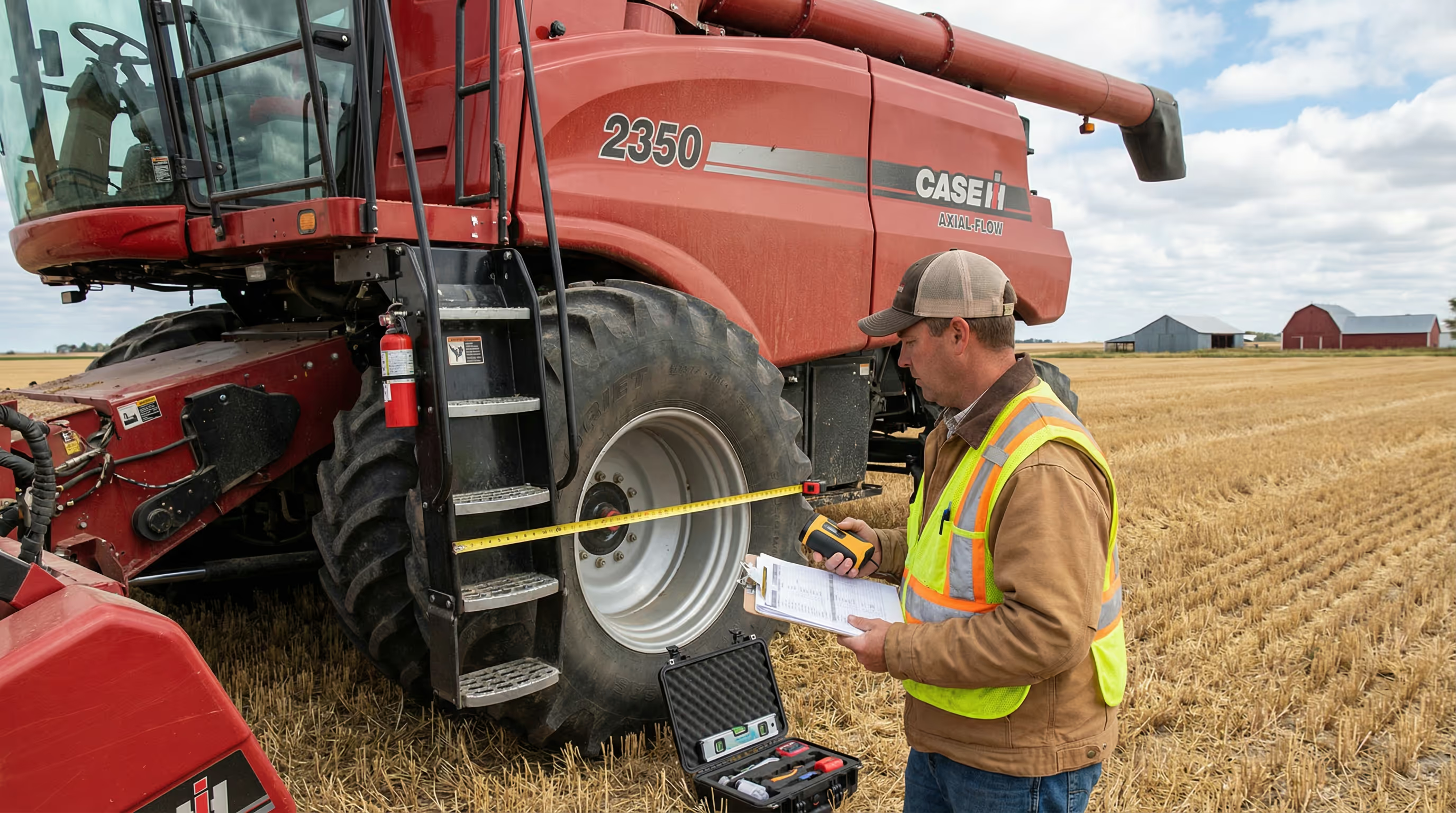
Professional appraiser inspecting a large red combine harvester in a farm field with clipboard and measuring tools

Picture this: You're sitting across from a loan officer, trying to secure financing for your farming operation. They ask for the current value of your equipment fleet, and you give them your best guess based on what you paid years ago. The loan gets denied because your informal estimate doesn't meet their requirements for defensible collateral valuation. This scenario plays out more often than you'd think, costing farmers thousands in lost opportunities and forcing them into unfavorable financing terms.

Expert farm equipment appraisals provide USPAP-compliant valuations that are accepted by lenders, insurance companies, the IRS, and courts nationwide.

Farm equipment appraisal is the professional process of determining the fair market value of agricultural machinery through systematic inspection, market research, and analysis. Unlike casual estimates or online calculators, expert appraisals follow strict industry standards and provide legally defensible documentation that financial institutions and government agencies require.

Whether you're buying, selling, financing, or settling an estate, understanding how professional appraisers work can save you from costly mistakes and ensure you get fair value for your machinery investments.

When you should get your farm equipment appraised

Knowing when to seek a professional appraisal can mean the difference between a smooth transaction and a costly dispute. Most farmers need appraisals during major financial or legal events, but the timing matters more than you might realize.

Buying or selling machinery represents the most common scenario. When you're purchasing used equipment, an independent appraisal protects you from overpaying, while sellers use appraisals to justify their asking price and speed up negotiations. The investment in an appraisal often pays for itself by preventing deals from falling through due to value disagreements.

Financing and refinancing situations almost always require professional valuations. Lenders need current market values to determine loan amounts and collateral adequacy. Equipment that's been sitting on your farm for years may be worth significantly more or less than you think, directly affecting your borrowing capacity and interest rates.

Farmer and banker reviewing appraisal documents at a desk with farm equipment visible through the window

Estate planning and business transitions create complex valuation needs. When family members inherit equipment or partners dissolve farming operations, emotions can cloud judgment about fair values. Professional appraisals provide neutral ground for these sensitive discussions and ensure equitable distribution of assets.

Insurance coverage and claims depend heavily on accurate valuations. Many farmers discover they're underinsured only after suffering a loss. Regular appraisals help you maintain adequate coverage levels and provide the documentation needed to settle claims quickly and fairly.

The IRS requires qualified appraisals for equipment donations over $5,000 and may request them during audits of depreciation schedules or estate valuations.

Benefits of hiring an expert farm equipment appraiser

Professional appraisers bring specialized knowledge that goes far beyond simple price comparisons. They understand the nuances of agricultural machinery markets, regional demand patterns, and the technical factors that significantly impact value but aren't obvious to casual observers.

Defensible valuations represent the primary advantage of expert appraisals. When lenders, insurance companies, or courts review your documentation, they need confidence that the values are accurate and unbiased. USPAP-compliant appraisals meet these stringent requirements and rarely face challenges during review processes.

Market expertise allows professional appraisers to account for factors you might miss. They track auction results, dealer pricing, and regional demand trends that can cause identical equipment to have different values in different markets. This knowledge ensures your appraisal reflects current reality rather than outdated assumptions.

Risk reduction extends beyond just getting accurate numbers. Professional appraisals help prevent disputes with business partners, family members, and financial institutions. They also protect you from IRS challenges during audits and provide solid ground for insurance settlements.

The peace of mind that comes from knowing your equipment values are professionally documented often proves invaluable during stressful situations like loan applications, insurance claims, or family business transitions.

How professionals evaluate farm equipment

The appraisal process follows a systematic approach that combines physical inspection with comprehensive market research. Understanding this process helps you prepare effectively and ensures you get maximum value from the service.

Initial consultation and scope definition begins every professional appraisal. The appraiser needs to understand your specific requirements, timeline, and intended use for the appraisal. This conversation determines whether you need individual asset values, fleet valuations, or specialized reporting for specific purposes like estate planning or litigation support.

Physical inspection and documentation forms the foundation of accurate valuations. Professional appraisers examine each piece of equipment for condition, modifications, maintenance history, and operational status. They photograph key components, record serial numbers, and note any factors that might affect value such as aftermarket attachments or recent repairs.

Market research and analysis separates professional appraisals from casual estimates. Appraisers access multiple data sources including recent auction results, dealer listings, and private sale transactions. They adjust these comparables for differences in condition, location, and timing to arrive at current fair market values.

Split screen showing appraiser taking detailed photos of tractor engine and reviewing market data on laptop

Report preparation and delivery concludes the process with comprehensive documentation. Professional appraisal reports include detailed descriptions, photographs, market analysis, and clear value conclusions. These reports meet legal and regulatory requirements for various purposes and provide the backup documentation you need for important decisions.

The entire process typically takes one to two weeks depending on the number of assets and complexity of the assignment. Rush services are available for urgent situations, though they may carry premium pricing.

Key factors that drive farm equipment value

Understanding what affects your equipment's value helps you make better buying, selling, and maintenance decisions. Professional appraisers consider dozens of factors, but several consistently have the greatest impact on final valuations.

Age and operating hours provide the baseline for most valuations, but the relationship isn't always straightforward. A well-maintained older machine may be worth more than a neglected newer one. Hours matter more for some equipment types than others, and appraisers know how to weight these factors appropriately for different machinery categories.

Maintenance history and condition often determine whether equipment sells quickly or sits on the market. Complete service records, recent major repairs, and obvious care in storage and operation all add value. Conversely, deferred maintenance, obvious neglect, or missing service documentation can significantly reduce market appeal and final values.

FactorHigh Value ImpactLow Value ImpactMaintenanceComplete records, recent serviceMissing records, deferred maintenanceTechnologyCurrent emissions, GPS, automationOutdated systems, no upgradesAttachmentsOriginal equipment, high-demand optionsGeneric add-ons, specialty itemsMarket demandPopular models, versatile equipmentObsolete designs, limited applications

Technology and features increasingly influence equipment values as farming becomes more sophisticated. GPS guidance, variable rate capabilities, and current emission standards command premium prices, while outdated technology can make otherwise good equipment difficult to sell.

Regional market conditions create significant value variations for identical equipment. What sells well in corn country may have limited appeal in cattle regions. Professional appraisers understand these geographic differences and adjust their valuations accordingly, ensuring your appraisal reflects local market realities rather than national averages.

Equipment with complete maintenance records and current technology features typically appraises 15-25% higher than similar machines with unknown service history or outdated systems.

Getting a professional farm equipment appraisal isn't just about knowing what your machinery is worth today. It's about making informed decisions that protect your financial interests and ensure smooth transactions when you need them most. Whether you're planning for the future or dealing with immediate needs, expert valuations provide the foundation for confident decision-making in an increasingly complex agricultural economy.

Professional appraisers bring the specialized knowledge, market access, and documentation standards that today's financial and legal environment demands. The investment in quality appraisal services typically pays for itself through better loan terms, fair insurance settlements, and smoother business transitions that keep your operation moving forward. When selecting an appraiser, asking the right questions ensures you work with qualified professionals who understand your specific needs.

FAQ

What is a farm equipment appraisal?

A farm equipment appraisal is a formal, professional opinion of value for tractors, combines, implements, and other agricultural machinery, prepared by a qualified appraiser following USPAP standards. These appraisals are used for buying, selling, financing, insurance coverage, estate planning, and tax purposes, providing defensible documentation that lenders, courts, and the IRS will accept.

How do professional appraisers determine farm equipment value?

Professional appraisers inspect the equipment's condition, document make, model, age, hours, and maintenance history, then analyze comparable sales in the regional market. They adjust for differences in condition, location, and timing to arrive at a defensible fair market value using accepted valuation methodologies rather than simple price averaging.

When should I get my farm equipment appraised?

You should get farm equipment appraised when buying or selling machinery, applying for financing or refinancing loans, settling estates or divorce proceedings, updating insurance coverage, making charitable donations over $5,000, or during partner buyouts. Professional appraisals should also be updated every 2-3 years or after significant market changes.

Are farm equipment appraisals accepted by banks and the IRS?

Yes, appraisals prepared by qualified, credentialed, USPAP-compliant appraisers are widely accepted by banks, courts, and the IRS. For tax purposes, the IRS requires "qualified appraisals" prepared by "qualified appraisers" for equipment donations over $5,000 and may request them during audits of depreciation schedules or estate valuations.

Related Appraisals We Offer

Related Articles

BEST-IN-CLASS APPRAISERS, CREDENTIALED BY: