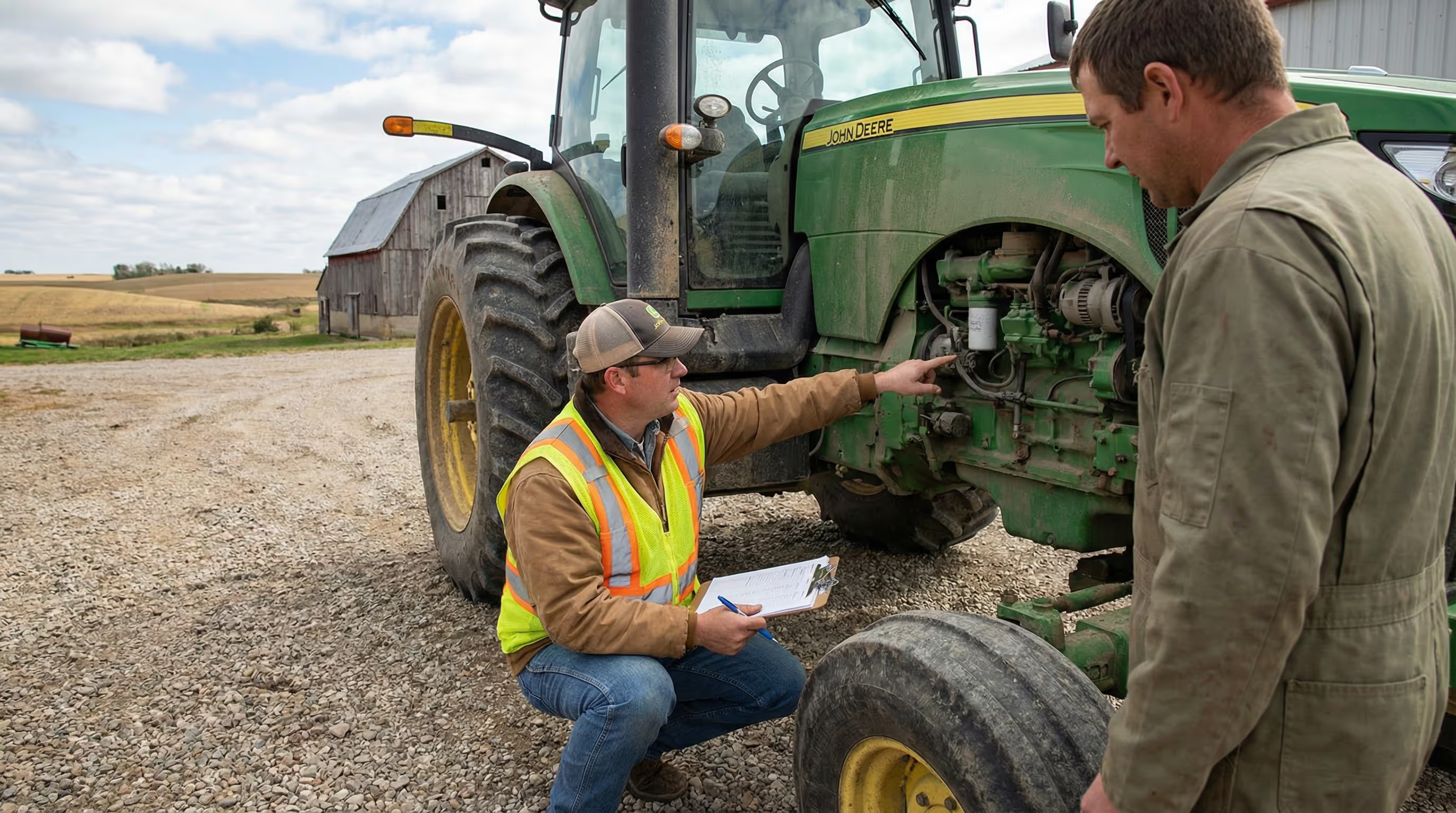
You're trading in your high-horsepower tractor and the dealer's offer seems low, but you have no concrete way to verify if it reflects current market reality. Or maybe your lender is requiring an appraisal for equipment financing, and you're not sure what to expect from the process.
Farm equipment appraisals provide an independent, professional assessment of your machinery's fair market value. Unlike dealer quotes or online estimates, these formal valuations follow industry standards and are accepted by banks, insurance companies, the IRS, and courts. With used equipment values fluctuating significantly due to supply chain disruptions and changing interest rates, having an accurate, defensible appraisal has become more critical than ever for making informed financial decisions.
Key insight: A professional farm equipment appraisal typically costs between $300-800 per machine and takes 5-10 business days to complete, but can save thousands by ensuring accurate valuations for loans, sales, or tax purposes.
The most common scenario requiring an appraisal is when you're buying or selling equipment and need to verify fair market value. Banks increasingly require formal appraisals for equipment loans over $50,000, especially in today's volatile market where dealer trade-in values can vary significantly from actual market worth.
Insurance purposes represent another major driver. If you're filing a claim for damaged or stolen equipment, your insurer will likely request a professional appraisal to establish replacement cost. Many farmers also discover their coverage is inadequate when they realize their equipment has appreciated beyond their original policy limits.
Tax planning creates substantial appraisal demand. Whether you're donating equipment to charity, handling estate planning, or facing an IRS audit on depreciation claims, you'll need USPAP-compliant documentation. Divorce proceedings and business partnership dissolutions also require neutral, court-acceptable valuations to ensure equitable asset division.

Professional appraisers use three primary approaches to determine value. The market approach compares your equipment to recent sales of similar machines, adjusting for differences in age, condition, and features. This method works best for common equipment with active resale markets.
The cost approach calculates what it would cost to replace your equipment with something of equivalent utility, then applies appropriate depreciation. This approach proves valuable for newer equipment or specialized machinery with limited comparable sales data.
For income-producing equipment, appraisers may use the income approach, which considers the economic benefit the machinery generates. This method applies primarily to custom operators or rental fleets where equipment directly generates measurable revenue.
Key factors affecting value include operating hours, maintenance history, technology level, and local market demand. A well-maintained tractor with precision agriculture capabilities will command premium pricing compared to similar models lacking modern features. Geographic location also matters, as equipment values can vary significantly between regions based on local farming practices and dealer networks.
Getting started requires gathering basic information about your equipment including make, model, year, serial numbers, and operating hours. Service records, previous appraisals, and recent photos help appraisers prepare more efficiently and may reduce overall costs.
The inspection phase can happen onsite or remotely depending on your needs and the appraiser's capabilities. Onsite inspections provide the most thorough assessment, allowing appraisers to evaluate mechanical condition, wear patterns, and operational status. Remote appraisals using detailed photos and video calls work for certain situations but may not meet requirements for some lenders or legal proceedings.
During analysis, appraisers research comparable sales, review auction results, and consult industry databases to establish market context. They consider factors like seasonal demand patterns, regional preferences, and current inventory levels that might affect your equipment's marketability.
The final report includes detailed descriptions, photographs, market analysis, and a certified value conclusion. USPAP-compliant reports meet standards required by financial institutions, courts, and government agencies. Most appraisals are delivered within 5-10 business days, though complex assignments or multiple machines may require additional time. To ensure you're fully prepared, review our checklist for preparing your agricultural equipment for appraisal.
Important note: Rush appraisals are available for urgent situations but typically cost 25-50% more than standard timelines and may not allow for the most thorough market research.
Farm equipment appraisal costs typically range from $300-800 per machine, with several factors influencing the final price. Simple, common equipment like standard tractors cost less to appraise than specialized or modified machinery requiring extensive research. Travel distance affects pricing, especially for rural locations far from the appraiser's base.
Multiple machines often qualify for volume discounts, making fleet appraisals more cost-effective per unit. Rush requests, complex modifications, or equipment requiring special expertise command premium pricing. While choosing the cheapest option might seem appealing, non-compliant appraisals risk rejection by lenders, insurers, or courts.
Timeline expectations vary based on assignment complexity. Single-machine appraisals typically complete within one week, while full farm operations may require 2-3 weeks. Peak seasons like spring planting or fall harvest can extend timelines as appraisers manage higher demand.
When selecting an appraiser, verify their credentials and experience with agricultural equipment. Look for designations from recognized organizations like the American Society of Appraisers (ASA) or American Society of Agricultural Appraisers (ASAA). Ask about their USPAP compliance, insurance coverage, and familiarity with your specific equipment types. Learn more about what sets professional farm equipment appraisers apart to make an informed decision.
Appraisal TypeTypical CostTimelineBest ForSingle machine$300-5005-7 daysSales, loans, insuranceMultiple machines$250-400 each7-10 daysFleet valuation, estate planningComplex/specialized$500-800+10-14 daysCustom equipment, litigation
Pro tip: Always request sample reports and references before hiring an appraiser, especially for high-value equipment or legal proceedings where report quality is critical.
The agricultural equipment market continues evolving with technological advances, changing financing requirements, and volatile commodity prices affecting machinery values. Professional appraisals provide the accurate, defensible valuations you need to make confident decisions whether you're buying, selling, financing, or protecting your equipment investments. By understanding when you need an appraisal, how the process works, and what to expect in terms of cost and timeline, you can better navigate these important financial decisions and ensure your valuable farm assets are properly valued and protected. For additional guidance, explore our 10 essential questions to ask your farm equipment appraiser.

Farm equipment appraisal costs typically range from $300-800 per machine, depending on the complexity of the equipment, travel distance, and level of detail required. Multiple machines often qualify for volume discounts, making fleet appraisals more cost-effective per unit. While the upfront cost may seem significant, it's often minimal compared to the financial impact of mis-valued equipment in loans, sales, or insurance claims.
Many lenders require or strongly prefer an independent appraisal when farm equipment is used as collateral, especially for loans over $50,000. Even when not strictly required, a professional USPAP-compliant appraisal can strengthen your loan application and speed up underwriting by giving the lender confidence in the collateral value, particularly in today's volatile equipment market.
Most single-machine farm equipment appraisals are completed within 5-10 business days, while multiple machines or complex equipment may require 7-14 days. The timeline depends on factors like equipment accessibility, documentation availability, and market research complexity. Rush appraisals are available for urgent situations but typically cost 25-50% more than standard timelines.
While dealer quotes are useful for general pricing, they typically aren't USPAP-compliant and may not be accepted by courts, the IRS, or many lenders and insurers. A professional appraisal provides a standardized, independent valuation backed by comprehensive market data, comparable sales analysis, and detailed documentation that meets legal and financial institution requirements.