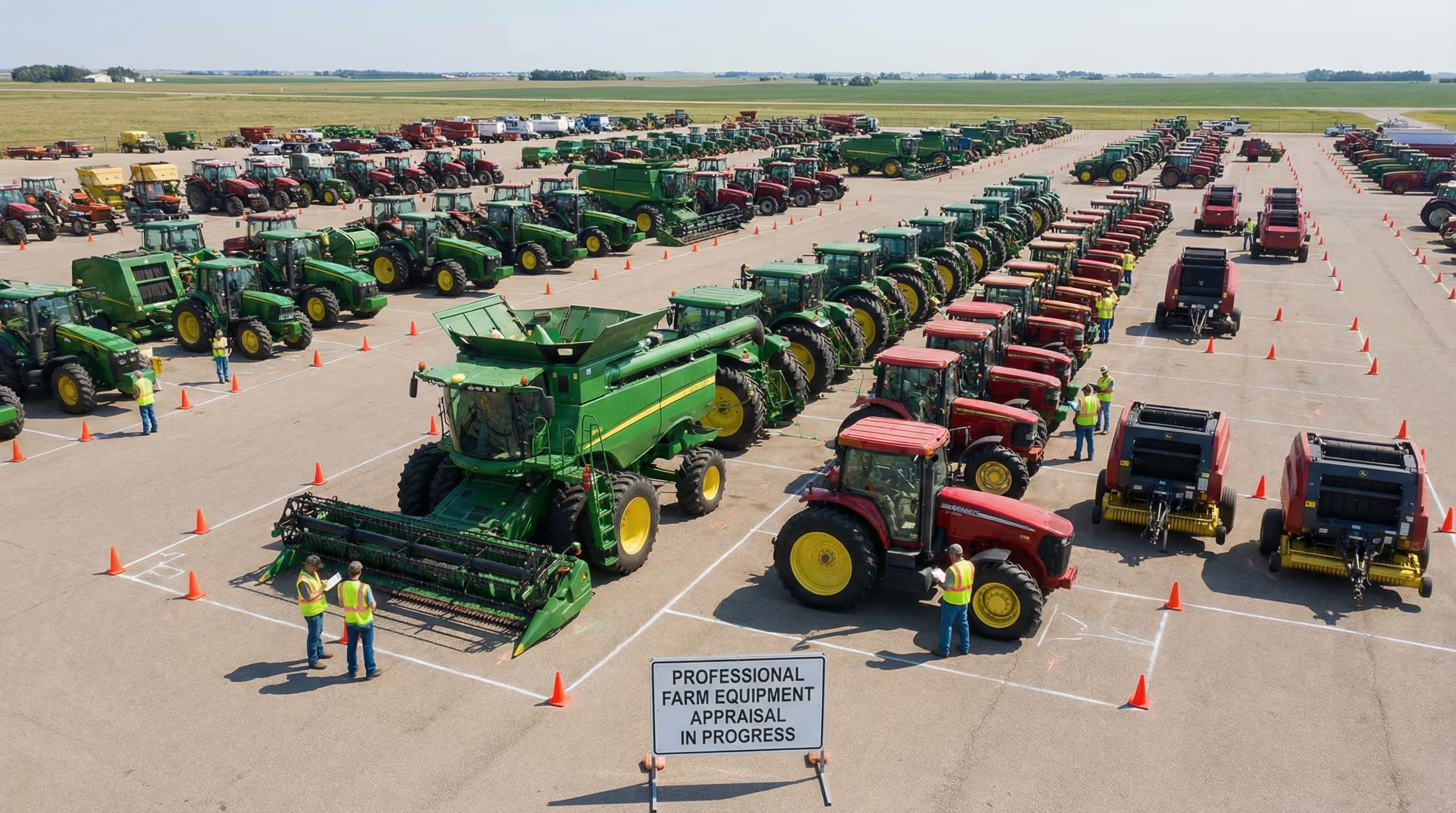
Farm Equipment Appraisal Guide: What to Expect, Process, and Costs

Last Updated on Sep 03, 2025
Originally Published on Sep 03, 2025
Thank you! Your submission has been received!
Oops! Something went wrong while submitting the form.
Nationwide Service
Onsite or Online
USPAP-Compliant
IRS Qualified
DEFENSIBLE, USPAP-COMPLIANT APPRAISAL REPORTS — ACCEPTED BY 10,000+ ORGANIZATIONS
Farm Equipment Appraisal Process Overview

Whether you're refinancing your farm operation, settling an estate, or preparing for a major equipment purchase, determining the accurate value of farm machinery can feel overwhelming. Without proper documentation, you might face challenges with lenders, insurance companies, or the IRS when they question your equipment values.

A farm equipment appraisal provides an unbiased, professional opinion of your machinery's fair market value at a specific date. This process involves detailed inspection, market research, and analysis to create a USPAP-compliant report that banks, insurers, courts, and tax authorities accept. You'll typically need appraisals for financing decisions, estate planning, divorce proceedings, insurance coverage, or tax compliance.

Key Insight: Most farm equipment appraisals take 3-7 business days to complete, with costs ranging from $300 to $2,500 depending on the scope and number of items being valued.

In this guide, you'll learn exactly what happens during the appraisal process, what information you need to prepare, how appraisers determine value, and what to expect for timing and costs.

Understanding farm equipment appraisals

A farm equipment appraisal is a systematic evaluation that determines the current market value of agricultural machinery and equipment. Unlike online calculators or dealer estimates, professional appraisals follow established standards and provide legally defensible documentation.

The process combines physical inspection with comprehensive market research. Your appraiser examines each piece of equipment, noting its condition, hours of operation, maintenance history, and any modifications or attachments. They then research comparable sales, current market trends, and regional demand to establish accurate values.

You might need an appraisal when applying for operating loans, as lenders require collateral verification. Estate situations often trigger appraisal needs, especially when dividing assets among heirs or satisfying IRS requirements. Insurance companies may request updated valuations to ensure adequate coverage, while divorce proceedings require neutral third-party assessments for equitable distribution.

Farm Equipment Inspection Process

The step-by-step appraisal process

The appraisal journey begins with an initial consultation where you discuss the purpose, scope, and timeline. Your appraiser needs to understand whether you're seeking fair market value for a sale, orderly liquidation value for financing, or replacement cost for insurance purposes. This determines the valuation approach and report format.

Next comes the preparation phase, where you compile equipment lists and supporting documents. A complete asset inventory includes make, model, year, serial numbers, operating hours, and any attachments or modifications. Gathering maintenance records, purchase invoices, and recent repair documentation helps establish condition and ownership history.

The inspection phase involves either on-site visits or virtual assessments, depending on your location and equipment accessibility. During on-site inspections, appraisers photograph each item, test key functions, and document any wear, damage, or unique features. Having someone knowledgeable about your equipment present during inspection helps answer technical questions and provides operational context.

Research and analysis follow the inspection, where appraisers study comparable sales, auction results, and dealer pricing to establish market values. They adjust these comparables based on condition differences, geographic factors, and current market trends. This research phase often takes the longest, as thorough market analysis ensures accurate valuations.

The final step delivers your completed appraisal report, which includes detailed descriptions, photographs, market analysis, and value conclusions. USPAP-compliant reports provide the documentation needed for lenders, insurers, attorneys, or tax professionals.

What information and documents you'll need

Proper preparation significantly speeds the appraisal process and improves accuracy. Start by creating a comprehensive equipment list that includes manufacturer, model, year, serial number, and current operating hours or mileage. Note any attachments, modifications, or recent upgrades that might affect value.

Gather all relevant paperwork, including original purchase invoices, financing documents, and warranty information. Maintenance records demonstrate care and can support higher condition ratings, while repair histories help appraisers understand any mechanical issues or component replacements.

Pro Tip: Organizing your documents before the appraiser arrives can reduce inspection time by up to 30% and often results in more detailed condition assessments.

Recent photographs prove helpful, especially for equipment stored in multiple locations or when scheduling challenges exist. Include shots of serial number plates, hour meters, and any visible wear or damage. If you've made modifications or added attachments, document these changes with photos and receipts.

Consider preparing depreciation schedules if you're using the appraisal for tax purposes, as these help appraisers understand your accounting methods and book values. For insurance appraisals, current policy information helps determine appropriate coverage levels and replacement cost considerations.

Farm Equipment Documentation Checklist

Factors that influence equipment value

Several key factors determine your farm equipment's market value, with age and operating hours typically having the greatest impact. Newer equipment with lower hours commands premium pricing, while high-hour machines face steeper depreciation regardless of maintenance quality.

Condition assessment goes beyond simple age calculations. Well-maintained equipment with complete service records often appraises higher than similar units with unknown histories. Appraisers look for signs of proper storage, regular maintenance, and careful operation when evaluating condition factors.

Brand reputation and market demand significantly influence values. Popular manufacturers with strong dealer networks typically maintain better resale values than lesser-known brands. However, specialized equipment from niche manufacturers might hold value well in specific markets where demand exceeds supply.

Market timing affects values as agricultural commodity prices, interest rates, and seasonal demand create fluctuations. Spring planting season often sees higher values for tillage and planting equipment, while harvest season favors combines and processing machinery. Regional factors like crop types, farm sizes, and local dealer presence also impact market values. Understanding how tariffs impact farm equipment values can also be crucial in today's global market.

FactorHigh Value ImpactLow Value ImpactOperating HoursUnder 1,000 hoursOver 5,000 hoursConditionExcellent maintenancePoor upkeepBrandJohn Deere, Case IHUnknown brandsMarket TimingPeak season demandOff-season surplus

Timeline and cost considerations

Appraisal timelines vary based on scope, location, and complexity. Simple single-item appraisals often complete within 3-5 business days, while comprehensive fleet evaluations might require 1-2 weeks. Multi-location farms or hard-to-access equipment can extend timelines, especially during busy farming seasons.

Several factors influence total turnaround time. Providing complete documentation upfront accelerates the process, while missing information creates delays for follow-up research. Geographic considerations matter too, as remote locations require additional travel time and scheduling coordination.

Cost structures typically follow one of three models: hourly rates, per-item fees, or flat project pricing. Hourly rates work well for complex situations requiring extensive research, while per-item pricing suits straightforward equipment lists. Project fees often provide the best value for large fleets or comprehensive farm appraisals. Learn more about the cost of farm equipment appraisal to budget appropriately.

Budget Planning: Most single-tractor appraisals cost $400-800, while complete farm equipment appraisals range from $1,500-4,000 depending on the number of items and locations involved.

Additional costs might include travel expenses for remote locations, rush fees for expedited service, or premium charges for litigation support. Discussing fee structures upfront prevents surprises and helps you budget appropriately for the appraisal process.

Understanding what to expect during a farm equipment appraisal helps you prepare effectively and ensures accurate results. The combination of professional expertise, thorough documentation, and proper market analysis creates reliable valuations that serve your specific needs, whether for financing, insurance, estate planning, or business decisions. Before hiring an appraiser, make sure you know the essential questions to ask your farm equipment appraiser and avoid common mistakes that can affect your appraisal results. At AppraiseItNow, our USPAP-compliant appraisers specialize in agricultural equipment and provide the detailed documentation you need for any situation.

Frequently Asked Questions

How much does a farm equipment appraisal cost?

Farm equipment appraisal costs typically range from $300 to $2,500, depending on the number of items, complexity, and scope of work. Simple single-tractor appraisals usually cost $400-800, while comprehensive farm equipment appraisals range from $1,500-4,000. Factors affecting cost include travel requirements, rush fees for expedited service, and whether the appraisal is needed for litigation or tax purposes, which may require additional documentation.

How long does a farm equipment appraisal take to complete?

Most farm equipment appraisals take 3-7 business days to complete from start to finish. Simple single-item appraisals often complete within 3-5 business days, while comprehensive fleet evaluations might require 1-2 weeks. The timeline depends on factors such as the number of items being appraised, equipment accessibility, completeness of documentation provided, and geographic location of the machinery.

What documents do I need to prepare for a farm equipment appraisal?

You should prepare a comprehensive equipment list including manufacturer, model, year, serial numbers, and operating hours. Additionally, gather maintenance records, purchase invoices, warranty information, and any documentation of recent repairs or upgrades. Having these documents organized before the appraiser arrives can reduce inspection time by up to 30% and often results in more detailed condition assessments.

What factors most significantly affect farm equipment value?

The most significant factors affecting farm equipment value include age and operating hours, overall condition and maintenance history, brand reputation and market demand, and timing related to seasonal demand cycles. Well-maintained equipment with complete service records often appraises higher than similar units with unknown histories, while popular manufacturers like John Deere and Case IH typically maintain better resale values than lesser-known brands.

Related Appraisals We Offer

Related Articles

BEST-IN-CLASS APPRAISERS, CREDENTIALED BY: