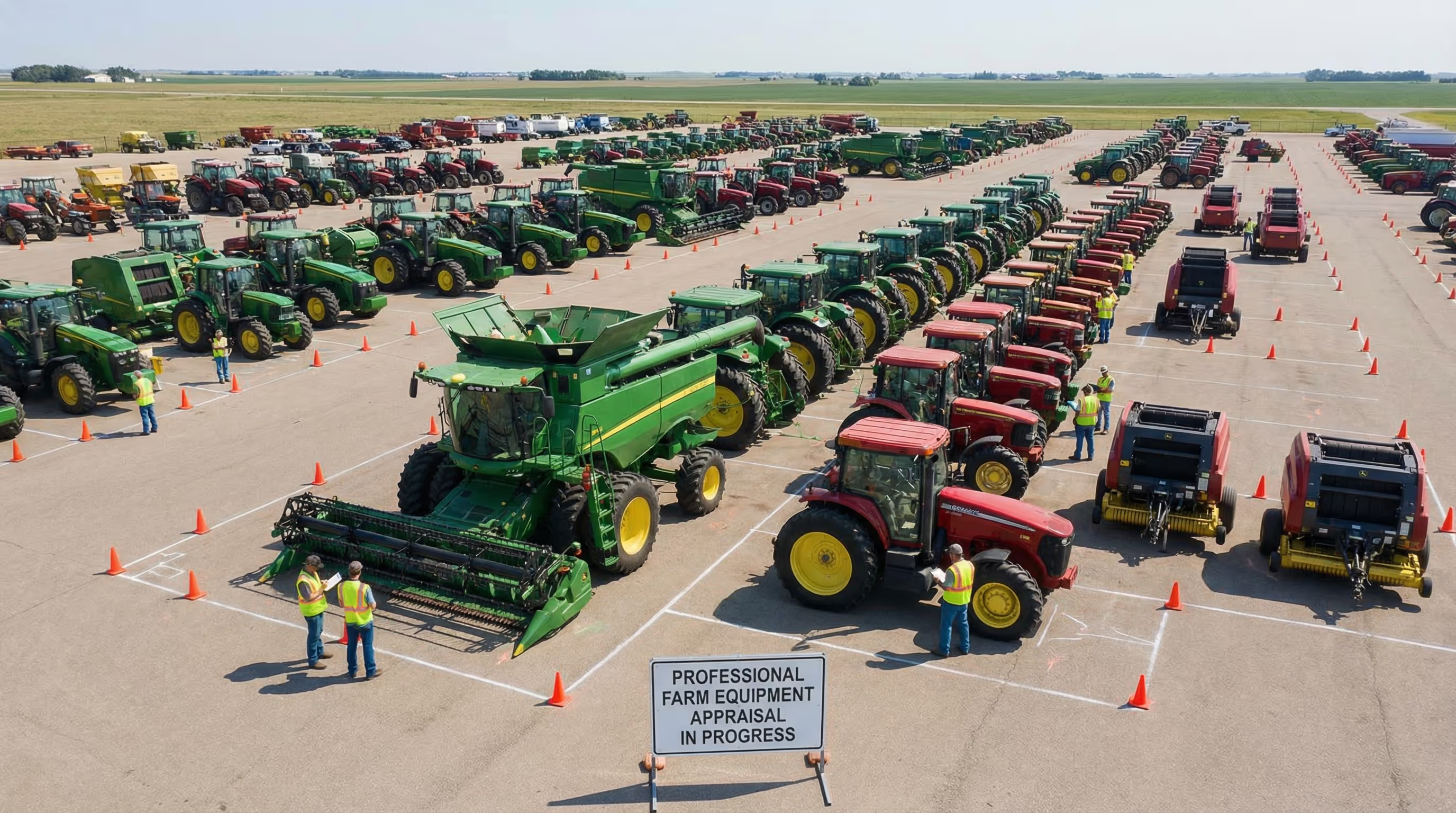
When your lender requests current values for your equipment before extending a line of credit, or when an insurance adjuster questions your machinery values after a loss, you need more than rough estimates. You need a defensible, documented appraisal that stands up to scrutiny.
A farm equipment appraisal is a professional assessment that determines the fair market value of agricultural machinery based on current market conditions, equipment condition, and intended use. These appraisals serve critical roles in financing decisions, insurance coverage, tax reporting, estate planning, and legal proceedings.
Key insight: USPAP-compliant farm equipment appraisals are accepted by courts, the IRS, major lenders, and over 10,000 organizations nationwide, making them essential for protecting your agricultural investments.
This guide walks you through the complete appraisal process, from understanding different value types to preparing your equipment for inspection. You'll learn how to choose a qualified appraiser, what documents to gather beforehand, and what to expect in your final report.
Farm equipment appraisals differ from general machinery valuations because they account for agricultural-specific factors like seasonal demand, regional farming practices, and specialized attachments. Unlike online calculators or dealer estimates, professional appraisals follow standardized methodologies and provide legally defensible documentation.
The appraisal process typically involves three main approaches. The market approach compares your equipment to recent sales of similar machinery. The cost approach calculates current replacement cost minus depreciation. The income approach, used less frequently, estimates value based on the equipment's earning potential.
Most farm equipment appraisals focus on fair market value, which represents the price a willing buyer would pay a willing seller in an open market. However, depending on your needs, appraisers might determine orderly liquidation value for loan collateral or replacement cost for insurance purposes.
Professional appraisers must follow Uniform Standards of Professional Appraisal Practice (USPAP), ensuring consistency and credibility across all valuations.
Several critical factors influence how appraisers value your farm equipment. Age and operating hours top the list, but usage intensity matters more than simple time calculations. A 10-year-old tractor with 2,000 hours of careful use typically holds more value than a 5-year-old machine with 8,000 hours of heavy operation.
Maintenance history significantly impacts valuations. Equipment with documented service records, recent major repairs, and proper storage commands higher values than machinery with unknown or poor maintenance backgrounds.
Brand reputation and model specifications also drive value differences. Premium manufacturers like John Deere, Case IH, and New Holland typically retain value better than lesser-known brands, especially in specific regional markets where dealer support is strong.
Market insight: Technology upgrades like GPS guidance systems, variable rate controllers, and precision farming capabilities can add 15-20% to equipment values in competitive agricultural markets.
Regional demand patterns create value variations across different farming areas. Corn and soybean equipment holds premium values in Midwest markets, while specialty crop machinery commands higher prices in California's Central Valley or Florida's agricultural regions. Understanding these factors that influence agricultural equipment valuations helps you better prepare for the appraisal process.

The farm equipment appraisal process follows six distinct steps that ensure thorough evaluation and defensible results. Understanding each phase helps you prepare effectively and know what to expect throughout the engagement.
Step 1: Define your objective and value type. Before contacting an appraiser, clarify why you need the appraisal and which type of value serves your purpose. Loan applications typically require fair market value, while insurance coverage might need replacement cost estimates.
Step 2: Compile your equipment inventory. Create a detailed list including make, model, year, serial numbers, attachments, and current condition notes. This preliminary work speeds up the appraisal process and ensures nothing gets overlooked during inspection. For a comprehensive guide, review our checklist for preparing your agricultural equipment for appraisal.
Step 3: Initial consultation and engagement. The appraiser reviews your equipment list, discusses the intended use of the appraisal, and provides a fee estimate. You'll sign an engagement letter outlining the scope of work, timeline, and deliverables.
Step 4: Equipment inspection. The appraiser conducts on-site inspections, photographing equipment, reviewing maintenance records, and noting condition details. This phase typically takes 2-4 hours depending on the number and complexity of machines being appraised.
Step 5: Market research and analysis. Using comparable sales data, auction results, and dealer pricing information, the appraiser analyzes market conditions and applies appropriate valuation methodologies to determine final values.
Step 6: Report preparation and review. The appraiser prepares a comprehensive report documenting findings, methodologies, and value conclusions. You receive a draft for review before the final signed report is delivered.
Selecting a qualified farm equipment appraiser requires attention to specific credentials and experience levels. Not all equipment appraisers understand agricultural machinery, so verification of relevant qualifications is essential.
Look for appraisers with Certified Machinery & Equipment Appraiser (CMEA) designations from recognized professional organizations. The American Society of Appraisers (ASA) and International Society of Appraisers (ISA) maintain strict education and experience requirements for their credentialed members.
Agricultural-specific experience matters significantly. Ask potential appraisers about their background with farm equipment, recent comparable assignments, and familiarity with your specific machinery types. An appraiser experienced with construction equipment might not understand the nuances of combine harvesters or specialty crop machinery. Learn more about what sets professional farm equipment appraisers apart from general machinery appraisers.
Qualification check: Verify that your chosen appraiser carries professional liability insurance and maintains current USPAP compliance through continuing education requirements.
Request references from recent farm equipment appraisal clients, particularly those with similar equipment types or appraisal purposes. Reputable appraisers readily provide references and examples of their work quality. Before making your final decision, review our guide on 10 essential questions to ask your farm equipment appraiser.
Consider geographic coverage and response times. Local appraisers might offer faster service and better regional market knowledge, while national firms provide consistency across multiple locations if you operate farms in different states.

AppraiseItNow combines nationwide coverage with deep agricultural expertise, offering USPAP-compliant appraisals accepted by major lenders, insurance companies, and legal institutions. Our certified appraisers understand the unique challenges of valuing farm equipment and provide defensible reports that protect your interests in any professional setting.
Whether you need valuations for financing, insurance, estate planning, or legal proceedings, professional farm equipment appraisals provide the documentation and credibility necessary for confident decision-making. The investment in proper appraisal services pays dividends through better loan terms, appropriate insurance coverage, and reduced dispute risks.
The cost of a farm equipment appraisal depends on the number of assets, how many locations must be inspected, whether an on-site visit is required, and the level of reporting needed. Fees are typically quoted as a flat project price or hourly estimate after the appraiser reviews your equipment list and goals. Most appraisals pay for themselves by preventing undervaluation or supporting better loan terms.
Most farm equipment appraisals take anywhere from a few days to several weeks. Timing depends on how quickly you provide a complete equipment list and documents, the availability for on-site inspection, and the complexity of the research needed for specialized or older machines. Having your documentation prepared beforehand significantly speeds up the process.
Before the inspection, provide a current equipment list with make, model, serial number, year, hours or miles, purchase dates, major repairs, and location for each unit. Also gather supporting documents like purchase invoices, maintenance records, warranty information, titles, and recent photos. The more complete your information, the more accurate and efficient the appraisal will be.
Yes, appraisals prepared by credentialed, USPAP-compliant machinery and equipment appraisers are widely accepted by banks, SBA lenders, insurers, courts, and the IRS. When you schedule an appraisal, you can confirm that the report format will meet your lender's or carrier's specific requirements for defensible documentation.