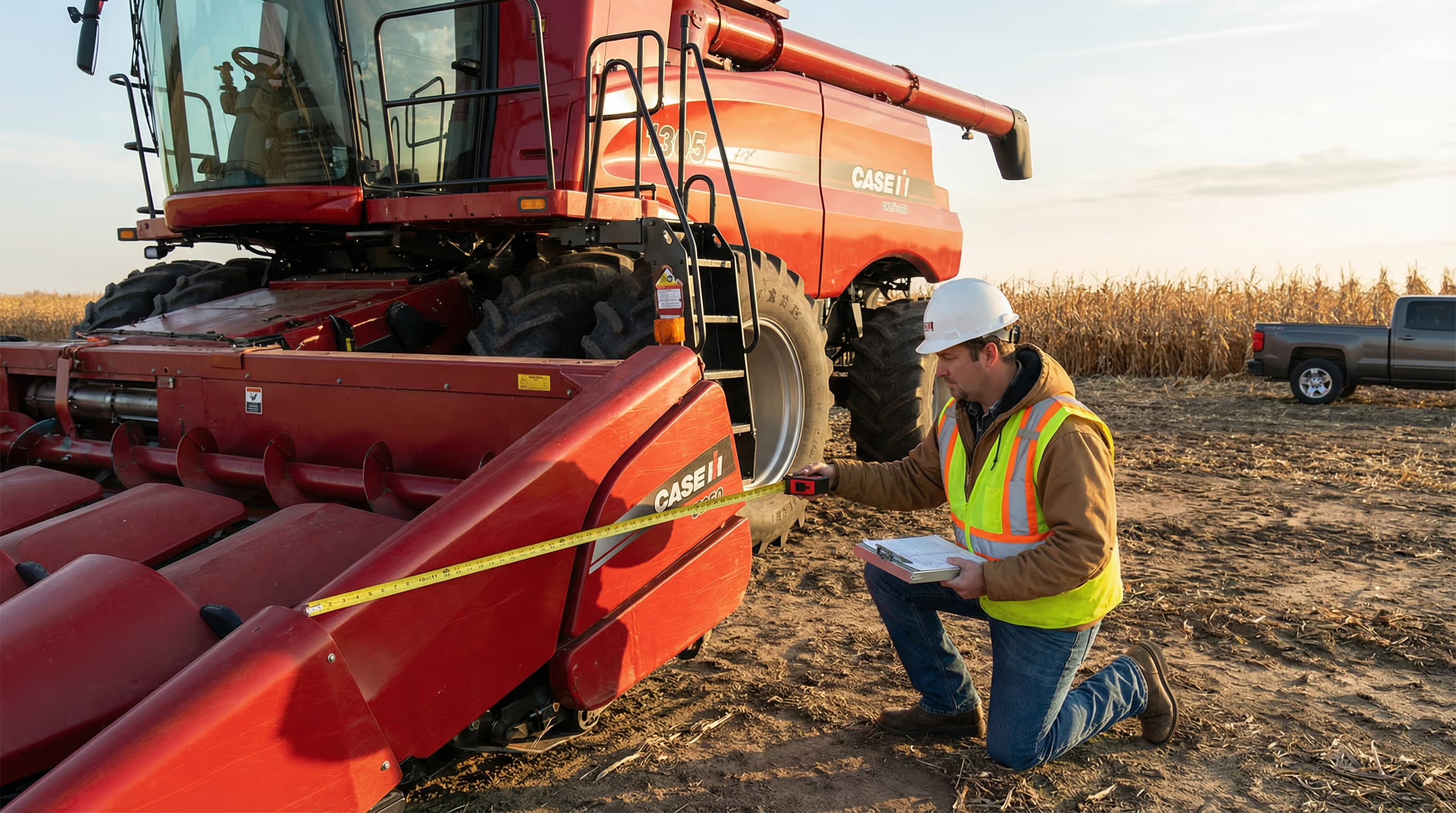
When you're financing a $500,000 combine or settling an estate with multiple tractors, getting the value wrong can cost you tens of thousands of dollars. Whether you're securing a loan, buying used equipment, or dealing with insurance claims, accurate valuations protect your financial interests and prevent costly disputes.
Agricultural equipment appraisal is the professional assessment of farm machinery value by certified experts who understand market conditions, equipment conditions, and industry trends. Unlike dealer quotes or online calculators, professional appraisals provide defensible, documented values that banks, courts, and the IRS will accept.
Quick Answer: A professional farm equipment appraisal typically costs $300-$800 per item but can save you thousands by ensuring accurate values for loans, insurance, estate planning, and equipment purchases.
You'll face situations requiring expert appraisals when financing equipment purchases, settling estates, filing insurance claims, or during business restructuring. The difference between an accurate appraisal and a rough estimate often determines whether your loan gets approved, your insurance claim gets paid, or your estate settlement proceeds smoothly.
In this guide, you'll learn when you need a professional appraisal, how the process works, what makes an appraiser qualified, and how to avoid the costly mistakes that come with inexperienced valuations.
Most farmers and agricultural businesses encounter situations where professional appraisals become necessary, often when the financial stakes are highest.
Financing and loan collateral represents the most common reason for appraisals. Banks require documented values when you're financing equipment purchases over $50,000 or using existing machinery as loan collateral. Your lender needs proof that the equipment value supports the loan amount, and they won't accept your word or a dealer's estimate.
Estate planning and succession creates complex valuation needs when family farms transfer between generations. The IRS requires fair market value documentation for estate tax purposes, and family members need objective values to ensure equitable distribution of assets.

Insurance coverage and claims demand accurate values to avoid being underinsured or overpaying premiums. When equipment gets damaged or stolen, insurance companies require professional appraisals to determine claim amounts, especially for specialized or high-value machinery.
Business restructuring and partnerships often trigger appraisal requirements when partners buy each other out, businesses merge, or bankruptcy proceedings begin. Courts and attorneys rely on professional valuations to ensure fair asset division.
Reality Check: A farmer we worked with discovered his $200,000 sprayer was only worth $140,000 when he tried to use it as loan collateral. The professional appraisal saved him from overleveraging and helped him negotiate a better purchase price for replacement equipment.
You might also need appraisals for tax reporting when donating equipment to charity, divorce proceedings involving farm assets, or when buying used equipment and wanting to verify the seller's asking price reflects true market value.
Understanding the appraisal process helps you prepare properly and know what to expect from start to finish.
Information gathering begins when you contact an appraiser. They'll ask for equipment lists including make, model, year, serial numbers, engine hours, and recent maintenance records. Photos showing overall condition and any damage help appraisers prepare for the inspection.
Inspection methods vary based on your needs and location. Onsite inspections provide the most thorough evaluation, with appraisers examining equipment condition, checking serial numbers, and documenting any modifications or damage. Desktop appraisals using photos and detailed descriptions work for some purposes but may not satisfy all lenders or legal requirements.
Market research and analysis forms the technical core of professional appraisals. Qualified appraisers access auction databases, dealer networks, and industry pricing guides to identify comparable sales and current market trends. They adjust for differences in condition, location, and timing to arrive at accurate values.
Report preparation and delivery typically takes 5-10 business days after inspection. Professional reports include equipment descriptions, photos, market analysis, and certified value conclusions that meet USPAP standards and satisfy institutional requirements.
The entire process usually takes 1-2 weeks from initial contact to final report delivery, though rush jobs may be available for urgent financing or legal deadlines. Before scheduling your appraisal, review this comprehensive checklist for preparing your agricultural equipment to ensure a smooth process.
The appraiser you choose directly impacts the accuracy and acceptance of your valuation, making this decision crucial for protecting your interests.
Professional credentials matter significantly when banks, courts, or the IRS review your appraisal. Look for appraisers certified by recognized organizations like the American Society of Appraisers (ASA) or International Society of Appraisers (ISA). USPAP compliance ensures the appraisal meets federal standards for legal and financial purposes.
Industry specialization separates qualified agricultural appraisers from generalists. Your appraiser should demonstrate specific experience with farm equipment markets, understand seasonal pricing variations, and recognize the unique factors affecting agricultural machinery values.

Questions to ask potential appraisers help you identify the right professional for your needs. Ask about their agricultural equipment experience, recent comparable appraisals, turnaround times, and whether their reports satisfy your specific purpose (loan, estate, insurance, legal). For a complete list of critical questions, see our guide on essential questions to ask your farm equipment appraiser.
The risks of choosing inexperienced appraisers can be financially devastating. Inaccurate values may cause loan rejections, insurance coverage gaps, unfair estate settlements, or IRS audit problems. A $50,000 error on a combine appraisal could derail your financing or cost your family thousands in unnecessary taxes. Learn more about common mistakes to avoid during a farm equipment appraisal.
Comparison FactorExpert AppraiserInexperienced AppraiserValue AccuracyWithin 5-10% of marketOften 20-30% offReport AcceptanceBanks, courts, IRS acceptMay be rejectedMarket KnowledgeCurrent trends, seasonal factorsLimited data sourcesLiability ProtectionProfessional insurance coverageLimited or no coverage
Red flags that suggest you should look elsewhere include extremely low fees, no professional credentials, unfamiliarity with your equipment type, or inability to explain their valuation methodology.
Professional appraisal costs vary based on several factors, but the investment typically pays for itself by ensuring accurate values and preventing costly mistakes.
Pricing models generally follow three approaches. Hourly rates range from $150-$300 per hour for qualified appraisers. Per-item fees typically cost $300-$800 for standard farm equipment, with complex or specialized machinery commanding higher fees. Project-based pricing works best for large equipment inventories or multiple locations.
Cost factors include equipment complexity, number of items, geographic location, inspection requirements, and deadline urgency. A single tractor appraisal might cost $400, while appraising an entire farm operation with dozens of implements could run $5,000-$15,000. For detailed pricing information, explore the cost of farm equipment appraisal.
Value versus cost considerations become clear when you consider the alternatives. A $600 appraisal that prevents a $20,000 overpayment on used equipment or secures a loan that might otherwise be rejected represents excellent value. Similarly, accurate estate valuations prevent family disputes and IRS problems that could cost far more than the appraisal fee.
Cost Reality: The "cheapest" appraiser often becomes the most expensive choice when their inaccurate values cause loan problems, insurance gaps, or legal disputes. Professional appraisals are insurance against much larger financial risks.
What's included in professional appraisal fees typically covers the inspection, market research, report preparation, and one revision if needed. Additional copies, expedited delivery, or testimony services may incur extra charges.
Most qualified appraisers provide detailed fee quotes upfront, explaining exactly what's included and any potential additional costs. This transparency helps you budget appropriately and avoid surprises.
Getting accurate agricultural equipment valuations protects your financial interests whether you're financing purchases, planning your estate, or managing business transitions. Professional appraisers bring the expertise, credentials, and market knowledge necessary to provide defensible values that satisfy lenders, courts, and tax authorities.
At AppraiseItNow, we provide expert agricultural equipment appraisal services nationwide, with certified appraisers who understand farm machinery markets and deliver USPAP-compliant reports accepted by major financial institutions. Contact us today to discuss your appraisal needs and protect your agricultural investments with accurate, professional valuations.
An agricultural equipment appraiser inspects farm machinery, researches current market data, and applies standardized valuation methods to produce written reports that establish fair market value. These certified professionals provide independent assessments for loans, insurance, sales, taxes, estates, and legal matters while adhering to USPAP standards and maintaining objectivity throughout the process.
Professional farm equipment appraisals typically cost $300-$800 per item, with pricing based on equipment complexity, number of items, geographic location, and inspection requirements. While a single tractor appraisal might cost $400, appraising an entire farm operation could range from $5,000-$15,000. The investment often pays for itself by preventing costly mistakes and ensuring accurate valuations for loans, insurance, and legal purposes.
You need a professional appraisal when financing equipment purchases over $50,000, using machinery as loan collateral, filing insurance claims, settling estates, planning business succession, or during divorce proceedings. Banks, courts, and the IRS require documented values from certified appraisers, and these reports provide the defensible documentation necessary for major financial and legal decisions.
Farm equipment value is calculated based on brand, model, age, hours of use, condition, maintenance history, attachments, and current market demand. Professional appraisers compare recent sales of similar equipment, access auction databases and dealer networks, then adjust for differences in condition, location, and timing to arrive at accurate fair market values that reflect true market conditions.