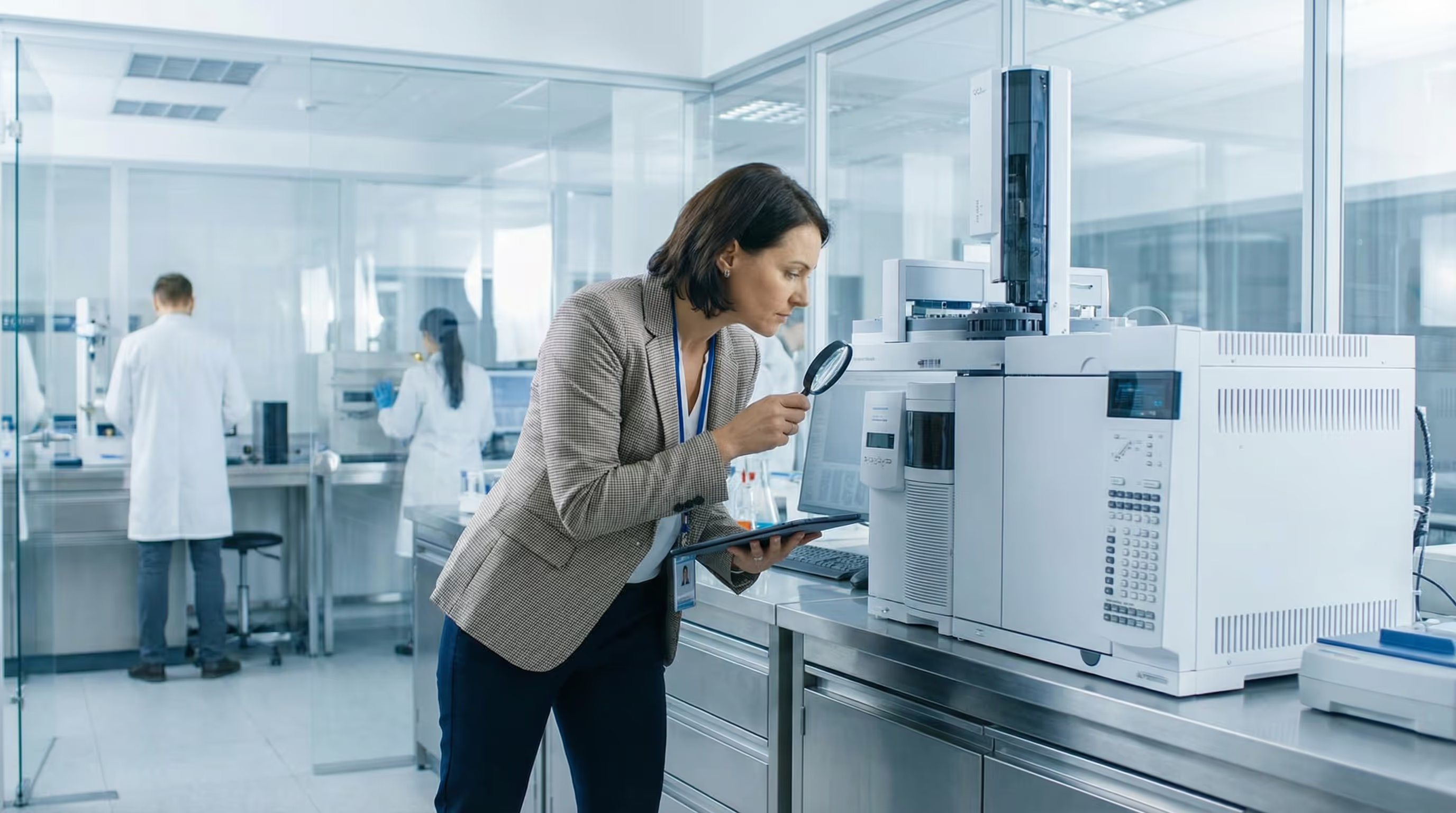
Regular appraisals help track value changes over time and identify optimal timing for equipment replacement or disposal. Most experts recommend appraisals every three to five years, or more frequently for rapidly evolving technology areas. To avoid pitfalls, review common mistakes to avoid during lab equipment appraisal.
Understanding these fundamentals helps you work effectively with professional appraisers and ensures you receive accurate valuations that serve your specific needs. Whether for insurance, financial reporting, or strategic planning, proper laboratory equipment appraisals protect your interests and support informed decision-making about your valuable scientific assets.
The value of laboratory equipment is determined by analyzing multiple factors including age, brand, physical condition, maintenance history, and current market demand. Professional appraisers inspect the equipment, review documentation like service records and calibration certificates, research comparable sales data, and apply appropriate depreciation methods to establish fair market value that reflects what informed buyers and sellers would agree upon in the current marketplace.
Laboratory equipment typically depreciates 15-25% annually, but several factors influence this rate: technological obsolescence, physical condition, maintenance quality, brand reputation, and market demand. High-tech analytical instruments may depreciate faster due to rapid technological advances, while basic equipment like centrifuges or incubators may retain value longer. Proper maintenance, calibration records, and manufacturer support significantly impact depreciation rates.
Most experts recommend appraising laboratory equipment every three to five years for general purposes, or more frequently for rapidly evolving technology areas. However, you should consider reappraisal when major changes occur such as significant equipment purchases or disposals, insurance renewals, mergers and acquisitions, refinancing, or when you suspect your current valuations may be significantly outdated due to market changes.
Qualified laboratory equipment appraisers should hold professional certifications from recognized organizations like the American Society of Appraisers (ASA) and follow USPAP standards. They need specialized knowledge of scientific instruments, regulatory requirements, and laboratory operations. Look for appraisers with demonstrated experience in your specific equipment categories and industry sector, as the complexity varies significantly between different types of laboratory instruments.