Essential Guide to Coin Appraisal Preparation

Last Updated on Oct 28, 2025
Originally Published on Oct 28, 2025
Thank you! Your submission has been received!
Oops! Something went wrong while submitting the form.
Nationwide Service
Onsite or Online
USPAP-Compliant
IRS Qualified
DEFENSIBLE, USPAP-COMPLIANT APPRAISAL REPORTS — ACCEPTED BY 10,000+ ORGANIZATIONS
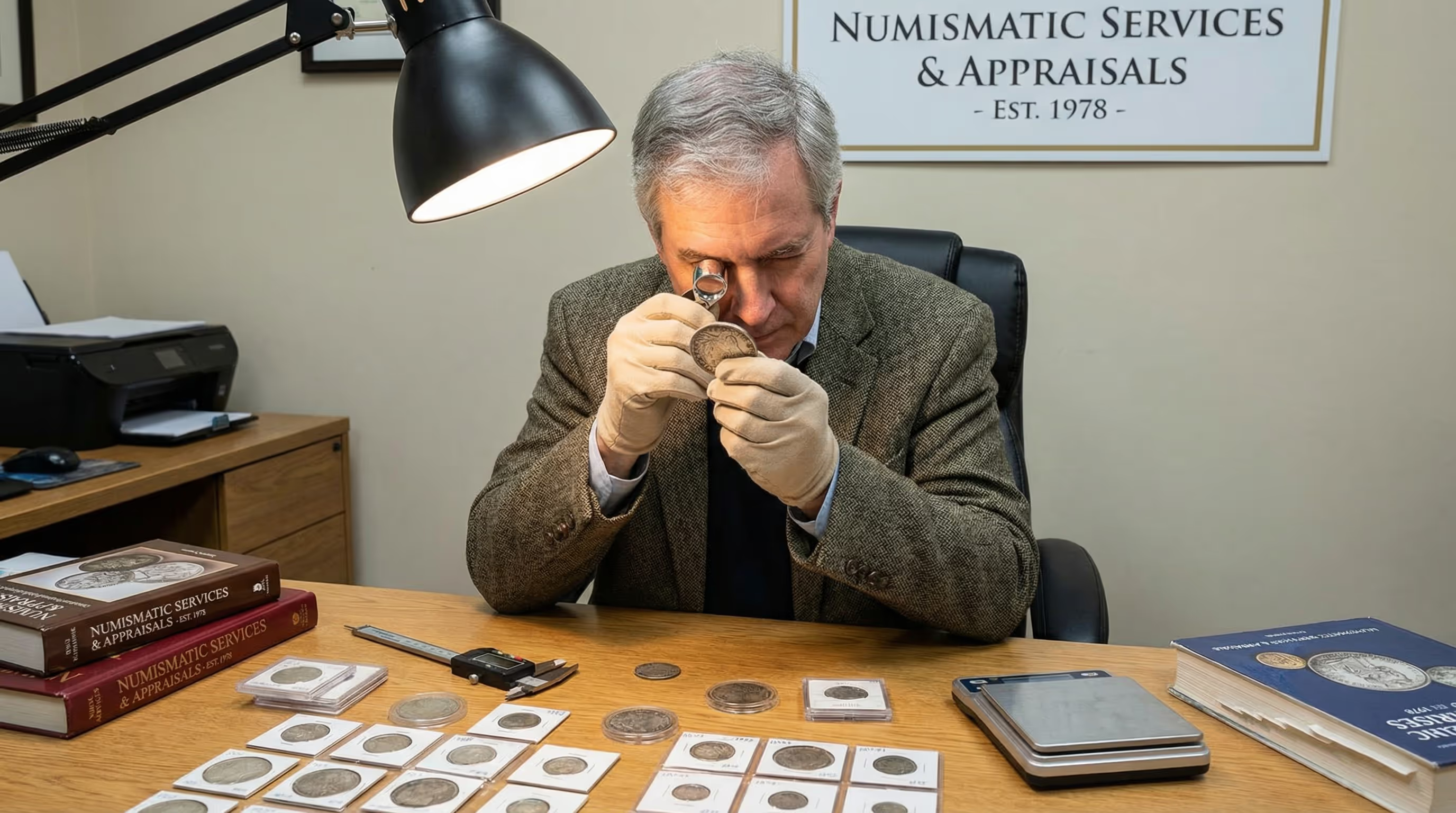
Professional coin appraiser examining vintage coins with magnifying glass and evaluation tools on desk

Getting your coins professionally appraised can unlock their true value, but proper preparation makes all the difference between an accurate assessment and missed opportunities. Whether you've inherited a collection or discovered rare coins, understanding how to prepare ensures you get the most comprehensive evaluation possible.

A well-prepared coin appraisal typically takes 1-3 hours and can reveal values far beyond face value, especially for coins with historical significance or precious metal content. The key lies in organization, documentation, and working with certified professionals who understand numismatic markets.

Quick tip: Always handle coins by their edges and store them in protective holders before your appraisal appointment to prevent damage that could reduce their value.

Understanding what qualifies as appraisable coins

Not every piece of metal currency holds significant value beyond its face amount. Coins worth appraising typically include those minted before 1965 (containing silver), gold coins from any era, commemorative issues, foreign currency, and pieces with obvious minting errors or unusual characteristics.

Modern coins generally aren't worth professional appraisal unless they're proof sets, commemoratives, or contain precious metals. However, any coin that appears different from standard circulation pieces deserves professional evaluation. This includes coins with unusual colors, weights, or markings that might indicate special composition or minting variations. Understanding the value of your coins helps you determine which pieces merit professional attention.

Collection of various valuable coins including silver dollars, gold pieces, and foreign currency arranged on evaluation mat

Verifying authenticity before your appointment

Authentication forms the foundation of accurate appraisal. Start by examining basic features like weight, size, and edge characteristics against reference materials. Genuine coins have consistent specifications that counterfeiters often miss.

Look for proper mint marks, correct dates, and appropriate wear patterns. Authentic coins show natural aging and circulation wear, while counterfeits often display artificial aging or inconsistent details. If you have documentation about your coins' origins or previous ownership, gather these materials as they support authenticity claims.

Important note: Professional appraisers can quickly identify counterfeits, but bringing obviously fake coins wastes time and increases costs, so basic verification helps streamline the process.

Preparing coins for optimal evaluation

Proper handling and storage directly impact appraisal outcomes. Clean coins only with soft, lint-free cloths and avoid harsh rubbing that creates scratches. Never use chemical cleaners or abrasive materials, as these can permanently damage surfaces and reduce value.

Store coins in protective holders or cases that prevent movement and contact damage. Individual coin flips, tubes, or albums work well for organization. When transporting coins to your appointment, use padded cases and avoid loose storage in bags or boxes where coins can scratch against each other.

Create a simple inventory list noting each coin's basic details like country, denomination, and approximate date. This organization helps appraisers work more efficiently and ensures nothing gets overlooked during evaluation. Learning what to expect when getting your coins appraised can help you prepare more effectively.

Organized coin collection in protective holders with inventory sheets and magnifying equipment

Maximizing your appraisal investment

Choose certified appraisers with numismatic credentials from organizations like the Professional Numismatists Guild or major grading services. These professionals have specialized knowledge of coin markets and can identify subtle factors that affect value.

Prepare relevant documentation including purchase receipts, previous appraisals, or inheritance records. This information helps establish provenance and supports value determinations. If you're seeking appraisal for insurance purposes, inform your appraiser as this may require different documentation standards.

Consider the scope of your appraisal needs. Single valuable coins merit individual attention, while large collections might benefit from bulk evaluation focusing on the most promising pieces. Discuss your goals with the appraiser to ensure the service matches your specific requirements. Familiarizing yourself with common mistakes when appraising coins can help you avoid costly errors.

Appraisal TypeTypical DurationBest ForSingle coin30-60 minutesHigh-value piecesSmall collection1-2 hours10-50 coinsLarge collection2-4 hours50+ coins

The difference between basic coin appraisal and comprehensive numismatic evaluation lies in depth and market analysis. Standard appraisals focus on metal content and basic condition, while numismatic appraisals consider historical significance, rarity, collector demand, and market trends that can substantially increase value beyond precious metal content.

Professional coin appraisal provides essential documentation for insurance, estate planning, or sale decisions. While appraisals aren't absolutely perfect due to market fluctuations and subjective factors, certified professionals provide reliable valuations based on current market conditions and established grading standards. Proper preparation ensures you receive the most accurate assessment possible, protecting your investment and helping you make informed decisions about your collection.

Expert insight: Market values can shift significantly over time, so consider updating appraisals every 3-5 years for insurance purposes or before major financial decisions involving your collection.

Frequently Asked Questions About Coin Appraisal Preparation

Should I clean my coins before getting them appraised?

No, you should never clean coins before an appraisal. Cleaning can cause microscopic scratches and remove original surfaces, significantly reducing numismatic value even if the coin appears shinier. Professional appraisers prefer to see coins in their natural state. Instead, handle coins only by their edges and store them in protective holders to prevent damage.

How long does a coin appraisal typically take?

Most coin appraisals take between 1-3 hours, depending on the size and complexity of your collection. A small group of common coins may be evaluated quickly, while larger collections or rare pieces requiring extensive research can take longer. Formal appraisals for insurance or estate purposes may require additional time for documentation and written reports.

What documents should I bring to my coin appraisal appointment?

Bring any documentation that supports your coins' authenticity and value, including purchase receipts, previous appraisals, grading certificates from NGC or PCGS, auction catalogs, and provenance notes about how you acquired the coins. Create a simple inventory list noting each coin's basic details like country, denomination, and date to help streamline the evaluation process.

How can I tell if my coins are valuable enough to warrant professional appraisal?

Coins worth appraising typically include those minted before 1965 (containing silver), gold coins from any era, commemorative issues, foreign currency, and pieces with obvious minting errors or unusual characteristics. Look for coins made of precious metals, older dates, low mintage numbers, key dates, or existing third-party certification. When in doubt, consult with a professional appraiser who can guide you on which pieces merit formal evaluation.

Related Appraisals We Offer

Related Articles

BEST-IN-CLASS APPRAISERS, CREDENTIALED BY: