Essential Expertise Required for Professional Antique Furniture Appraisal

Last Updated on Dec 02, 2025
Originally Published on Dec 02, 2025
Thank you! Your submission has been received!
Oops! Something went wrong while submitting the form.
Nationwide Service
Onsite or Online
USPAP-Compliant
IRS Qualified
DEFENSIBLE, USPAP-COMPLIANT APPRAISAL REPORTS — ACCEPTED BY 10,000+ ORGANIZATIONS
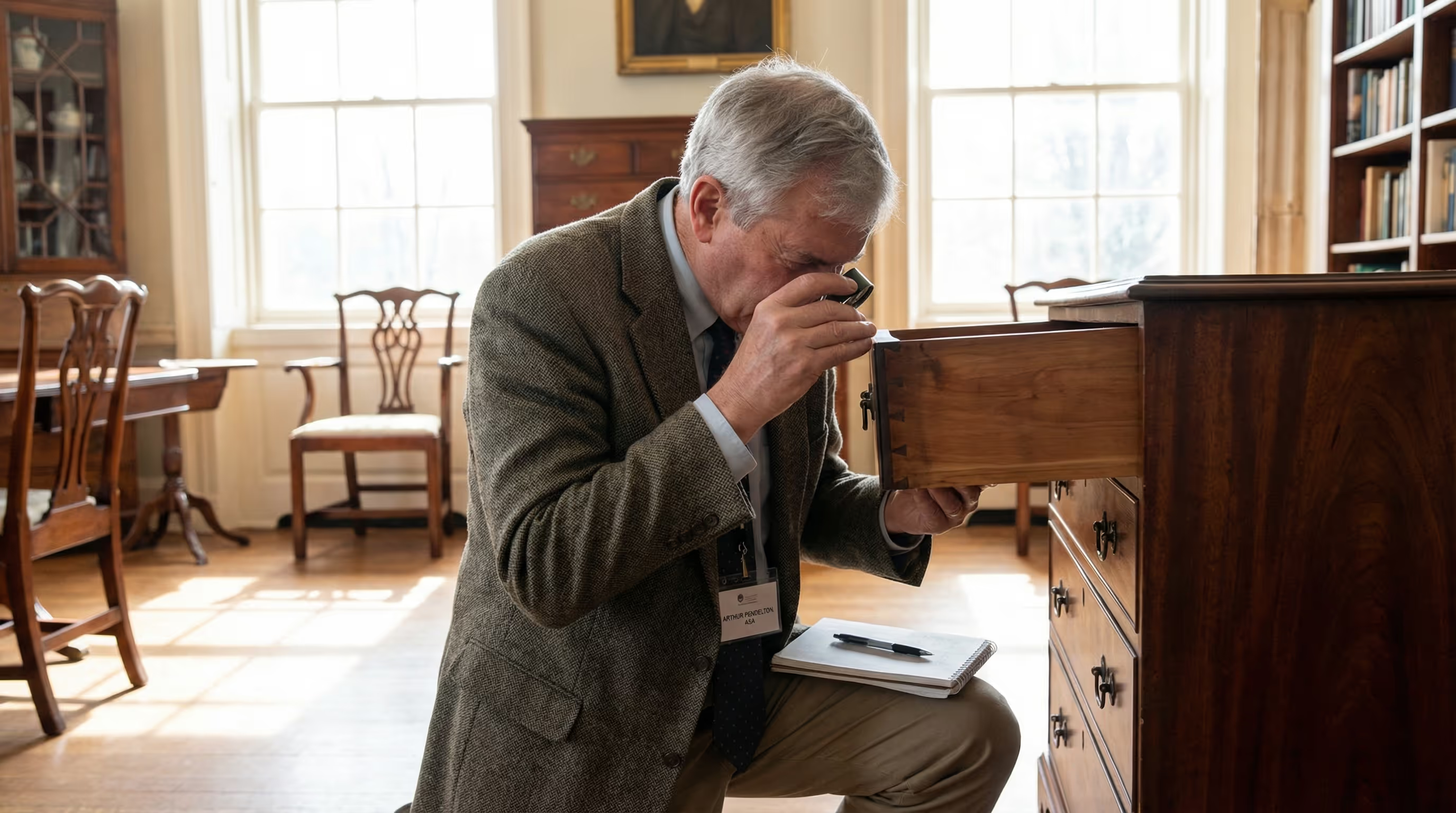
Professional appraiser examining antique wooden furniture with magnifying glass and tools

Appraising antique furniture requires far more than a casual appreciation for old pieces. Professional appraisers need specialized training, proper certifications, and years of hands-on experience to accurately determine value. Without the right expertise, appraisals can be off by thousands of dollars, leaving owners underinsured or buyers overpaying.

The key areas of expertise include formal certification through recognized organizations, deep knowledge of historical periods and construction techniques, access to specialized authentication tools, and understanding of current market dynamics. Let's explore what separates qualified appraisers from enthusiastic amateurs.

Quick Answer: Professional antique furniture appraisers need USPAP certification, specialized training in wood identification and construction techniques, authentication tools like UV lights and moisture meters, and current market knowledge to provide accurate valuations.

Professional certifications and credentials

The foundation of credible antique furniture appraisal lies in proper certification. The Uniform Standards of Professional Appraisal Practice (USPAP) sets the baseline requirements that all legitimate appraisers must follow. This certification ensures appraisers understand legal standards, ethical guidelines, and proper methodology.

Beyond USPAP, specialized organizations offer advanced credentials. The International Society of Appraisers (ISA) and American Society of Appraisers (ASA) provide furniture-specific training programs. These certifications require extensive coursework covering historical periods, construction methods, and market analysis techniques.

CertificationRequirementsSpecialization FocusUSPAP30-hour course + examLegal standards, ethicsISA4 core courses + specialtyPersonal property, antiquesASABachelor's degree + 5 years experienceProfessional appraisal practice

The difference between certified and uncertified appraisers becomes clear when dealing with insurance claims, estate settlements, or legal disputes. Courts and insurance companies typically require USPAP-compliant appraisals, making proper certification essential for any serious practitioner. Understanding certification for antique appraisers helps you identify qualified professionals who can deliver reliable valuations.

Authentication techniques and specialized tools

Close-up of antique furniture joinery being examined with specialized magnifying equipment

Determining authenticity requires both knowledge and the right equipment. Professional appraisers use magnifying loupes to examine joinery techniques, which vary significantly across different historical periods. Hand-cut dovetails, for example, indicate pre-industrial construction, while machine-cut joints suggest later manufacturing.

Wood identification forms another crucial skill. Experienced appraisers can distinguish between similar species and understand how different woods were used in various regions and time periods. Mahogany, walnut, and oak each have distinct characteristics that affect both authenticity and value.

Specialized tools enhance the authentication process. UV lights reveal original finishes and help identify repairs or alterations. Moisture meters ensure structural integrity, while digital calipers measure precise dimensions for comparison with known examples. These tools help appraisers move beyond surface-level observations to make definitive authenticity determinations. Learning how to get an accurate antique furniture appraisal involves understanding these authentication methods.

Pro Tip: Authentic period furniture often shows consistent aging patterns throughout the piece. Modern reproductions typically have uniform finishes that lack the natural patina developed over decades of use.

Market analysis and valuation methods

Understanding current market conditions requires constant research and networking within the antique community. Professional appraisers maintain relationships with auction houses, dealers, and collectors to stay informed about pricing trends and market demand.

Valuation involves weighing multiple factors simultaneously. Age contributes significantly to value, but condition often matters more. A well-preserved 19th-century piece typically commands higher prices than a damaged 18th-century example. Rarity and maker attribution can dramatically increase value, while common pieces from popular periods may be worth less than expected.

Geographic markets also influence pricing. Furniture styles popular in certain regions often command premium prices in those areas. American Federal period pieces, for instance, typically sell for more in New England than on the West Coast, where Mission-style furniture enjoys greater appreciation.

Professional appraisers track these regional preferences and adjust their valuations accordingly. They also understand the difference between insurance replacement values, fair market values, and quick-sale values, providing appropriate appraisals based on the intended use. Before selling your pieces, consider things to consider before selling antique furniture to maximize your return.

Risk assessment and fraud prevention

Comparison showing authentic vs reproduction antique furniture details side by side

The antique furniture market attracts numerous fraudulent schemes, from outright fakes to misrepresented reproductions. Professional appraisers develop expertise in recognizing common red flags and protecting their clients from costly mistakes.

Reproduction furniture presents ongoing challenges. High-quality reproductions from the early 20th century have aged enough to fool casual observers. Professional appraisers examine construction details, hardware, and finishing techniques to distinguish between period pieces and later reproductions.

Documentation plays a crucial role in fraud prevention. Legitimate appraisers provide detailed written reports with photographs, measurements, and condition assessments. They also maintain professional liability insurance and follow established ethical guidelines to protect both themselves and their clients. Avoiding common mistakes to avoid during an antique furniture appraisal helps ensure you receive accurate valuations.

Warning Sign: Be cautious of appraisers who provide verbal estimates only or refuse to put their findings in writing. Professional appraisers always document their work thoroughly.

The expertise required for professional antique furniture appraisal extends far beyond casual knowledge. From formal certifications and specialized tools to market analysis and fraud prevention, qualified appraisers invest years developing the skills necessary to provide accurate, defensible valuations. When you need antique furniture appraised, choosing the right appraiser for your antiques protects your interests and ensures reliable results.

FAQ

What qualifications do professional antique furniture appraisers need?

Professional antique furniture appraisers must have USPAP (Uniform Standards of Professional Appraisal Practice) certification as a baseline requirement. Beyond this, they typically hold specialized credentials from organizations like the International Society of Appraisers (ISA) or American Society of Appraisers (ASA). These certifications require extensive coursework in historical periods, construction methods, wood identification, and market analysis techniques, plus years of hands-on experience in the field.

What tools do professional appraisers use to authenticate antique furniture?

Professional appraisers use specialized equipment including magnifying loupes to examine joinery techniques and construction details, UV lights to reveal original finishes and identify repairs, moisture meters to assess structural integrity, and digital calipers for precise measurements. These tools, combined with expert knowledge of wood species and historical construction methods, help distinguish authentic period pieces from reproductions or altered furniture.

How do appraisers determine the value of antique furniture?

Appraisers evaluate multiple factors simultaneously: age, condition, rarity, maker attribution, and current market demand. They research recent auction results, maintain relationships with dealers and collectors, and understand regional market preferences. The valuation process also considers the intended use - insurance replacement value differs from fair market value or quick-sale value. Geographic location can significantly impact pricing, as certain furniture styles command premium prices in specific regions.

How can I avoid fraud when getting antique furniture appraised?

Always choose USPAP-certified appraisers who provide detailed written reports with photographs, measurements, and condition assessments. Be cautious of appraisers who offer only verbal estimates or refuse to document their findings in writing. Professional appraisers maintain liability insurance, follow established ethical guidelines, and can distinguish between authentic pieces and high-quality reproductions. Verify their credentials through professional organizations like ISA or ASA before hiring.

Related Appraisals We Offer

Related Articles

BEST-IN-CLASS APPRAISERS, CREDENTIALED BY: