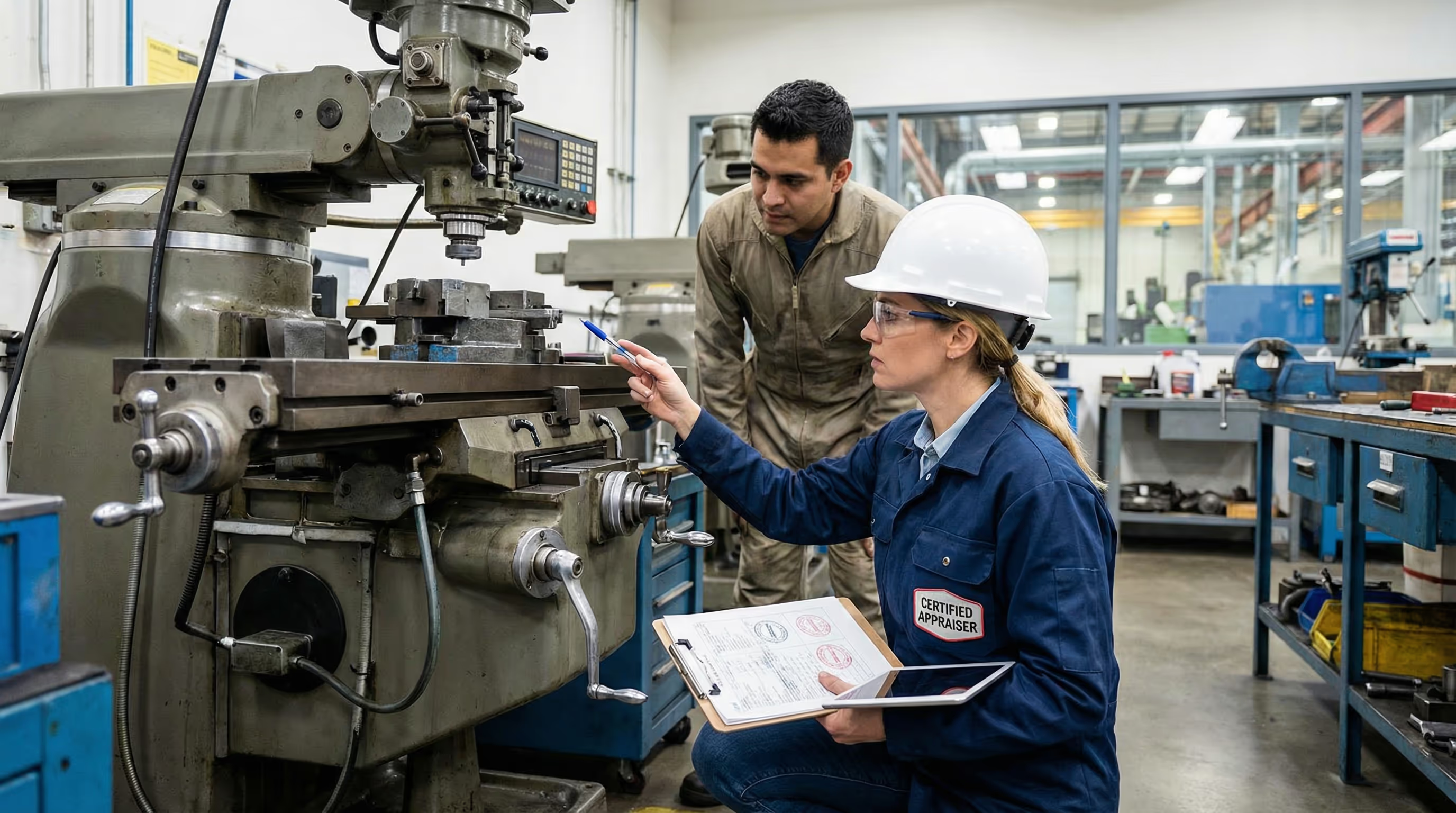
What sets professional appraisals apart is their methodology and documentation. Certified appraisers use established valuation approaches, maintain detailed records of their analysis, and provide comprehensive reports that explain their conclusions. This level of rigor protects you from challenges later and ensures your appraisal serves its intended purpose effectively.
Understanding the appraisal process helps you prepare effectively and avoid common delays. The process typically begins with defining your specific needs and objectives. Are you seeking fair market value for a sale, replacement cost for insurance, or liquidation value for financial reporting? This decision influences everything from the appraiser's methodology to the final report format.
Next comes the documentation phase, which often determines how smoothly your appraisal proceeds. You'll need to compile detailed asset lists including make, model, serial numbers, purchase dates, and current locations. Supporting documents like purchase invoices, maintenance records, and previous appraisals strengthen the analysis and can positively impact values.
The inspection phase involves either on-site visits or remote evaluations, depending on your equipment type and appraisal scope. Professional appraisers examine physical condition, operational status, modifications, and environmental factors that affect value. They also verify serial numbers, take photographs, and document any unique characteristics that influence market appeal.
Pro Tip: Clean, accessible equipment with organized documentation can reduce appraisal time by 20-30% and often results in higher valuations due to better condition assessment and reduced uncertainty factors.
Following inspection, appraisers conduct their valuation analysis using one or more recognized approaches. They research market data, analyze comparable sales, and apply appropriate adjustments for condition, age, and market factors. The final step involves report preparation and delivery, typically taking several days to weeks depending on the scope and complexity of your assets. Understanding the steps of a proper equipment and machinery appraisal can help you better prepare for what's ahead.
Professional appraisers use three primary valuation approaches, each suited to different situations and asset types. The sales comparison approach analyzes recent transactions of similar equipment to establish market value. This method works best for common equipment types with active resale markets, such as construction machinery, trucks, and standard manufacturing equipment.
The cost approach determines value by calculating current replacement cost and subtracting appropriate depreciation for age, condition, and obsolescence. This method proves particularly valuable for newer equipment, specialized machinery with limited market data, or insurance replacement valuations where you need to know actual replacement costs.
Valuation MethodBest Used ForKey Data RequiredPrimary AdvantageSales ComparisonCommon equipment with active marketsRecent sale prices, auction resultsReflects actual market behaviorCost ApproachNewer or specialized equipmentReplacement costs, depreciation ratesUseful when market data is limitedIncome ApproachRevenue-generating equipmentFinancial performance, cash flowsValues based on earning potential
The income approach values equipment based on its ability to generate future income or cost savings. While less common for individual assets, this method becomes important for integrated production lines, specialized manufacturing equipment, or assets where operational value exceeds market value. Appraisers often combine multiple approaches to provide more reliable and defensible conclusions.

Proper preparation significantly impacts both the cost and quality of your appraisal. Start by creating a comprehensive asset inventory with detailed descriptions, including manufacturer, model, serial number, year, operating hours or mileage, and current condition. Incomplete or inaccurate asset lists are the primary cause of project delays and cost overruns.
Gather all relevant documentation including purchase invoices, titles, maintenance records, warranty information, and any previous appraisals. These documents support higher valuations by demonstrating proper care and providing verification of specifications and history. For complex or modified equipment, include engineering drawings, upgrade receipts, and operational manuals.
Prepare your facility and equipment for inspection by ensuring safe, unobstructed access to all items. Clean equipment when possible, as this allows better condition assessment and often results in higher valuations. Group similar items together and ensure key personnel are available to answer questions and demonstrate equipment operation if needed.
Time-Saver: Assign a single point person to coordinate with the appraiser, compile documentation, and answer questions. This prevents delays and ensures consistent communication throughout the process.
Coordinate internally before the appraiser arrives. Ensure finance, operations, and management teams agree on the appraisal's purpose and scope. Having clear objectives prevents scope changes that can delay completion and increase costs. If you're conducting a remote appraisal, prepare high-quality photographs and videos as requested by your appraiser.
The investment in proper preparation pays dividends through faster completion times, more accurate valuations, and reports that meet your specific needs without requiring revisions. Most importantly, well-prepared appraisals are more likely to be accepted by banks, insurers, and other third parties without additional questions or documentation requests. To avoid setbacks, be sure to review common mistakes to avoid when getting an equipment & machinery appraisal.
When you're ready to move forward with your equipment appraisal, choose an appraiser with relevant industry experience, proper credentials, and a track record of producing defensible reports. The right professional partnership, combined with thorough preparation, ensures you receive accurate valuations that serve your business objectives effectively and efficiently.
An equipment and machinery appraisal is a formal, USPAP-compliant valuation that determines the defined value of specific business assets—such as production lines, vehicles, or construction equipment—on a given date using recognized methods like the cost, market, and income approaches. The appraiser analyzes the equipment's age, condition, capacity, market demand, and comparable sales data to provide a defensible opinion of value for financing, insurance, tax, sale, or litigation purposes.
A small, single-location equipment appraisal typically takes a few days to two weeks from kickoff to final report delivery, while large or multi-location portfolios can take several weeks. The timeline depends heavily on preparation quality—having complete asset lists and organized documentation can reduce appraisal time by 20-30%. Scheduling site access and the complexity of the equipment being appraised are often the biggest factors affecting completion time.
Equipment appraisal costs depend on several factors including the number and complexity of assets, number of locations, whether on-site inspections are required, level of report detail needed, and requested turnaround time. Well-prepared asset lists and complete documentation can significantly reduce fees by minimizing on-site time and follow-up research. Rush deadlines, multi-site portfolios, or litigation-related work typically increase overall appraisal costs.
You'll need to provide a detailed asset list including make, model, serial numbers, year manufactured, current location, and condition notes. Supporting documentation should include purchase invoices, maintenance records, modification or upgrade receipts, equipment manuals, and any prior appraisals. High-quality photos are also helpful, especially for remote appraisals. The more complete and accurate your documentation, the faster and more reliable your appraisal will be.