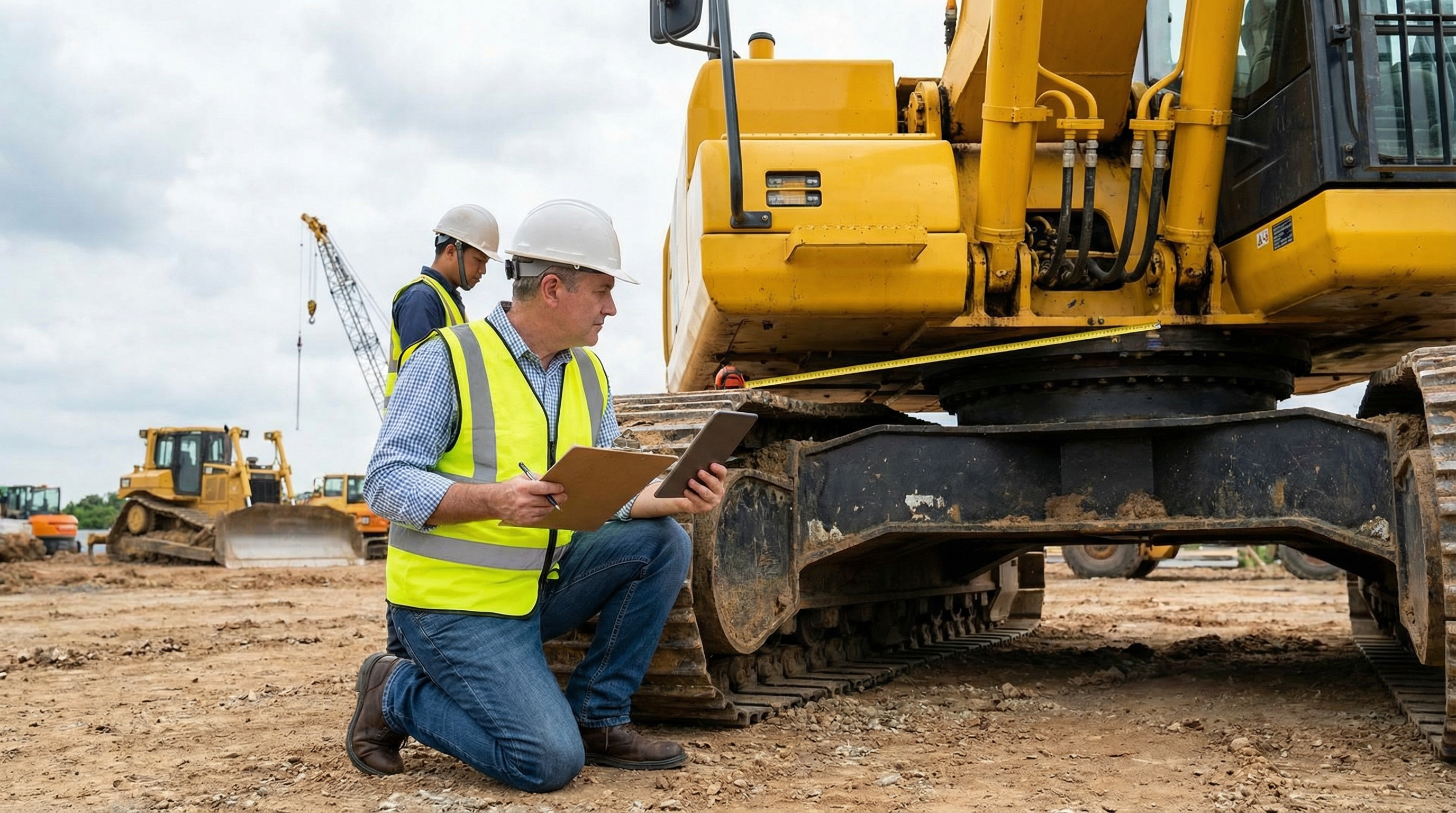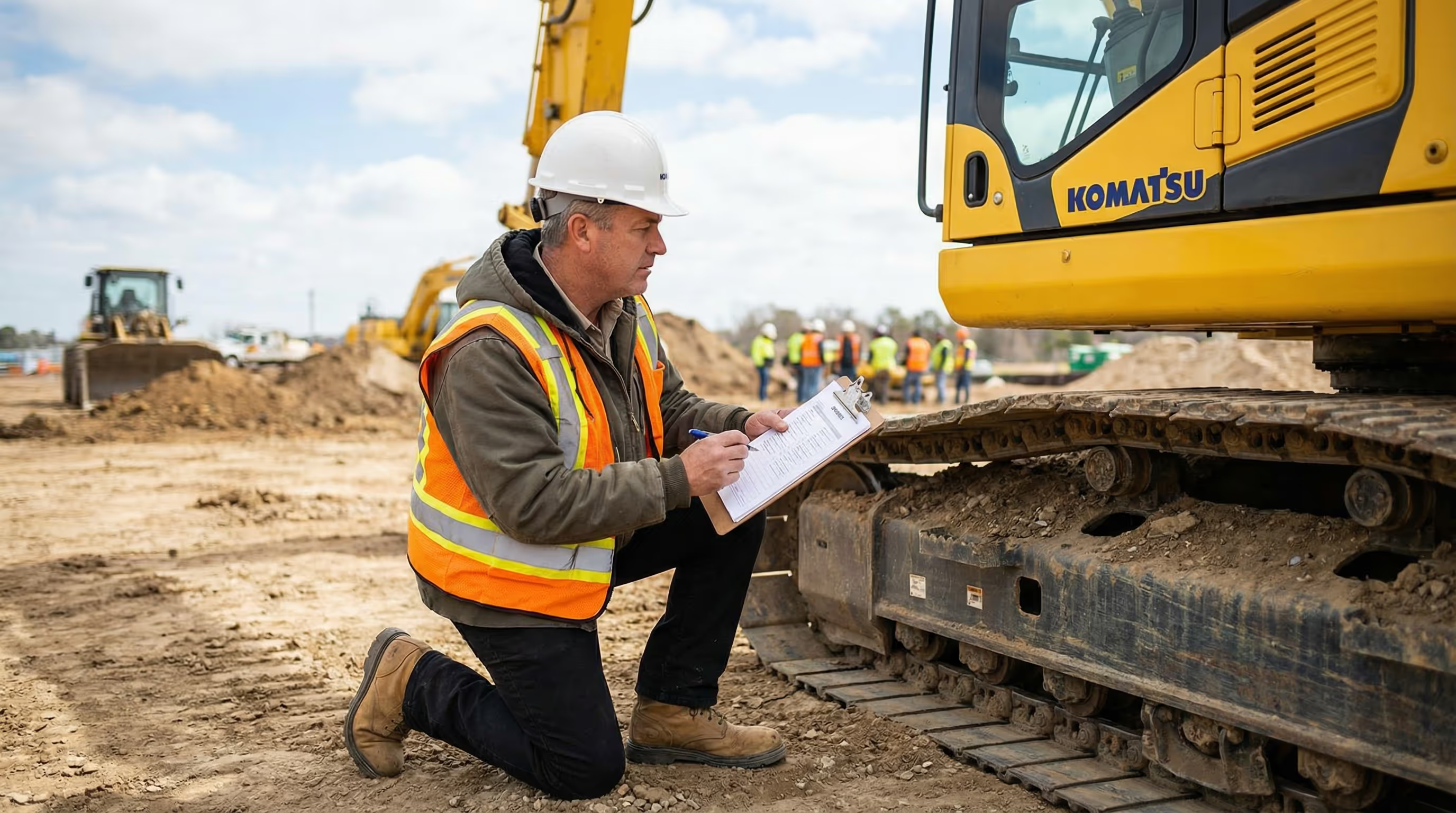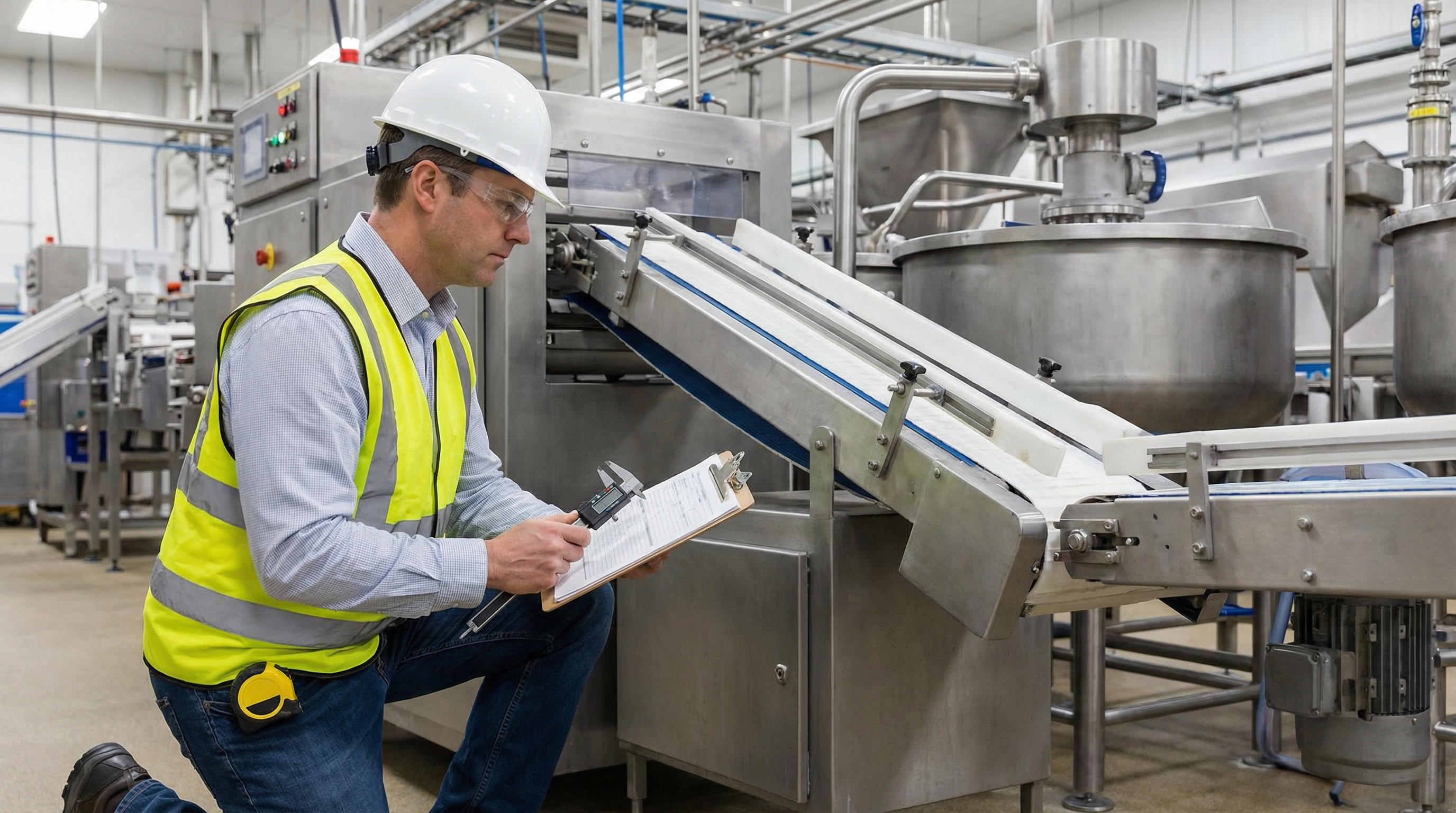
An equipment and machinery appraisal is a professional assessment that determines the fair market value of business assets like manufacturing equipment, construction machinery, medical devices, and industrial tools. Whether you need financing for expansion, insurance coverage for protection, or accurate values for tax reporting, understanding this process helps you get reliable results that banks, insurers, and the IRS will accept.
You might need an equipment appraisal for several reasons: securing bank loans or lines of credit, updating insurance coverage, supporting tax depreciation schedules, estate planning, divorce proceedings, or preparing for a business sale. The key is working with certified appraisers who follow USPAP standards and understand your specific industry.
Quick Answer: A proper equipment appraisal typically takes 5-10 business days and involves seven main steps: initial consultation, engagement agreement, document collection, onsite inspection, valuation analysis, report preparation, and final review.
This guide walks you through each step of the appraisal process, shows you what documents to prepare, explains how appraisers determine value, and helps you choose the right professional for your needs.
What happens during the equipment appraisal process
The equipment appraisal process follows a structured approach that ensures accuracy and compliance with professional standards. Most appraisals move through seven distinct phases, each building on the previous step to create a comprehensive valuation.
Step 1: Initial consultation and scope definition
Your appraiser will discuss your specific needs, the type of equipment involved, and the purpose of the appraisal. This conversation determines the appropriate standard of value (fair market value, liquidation value, or replacement cost) and establishes the project timeline.
Step 2: Engagement agreement and fee structure
You'll receive a formal engagement letter outlining the scope of work, fee structure, and expected delivery date. Most appraisers charge either a flat fee or hourly rate depending on the complexity and number of assets. Understanding how to negotiate equipment and machinery appraisal fees can help you get fair pricing.
Step 3: Document and information collection
You'll provide asset lists, purchase records, maintenance histories, and any previous appraisals. The more complete your documentation, the more accurate your final valuation will be.
Step 4: Onsite inspection and data capture
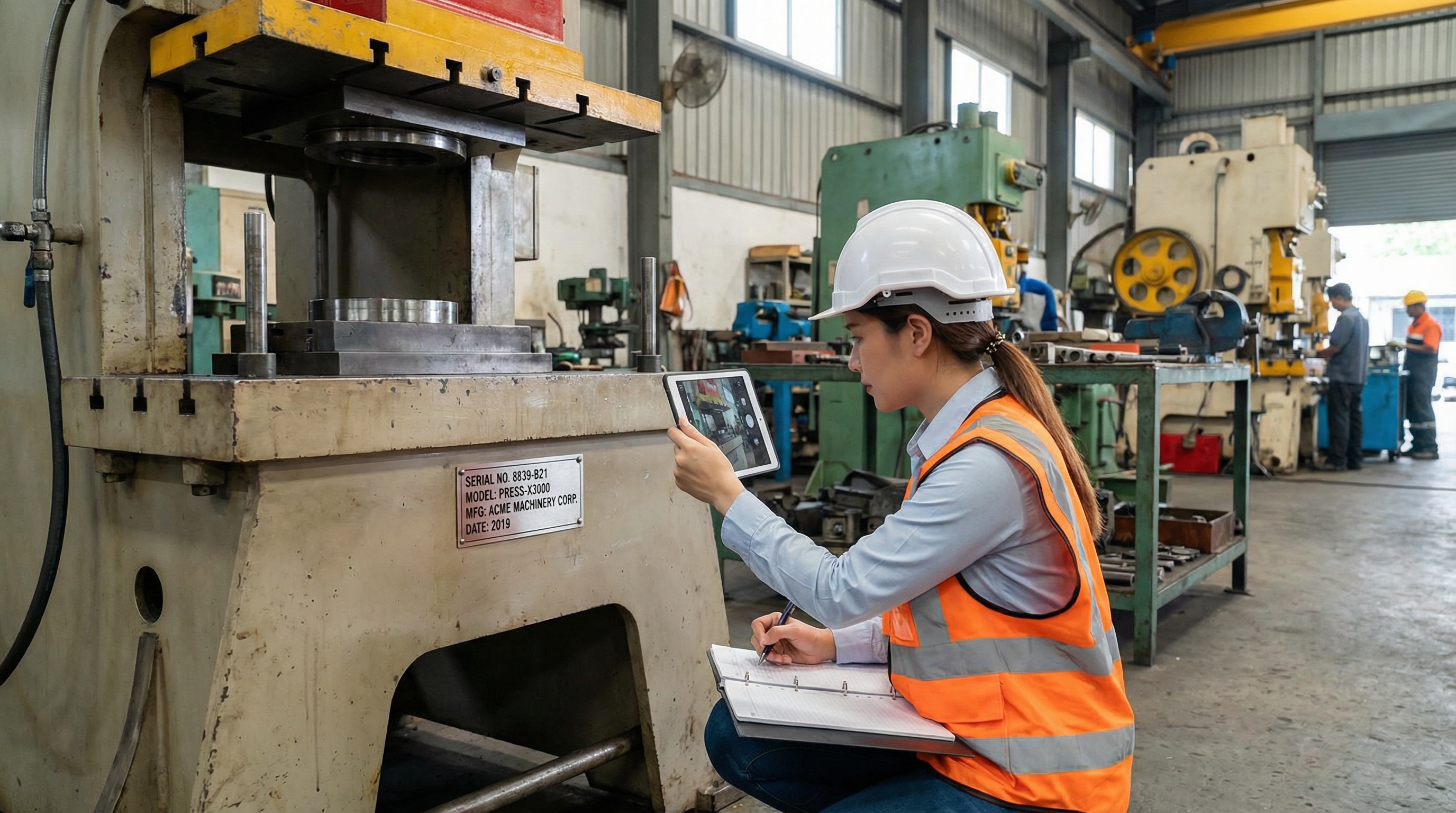
The appraiser visits your facility to physically examine each piece of equipment, recording condition, functionality, serial numbers, and taking detailed photographs. Some simple appraisals can be completed using photos and video calls. Learn more about what to expect when an appraiser visits your facility.
Step 5: Valuation analysis and method selection
Using cost, market, and income approaches, the appraiser researches comparable sales, replacement costs, and depreciation factors to determine value. Different equipment types may require different valuation methods.
Step 6: Report preparation and quality review
The appraiser prepares a comprehensive report including methodology, assumptions, asset schedules, photographs, and value conclusions. All reports must comply with USPAP standards for professional appraisal practice.
Step 7: Delivery and follow-up questions
You receive the final report and can ask questions about methodology, assumptions, or specific value conclusions. Most appraisers provide brief clarifications at no additional charge.
What you need to prepare before your appraisal
Proper preparation significantly improves both the accuracy of your appraisal and the efficiency of the process. Gathering the right documents beforehand can reduce the overall timeline and help your appraiser provide more precise valuations.
Start with a basic asset inventory listing each piece of equipment by make, model, serial number, year of manufacture, and current location. Include any unique features, attachments, or modifications that might affect value. Even a simple spreadsheet helps appraisers organize their work and ensures nothing gets overlooked.
Collect purchase documentation including original invoices, lease agreements, and financing records. These documents establish acquisition costs and help appraisers understand the equipment's history. If you've made significant improvements or modifications, include those receipts as well.
Maintenance and repair records provide crucial insights into equipment condition and remaining useful life. Well-maintained equipment typically receives higher valuations, while deferred maintenance can significantly reduce value. Include both routine service records and major repair invoices. Understanding how repair costs factor into equipment valuations can help you better prepare.
Pro Tip: Take clear photos of nameplate data (manufacturer, model, serial numbers) before the appraiser arrives. Worn or damaged nameplates can slow down the identification process and may require additional research time.
Finally, ensure your appraiser has safe access to all equipment locations and any required safety equipment or escorts for restricted areas. Some facilities require advance security clearance or specific safety training for visitors.
How appraisers determine your equipment's value
Professional appraisers use three primary approaches to value equipment and machinery, often combining multiple methods to reach the most accurate conclusion. Understanding these approaches helps you interpret your appraisal report and make informed business decisions.
The cost approach calculates what it would cost to replace your equipment today, then subtracts depreciation for age, wear, and obsolescence. This method works well for newer equipment or specialized machinery where comparable sales data is limited. Appraisers consider both physical depreciation from use and functional obsolescence from technological advances.
The market approach compares your equipment to similar items that have recently sold, adjusting for differences in age, condition, features, and location. This method provides the most reliable values when sufficient comparable sales exist, particularly for common equipment types like trucks, tractors, or standard manufacturing machinery.
The income approach estimates value based on the equipment's ability to generate future cash flows. This method is less common for individual pieces of equipment but may apply to complete production lines or specialized equipment that generates measurable revenue streams.
Most appraisers reconcile all applicable methods into a single value conclusion, weighing each approach based on the reliability of available data and the specific characteristics of your equipment. To better understand the different types and applications of equipment and machinery appraising, consider consulting with a qualified professional.
Key factors that impact your equipment's appraised value
Several factors significantly influence equipment values, and understanding these elements helps you maintain and manage your assets more effectively. Age and usage hours represent the most obvious factors, but condition and maintenance quality often matter more than simple chronological age.
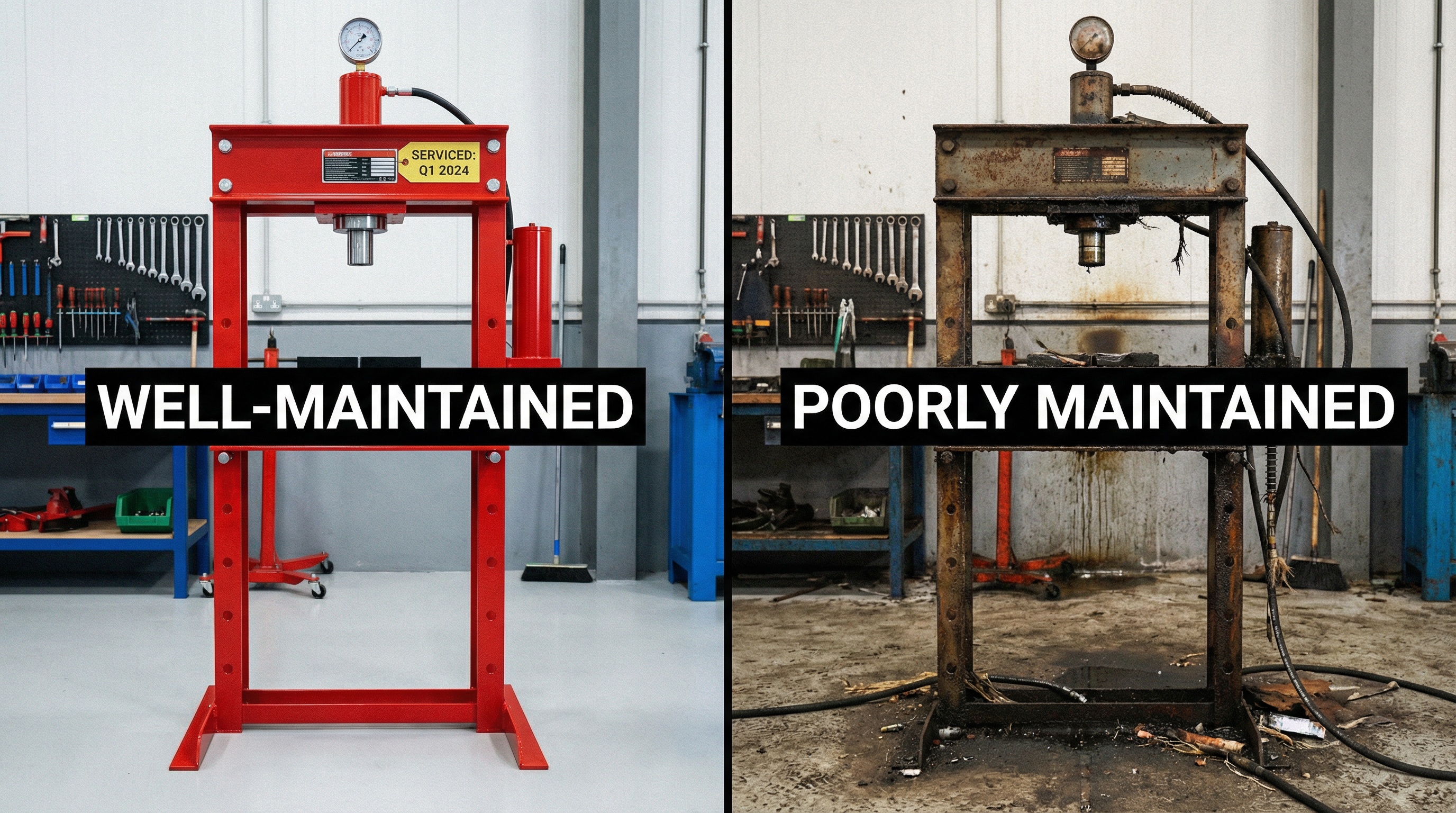
Physical condition encompasses both mechanical functionality and cosmetic appearance. Equipment that has been properly maintained, stored indoors, and operated within manufacturer specifications typically retains more value than similar units with visible wear, deferred maintenance, or operational issues.
Brand reputation and market demand create substantial value differences between manufacturers. Well-known brands with strong dealer networks and parts availability command premium prices, while lesser-known manufacturers may face discounts even for similar functionality.
Technological obsolescence can rapidly reduce equipment values as newer models offer improved efficiency, safety features, or regulatory compliance. Computer-controlled equipment faces particular risk as software support and compatibility issues emerge over time.
Special features, attachments, and customizations may add or subtract value depending on market demand. Highly specialized modifications might increase value for specific applications but reduce marketability to general buyers.
Location and transportation costs also affect value, particularly for large or heavy equipment. Remote locations or equipment requiring special permits for transport may face value reductions to account for additional buyer costs.
Important Note: Regular maintenance and proper storage can preserve 15-25% more value compared to similar equipment that's been neglected, making good asset management a smart financial strategy.
The equipment appraisal process provides essential documentation for financing, insurance, tax compliance, and business planning. By understanding each step and preparing thoroughly, you ensure accurate valuations that serve your business needs effectively. Working with certified, USPAP-compliant appraisers gives you confidence that banks, insurers, courts, and regulatory agencies will accept your results.
Remember that equipment values change over time due to market conditions, technological advances, and physical deterioration. Most experts recommend updating appraisals every three to five years for insurance purposes, or whenever you need current values for financing or business transactions. Before engaging an appraiser, make sure you know the essential questions to ask and avoid common mistakes during the appraisal process.