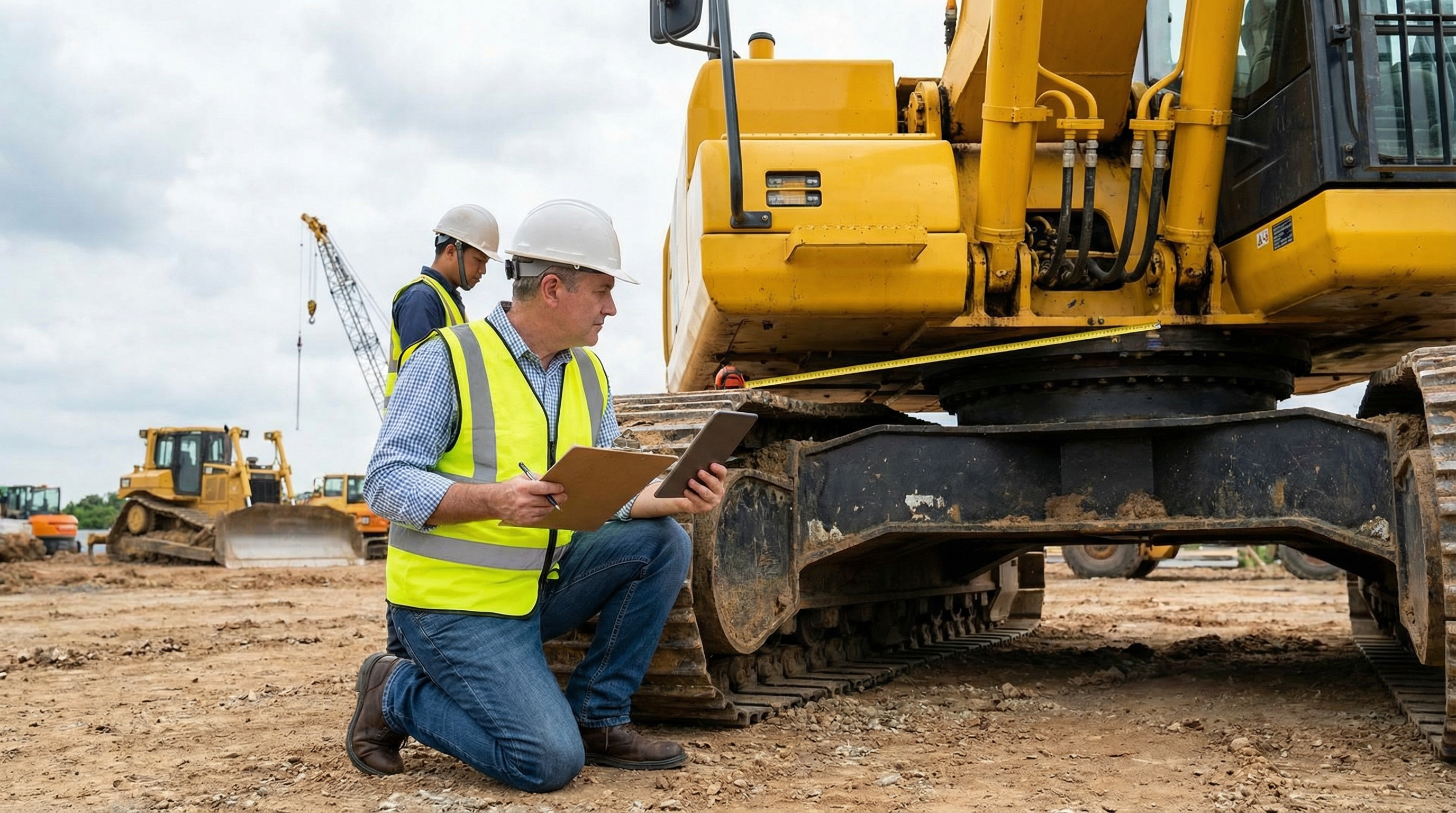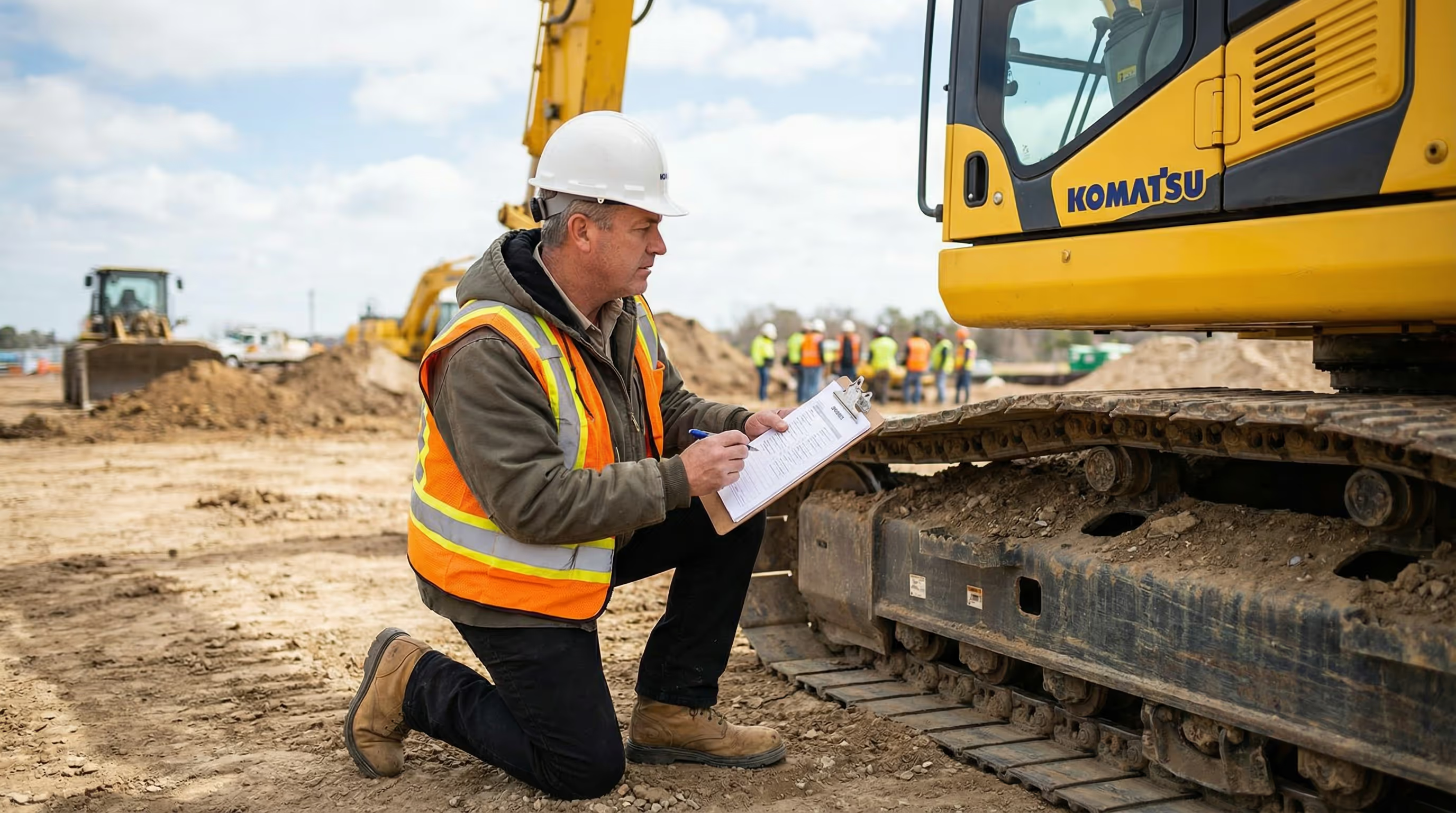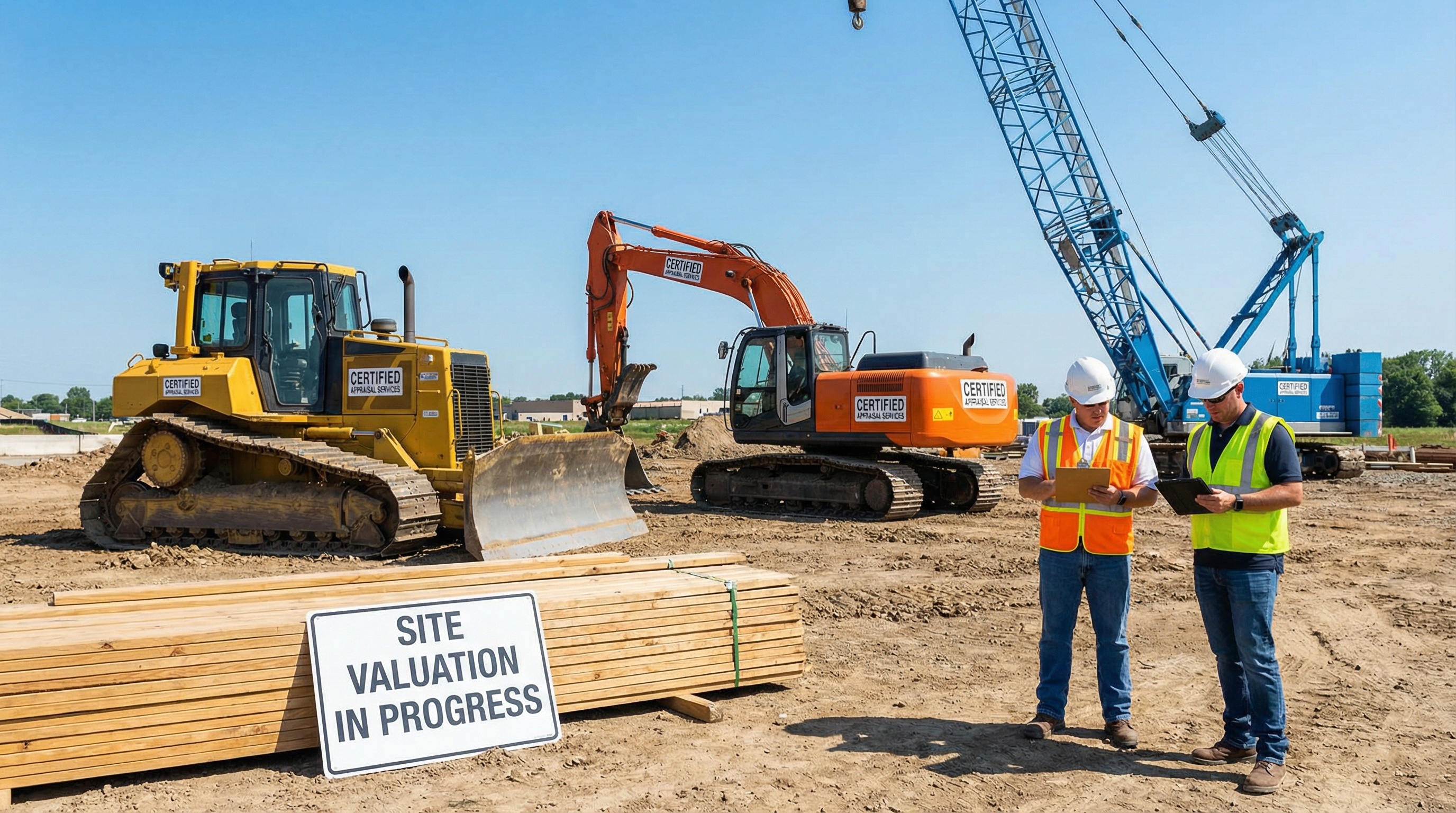
When you need a defensible value for your construction equipment for financing, insurance claims, or legal proceedings, the process isn't as straightforward as checking a used car's value online. Heavy machinery and industrial equipment require specialized knowledge to determine accurate market values that hold up under scrutiny.
Construction equipment appraisals provide independent, third-party valuations that financial institutions, insurance companies, courts, and the IRS recognize as credible. Whether you're securing a loan against equipment collateral, filing an insurance claim after damage, or dividing assets in a business transaction, having a USPAP-compliant appraisal protects you from overpaying, underinsuring, or facing disputes later.
Quick Fact: USPAP-compliant appraisals are accepted by over 10,000 organizations including major banks, insurance companies, and federal agencies because they follow standardized methodology and ethics requirements.
In this guide, you'll learn what construction equipment appraisals involve, when you need one, the different types available, and how qualified appraisers determine value. We'll also cover what to look for when choosing an appraiser and how the process works from start to finish.
What is construction equipment appraisal
Construction equipment appraisal is the professional process of determining the fair market value or other specific value types for heavy machinery, industrial equipment, and construction tools. Unlike generic asset valuations, this specialty requires deep knowledge of equipment specifications, market conditions, and industry factors that affect value.
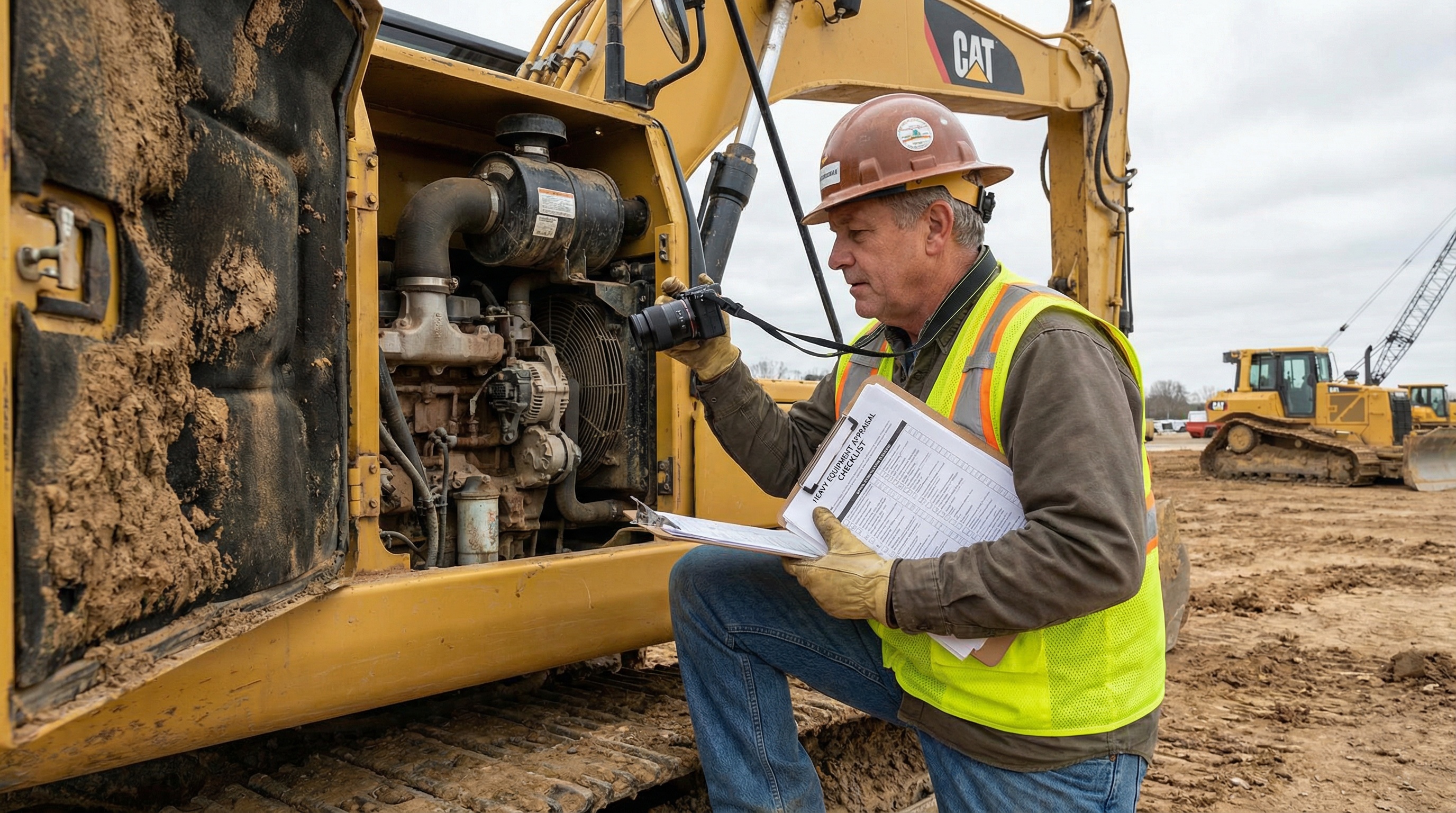
A qualified appraiser examines factors like equipment age, operating hours, maintenance history, brand reputation, and current market demand. They also consider attachments, modifications, and the equipment's condition through physical inspection when possible. The goal is to establish a defensible value that accurately reflects what the equipment would sell for in the current market under normal conditions.
Different value standards serve different purposes. Fair market value represents what a willing buyer would pay a willing seller in an open market. Replacement cost shows what it would cost to replace the equipment with similar functionality. Liquidation value estimates what the equipment would bring in a forced sale situation.
The appraisal process follows Uniform Standards of Professional Appraisal Practice (USPAP) guidelines, which ensure consistency and credibility. This compliance makes the valuations acceptable to lenders, insurers, courts, and tax authorities who require independent verification of equipment values.
When you need a construction equipment appraisal
Several situations require professional equipment appraisals, each serving different stakeholder needs and legal requirements. Understanding when an appraisal is necessary helps you plan ahead and avoid delays in critical business transactions.
Financial institutions typically require appraisals when equipment serves as loan collateral. Banks need independent verification that your bulldozers, excavators, or cranes have sufficient value to secure the requested credit line. The appraisal helps them assess risk and determine appropriate loan terms.
Insurance companies often request appraisals to establish coverage limits or process claims. If your equipment is damaged in an accident or natural disaster, an appraisal provides the documentation needed to support your claim amount. Having a recent appraisal can speed up the claims process significantly.
Important Note: Equipment values can change rapidly due to market conditions, technology updates, and wear. An appraisal that's more than two years old may not reflect current market conditions accurately.
Legal proceedings frequently require equipment appraisals for asset division in divorces, business dissolutions, or estate settlements. Courts need objective, third-party valuations to ensure fair distribution of assets. Tax authorities may also request appraisals during audits to verify depreciation claims or charitable donation values.
Business transactions like mergers, acquisitions, or partnership buyouts rely on accurate equipment valuations to determine fair purchase prices. Having professional appraisals helps prevent disputes and ensures all parties understand the true value of assets being transferred. For more information on common questions about construction equipment appraisals, visit our detailed FAQ guide.
Types of construction equipment appraisals
Different appraisal types serve specific purposes and provide different value conclusions. Choosing the right type depends on your intended use and the decision you need to support.
| Appraisal Type | Best For | Value Basis | Typical Use Case |
|---|---|---|---|
| Fair Market Value | General transactions | Willing buyer/seller | Financing, tax reporting |
| Replacement Cost | Insurance coverage | New equivalent cost | Insurance policies |
| Liquidation Value | Quick sales | Forced sale conditions | Bankruptcy, urgent cash needs |
| Orderly Liquidation | Planned sales | Organized sale process | Business closures |
| Salvage Value | End-of-life equipment | Scrap/parts value | Disposal decisions |
Fair market value appraisals are most common for financing and general business purposes. They assume normal market conditions with adequate time for marketing and no pressure on either buyer or seller. This standard works well for loan collateral and most business transactions.
Insurance appraisals focus on replacement cost, determining what it would cost to replace your equipment with similar functionality. This helps establish appropriate coverage limits and supports claims when equipment is damaged or stolen.
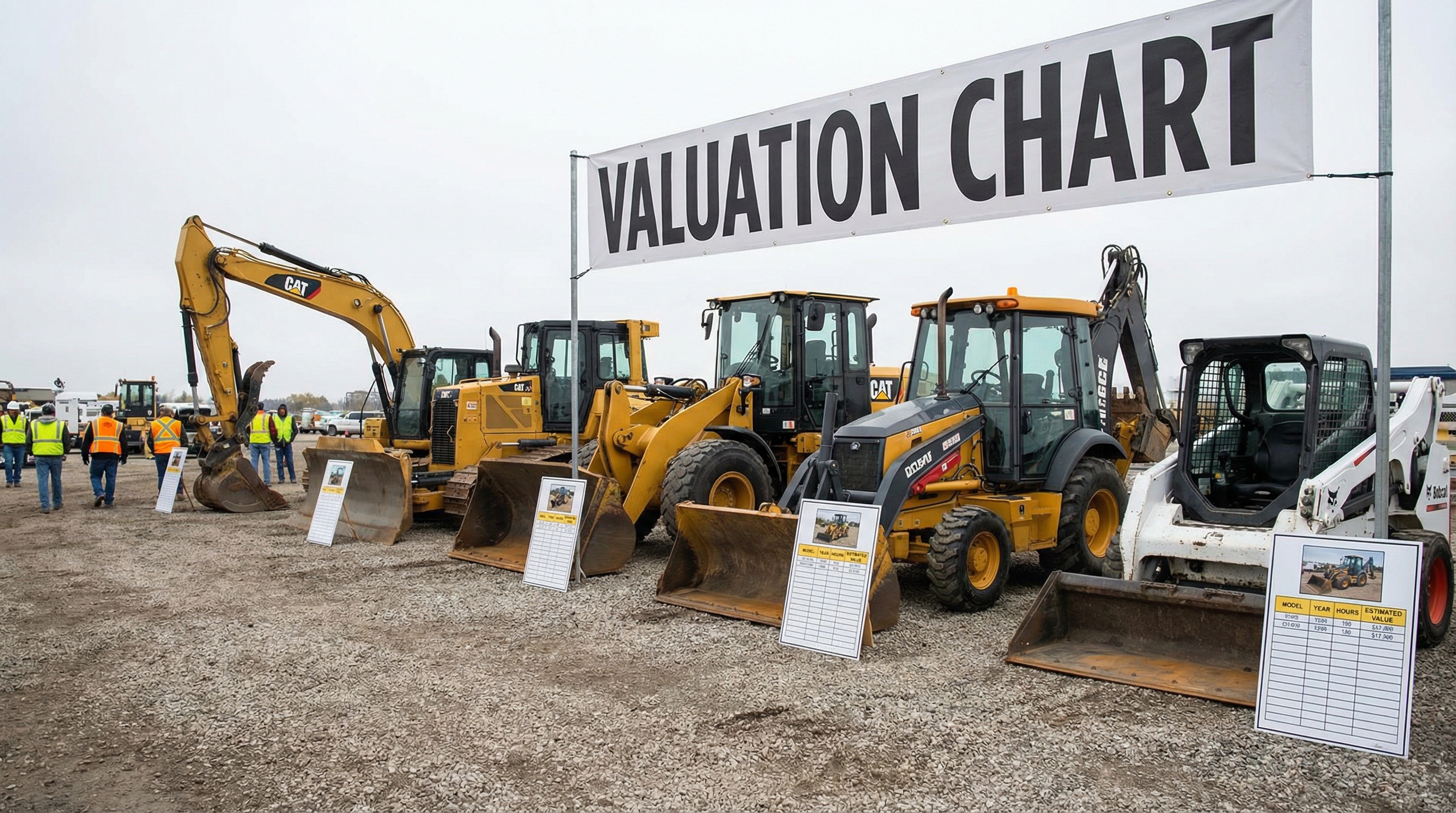
Liquidation appraisals come in two varieties. Forced liquidation assumes equipment must be sold quickly under distressed conditions, typically yielding lower values. Orderly liquidation assumes more time for marketing but still represents a sale scenario rather than normal use, resulting in values between fair market and forced sale levels. Understanding the different types and applications of equipment & machinery appraising can help you select the right approach.
How appraisers determine equipment value
Professional appraisers use systematic approaches to establish credible equipment values. The process combines market data analysis, physical inspection findings, and industry expertise to reach supportable conclusions.
The sales comparison approach examines recent transactions of similar equipment to establish market benchmarks. Appraisers research auction results, dealer sales, and private transactions to understand current pricing trends. They adjust for differences in age, condition, hours of operation, and geographic location to make meaningful comparisons.
Physical inspection reveals crucial details about equipment condition that affect value significantly. Appraisers document maintenance history, operating hours, wear patterns, and any modifications or attachments. They also note safety compliance issues and regulatory requirements that might impact marketability. Learn more about how to prepare for a construction equipment appraisal to ensure the process goes smoothly.
Professional Insight: Equipment with complete maintenance records typically appraises 15-20% higher than similar units without documentation, as buyers pay premiums for well-maintained machinery with verifiable service history.
The cost approach considers what it would cost to replace the equipment, then applies depreciation for age, wear, and obsolescence. This method works particularly well for specialized or newer equipment where market sales data may be limited.
Market conditions play a crucial role in valuation. Appraisers consider factors like seasonal demand patterns, regional economic conditions, and industry trends. For example, construction equipment values often fluctuate with infrastructure spending cycles and regional development activity.
Technology changes also affect values, especially for equipment with computerized controls or emissions systems. Newer environmental regulations can make older equipment less valuable or even unmarketable in certain jurisdictions. To avoid pitfalls, review common mistakes to avoid when getting an equipment & machinery appraisal.
AppraiseItNow's network of qualified appraisers combines decades of industry experience with access to comprehensive market databases and valuation tools. Our USPAP-compliant methodology ensures your appraisal will be accepted by lenders, insurers, courts, and tax authorities when you need it most.
Whether you're securing financing for equipment purchases, establishing insurance coverage, or handling legal matters involving equipment assets, having accurate valuations from credentialed professionals protects your interests and supports confident decision-making. For insights on how to choose the right appraiser for construction equipment, explore our comprehensive selection guide. Contact our team to discuss your specific appraisal needs and learn how we can help establish the defensible values you require.